
1. Is this program taught in English?
+Yes, fully English-medium.
 Kyrgyzstan | Est. 1997
Kyrgyzstan | Recognised by Kyrgyzstan's Ministry of Education and Science and Ministry of Health. IAAR (Independent Agency for Accreditation and Rating) accreditation renewed 2021 and 2022. Listed in the World Directory of Medical Schools per multiple third-party sources, | English. medium
Expert will call you within 2 hours
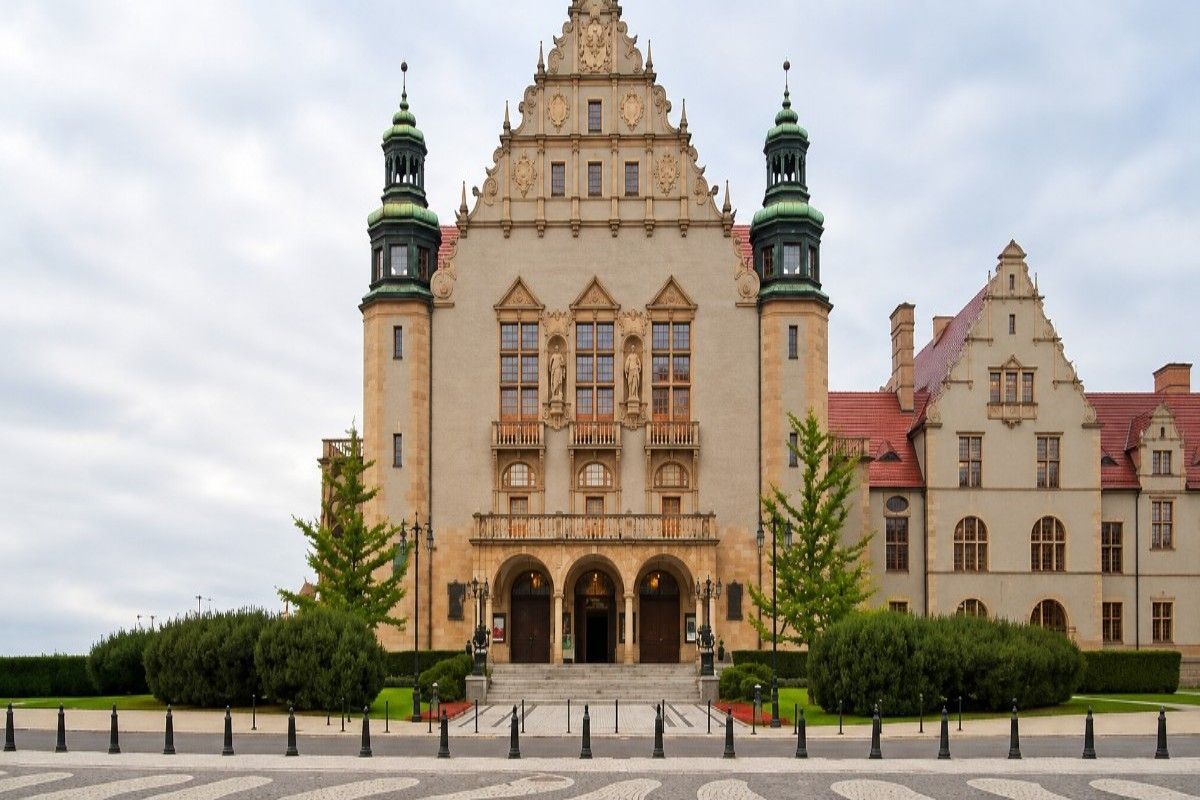
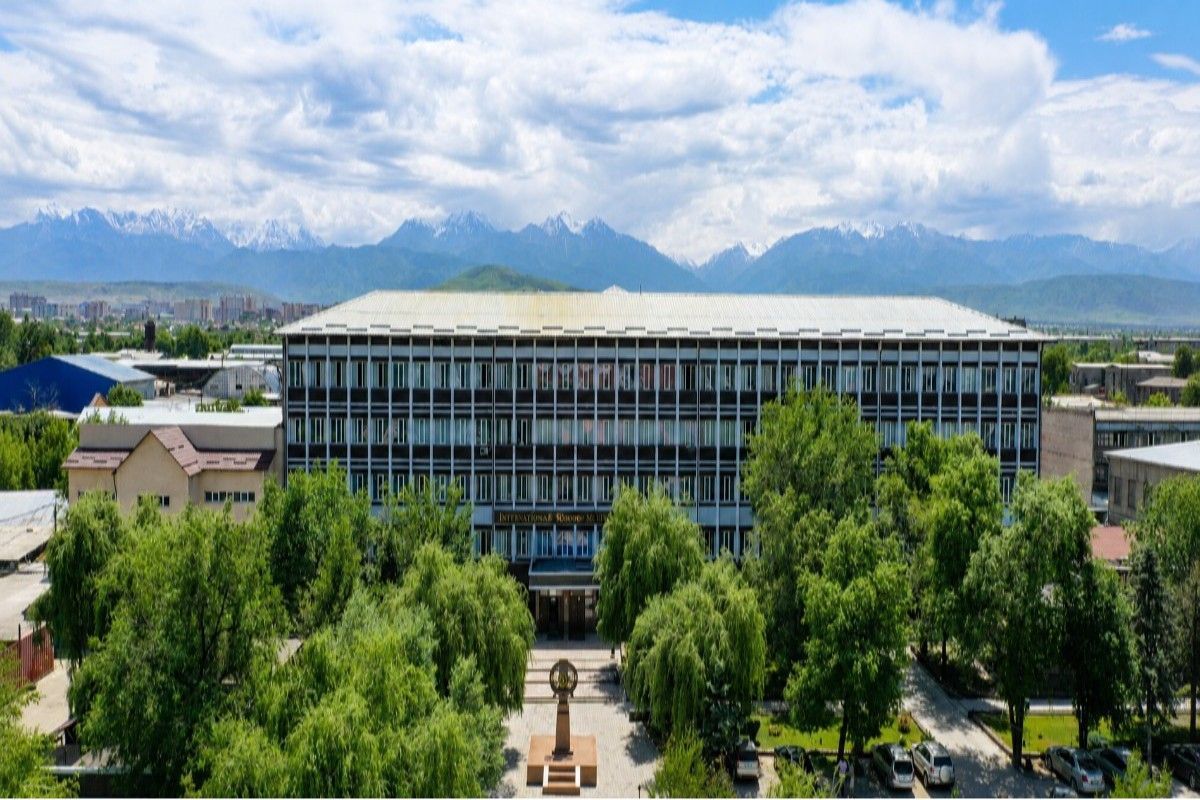
The story at Adam University is a little different from those at the other schools in this set. Medicine wasn't its original goal. The school opened on May 31, 1994. Early on, it was called the International Center for Training and Retraining of Financial and Economic Staff. It became an academy film in 1997. After that, in 2016, it got its current name, Adam University. Business, finance, economics, and tourism are at the heart of its oldest and most important character. The School of Medicine is a part of this much older and bigger school. It wasn't the school's main goal from the start. That's how a medical school would be built instead. This should be said straight out. It gives a school a real, new shape. This is not the same as a school that was built from scratch with clinical training as its only focus.
But the School of Medicine does have real government licenses. It is officially okay with Kyrgyzstan's Ministry of Health and Ministry of Education. There is only one license number for this: LD170001314. That number is real and can be checked. This isn’t just a blanket statement. You may also get accreditation by the Independent Agency for Accreditation and Rating (IAAR). New floors and paint arrived at the school in 2021 and 2022. It is listed in the World Directory of Medical Schools and by several outside sites including UniRank. Something important is said by more than one source. The health care part of Adam University used to have another name. This was the name of or close to Avicenna International Medical University. Please discuss this name change with the school. It’s very important to know what changed, and why. This is helpful to anyone who wants to see the school’s unbroken record of approval.
The medicine show is presented in English only. It has 45 seats for study. This is what the school names a "comprehensive" study plan. This plan starts with pre-clinical research like other plans used in the area. It then moves on to clinical work. Like the other Kyrgyz schools in this group, this one doesn't usually have a separate written test to get in. Instead, the school looks at grades from high school. If you are Indian, you will always need to have a good NEET score. This rule was made by the Indian National Medical Commission. There is no difference between what the school asks for and what it does.
Prices are the same here as they are in Bishkek. This is also true for the other Kyrgyz schools in this group. Most of the time, people say that meeting their daily needs (food, transportation, etc.) costs 200 to 300 USD a month. This number is a little higher than those for some smaller schools in the city that only teach medicine. The way Adam University's campus is set up could be one reason for this gap. It helps a lot of different school programs, not just health care.
Simply put, Adam University has a very long past as an institution. It has been going for 30 years, with a few different names. It has official government licenses that are linked to a single reference number. The IAAR has given it approval more than once. Still, know what this school is really like before you go. In the first place, it's a good school for business and economics. After some time, it added a licensed medical school as one of several divisions. This is not the same as a school that was designed from the start to teach medicine. You might or might not care about this gap. You decide how important a school's core character is to you. Compare that to the licensing and real results of its medical program. No matter what, remember the point where you changed your name. Remember that it has a wider, non-medical purpose as well. In this case, it is worth the extra time to get straight, up-to-date written proof of the medical program's accreditation. Please don't just look at proof of the university's general reputation before you decide to attend.
It's worth looking into this a little more. What actually means to have a school that does medicine as one of many departments and not the main goal? In real life, an Adam University student lives on campus with people studying economics, business and tourism. It's possible that they share some general facilities as well. By itself, this is not a bad thing. A lot of good universities around the world have medical schools along with other departments. This doesn't mean that quality has to go down. But it does mean that someone who wants to go to college should ask sharp, clear questions. Just how much of the budget, staff, and campus goes to the medical school its self? Are the actual hospital ties run by the medical school itself? Or are they mostly shared among everyone at the university? These questions are fair and make sense. Bring them up with admissions directly. They don't say that the school did anything wrong. A careful application should just know the answers before they spend years of study and real money on it.
The point where Avicenna changed his name also needs more attention. This is the one thing that makes Adam University different from the other two Kyrgyz schools in this list. Changing your name at a medical school isn't always a bad sign. There are many common reasons why schools change their names. This could mean a change in who owns the business, a merger, a rebranding to reflect new money, or just a change in direction. But a name change makes things harder for people from other places. A family doing study or an outside list like WDOMS both find it harder to keep up with a school's full history of accreditation over time. It's possible that a post with an old name won't fully move to a new one. We need paperwork for this. The regulating body also needs to say something official about it. In a glossy brochure for admission, it's easy to miss this point. This is the kind of thing that you should ask about directly and in writing before you put down any money.
Compare Adam University to the other two Kyrgyz schools in this list. The best thing about it is how old it is. It's been going for 30 years, with different names. Based on age alone, this is better than both ISM-IUK's medical arm and BIMI. The main thing that is still unknown is the medical program's own record. Since it changed its name and is now part of a bigger, non-medical school, this is not clear. A person who wants to go to college should honestly look at both facts side by side. Don't just look at how old the university is as a whole to judge the medical program's track record.
There is one more fair comparison that a family should make between Adam University and the other schools in this set. Compared to Croatia, Hungary, or Romania, the cost of living and tuition here is a tiny fraction of what it is there. This is a real plus for Adam University for applicants who want to save money.
No hidden charges, no donation. The full picture of costs at MBBS in Adam University School of Medicine.
Tuition Fee
Not consistently published as a single confirmed figure across sources; commonly described as "affordable" relative to other Kyrgyz medical
~USD 4,000 ~INR 3.48 lakh
Hostel Fee
Not clearly published in independently available sources. Contact university to confirm current housing cost and options.
~USD 750 ~INR 0.65 lakh
Food & Meals
~USD 2,700 ~INR 2.35 lakh
per month
Insurance
~USD 150 ~INR 0.13 lakh
per year
Donation
No Donation
No Hidden Fee
Total Estimated Cost
USD 7,600 (~INR 6.61 lakh) USD 45,600 (~INR 39.66 lakh)
Contact us
25–35%
Average FMGE first-attempt pass rates for students from many overseas medical universities. Students from structured programs consistently score higher.
Students returning to India need to clear the FMGE/NExT exam. MBBS in Adam University School of Medicine integrates exam-oriented coaching into the regular curriculum so students are prepared from day one.
A structured program that takes you from foundational sciences to clinical mastery.
Establishes basic knowledge of medical sciences and human anatomy.
Histology, Medical Biology, Medical Chemistry, Physics, Medical Terminology, Latin Language
Covers normal functioning of the body, pathogenesis of diseases, microbes, and pharmacodynamics.
Physiology, Biochemistry, Microbiology, Immunology, Genetics, Pharmacology
Provides introduction to clinical medicine, diagnosis of diseases, and experience in hospitals.
Pathology, Pathophysiology, Internal Medicine, General Surgery, Radiology, Lab Diagnosis
Clinical training in affiliated hospitals under supervision of doctors.
Internal Medicine, Pediatrics, General Surgery, Obstetrics & Gynecology, ENT, Ophthalmology, Neurology |
Includes intensive clinical training and preparation for the medical licensing exams.
Emergency Medicine, Family Medicine, Community Medicine, Surgery, Internal Medicine, Pediatrics

Furnished hostel rooms with Wi-Fi, laundry, 24/7 security, and Indian mess on or near campus.
Indian restaurants and mess facilities serving vegetarian and non-vegetarian home-style food daily.
Strong Indian community with cultural events, festival celebrations, and peer support groups.
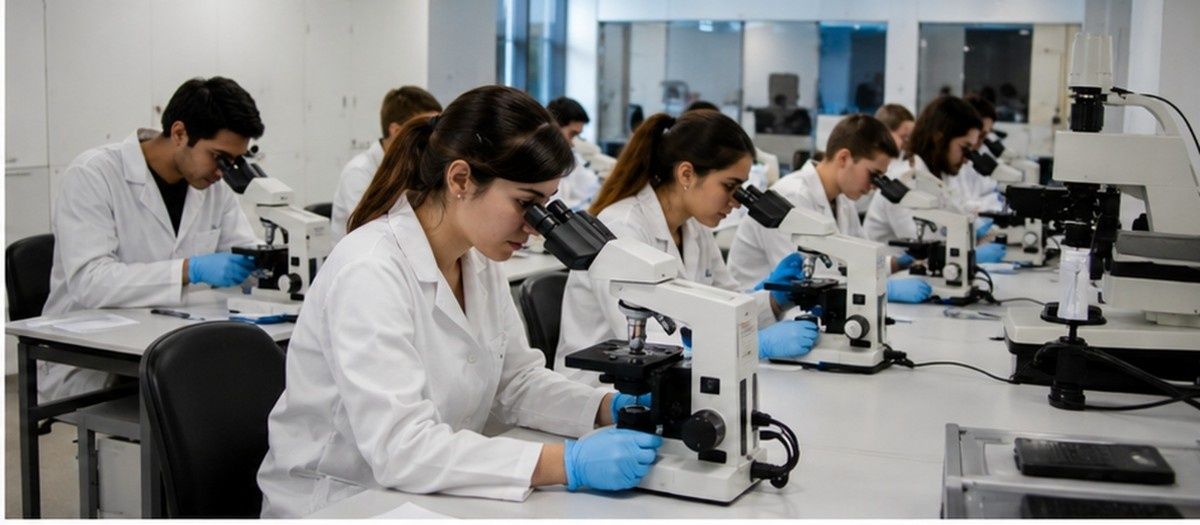
Students get hands-on clinical training in government and private hospitals affiliated with the university.
Practical information for students planning to study at MBBS in Adam University School of Medicine.
Prepare for all seasons. Thermal wear for winters, light clothing for summers. University provides heating in hostels.
Student visa processed with university invitation letter. Direct and connecting flights from major Indian cities.
Health insurance included in fees. Medical facility on campus plus city hospitals easily accessible.
Local SIM cards available. WhatsApp and video calls keep you connected with family back home.
Average monthly expenses of $150–$250 covering food, transport, and personal needs.
University library, online databases, and study groups. Seniors mentor juniors through academic challenges.
Our team guides you through every step — from application to arriving on campus.
Shortlist a university and confirm current NMC/WHO WDOMS status directly; don't rely solely on an agent's claim.
Submit the application form with scanned academic documents and passport.
Receive a provisional admission/invitation letter, typically within 7-10 working days.
Pay the initial tuition instalment as per the university's payment schedule.
Apply for the Kyrgyz student visa at the nearest visa centre, allowing 7-15 working days for processing.
Book travel and prepare for departure.
Complete in-person registration and a medical check-up upon arrival.
Begin classes at the start of the academic year (September/October).
Admission Helpline — Contact our counsellors for step-by-step assistance.
“The faculty here is incredibly supportive. The clinical training during hospital rotations has given me real confidence in patient care.”
“Affordable fees without compromising on quality. The campus facilities and hostel life made my transition abroad very smooth.”
“English medium instruction and WHO-recognized curriculum were the deciding factors for me. No regrets so far — excellent experience overall.”
“The university helped with everything from visa to accommodation. Hospital exposure from year three has been invaluable for my FMGE prep.”
“Just cleared my licensing exam on the first attempt. The structured coaching and mock exams during final year were a game-changer.”
“Safe campus, good food options, and a strong Indian student community. The teaching methodology is very practical and hands-on.”
Yes, fully English-medium.
No separate written exam is generally described as required; admission is based on academic document review.
Yes, per standard National Medical Commission rules.
No, it was founded in 1994 as a business, finance, and tourism institution. Medicine operates as one structural division within this broader university, which is worth knowing before comparing it directly to dedicated medical schools.
Several sources describe Adam University's medical program as previously operating under this name. Request a written explanation from the university as to this transition and how it will impact the continuity of accreditation.
Not consistently published as one confirmed figure across sources; commonly described as low-cost relative to regional peers. Get written confirmation directly from admissions.
It is described as WDOMS-listed and IAAR-accredited across several sources, though with less independent, cross-source consistency than ISM-IUK or BIMI specifically for the medical program.
Students comfortable with a longer-established parent university whose core strength lies outside medicine specifically, provided they independently verify the medical program's current accreditation status and the Avicenna name-change history directly with the school first.
It's the oldest of the three by founding date (1994), but that age applies to the wider university, not necessarily to a continuously accredited medical program specifically, given the noted name change.
Ask directly about the Avicenna name-change history, how much of the campus and budget goes toward the medical program specifically, and whether clinical hospital partnerships are run directly by the medical faculty or shared more loosely across the wider university.


Our expert counsellors will guide you through the complete admission process — from documents to airport pickup.