
1. Is Naryn State University a public or private university?
+It is a public university, established in 1996 and registered under Kyrgyzstan's Ministry of Education and Science.
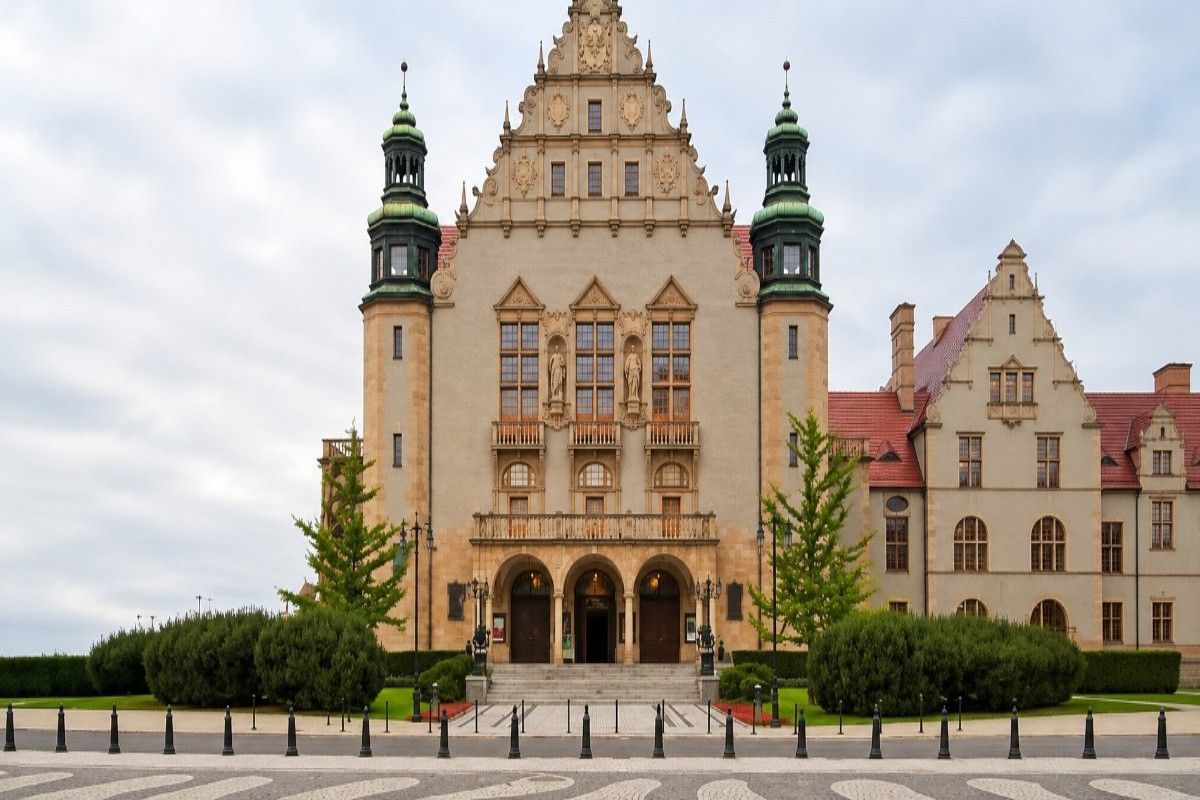
 Kyrgyzstan | Est. 1996
Kyrgyzstan | Registered under Kyrgyzstan's Ministry of Education and Science | English, with optional Russian classes for clinical practice medium
Expert will call you within 2 hours
Naryn sits high in Kyrgyzstan's mountains. It sits in one of the country's more remote regions. It is a small, calm city. It sits far from Bishkek's noise and crowds. Naryn State University runs its medical faculty right here. This gives students a genuinely quiet base to study medicine in. Some students choose this kind of setting on purpose. They want fewer distractions during a hard, demanding degree.
The university itself opened in 1996. It runs as a public school. Kyrgyzstan's Ministry of Education and Science checks and backs it. It also holds recognition from the World Health Organization. This is a mark many students look for when they weigh foreign medical schools. The university runs four faculties in total. It also runs two academic colleges and two further academic departments. This keeps it smaller and more focused than some of Kyrgyzstan's bigger, capital-city schools. A smaller school like this often means staff know their students by name. They do not just know them as a roll number on a list.
The medical program at Naryn follows a 5+1 year plan. This means five years of classroom and lab work. This is followed by one full year of hospital internship. Together, this adds up to six years. This matches the standard length used across almost every Kyrgyz medical school. Teaching runs mainly in English. The school also offers optional Russian classes. These mostly help with clinical work later in the course. Some patients in the region speak Russian as a first or second language, so this optional class can genuinely help later on.
The course itself splits into three clear stages. The first stage covers core preclinical science. Students study anatomy, physiology, biochemistry, histology, and embryology. This builds the base every doctor needs before moving on. The second stage is the paraclinical stage. It brings in subjects tied more closely to disease and treatment. The third stage moves fully into clinical work. Students study general medicine, surgery, child health, women's health, mental health, and eye and ear care. Most of this gets taught right inside university-linked hospitals. Teaching here leans on hospital rounds, real patient case talks, and hands-on work. It does not lean on pure lecture time alone.
Cost sits toward the more affordable end of Kyrgyzstan's typical fee range. Tuition runs at roughly USD 3,800 to 4,500 a year. Hostel fees add another USD 900 to 1,200 a year on top of that. This places Naryn a little above Kyrgyzstan's very cheapest options. Even so, it still sits well inside the country's broader affordable range. This holds especially true once the lower cost of living in a small regional city gets added to the mix. Food, transport, and daily shopping all tend to cost less here than in Bishkek.
Recognition matters here, as it does with every school in this series. Naryn State University sits in the World Directory of Medical Schools, often shortened to WDOMS. India's National Medical Commission also recognises it for eligibility purposes. This recognition, paired with a course built to prep students for exams like FMGE and NExT, makes Naryn a workable pick for Indian students planning to return home to practise. This holds true, subject to standard, current NMC rules. Students should always double-check these rules before they commit to any school.
Admission follows Kyrgyzstan's usual national pattern. Students should have completed their higher secondary education. They should have Physics, Chemistry and Biology as their main subjects. A valid NEET score is required too, in line with National Medical Commission rules. Naryn does not run a separate university-specific entrance exam. It also does not ask for any donation. This matches standard practice across nearly all Kyrgyz medical schools.
Campus facilities at Naryn include a working library, teaching labs, and basic sports grounds for student use. The school pairs with nearby regional hospitals for clinical training, rather than running one single, massive teaching hospital of its own. This setup mirrors how many smaller, regional medical schools operate around the world, relying on close local hospital ties rather than one giant central campus hospital.
Being set in such a remote, mountain region brings real upsides. It also brings a fair trade-off worth weighing honestly. On the upside, Naryn offers a genuinely peaceful, distraction-free setting. Living costs here run lower than in Bishkek. The campus also carries a close-knit, warm feel. Class sizes for students from abroad tend to stay moderate too. This gives students closer time with faculty than they might get at a much bigger school. On the trade-off side, Naryn sits far from Kyrgyzstan's biggest hospitals and busiest clinical sites. Winters here also run cold and long, given the region's high spot in the mountains. Students who dislike cold weather should think this through before they pick Naryn over a lower, warmer Kyrgyz city.
Travel between Naryn and Bishkek takes a few hours by road. This route winds through real mountain scenery along the way. Some students enjoy this distance. It keeps campus life calm and focused. Others may find it a bit of a hassle. This holds true when they want a quick city trip, or need a bigger airport for flights home. This trade-off is worth thinking through honestly before picking Naryn over a more central Kyrgyz city.
Student housing at Naryn includes hostel facilities built with international students in mind. The school also offers support for Indian food and cultural needs. This is a common feature across most Kyrgyz universities that host a meaningful number of Indian medical students. The campus itself sits close to regional hospitals. This gives students real, practical access to clinical settings without needing to travel far each day.
Faculty at Naryn tend to bring a genuine mix of local Kyrgyz doctors and specialists into the classroom. Many staff have taught at the school for years. They have built up real, direct experience with international student needs over that time. This kind of long-term staff presence can matter a great deal. Students want steady, familiar faces to guide them through a demanding six-year course. They do not want a constantly rotating set of visiting lecturers.
When not at school, people in Naryn enjoy the beautiful nature in the area. Mountain ranges, rivers, and big, open fields are what people know the area for. It gives them a lot of space to relax after studying for a long time. This is nothing like the busy and crowded Bishkek. It is also nothing like the touristy streets of cities like Osh with all the old buildings. Some kids do really well in this kind of quiet, outside setting. Some people might think it's too far away. More so if they are used to living in a city back home where there is more to do and better ways to meet with other people.
For students who want a calm, low-cost, English-language medicine degree, Naryn State University has something truly special to give. It's in a very pretty and out of the way part of Kyrgyzstan. It's good for students who don't mind living in a small city in the middle of nowhere where things move more slowly and it really gets cold in the winter. In return for a tough six-year medical course, these students get lower prices, bigger class sizes, and a quiet place to study.
No hidden charges, no donation. The full picture of costs at MBBS in Naryn State University Medical Faculty.
Tuition Fee
Approximately USD 2,700–3,300 per year
3,800-4,500 3.18-3.76 lakh
Hostel Fee
900-1,200 0.75-1.00 lakh
900-1,200 0.75-1.00 lakh
Food & Meals
~1,100 ~0.92 lakh
per month
Insurance
~500 ~0.42 lakh
per year
Donation
No Donation
No Hidden Fee
Total Estimated Cost
~37,800-43,800 ~31.60-36.62 lakh
6 year
25–35%
Average FMGE first-attempt pass rates for students from many overseas medical universities. Students from structured programs consistently score higher.
Students returning to India need to clear the FMGE/NExT exam. MBBS in Naryn State University Medical Faculty integrates exam-oriented coaching into the regular curriculum so students are prepared from day one.
A structured program that takes you from foundational sciences to clinical mastery.
Foundation of medical knowledge with lab sessions and introductory clinical exposure.
Anatomy, Physiology, Biochemistry, Histology and embryology
Deeper understanding of human body systems and disease mechanisms.
Pathology, Pharmacology, Microbiology and other disease-based subjects.
Hospital rotations begin. Students interact with patients under supervision.
General Medicine, Surgery, Paediatrics, Gynaecology, Psychiatry, Radiology, ENT, and Ophthalmology, taught through hospital rotations, patient case discussions, and hands-on practical training, culminating in a 1-year internship.
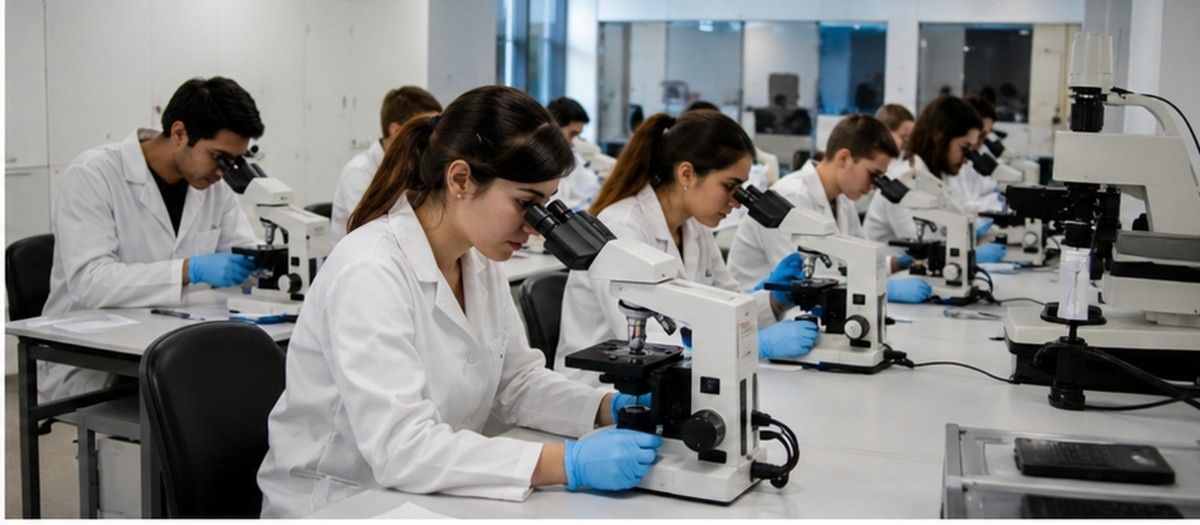

Furnished hostel rooms with Wi-Fi, laundry, 24/7 security, and Indian mess on or near campus.
Indian restaurants and mess facilities serving vegetarian and non-vegetarian home-style food daily.
Strong Indian community with cultural events, festival celebrations, and peer support groups.
Students get hands-on clinical training in government and private hospitals affiliated with the university.
Practical information for students planning to study at MBBS in Naryn State University Medical Faculty.
Prepare for all seasons. Thermal wear for winters, light clothing for summers. University provides heating in hostels.
Student visa processed with university invitation letter. Direct and connecting flights from major Indian cities.
Health insurance included in fees. Medical facility on campus plus city hospitals easily accessible.
Local SIM cards available. WhatsApp and video calls keep you connected with family back home.
Average monthly expenses of $150–$250 covering food, transport, and personal needs.
University library, online databases, and study groups. Seniors mentor juniors through academic challenges.
Our team guides you through every step — from application to arriving on campus.
Shortlist a university and confirm current NMC/WHO WDOMS status directly; don't rely solely on an agent's claim.
Submit the application form with scanned academic documents and passport.
Receive a provisional admission/invitation letter, typically within 7-10 working days.
Pay the initial tuition instalment as per the university's payment schedule.
Apply for the Kyrgyz student visa at the nearest visa centre, allowing 7-15 working days for processing.
Book travel and prepare for departure.
Complete in-person registration and a medical check-up upon arrival.
Begin classes at the start of the academic year (September/October).
Admission Helpline — Contact our counsellors for step-by-step assistance.
“The faculty here is incredibly supportive. The clinical training during hospital rotations has given me real confidence in patient care.”
“Affordable fees without compromising on quality. The campus facilities and hostel life made my transition abroad very smooth.”
“English medium instruction and WHO-recognized curriculum were the deciding factors for me. No regrets so far — excellent experience overall.”
“The university helped with everything from visa to accommodation. Hospital exposure from year three has been invaluable for my FMGE prep.”
“Just cleared my licensing exam on the first attempt. The structured coaching and mock exams during final year were a game-changer.”
“Safe campus, good food options, and a strong Indian student community. The teaching methodology is very practical and hands-on.”
It is a public university, established in 1996 and registered under Kyrgyzstan's Ministry of Education and Science.
5 years of academic study plus 1 year of internship, for 6 years total.
Yes, the program is taught in English, with optional Russian classes available to support clinical practice.
Tuition runs at approximately USD 3,800 to 4,500 per year, with hostel fees of USD 900 to 1,200 per year, based on third-party sources. Confirm exact current fees directly with the university.
Yes, in line with standard National Medical Commission rules for studying medicine abroad.
Yes, it is listed in WDOMS, recognised by the WHO, and recognised by India's NMC for eligibility purposes.
Naryn is a small, remote, mountainous city, offering a peaceful, low-cost setting, though winters run cold and it sits farther from Kyrgyzstan's biggest hospitals than capital-city schools.
Training takes place at university-affiliated regional hospitals close to the Naryn campus.
Naryn offers lower living costs, smaller class sizes, and a calmer pace of life than Bishkek, but sits several hours away by road, with less access to major hospitals and international flight connections.
Naryn suits students who are comfortable with a smaller regional city, a slower pace of life, and cold winters, in exchange for lower costs and closer, more personal attention from faculty during a demanding six-year course.

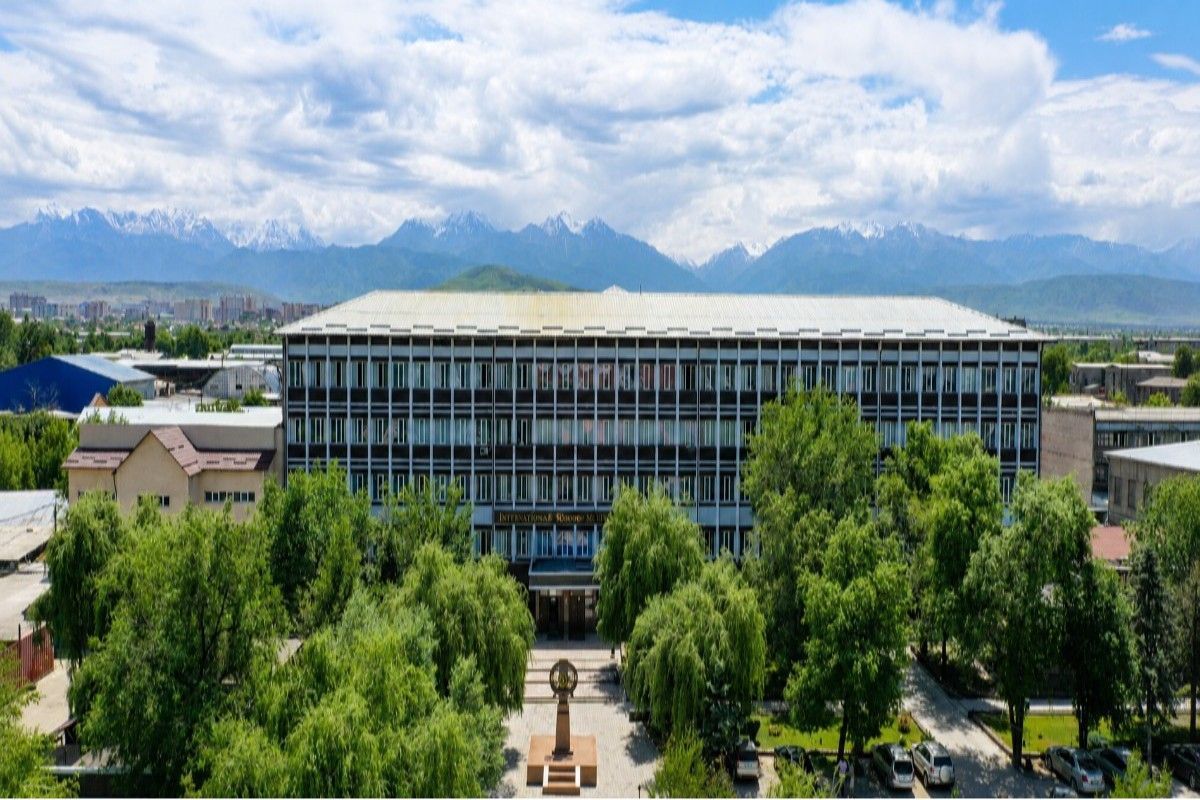
Our expert counsellors will guide you through the complete admission process — from documents to airport pickup.