
1. Is AKSU primarily a medical university?
+No. AKSU is a large, broad public university historically focused on teacher training and the humanities. Its medical faculty is a newer addition serving international medical students.
 Kyrgyzstan | Est. 1945
Kyrgyzstan | Licensed by Kyrgyzstan's Ministry of Education and Science | English medium
Expert will call you within 2 hours
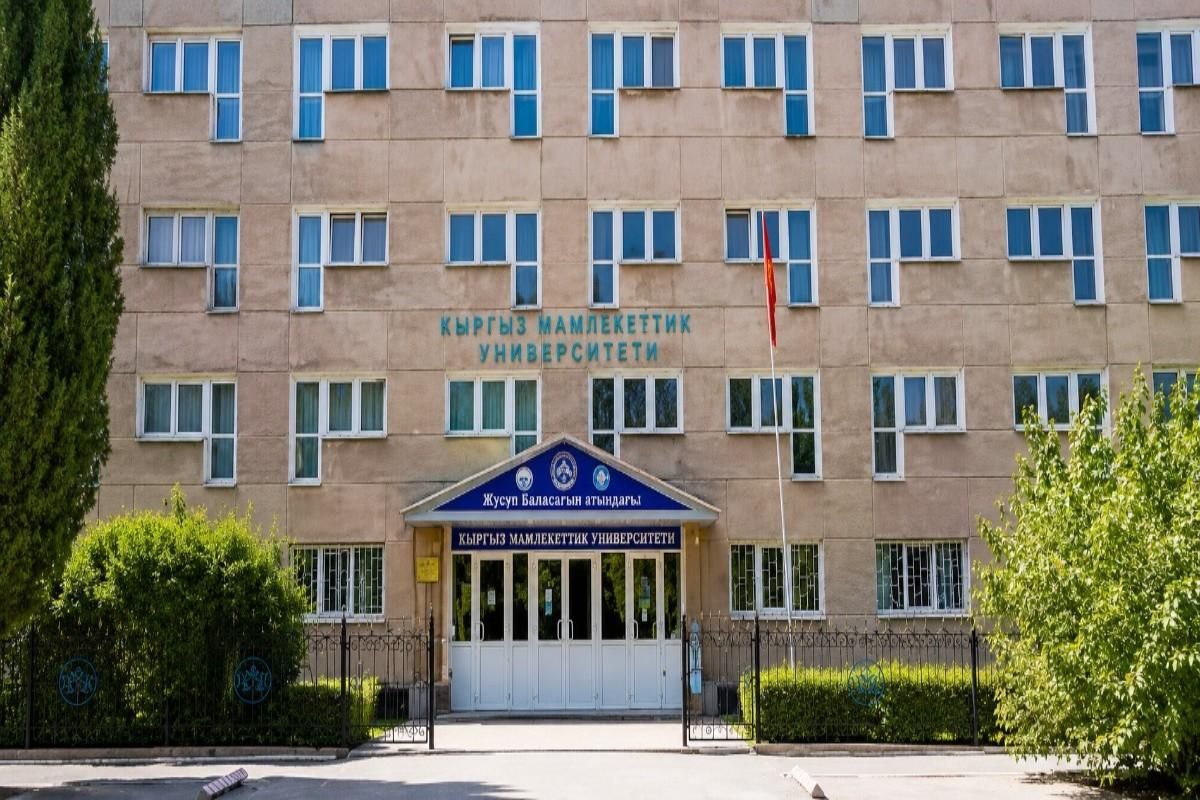
KYRGEYZ STATE UNIVERSITY NAMED AFTER I. Arabaev is what people often call it. That's what most people call it. It is in Bishkek, which is Kyrgyzstan's city. The university has been around for a long time. This history has to do with training teachers, not with medicine. There is a newer medical school at the school. It was built to help the rising number of international students. A lot of these students choose Kyrgyzstan to study medicine.
The college opened in 1945. It began as a school for women teachers. Over the years, it changed a lot. Since 2005, it has been known by this name. This name is in honor of Ishenaly Arabayev. He was a well-known teacher and public person in Kyrgyzstan. AKSU is now a big, general public school. A little over 10,000 children are taught there. These students are spread out among many departments. This includes the arts, education, training teachers, math and physics, as well as studies of the East. Six hundred and thirty of these students are not from Kyrgyzstan. This really makes the school feel mixed. This is true for a lot more than just medicine students.
It takes six years to finish the medical school at AKSU. At the end, there is a full work year. This is the same shape that is used at almost all medical schools in Kyrgyzstan. The lessons are in English. For the many students who choose this school, this gets rid of language gates. They want the track that is easy and in English.
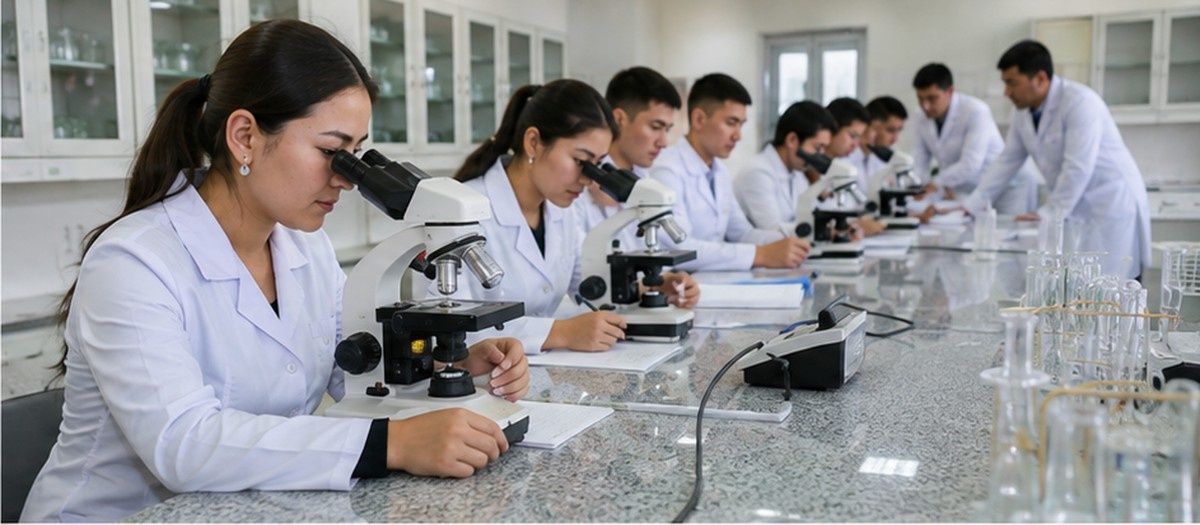
The course is set up in a way that is familiar. Science is taught in the early years. Physiology, biochemistry, anatomy, and histology are all parts of this. After that, students move on to courses that are useful in real life. We talk about pathology, pharmacology, microbiology, and general medicine in these. As the years go by, the focus shifts fully to clinical work. There are hospitals in Bishkek where students train. They learn how to help real patients while being watched. Before this, they have to do a job for a year.
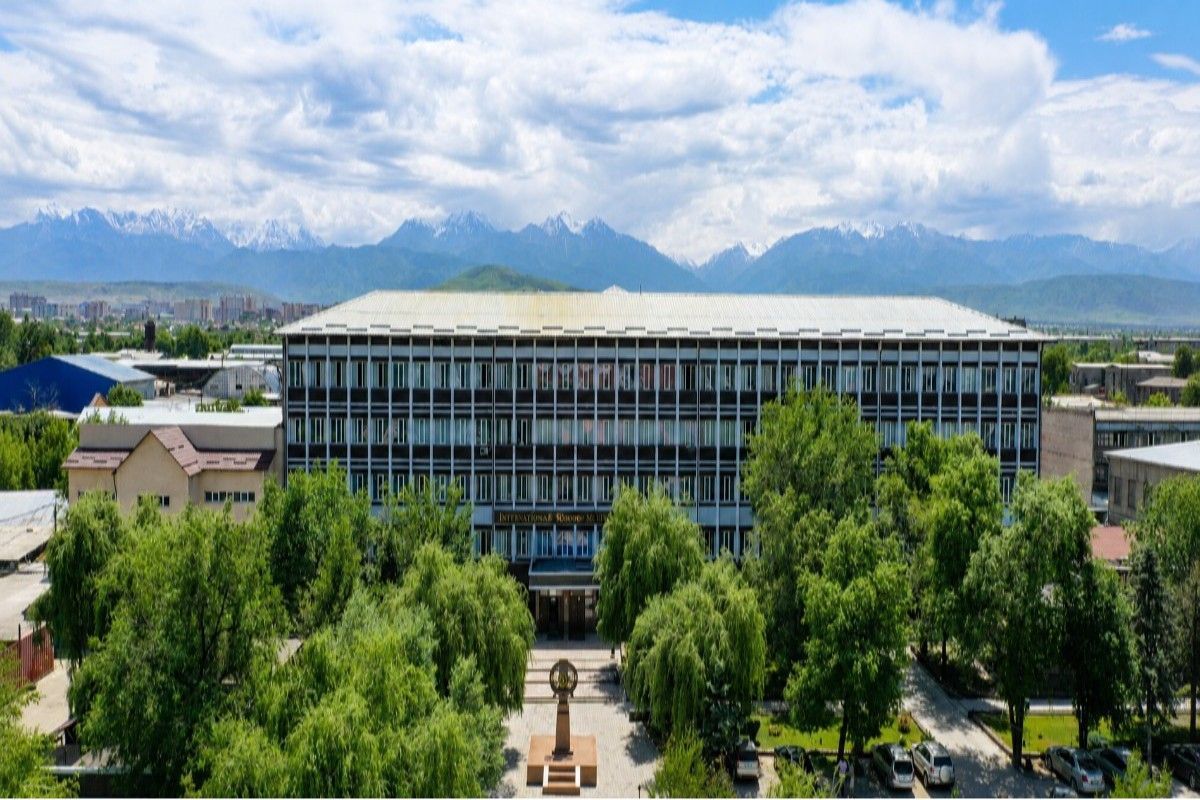
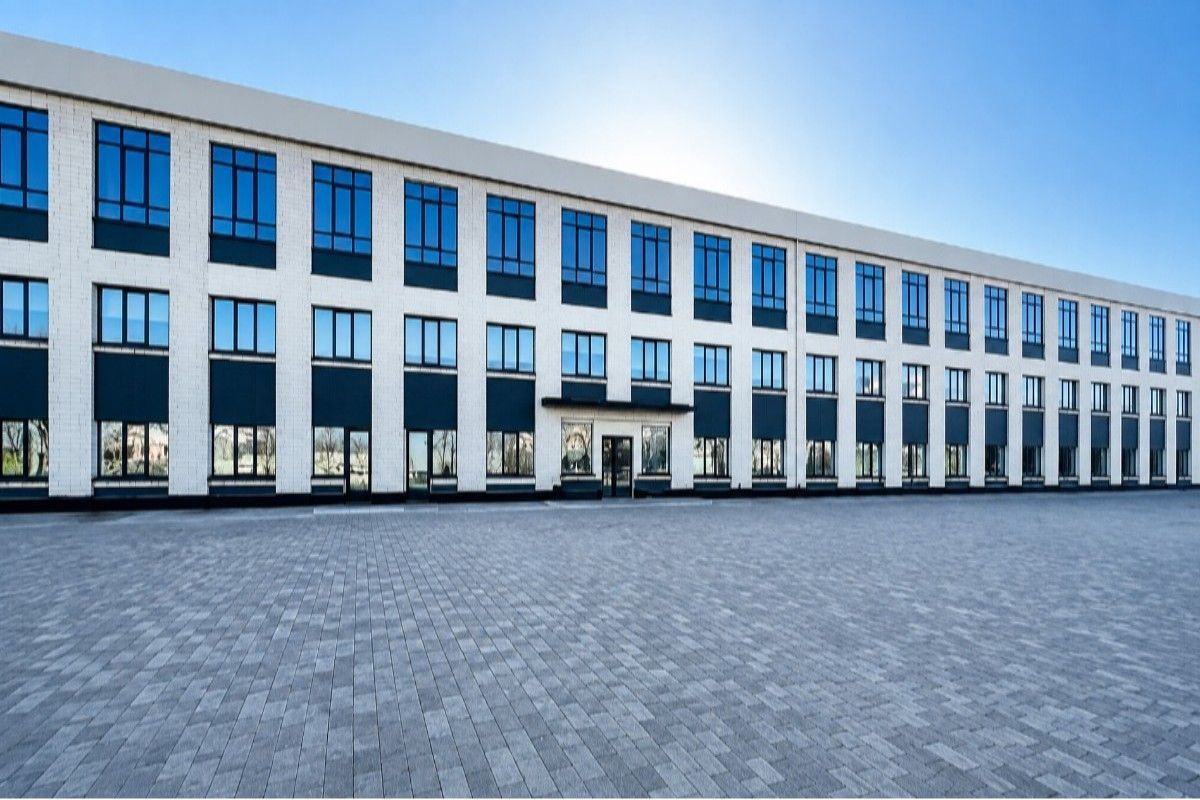
Students at AKSU can use a large clinical area because the school is in Bishkek. After all, this is Kyrgyzstan's capital city. This is not the same as a small town in the country. There are a number of large hospitals and medical centers in Bishkek. This gives students from all schools in Bishkek, not just AKSU, a lot of clinical sites to choose from. It also lets them train on a lot of different types of cases.
In this case, as in the others in this series, recognition is important at this Kyrgyz medical school. Third-party admissions sources say that AKSU's medical degree is recognized all over the world. They name groups like the WHO and standard medical license groups as examples. Still, students should be very careful with claims like these. They should check the state of WDOMS on their own. Aside from that, they should also check directly with NMC. This is important because AKSU's medical school has a lot less independent, detailed paperwork. And this is also true for Kyrgyzstan's older, more specialized medical schools, like the Kyrgyz State Medical Academy.
Cost at AKSU sits within Kyrgyzstan's broader typical fee range. Across Kyrgyzstan generally, MBBS-style tuition runs from around USD 2,800 up to USD 6,500 a year. This depends on the exact school chosen. Total course costs for a full six-year Kyrgyz medical degree typically land somewhere between INR 15 lakh and INR 30 lakh. This holds true once tuition, hostel, food, and other core costs get added up. Students should ask AKSU straight for its own current, exact tuition numbers. Published third-party guesses for this school vary a fair bit. They are not always clearly sourced from official school fee lists.
Admission for Indian applicants follows Kyrgyzstan's standard national pattern. Students need a finished higher secondary education. Physics, Chemistry, Biology, and English all need to sit as core subjects. Most schools, AKSU included, ask for at least 50 percent total marks in PCB for general-category students. NMC rules apply to any lower marks needed for reserved groups. A valid NEET score is required too. This matches every other Kyrgyz medical school in this series. AKSU does not run a separate school-specific entrance test. It also does not ask for any donation. This fits the wider Kyrgyz system.
Student life at AKSU gains real, practical value from its Bishkek base. The capital offers a fuller range of shops, transport links, and world ties than smaller Kyrgyz cities can match. Indian mess set-ups and cultural support tend to sit on hand. This is a common trait across most Kyrgyz schools that host a real number of Indian medical students. Hostel housing and modern lab space also sit as part of the standard offer. Even so, exact quality and open spots should always get checked directly. AKSU's medical faculty runs as one part of a much larger, mostly non-medical school.
Because AKSU is such a broad school, students weighing it should think this through with real care. Some students want a school built purely around medicine, with every tool pointed at that one goal. Other students prefer a bigger, more varied campus instead. Here, medical students share space with students studying arts, engineering, and other fields entirely. AKSU fits this second pattern far more closely than the first. This can shape the whole feel of student life here in a real, noticeable way.
The bigger city of Bishkek also adds a lot of variety and color to student life. At AKSU, students study next to a very diverse group of people. At the same time, these classmates are from a lot of different schools and countries. There may be a wider range of people to hang out with than at a smaller school that only teaches medicine. This does not change the fact that the medical staff has a smaller, less focused identity within the school as a whole.
Staff at AKSU's medical school bring in both Kyrgyz doctors and specialists from other countries to teach. The school keeps adding staff and lab space to keep up with the growth of the medical department. If a school is growing quickly, it may outgrow its facilities in the short term. Potential students should ask directly about current class sizes and lab access.
It gets cold in Bishkek in the winter, but not as bad as in some of Kyrgyzstan's busier, mountainous towns. It stays warm and dry in the summer. Students find it easy to take advantage of the natural areas in the city’s vicinity, such as Ala Archa National Park, as well as the city’s amenities like malls, cafes and movie theaters, because the city is situated at the foot of the Tian Shan mountains. Many students like this mix of city life and nearby nature because they want more to do in school than just lecture halls and hospital wards.
Students looking for a medical degree in English in the capital city of Kyrgyzstan have a real option in AKSU’s medical school. Behind it is a big school that has been around for a long time and has real roots and history. While the medical side of the school is newer compared to the teacher training side, students should still check directly with the school to make sure they meet all the requirements for medicine. Before making a final choice, they should also check with the school about the types of teachers and clinical sites that will be used.
No hidden charges, no donation. The full picture of costs at MBBS in Kyrgyz State University named after I. Arabaev Medical Faculty.
Tuition Fee
Approximately USD 3,500–3,800 per year
2,800-6,500 2.34-5.43 lakh
Hostel Fee
Approximately USD 600 per year.
~900 ~0.75 lakh
Food & Meals
~1,100 ~0.92 lakh
per month
Insurance
~500 ~0.42 lakh
per year
Donation
No Donation
No Hidden Fee
Total Estimated Cost
~31,800-54,000 ~26.58-45.14 lakh
6 year
25–35%
Average FMGE first-attempt pass rates for students from many overseas medical universities. Students from structured programs consistently score higher.
Students returning to India need to clear the FMGE/NExT exam. MBBS in Kyrgyz State University named after I. Arabaev Medical Faculty integrates exam-oriented coaching into the regular curriculum so students are prepared from day one.
A structured program that takes you from foundational sciences to clinical mastery.
Foundation of medical knowledge with lab sessions and introductory clinical exposure.
Core preclinical sciences - Anatomy, Physiology, Biochemistry, and Histology.
Deeper understanding of human body systems and disease mechanisms.
Applied and paraclinical subjects - Pathology, Pharmacology, Microbiology, and General Medicine.
Hospital rotations begin. Students interact with patients under supervision.
Clinical rotations in hospitals across Bishkek, and supervised practical patient care, culminating in a mandatory internship year.

Furnished hostel rooms with Wi-Fi, laundry, 24/7 security, and Indian mess on or near campus.
Indian restaurants and mess facilities serving vegetarian and non-vegetarian home-style food daily.
Strong Indian community with cultural events, festival celebrations, and peer support groups.
Students get hands-on clinical training in government and private hospitals affiliated with the university.
Practical information for students planning to study at MBBS in Kyrgyz State University named after I. Arabaev Medical Faculty.
Prepare for all seasons. Thermal wear for winters, light clothing for summers. University provides heating in hostels.
Student visa processed with university invitation letter. Direct and connecting flights from major Indian cities.
Health insurance included in fees. Medical facility on campus plus city hospitals easily accessible.
Local SIM cards available. WhatsApp and video calls keep you connected with family back home.
Average monthly expenses of $150–$250 covering food, transport, and personal needs.
University library, online databases, and study groups. Seniors mentor juniors through academic challenges.
Our team guides you through every step — from application to arriving on campus.
Shortlist a university and confirm current NMC/WHO WDOMS status directly; don't rely solely on an agent's claim.
Submit the application form with scanned academic documents and passport.
Receive a provisional admission/invitation letter, typically within 7-10 working days.
Pay the initial tuition instalment as per the university's payment schedule.
Apply for the Kyrgyz student visa at the nearest visa centre, allowing 7-15 working days for processing.
Book travel and prepare for departure.
Complete in-person registration and a medical check-up upon arrival.
Begin classes at the start of the academic year (September/October).
Admission Helpline — Contact our counsellors for step-by-step assistance.
“The faculty here is incredibly supportive. The clinical training during hospital rotations has given me real confidence in patient care.”
“Affordable fees without compromising on quality. The campus facilities and hostel life made my transition abroad very smooth.”
“English medium instruction and WHO-recognized curriculum were the deciding factors for me. No regrets so far — excellent experience overall.”
“The university helped with everything from visa to accommodation. Hospital exposure from year three has been invaluable for my FMGE prep.”
“Just cleared my licensing exam on the first attempt. The structured coaching and mock exams during final year were a game-changer.”
“Safe campus, good food options, and a strong Indian student community. The teaching methodology is very practical and hands-on.”
No. AKSU is a large, broad public university historically focused on teacher training and the humanities. Its medical faculty is a newer addition serving international medical students.
The program is 6 years long, including a compulsory 1-year internship, which corresponds to the standard structure used throughout Kyrgyzstan.
Yes, the medical program is taught in English.
Published, AKSU-specific tuition figures are limited; third-party sources place Kyrgyz medical tuition generally between USD 2,800 and 6,500 per year. Confirm the exact current rate directly with AKSU.
Yes, as per the standard rules by National Medical Commission for studying medicine abroad.
Third-party sources describe it as globally accepted, but independent verification of current WDOMS listing and NMC recognition is strongly recommended before enrolling.
Training takes place at hospitals across Bishkek, giving students access to the capital's wider clinical resources compared with smaller regional cities.
Since AKSU's medical faculty is a newer addition to a historically non-medical university, applicants should confirm current medicine-specific faculty depth, accreditation, and exact clinical training sites directly with the university before enrolling.
Because AKSU teaches close to 10,000 students across many faculties, medical students share campus life with students studying arts, education, and other fields, offering a more varied social scene than a smaller, medicine-only school.
Bishkek offers fuller city amenities, better transport links, and easy access to nearby nature like the Tian Shan mountains and Ala Archa National Park, alongside a colder winter climate than some of Kyrgyzstan's lower-altitude regions.

Our expert counsellors will guide you through the complete admission process — from documents to airport pickup.