
1. Is KMDI a public or private institution?
+It is a private, for-profit medical institute, founded in 2020 and licensed by Kyrgyzstan's Ministry of Education and Science.
 Kyrgyzstan | Est. 2020
Kyrgyzstan | Licensed by Kyrgyzstan's Ministry of Education and Science | English and Russian medium
Expert will call you within 2 hours
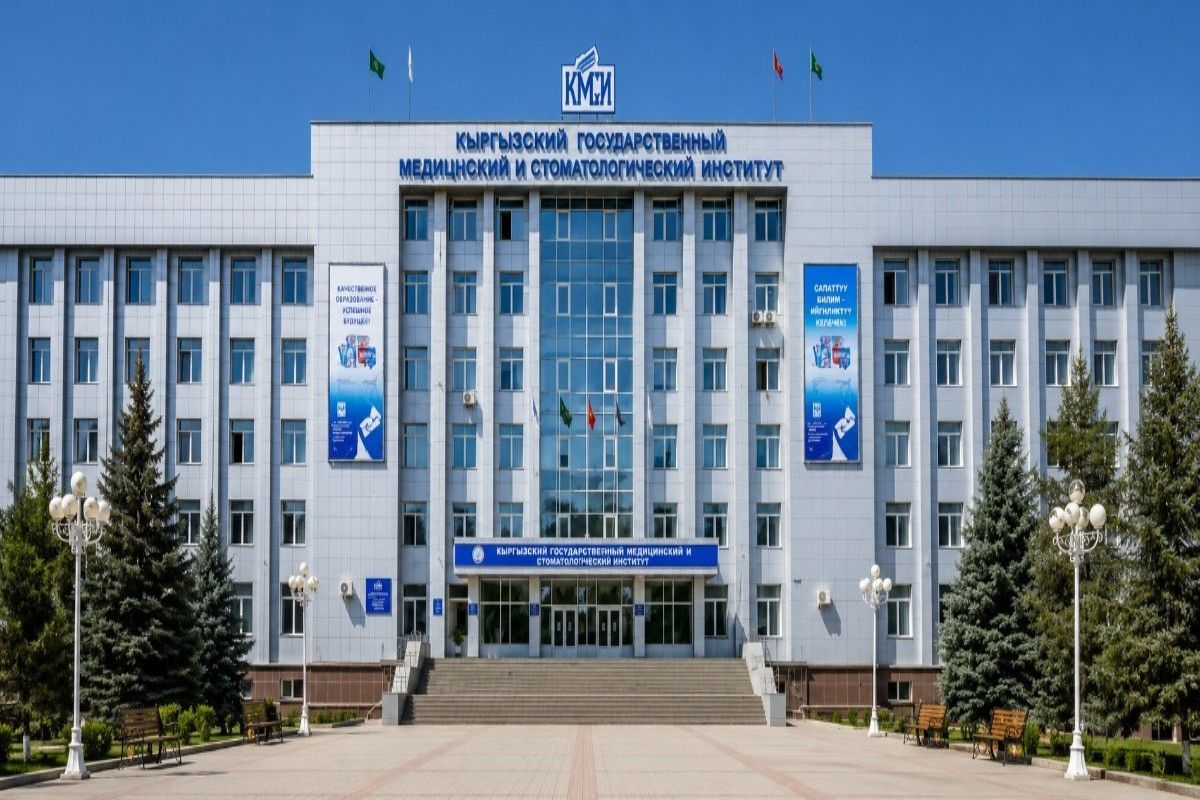
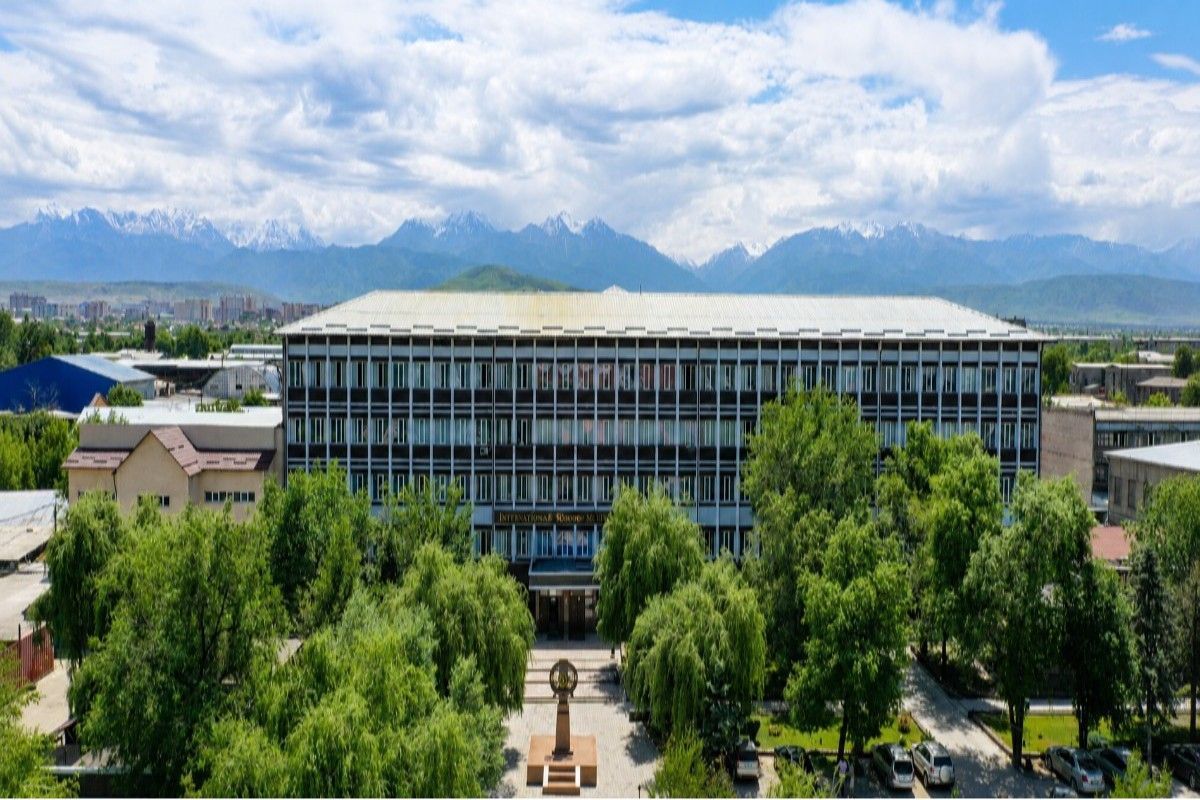
It is about 60 kilometers west of Bishkek to get to Kara-Balta. It is in the Chuy region of Kyrgyzstan. The town is quiet. The place is very far from the busy city. This is the home campus of the Kyrgyz Medical and Dental Institute. That's what most people call it. It makes the room quieter and helps them concentrate better while they study medicine. This is the kind of place that some students go to on purpose. They want fewer things to take their attention away from their hard degree work.
KMDI is a school for really young people. It began in 2020. There are not many private medical schools in Kyrgyzstan that are this new. It is a profitable private school that has a license from the Ministry of Education and Science of Kyrgyzstan. No matter how short its past is, KMDI has made a name for itself. Selective, quality-based ways of choosing students are used a lot. It does not just let as many kids in as it can.
The school has a 6-year program that is like MBBS. At the end, there is a full-year job. This is the same shape that is used in almost all medical schools in Kyrgyzstan. There are lessons in both English and Russian. This lets students really use both languages while they are learning them. This can help students who want to work with a bigger range of patients in the future. A lot of people in Central Asia still speak Russian, so having two official languages is useful in real life.
The course follows a clear, staged shape. Early years focus on core science. This covers subjects like anatomy, histology, physiology, and biochemistry. Middle years bring in applied subjects. These include pathology, pharmacology, microbiology, and general medicine. Later years shift toward full clinical rounds. These run through linked hospital sites. Students take part in case talks, ward-based learning, and hands-on lab work. This builds toward the final internship year. Here, students work directly under watch, inside real hospital settings. This staged build helps students avoid feeling rushed into hospital work without a proper science base first.
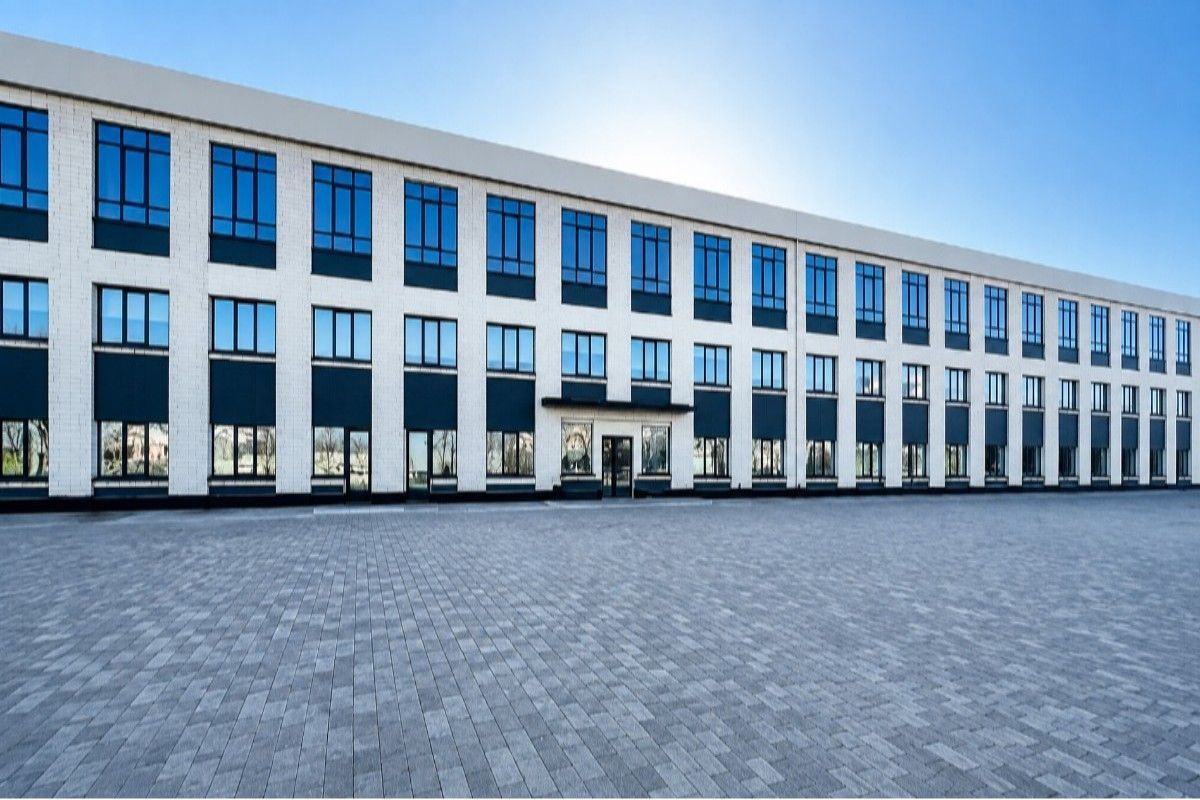
KMDI's own set-up includes an institutional hospital. This gives students direct, close access to clinical training. They do not need to travel far from the main campus for this. The school also runs a library and student housing on site. This aims to keep most day-to-day student needs within easy reach, rather than spread across a wider city. Having a hospital tied directly to the school also means less waiting time for students to start real clinical work, compared with schools that rely purely on outside hospital partners with their own separate schedules and priorities.
Recognition matters a great deal for a school this young. KMDI sits in the World Directory of Medical Schools, often shortened to WDOMS. This is the global list used by health checkers worldwide. Kyrgyzstan's own Ministry of Education and Science recognises it too. Third-party sources say KMDI grads stay eligible for India's licence exams. This means FMGE and NExT. This holds true, subject to standard NMC rules for foreign medical grads.
Cost sits within Kyrgyzstan's typical range for private medical study. Tuition runs at roughly USD 3,400 to 3,800 a year. This figure covers tuition and hostel together, per third-party admission guesses. This works out to somewhere around INR 2.8 to 3.2 lakh a year for Indian students. Extra costs typically cover visa work, medical cover, and daily living costs. These stay fairly low, given Kara-Balta's smaller-town setting.
Admission for Indian applicants follows the same national plan used across Kyrgyzstan. Students need a finished higher secondary education. Physics, Chemistry, and Biology need to sit as core science subjects. NEET score should also be valid. This matches India's National Medical Commission rules for study abroad. KMDI does not run a separate university-specific entrance exam. It also does not ask for any donation. This matches standard practice across almost all Kyrgyz medical schools. Applicants generally submit a passport, school records, photos, and a health fitness note as part of the standard process.
Being a newer school brings a real trade-off worth weighing honestly. On one hand, KMDI offers modern facilities. It also offers a fresh, selective way of picking students. It does not carry the weight of decades-old buildings and worn-out gear. On the other hand, a school that opened in 2020 has not yet turned out many full graduating classes. Its track record on residency spots, licence exam pass rates, and long-term grad results stays genuinely limited. This holds true when set against Kyrgyzstan's older, more settled medical schools in Bishkek. Prospective students should weigh this trade-off with real care. They should also confirm current details directly with the school before they apply.
This trade-off matters more for some students than others. A student who values a long, well-tested track record above almost everything else may lean toward an older Kyrgyz school instead. A student who values modern facilities, smaller class sizes, and a fresh, selective admissions style may find KMDI's newer status a genuine plus rather than a downside. Neither view is wrong. It really comes down to what each student values most in a six-year commitment.
Life in Kara-Balta offers a calm, focused base for medical study. The town sits far enough from Bishkek to skip the capital's noise and higher costs. Even so, it stays close enough for an easy trip into the city whenever needed. Students who want fewer distractions during a hard six-year course may find this smaller-town setting genuinely useful. That said, it also means fewer big-city amenities close at hand day to day, which is worth thinking through before choosing this school over a capital-based option.
The institute's teaching staff bring together local doctors and specialists from across Kyrgyzstan. Since KMDI runs on a smaller scale than some of the country's older schools, students often get more direct time with individual teachers. This kind of close, hands-on teaching style tends to matter most in the earlier science-heavy years, where a firm grasp of the basics shapes how well a student handles the clinical years that follow.
Given its short operating history, KMDI has not yet built up the same depth of published data on graduate outcomes that older, more established Kyrgyz schools can show. Students weighing this school should treat this honestly as part of their decision, alongside its genuine strengths in facilities, teaching language flexibility, and its own dedicated hospital.
Campus life at KMDI centres on a fairly compact set-up. Classrooms, labs, the library, and student housing all sit close together. This makes daily life simple for students, since they do not need to travel far between classes, meals, and study time. The school also runs support for Indian food and cultural needs, a feature shared by most Kyrgyz schools that host a real number of Indian medical students.
For students drawn to a newer, more selective private institute, with its own linked hospital and a quieter regional base near Bishkek, the Kyrgyz Medical and Dental Institute offers a distinct option among Kyrgyzstan's growing list of private medical schools. As with any young institution, careful, direct checking of current accreditation, fee structures, and clinical training set-ups remains a needed step before enrolling.
No hidden charges, no donation. The full picture of costs at MBBS in Kyrgyz Medical and Dental Institute.
Tuition Fee
USD 4,800 per year
USD 4,800/year
Hostel Fee
~1,100 ~0.92 lakh
Approximately USD 650/year.
Food & Meals
~1,100 ~0.92 lakh
per month
Insurance
~600 ~0.50 lakh
per year
Donation
No Donation
No Hidden Fee
Total Estimated Cost
~5,100-5,500 ~4.26-4.60 lakh ~30,600-33,000 ~25.58-27.59 lakh
6 years
25–35%
Average FMGE first-attempt pass rates for students from many overseas medical universities. Students from structured programs consistently score higher.
Students returning to India need to clear the FMGE/NExT exam. MBBS in Kyrgyz Medical and Dental Institute integrates exam-oriented coaching into the regular curriculum so students are prepared from day one.
A structured program that takes you from foundational sciences to clinical mastery.
Foundation of medical knowledge with lab sessions and introductory clinical exposure.
Core preclinical sciences Anatomy, Histology, Physiology and Biochemistry.
Deeper understanding of human body systems and disease mechanisms.
Applied and paraclinical subjects - Pathology, Pharmacology, Microbiology, and General Medicine.
Hospital rotations begin. Students interact with patients under supervision.
Clinical rotations at KMDI's institutional hospital and linked sites, including case discussions and hands-on ward training, culminating in a compulsory internship year.
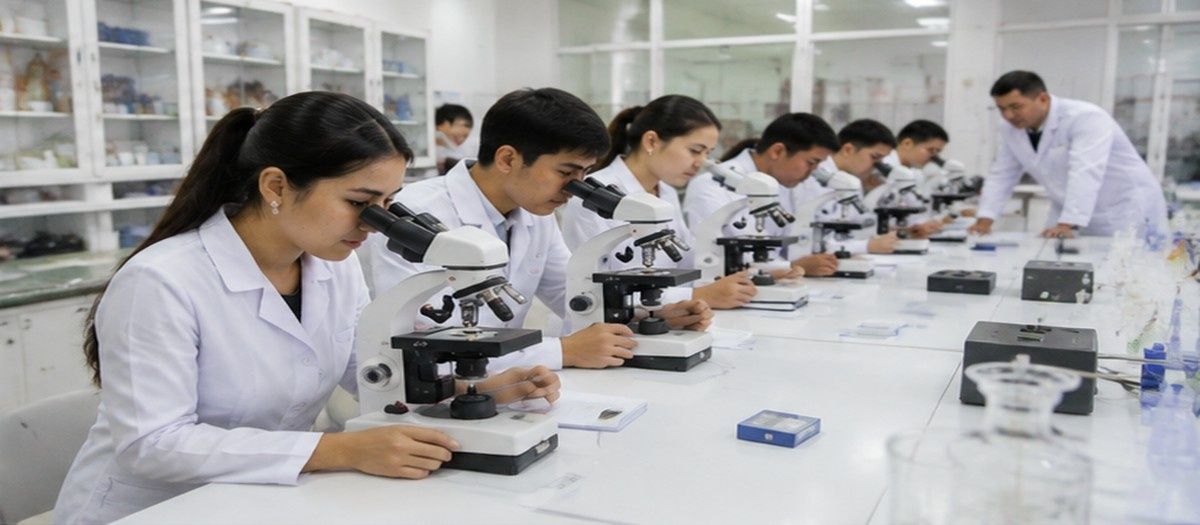
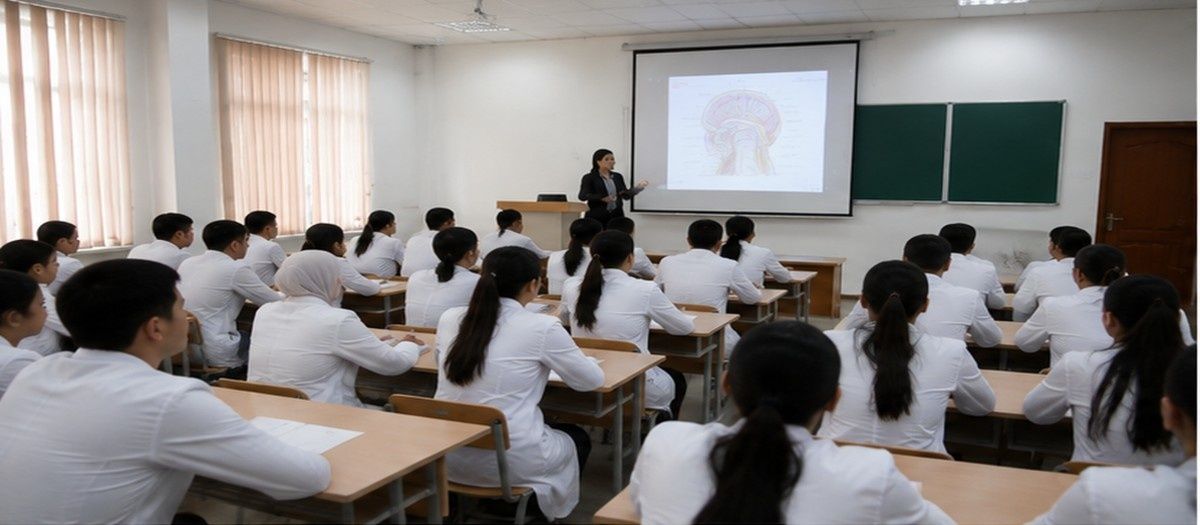
Furnished hostel rooms with Wi-Fi, laundry, 24/7 security, and Indian mess on or near campus.
Indian restaurants and mess facilities serving vegetarian and non-vegetarian home-style food daily.
Strong Indian community with cultural events, festival celebrations, and peer support groups.
Students get hands-on clinical training in government and private hospitals affiliated with the university.
Practical information for students planning to study at MBBS in Kyrgyz Medical and Dental Institute.
Prepare for all seasons. Thermal wear for winters, light clothing for summers. University provides heating in hostels.
Student visa processed with university invitation letter. Direct and connecting flights from major Indian cities.
Health insurance included in fees. Medical facility on campus plus city hospitals easily accessible.
Local SIM cards available. WhatsApp and video calls keep you connected with family back home.
Average monthly expenses of $150–$250 covering food, transport, and personal needs.
University library, online databases, and study groups. Seniors mentor juniors through academic challenges.
Our team guides you through every step — from application to arriving on campus.
Shortlist a university and confirm current NMC/WHO WDOMS status directly; don't rely solely on an agent's claim.
Submit the application form with scanned academic documents and passport.
Receive a provisional admission/invitation letter, typically within 7-10 working days.
Pay the initial tuition instalment as per the university's payment schedule.
Apply for the Kyrgyz student visa at the nearest visa centre, allowing 7-15 working days for processing.
Book travel and prepare for departure.
Complete in-person registration and a medical check-up upon arrival.
Begin classes at the start of the academic year (September/October).
Admission Helpline — Contact our counsellors for step-by-step assistance.
“The faculty here is incredibly supportive. The clinical training during hospital rotations has given me real confidence in patient care.”
“Affordable fees without compromising on quality. The campus facilities and hostel life made my transition abroad very smooth.”
“English medium instruction and WHO-recognized curriculum were the deciding factors for me. No regrets so far — excellent experience overall.”
“The university helped with everything from visa to accommodation. Hospital exposure from year three has been invaluable for my FMGE prep.”
“Just cleared my licensing exam on the first attempt. The structured coaching and mock exams during final year were a game-changer.”
“Safe campus, good food options, and a strong Indian student community. The teaching methodology is very practical and hands-on.”
It is a private, for-profit medical institute, founded in 2020 and licensed by Kyrgyzstan's Ministry of Education and Science.
It lasts 6 years and includes a compulsory 1-year internship and follows the standard structure used in Kyrgyzstan.
Yes, instruction runs in both English and Russian.
Tuition runs at approximately USD 3,400 to 3,800 per year, covering tuition and hostel, based on third-party sources. Confirm exact current fees directly with KMDI.
Yes, in line with standard National Medical Commission rules for studying medicine abroad.
Yes, it is listed in the World Directory of Medical Schools and recognised by Kyrgyzstan's Ministry of Education and Science. Confirm current NMC recognition status directly with the NMC before enrolling.
Students train at KMDI's own institutional hospital and linked clinical sites in and around Kara-Balta.
Being a school founded in 2020, KMDI has a very short track record and less public data on graduate outcomes than the older, more established medical academies in Bishkek, Kyrgyzstan.
KMDI describes itself as more selective than some other Kyrgyz private schools, choosing students based on quality criteria rather than simply filling every available seat, though it still does not require a separate entrance exam or donation.
KMDI suits students who value modern facilities, a dedicated on-campus hospital, and smaller class sizes over a longer institutional track record, and who are comfortable with a quieter, smaller-town setting near Bishkek.

Our expert counsellors will guide you through the complete admission process — from documents to airport pickup.