
1. What makes Ain Shams University Faculty of Medicine unique?
+A: Its teaching hospital, Demerdash, predates the faculty itself, giving it one of the longest-running clinical bases of any Egyptian medical school.
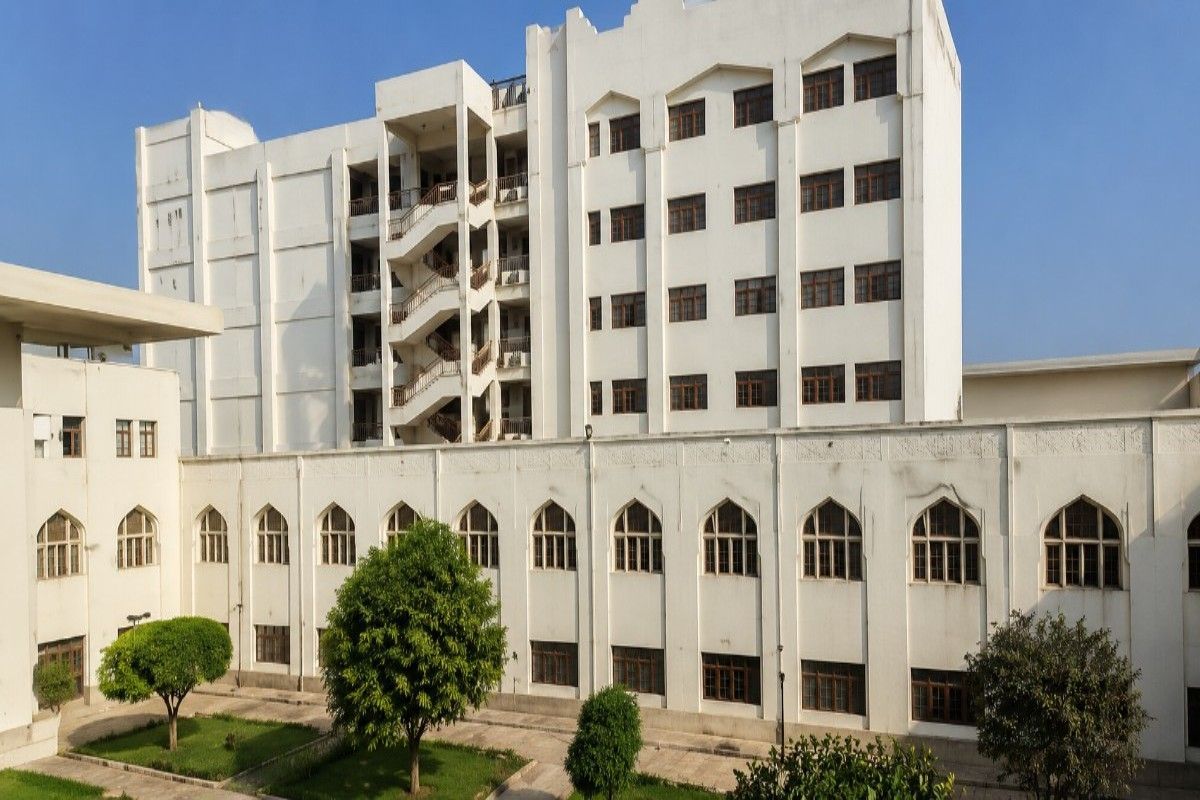
 Egypt | Est. 1947
Egypt | National Authority for Quality Assurance and Accreditation of Education (NAQAAE), Egypt | English (international track); Arabic (local track) medium
Expert will call you within 2 hours
Discussions related to studying medicine in Egypt usually emphasize the significance of the Kasr Al-Ainy Faculty of Medicine at Cairo University or the reputation and location of Alexandria. Ain Shams University Faculty of Medicine is mentioned last despite its prominence as one of the largest medical faculties of Egypt.
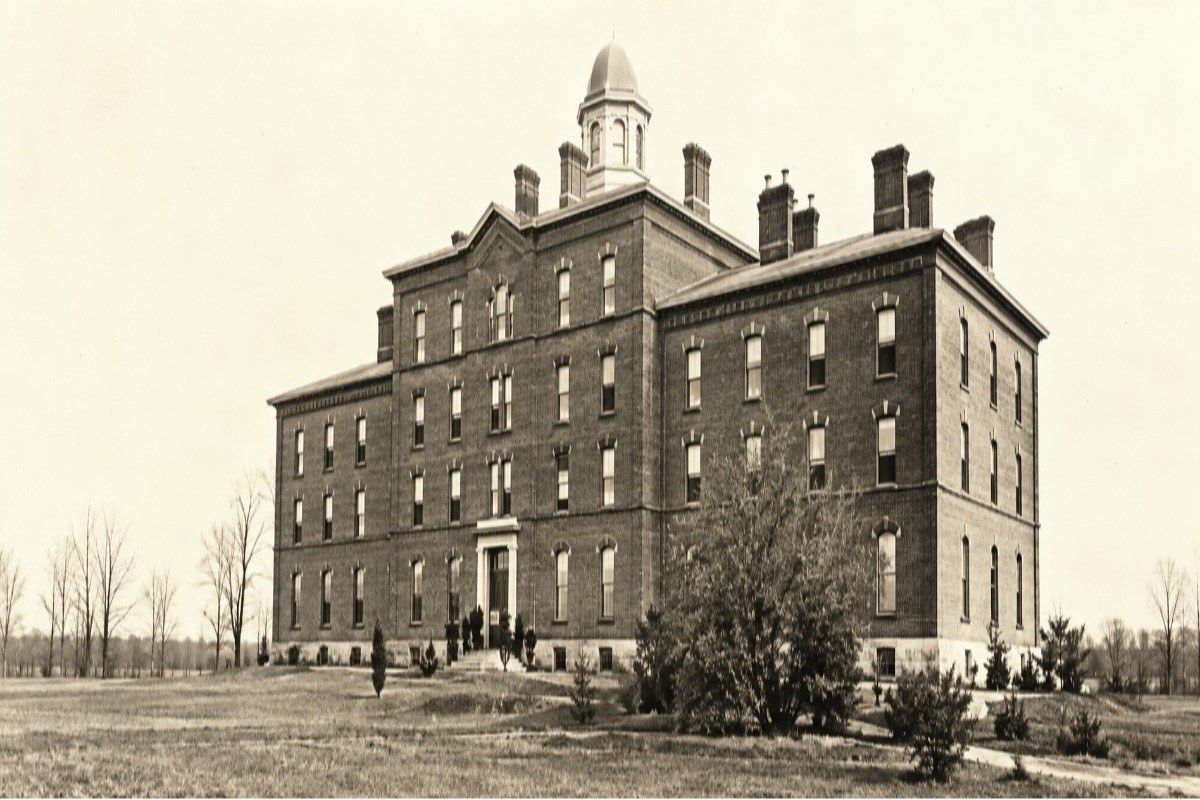
It is believed that the foundation of the faculty began with the creation of Al-Demerdash Hospital in 1928 as a 90 bed non-profitable hospital founded by Abdel Rahim El-Demerdash Pasha and his family. The Faculty of Medicine itself was created in 1947 as a part of the Fouad I University.
When Ain Shams University was established in 1950, the faculty became the part of the new institution and took its place as the third Egyptian medical school. This information is relevant due to the fact that the faculty developed based on a running teaching hospital.
Al-Demerdash Hospital still serves as the major clinical facility for this faculty. Over many years, this institution has earned a well-deserved reputation in certain fields of surgery. It plays a significant role in education at Ain Shams University.
Another distinctive characteristic of the faculty is its size. Although it is usually described just as a "large faculty" in the brochures, the numbers are much more impressive.
This faculty educates more than 9,000 undergraduate students and more than 3,000 postgraduate students. There are approximately 2,800 academic staff members providing teaching.
Academic activities at this faculty are organized through ten basic-science departments and twenty-four clinical departments. These departments function using the network of affiliated university hospitals which provide both teaching and clinical services to patients.
As a result, Ain Shams is considered to be one of the largest medical faculties in Africa and the Middle East. It is close to the scale of a small healthcare system rather than a regular medical faculty.
International students and students from India get into a six-year medical program at Ain Shams University. The program consists of five years of theoretical education followed by one-year mandatory rotating internship.
In the first years of the education, students learn basic sciences such as anatomy, histology, physiology, and biochemistry. These subjects are studied mainly using basic-science departments at the faculty.
Further, students study pathology, pharmacology, microbiology, and community medicine before starting their clinical practice. Thus, the student gets a solid scientific basis prior to starting interactions with real patients.
Clinical education involves rotation in internal medicine, general surgery, pediatrics, obstetrics and gynecology, and many other specialty departments. Most of this education takes place in Al-Demerdash Hospital and affiliated university hospitals.
One of the reasons why many international students decide to go to this faculty is the combination of low price and developed clinical facilities which are available here.
Annual tuition fees of international students are approximately between USD 7,000 and USD 8,000 per year. It is considerably lower than the cost of education at many European medical schools and cheaper than medical education in India.
Another positive feature is the absence of any donation/capitation fees at this institution. It allows for making the educational costs more predictable for families of future students.
However, one should remember about the trade-off. The infrastructure of the faculty is practical and well-used rather than new because of its long history and many students.
Gaining maximum clinical experience usually requires active participation in rotations since there are thousands of students rotating through the same hospitals. Those who actively participate in their education gain the greatest profit from the available opportunities.
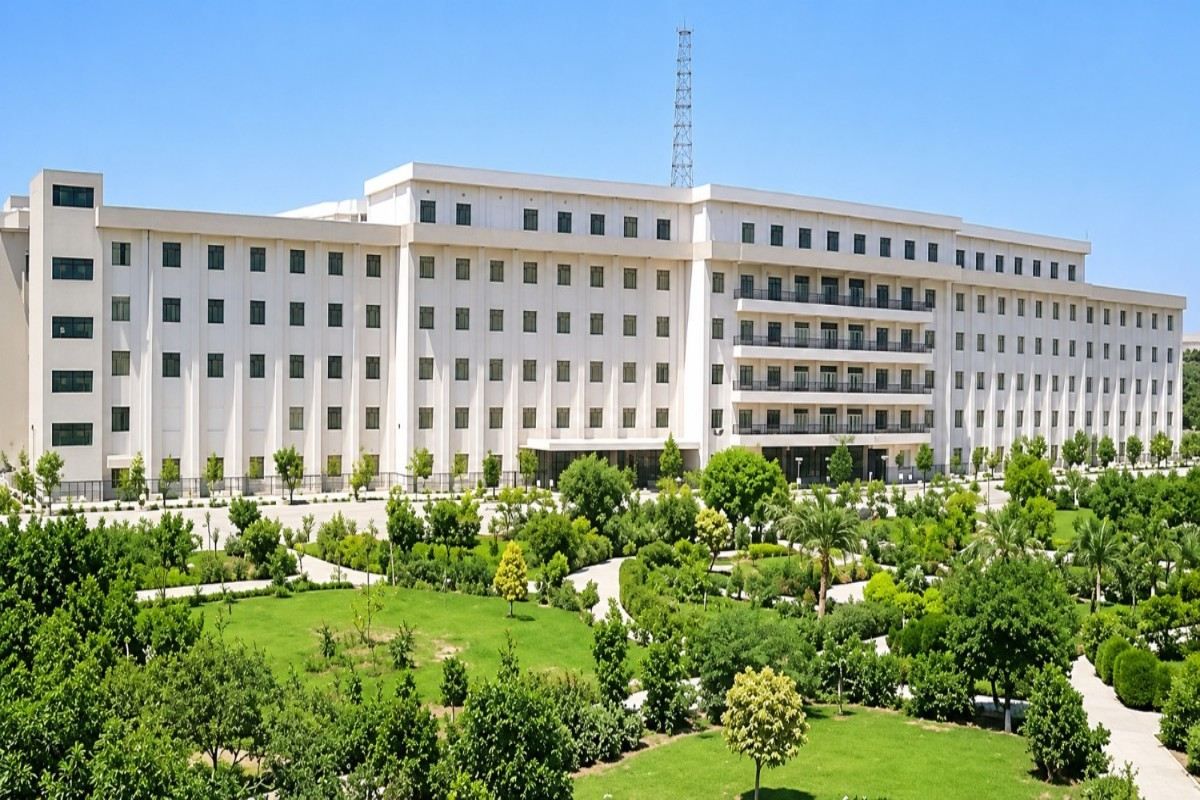
The faculty is located in Abbasia – one of the historic and crowded districts of Cairo. Thus, students have an opportunity to study in a major working city rather than in an academic city.
Thus, students can enjoy the historical and cultural attractions of Cairo such as the Nile, Islamic Cairo, and the Pyramids of Giza. Living costs in this city are not too high comparing with major international cities where you can study.
Living in hostels and living in general is cheaper than in many major metropolitan cities. That is one of the reasons why this faculty attracts many international students.
Although English is the medium of instruction in the international programs, Arabic is the primary language in hospital wards and in clinical practice. Thus, students have an opportunity to improve their language skills along with studying the subjects.
Also, the structure of the curriculum is quite specific. Contrary to newer medical schools, Ain Shams Faculty of Medicine puts more emphasis on scientific foundation at the beginning of the program.
Basic and para-clinical sciences are distributed for three years while the newest medical schools provide these subjects during two years. In the beginning, students study anatomy, physiology, pathology, pharmacology, and community medicine.
The most intensive clinical training takes place during the fourth and the fifth years. In this way, students start their clinical rotations with a good academic background.
The sixth year is rotating internship without any classroom training. At this point, students finish all academic courses and do not study anything else.
Some students can find these six years heavy due to the amount of scientific subjects. However, other students appreciate entering the clinical rotations with better knowledge of the basic medical sciences.
Finally, the value of the degree depends not only on reputation but also on recognition and licensing pathways. Just like graduates of any foreign medical school, Indian students should pass the requirements of the National Medical Commission and take appropriate examinations.
Ain Shams University Faculty of Medicine is included in the World Directory of Medical Schools. In this way, students preserve the possibility to use such licensing pathways as USMLE and PLAB for studying abroad.
Of course, these possibilities are not unique for Ain Shams Faculty of Medicine. However, the combination of international recognition, teaching hospital, high level of clinical education, and one of the largest medical faculties in the region make it a good and practical choice for studying medicine in Egypt.
No hidden charges, no donation. The full picture of costs at MBBS in Ain Shams University Faculty of Medicine.
Tuition Fee
Approximately USD 7,000-8,000 (Approx. Rs. 5.85 lakh-6.68 lakh)
USD 7,000-8,000 Approx. Rs. 5.85 lakh-6.68 lakh
Hostel Fee
Approximately USD 800-1,500 per year (Approx. Rs. 66,800-1.25 lakh)
USD 800-1,500 Approx. Rs. 66,800-1.25 lakh
Food & Meals
USD 1,200-1,800 Approx. Rs. 1.00 lakh-1.50 lakh
per month
Insurance
USD 250-400 Approx. Rs. 20,850-33,360
per year
Donation
No Donation
No Hidden Fees.
Total Estimated Cost
Approx. USD 55,000-70,000 for the complete 6-year programme
6-year
25–35%
Average FMGE first-attempt pass rates for students from many overseas medical universities. Students from structured programs consistently score higher.
Students returning to India need to clear the FMGE/NExT exam. MBBS in Ain Shams University Faculty of Medicine integrates exam-oriented coaching into the regular curriculum so students are prepared from day one.
A structured program that takes you from foundational sciences to clinical mastery.
• Introduction to professionalism, communication skills, and the healthcare system
• Human anatomy, histology, medical biochemistry, and normal human structure and function
• Systemic study of normal body function as a foundation for later disease-based learning
• Physiology, medical genetics, microbiology, immunology, and parasitology
• Early clinical exposure, history-taking practice, and introduction to diagnostic reasoning
• General and systemic pathology, pharmacology, and community and preventive medicine
• Training in radiology, clinical pathology, and forensic medicine alongside ward-based teaching
• Clinical rotations in internal medicine and general surgery at Demerdash Hospital and affiliated units
• Case-based assessment and preparation for the qualifying clinical examinations
• Rotations in paediatrics, obstetrics and gynaecology, psychiatry, ophthalmology, and ENT
• Independent patient management under supervision, ahead of licensing and NMC screening exams
• Supervised, hands-on rotating internship across major departments within university hospitals
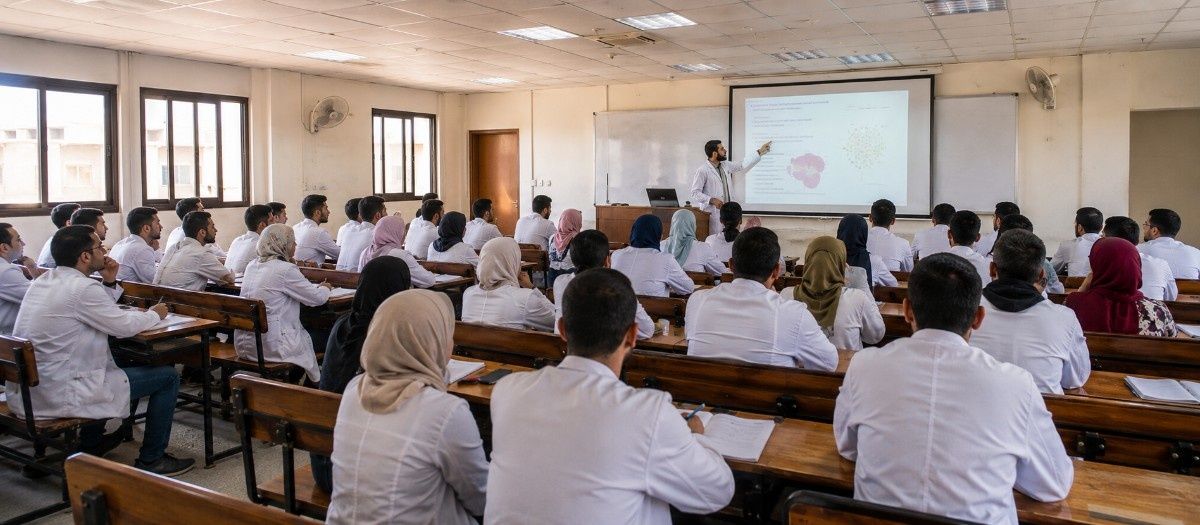
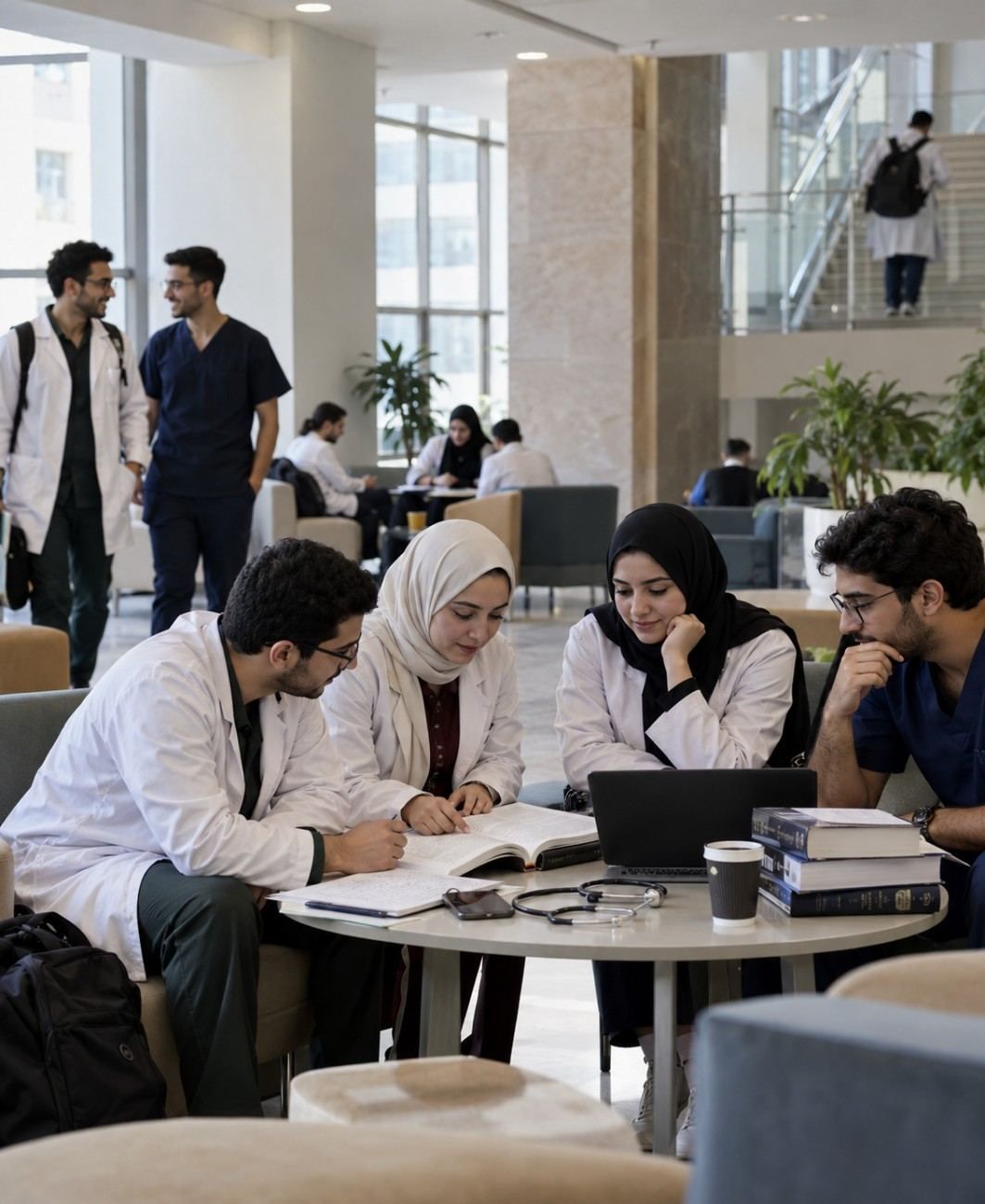
Furnished hostel rooms with Wi-Fi, laundry, 24/7 security, and Indian mess on or near campus.
Indian restaurants and mess facilities serving vegetarian and non-vegetarian home-style food daily.
Strong Indian community with cultural events, festival celebrations, and peer support groups.
Students get hands-on clinical training in government and private hospitals affiliated with the university.
Practical information for students planning to study at MBBS in Ain Shams University Faculty of Medicine.
Prepare for all seasons. Thermal wear for winters, light clothing for summers. University provides heating in hostels.
Student visa processed with university invitation letter. Direct and connecting flights from major Indian cities.
Health insurance included in fees. Medical facility on campus plus city hospitals easily accessible.
Local SIM cards available. WhatsApp and video calls keep you connected with family back home.
Average monthly expenses of $150–$250 covering food, transport, and personal needs.
University library, online databases, and study groups. Seniors mentor juniors through academic challenges.
Our team guides you through every step — from application to arriving on campus.
Our Egypt specialist provides an honest overview of Cairo University vs Ain Shams vs ERU, English-medium status, FMGE outcomes, safety assessment, and total cost comparison.
We provide the Egypt-specific checklist. All documents are verified before university submission.
Direct submission to the suggested university. Offer letter typically within 7–14 days.
Either the students or our team receives the offer, walks you through the terms, and manages the initial fee payment.
We manage visa applications to the Egyptian Embassy in New Delhi, a minimum of 6 weeks before departure
Cairo city orientation, accommodation, Egyptian transport, food, currency, safety zones, and first-week logistics.
We advise on routing to Cairo International Airport (CAI). Confirms arrival with the local team.
Our Cairo representative meets you at the airport. No student arrives unsupported.
Hostel check-in and university registration handled by AMW's local Egypt team.
Our team files the student residence permit at the Egyptian Ministry of Interior within your first weeks. Renewed annually.
Admission Helpline — Contact our counsellors for step-by-step assistance.
“The faculty here is incredibly supportive. The clinical training during hospital rotations has given me real confidence in patient care.”
“Affordable fees without compromising on quality. The campus facilities and hostel life made my transition abroad very smooth.”
“English medium instruction and WHO-recognized curriculum were the deciding factors for me. No regrets so far — excellent experience overall.”
“The university helped with everything from visa to accommodation. Hospital exposure from year three has been invaluable for my FMGE prep.”
“Just cleared my licensing exam on the first attempt. The structured coaching and mock exams during final year were a game-changer.”
“Safe campus, good food options, and a strong Indian student community. The teaching methodology is very practical and hands-on.”
A: Its teaching hospital, Demerdash, predates the faculty itself, giving it one of the longest-running clinical bases of any Egyptian medical school.
A: Yes. The international track is taught fully in English, though Arabic remains common on the hospital wards.
A: Yes. It is listed in major medical education directories, and graduates must clear NMC screening to practise in India.
A: Graduates from recognised medical schools may be eligible, provided they meet the respective examination boards' criteria.
A: Yes. Indian applicants must qualify NEET to be eligible for admission and for future recognition in India.
A: It serves as the faculty's primary teaching hospital, hosting most clinical rotations and the final-year internship.
A: Six years in total: five years of academic study followed by a mandatory one-year rotating internship.
A: Students live in Abbasia, a busy central Cairo district, with the Nile, historic Cairo, and the pyramids nearby.
A: Yes. University accommodation is available, with costs varying by whether the room is shared or individual.
A: Applicants typically need academic transcripts, a valid passport, NEET documentation, and completed application forms.
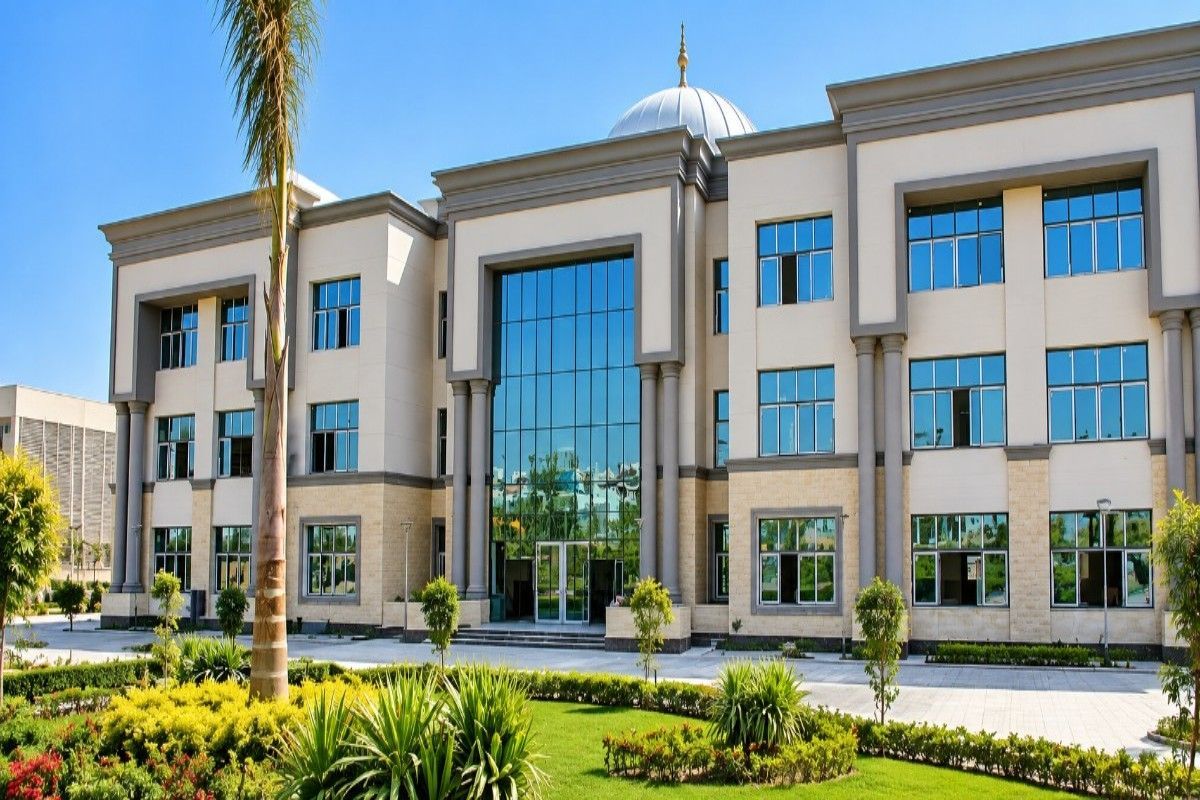
Our expert counsellors will guide you through the complete admission process — from documents to airport pickup.