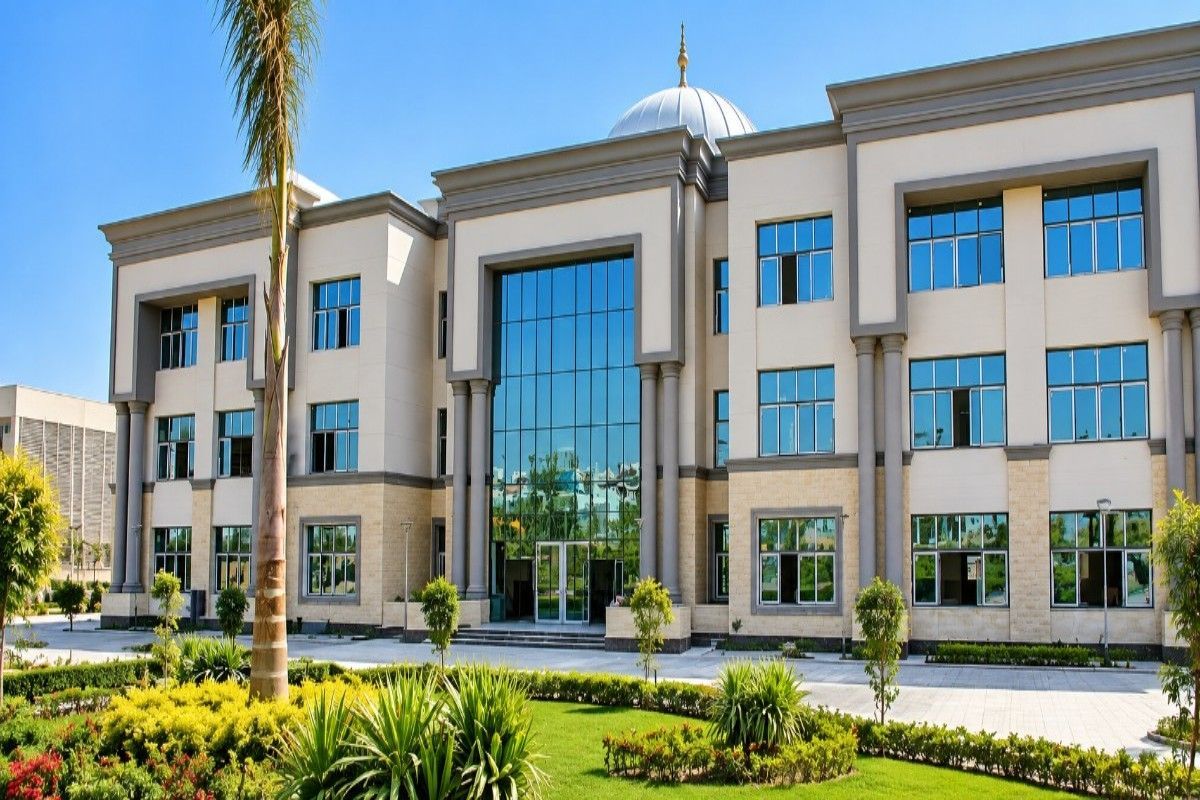
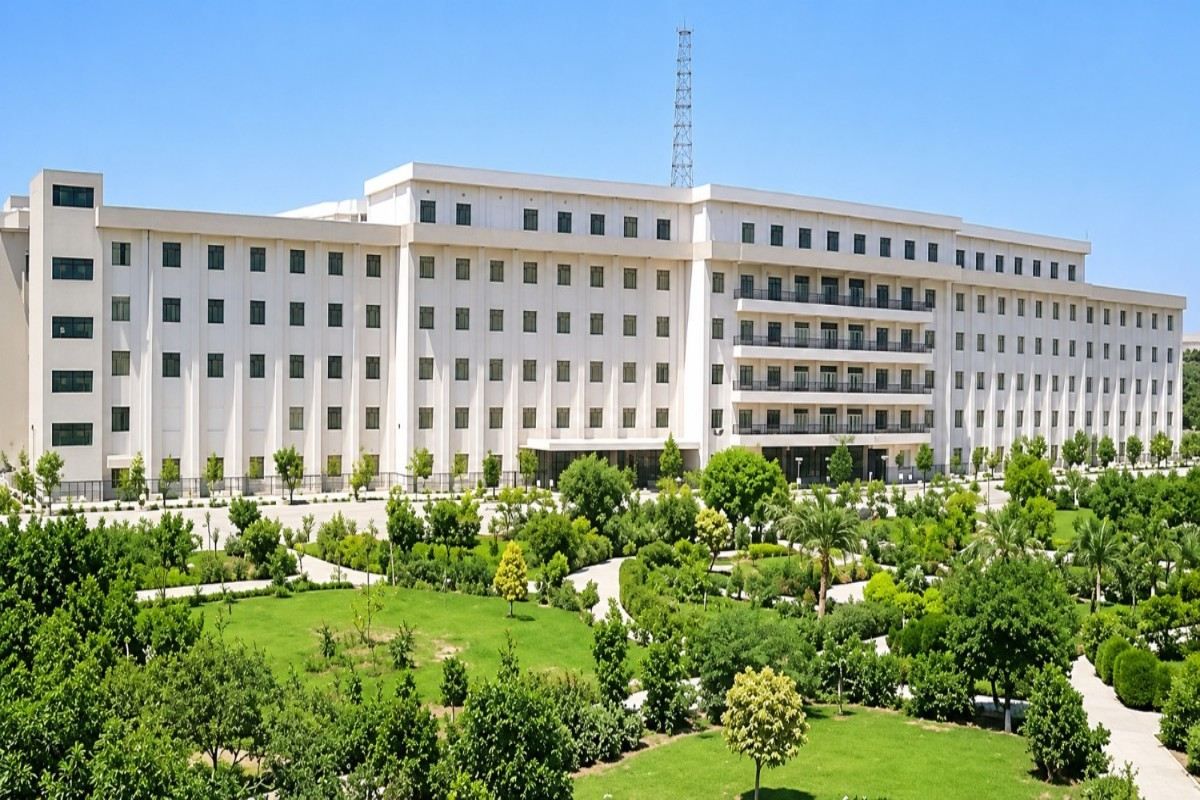
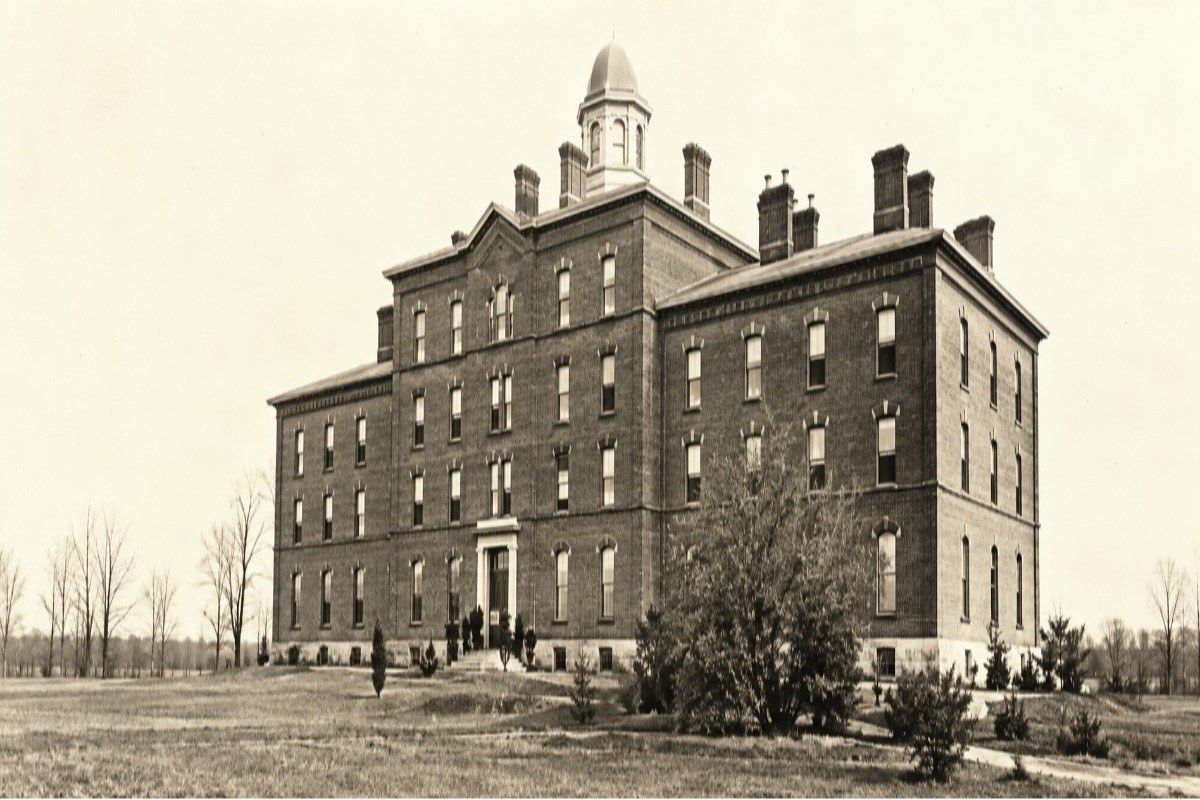
The Al-Azhar Faculty of Medicine for Men in Asyut is one of six gender-segregated medical faculties operated under Al-Azhar University's distinctive institutional structure \u2014 a structure unique among the universities in this guide, reflecting Al-Azhar's foundational identity as the Islamic world's oldest continuously operating centre of learning, formally established in 970\u2013972 CE alongside the Al-Azhar Mosque in historic Cairo. Al-Azhar University today operates parallel male and female faculties of medicine across three Egyptian cities \u2014 Cairo, Damietta, and Asyut \u2014 a structural choice rooted in the university's Islamic educational tradition that maintains separate but parallel academic tracks for men and women across many of its 81 faculties.
The Asyut campus places this men's Faculty of Medicine in the historic heart of Upper Egypt, in a city long recognised as the de facto capital of the region, with a network of teaching hospitals serving the surrounding governorate's population alongside its training mission. Like its female counterpart faculty in the same city, the Asyut men's programme combines standard biomedical and clinical medical training with foundational coursework in Islamic ethics and jurisprudence as they relate to medical practice \u2014 a curricular feature distinguishing Al-Azhar's medical faculties from Egypt's secular public universities, though the core biomedical and clinical curriculum itself follows recognised international standards and Egyptian Ministry of Higher Education requirements.
For international and Indian students, Al-Azhar's Asyut Faculty of Medicine for Men offers an academically and religiously distinctive option among Egyptian medical schools: NMC and WHO/WDOMS recognition consistent with Al-Azhar's broader medical faculties, tuition fees in line with Egypt's public university fee structure (with international rates set somewhat higher than for the religious studies faculties, given laboratory and clinical training costs), and a more traditional, conservative city environment in Asyut compared to Cairo's cosmopolitan pace. Asyut's connectivity via its own international airport and direct rail link to Cairo (approximately 5\u20136 hours) makes the city more accessible than its inland Upper Egyptian location might suggest.