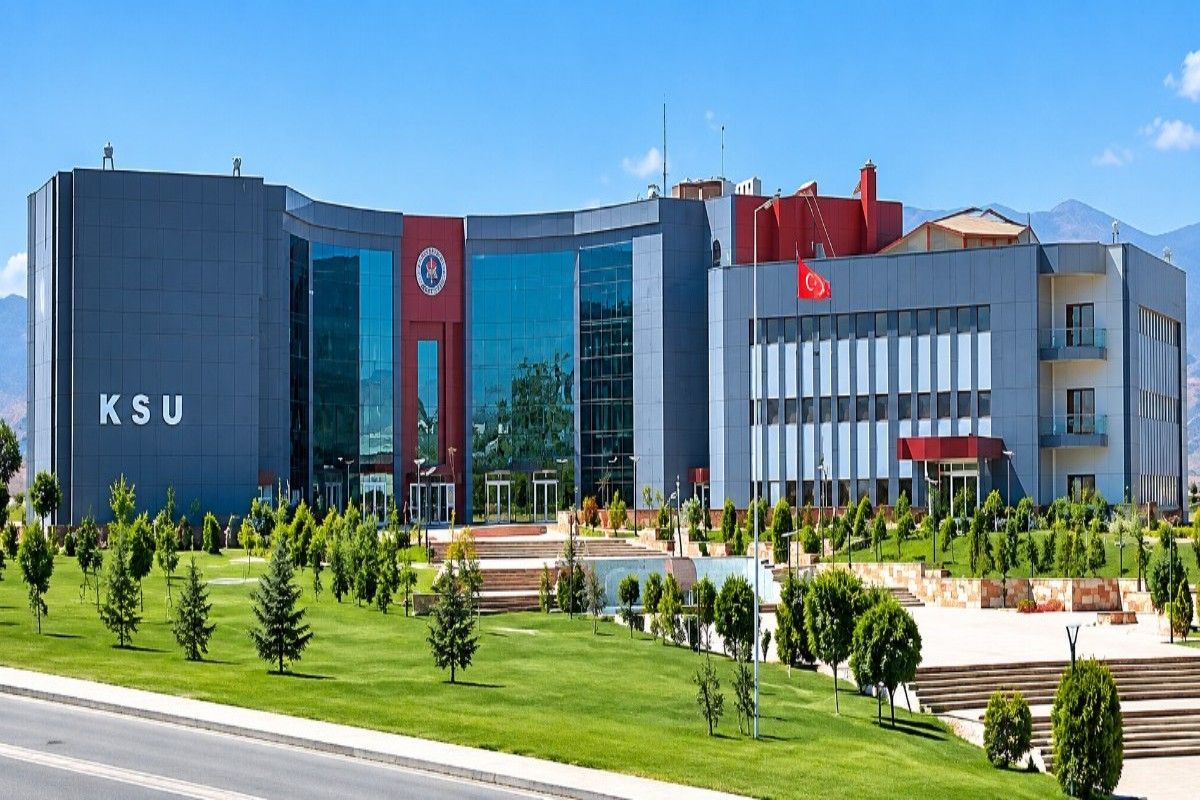
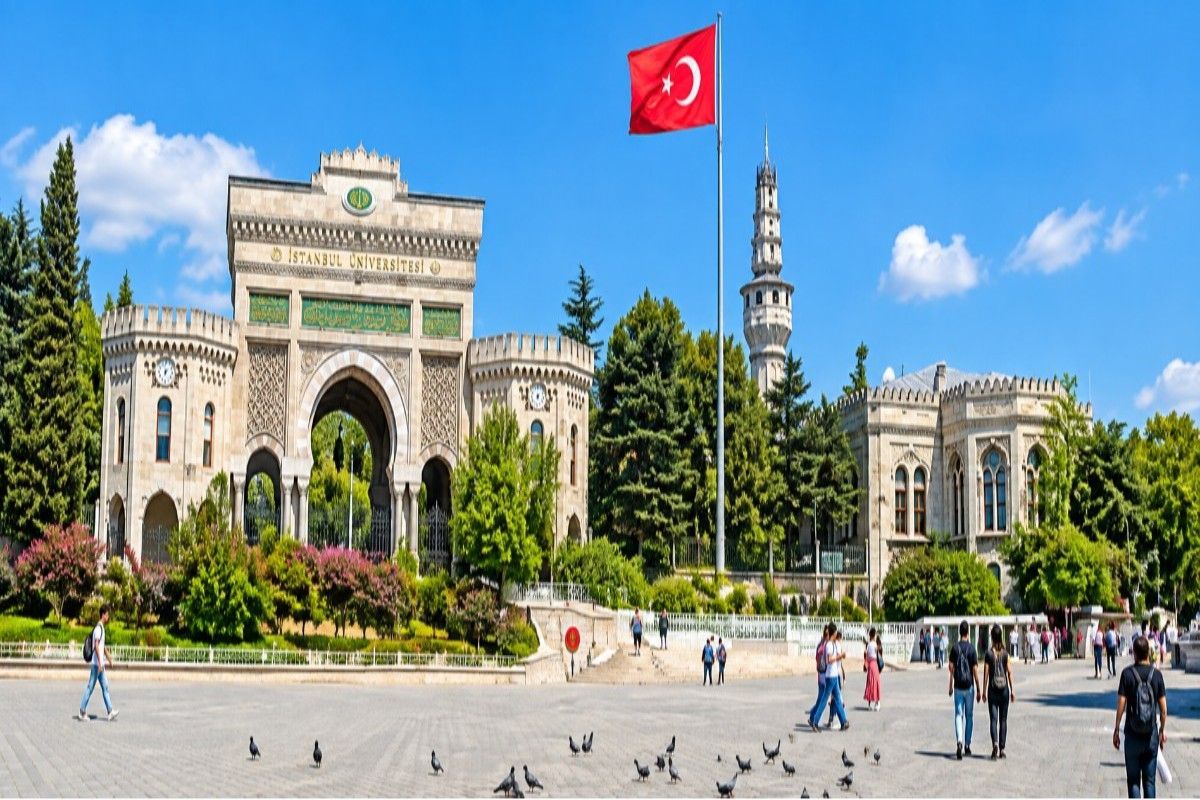
Amasya is in northern Turkey, close to the Black Sea in a narrow river valley. People love its old wooden Ottoman homes, rock tombs carved into the cliffs above the city, and long royal history as a place where young Ottoman princes learned how to be kings. Right now, this is where Amasya University's Faculty of Medicine is housed. For students, this feels more like a real small town than the busy medical hubs of Turkey, like Ankara or Istanbul.
The university is a fairly new public school as a whole. It opened in 2006, the same year that many other new state universities in Turkey's smaller provinces did. The point of this regional growth was to make medical school and other types of college more accessible to students who didn't live in the country's biggest cities. There are now departments in engineering, education, health studies, and many more at Amasya University than there were back then. One of the most well-known and closely watched parts of the university is the Faculty of Medicine.
The way Amasya teaches medicine is similar to how most Turkish medical schools work (Tıp Fakültesi). The course is a six-year, one-cycle program that leads directly to a full medical degree after the first year. The college and graduate programs are not different. This is similar to how things work in most of continental Europe. When someone graduates, they are called a medical doctor. They can get more specialized training through Turkey's residency system, or if they want to work somewhere else, they can get licensed there.
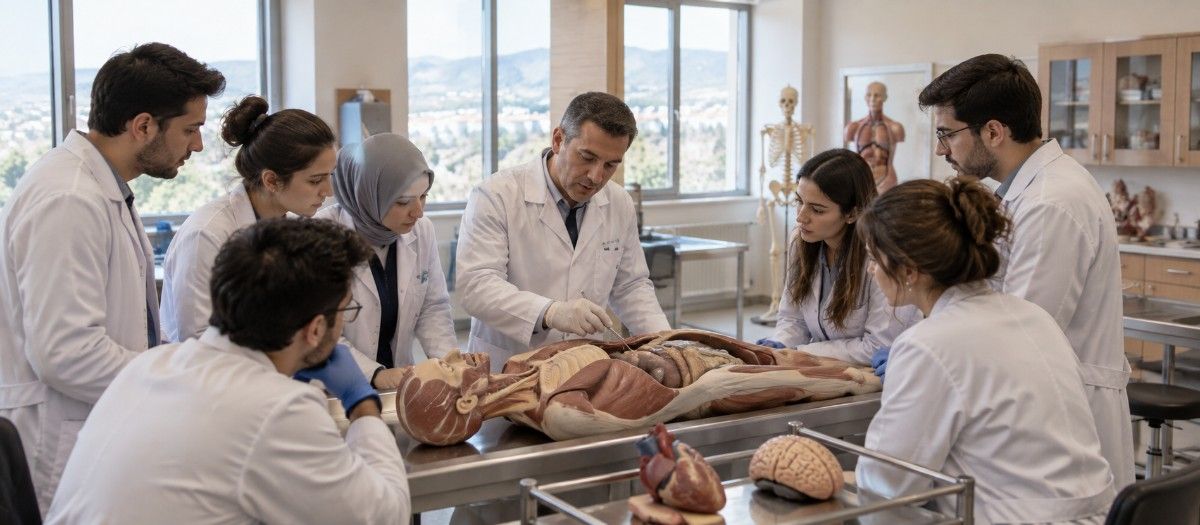
There are clear steps in the course. Science classes like anatomy, physiology, biochemistry, histology, and microbiology are taught to students for the first three years. They teach kids the science they need to know in order to become doctors. The next few years, students will learn more about general medicine, pathology, pharmacology, and areas that are used in the real world. They've been doing full clinical rotations in all the big areas for the past few years. Students go straight to hospital rooms in their last few years to work as supervised patients in areas like internal medicine, surgery, pediatrics, obstetrics and gynecology, and more.
Clinical training takes place at the teaching hospital connected to the university and at other hospitals in and around Amasya. In a mid-sized regional hospital, this gives students real-life training taking care of patients. A hospital in a small town is likely to handle a wider range of cases than a hospital in a big city. This means that students can get to know their supervising doctors better and get more one-on-one help during clinical training and ward rounds.
For students from outside of Turkey who are interested in this school, the language used for lessons is very important. A lot of the medical schooling at Amasya University is done in Turkish. At some medical schools in Turkey, there are separate tracks for international students that are in English only. While this is true for some Turkish universities, it is not true for all of them, and any student who wants to apply needs to get straight confirmation for Amasya. If a student doesn't speak Turkish well, they should find out this right away because it will tell them if this school is even a good fit for them.
Foreign students usually have to go through a different process to get into Turkish universities than Turkish citizens do. This is separate from the main national test that Turkish citizens take. The YÖS exam is something that many Turkish universities make foreign applicants take. It is a test that was made just for students applying from outside of Turkey. Also, applicants should have done well in high school science classes. You should talk to the university's international admissions office to find out what the exact rules are right now, since these rules can change from year to year. To give you an example, you should find out if Amasya only needs YÖS or if they also accept other things like SAT numbers.
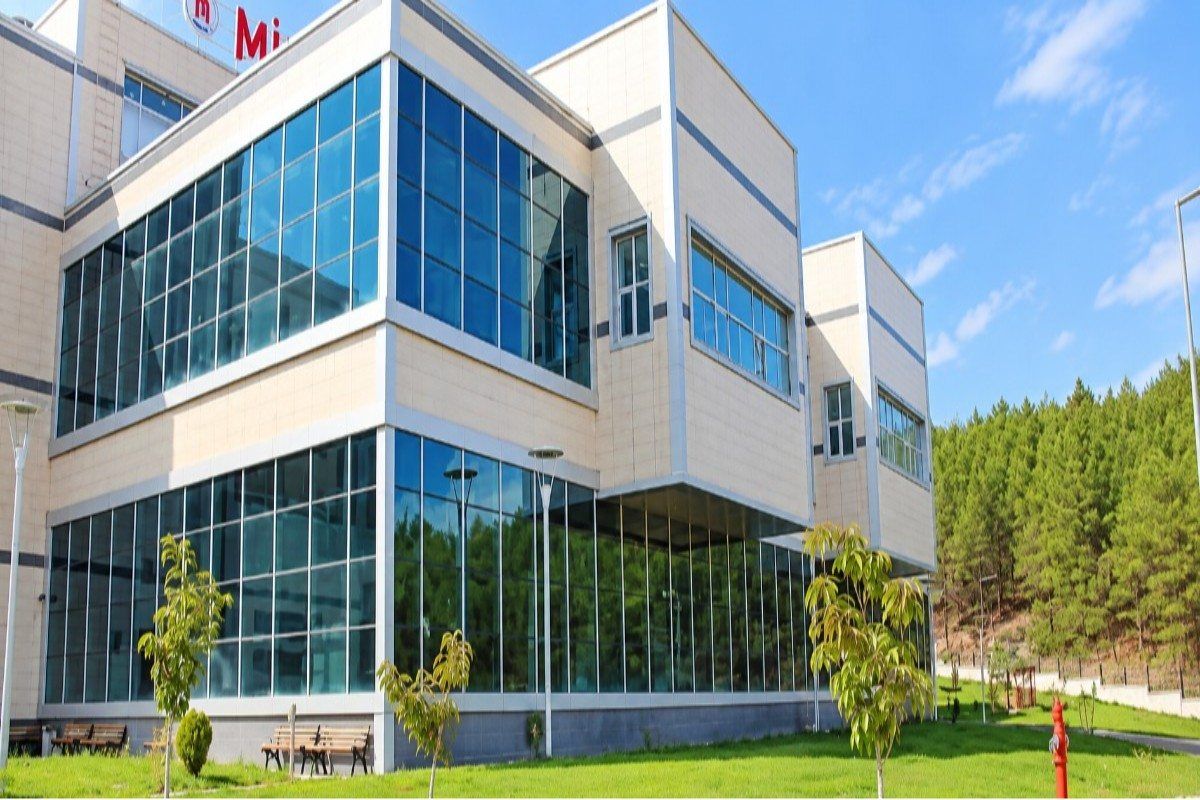
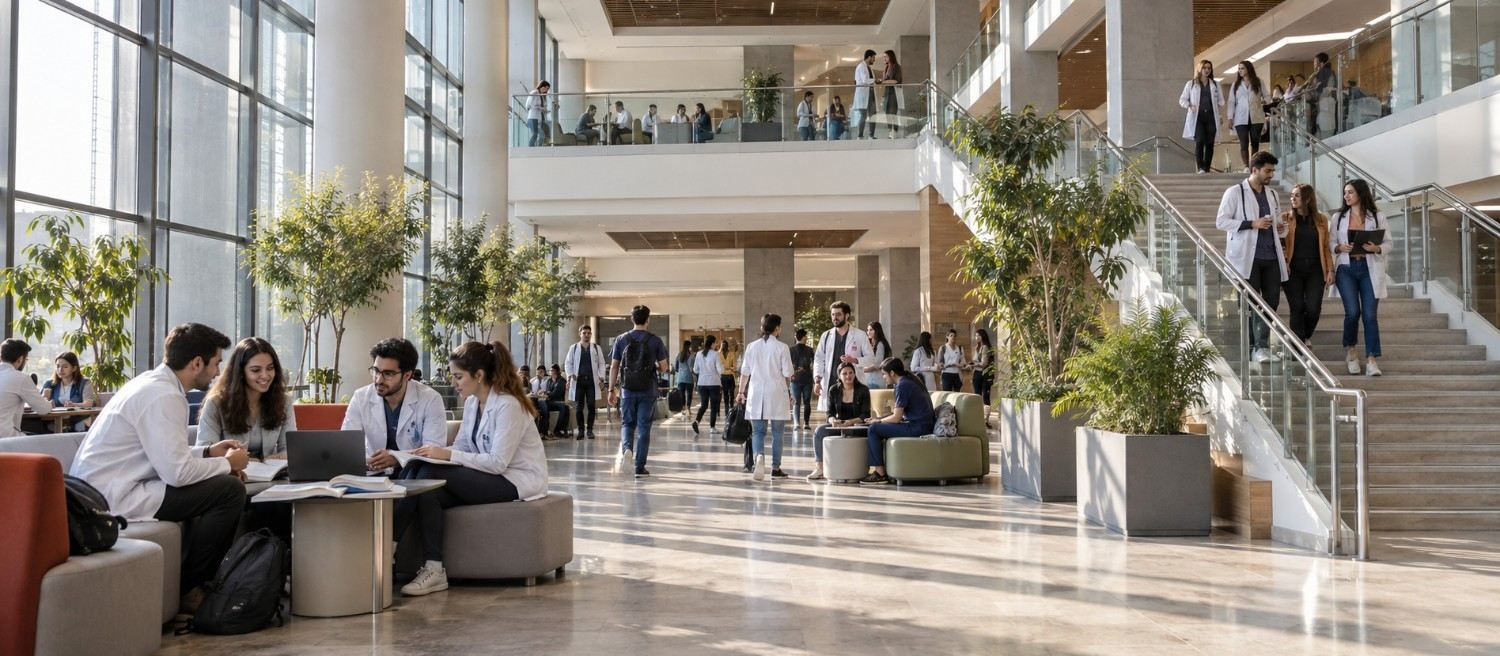
The medical school at Amasya University has classrooms, areas for learning about anatomy and skills, and a library that everyone on campus can use. A lot of this equipment was made for modern ways of teaching since the university and medical school are fairly new. It wasn't taken from older buildings. It was made to meet the standards for medical education today.
The prices at Amasya University are the same as those at other public universities in Turkey for international students. Even though these fees are higher than the fees that students in Turkey have to pay, they are much cheaper than the fees that many medical schools in Western Europe and North America charge. You should call the university directly to find out the exact present cost of tuition for the Faculty of Medicine. This is because the fees that foreign students pay to attend a public university in Turkey depend on their country of origin and the year they apply.
The degree is valid because it follows Turkey's national medical education system, which is run by the Higher Education Council (YÖK) and the Turkish Medical Association. If graduates want to work in other countries, they need to look into how to get a license and be recognized there. If an Indian medical student wants to go back home after graduation, they should check with the National Medical Commission to see what the rules are right now. Foreign medical graduates must pass the FMGE or NExT exam before they can work in India. It doesn't matter what country they got their medical degree from.
Instead of living in one of Turkey's busy student towns, you can live in Amasya, which is quiet and full of history. Along the Yeşilırmak river is the city's old town. People say that the city feels like a museum because of the unique rock-cut tombs of Pontic kings that are carved into the rocks above. Since Amasya is smaller and feels more like a small town, it usually costs less to live here than in Istanbul, Ankara, or any of Turkey's other big coastal cities. Over the course of six hard years, this can make a big difference.
The Faculty of Medicine at Amasya University is one of the few regional options for students who want to get a medical degree in Turkey in a really historic, smaller provincial city and who speak Turkish well or can confirm with the university that there is a good English-medium pathway. This is because it is one of the few regional state medical schools in Turkey. Because the exact fees, how to apply, and the language of instruction can change from year to year, you should still get direct, up-to-date confirmation from the university's own foreign office before you apply.