
1. Is this program taught in English?
+Yes, Altınbaş offers a dedicated English-medium track for international students, a genuine distinction compared to many Turkish public universities.
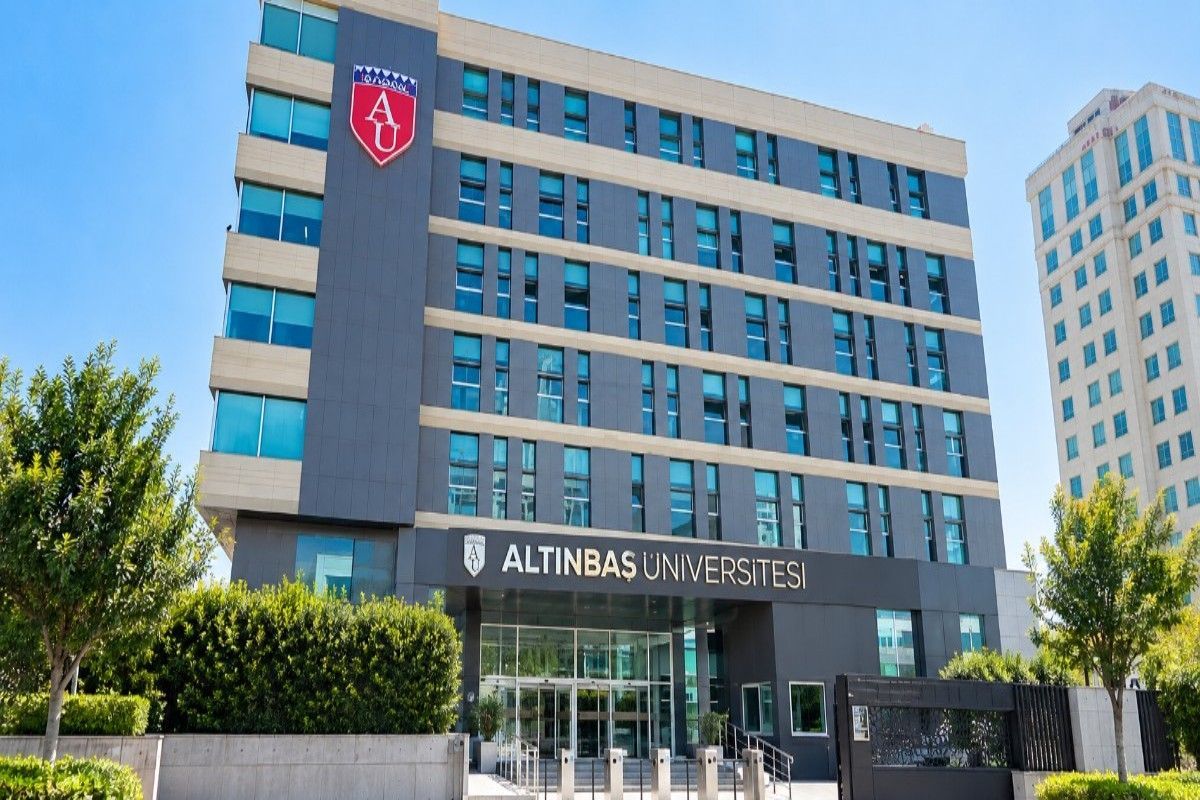
 Turkey | Est. 2013
Turkey | Recognised by Turkey's Higher Education Council (YÖK); generally listed in the World Directory of Medical Schools (WHO/WFME/FAIMER) for YÖK-recognised medical faculties. | English medium
Expert will call you within 2 hours
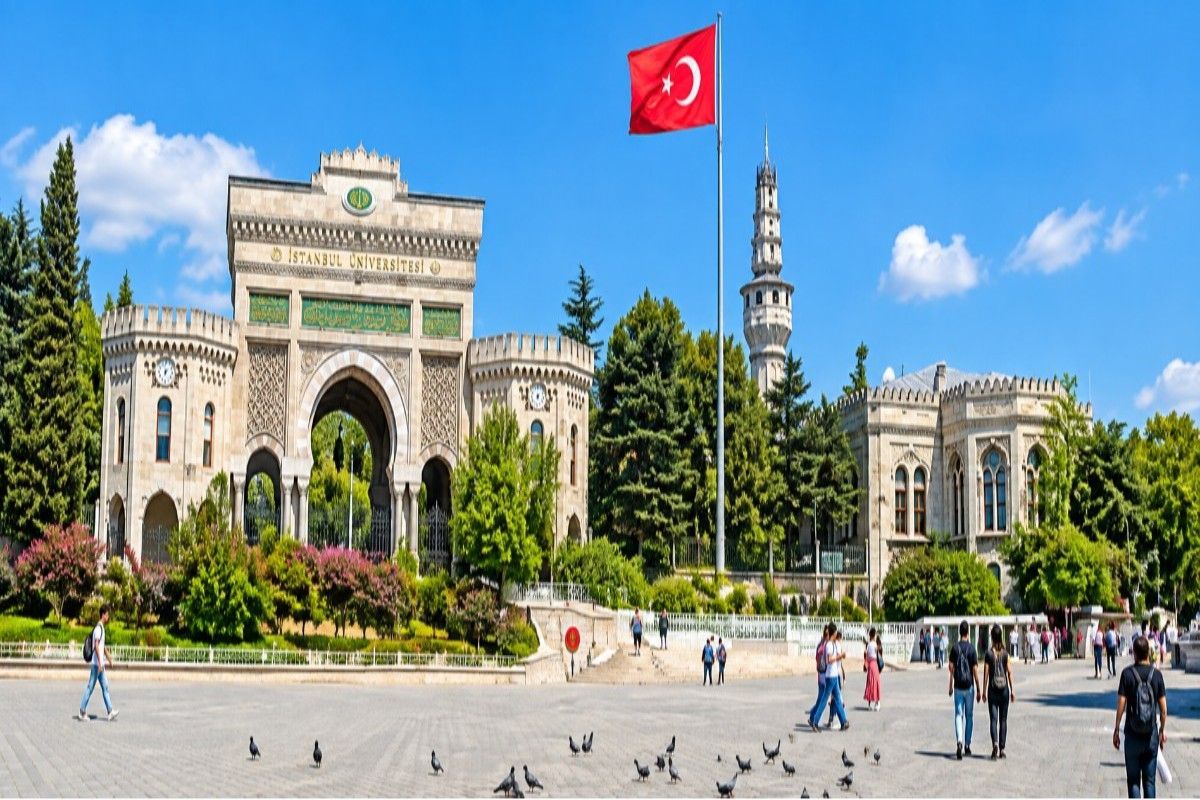
Altınbaş University is a private, non-profit school in Istanbul, which is the country's biggest city and a cultural and business hub. The university was created as part of a larger shift in Turkey toward more private higher education. Business, medicine, engineering, and health studies are just some of the subjects that it has built over the years. In Istanbul's already busy college scene, this makes it stand out as a modern school with a focus on the world. Its School of Medicine feels just as modern. It was built with modern tools and materials, and its lessons are based on the most recent global standards for medical education.
It takes six years to get a Doctor of Medicine from the Faculty of Medicine. In a lot of other countries, this program is a lot like the MBBS program. You can get both degrees at the same time if you study for both the pre-clinical and clinical track. There is a private university in Turkey called Altınbaş that tries to get students from other countries. Other students can learn in English, and Turkish students can learn in Turkish. It's great that they can teach in English. In Turkey, this isn't always possible at public universities because there aren't as many or as many English-language medical schools.
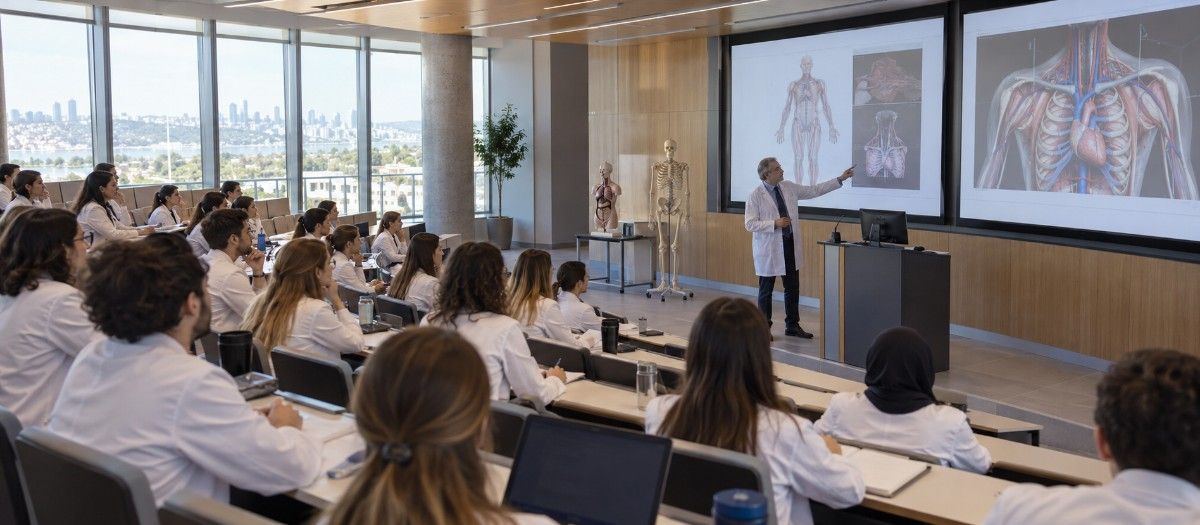
The show is set up the same way that most medical schools in Turkey and other countries with similar systems do things. For example, if you want to become a doctor, you will need to know about anatomy, physiology, biochemistry, histology, and microbiology. You learn these things in the first three years. In the coming years, students will get more hands-on experience in the fields of surgery, pediatrics, psychiatry, obstetrics and gynecology, and internal medicine. Some of the places they will work during their rotations are teaching hospitals and clinical partner sites in Istanbul that are linked to the university.
As part of the hospitals in Istanbul that are part of Altınbaş University, students get real-life experience. This makes sense since Istanbul is one of the biggest cities in Europe and a major healthcare hub for the area. It lets them see a wide range of patients. Medical students at Altınbaş get to train in Istanbul, which is a bigger city with better medical tools than the countryside in Turkey. This lets them learn about a lot of different conditions and specialties.
Most of the time, Altınbaş's own international admissions office lets international students in. If the applicant is from a certain country and has already gone to school, this office may also look at their high school science grades, academic transcripts, and sometimes a score from an accepted international qualifying exam, such as the SAT, or the university's own entrance test. There is a way for students from other countries to get into Altınbaş, which is a private university. In general, it is easier to understand and follow how to get into a foreign school than at some public universities in Turkey.
YÖK, which is Turkey's main higher education governing body, has given Altınbaş University its seal of approval. It also has a Faculty of Medicine that is listed in the World Directory of Medical Schools. As a reference, FAIMER and the World Federation for Medical Education put together this list of medical schools from around the world. Before enrolling, people who have graduated and want to work outside of Turkey should check with their home country's government to make sure that this faculty is accepted.
In Turkey, tuition at Altınbaş is more expensive than at the public medical schools because it is a private university. People who own our school have put money into new buildings, services for international students, and English language classes, which makes it unique. Most of the time, living in Istanbul costs more than living in other Turkish cities. But the cost of life isn't the same everyplace. You might be in Istanbul, but it's still cheaper than many capital cities in Western Europe.
The National Medical Commission says that an Indian student who wants to study medicine in another country must have a well-known NEET qualification. In India, college graduates must also pass a screening test called FMGE or NExT before they can work as doctors. No matter where they work, all foreign medical grads must follow this road.
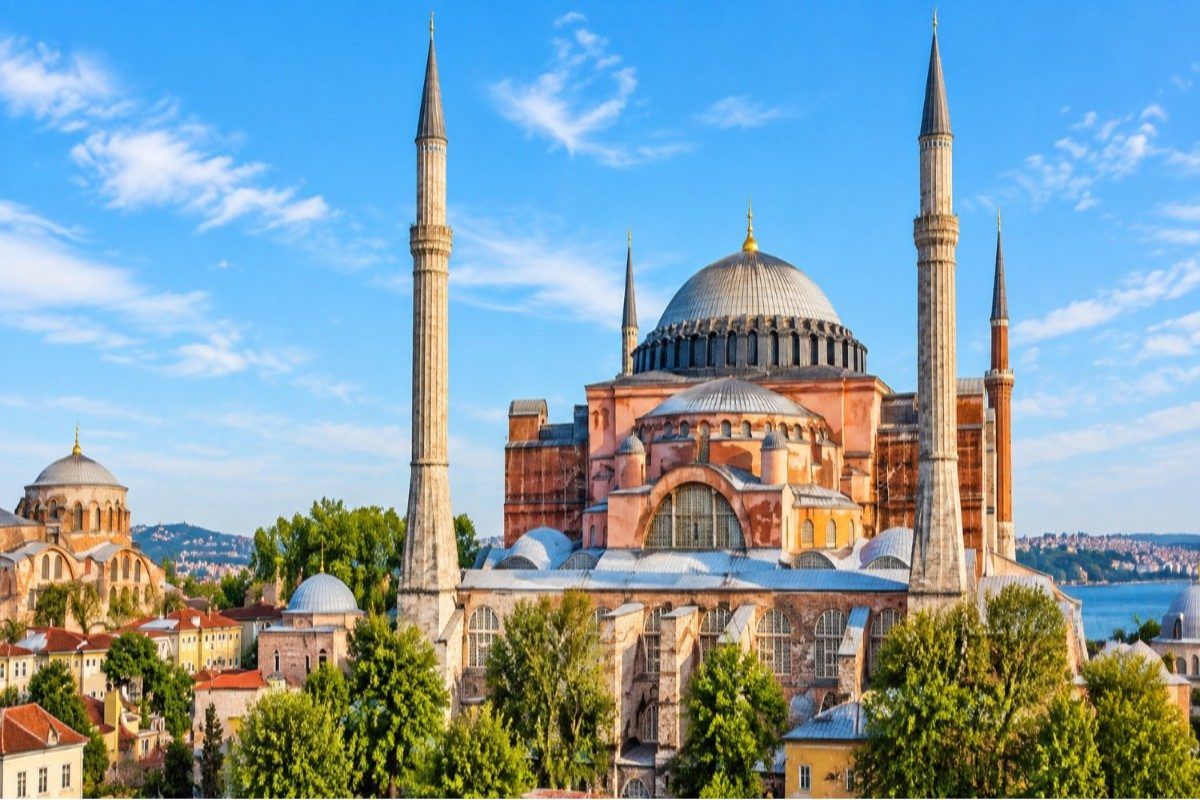
Because of its role as a genuinely global city that crosses the divide between Europe and Asia across the Bosphorus, Istanbul is the most perfect site for students to pursue their education in Turkey when it comes to the country of Turkey. Furthermore, it has a vast history that goes back hundreds of years to the times of the Byzantine Empire, the Ottoman Empire, and the current Turkish Republic. This history dates back to the time when the Turkish Republic was founded. There are a great number of places in Turkey where one can obtain knowledge in the field of medicine. You can find anything you need, even in a major metropolis like Istanbul, which is often regarded as one of the best cities in the world.
The university of Altınbaş, which is situated in one of the most prestigious towns in the world, is home to a modern and private medical school that provides its students with a true English-language alternative at their disposal. Ankara is an ideal place for students who are interested in pursuing a career in medicine because of its size, its rich history, and its accessibility. In addition, this is an excellent alternative to take into consideration if you are not troubled by the high cost of tuition at private universities and are searching for an admissions procedure that is less complicated than the one that is used at some public schools.
No hidden charges, no donation. The full picture of costs at MBBS in Altinbas University Faculty of Medicine.
Tuition Fee
Approx. USD 12,000-16,000 per year (approx. INR 10.04-13.39 lakh)
USD 12,000-16,000 per year
Hostel Fee
Approx. USD 12,000-16,000 per year (approx. INR 10.04-13.39 lakh)
USD 3,000-4,500 per year
Food & Meals
USD 2,800-3,600
per year
Insurance
USD 400-600
per year
Donation
No doantion fee
No hidden fee
Total Estimated Cost
Approx. USD 109,200-148,200
6 Years
25–35%
Average FMGE first-attempt pass rates for students from many overseas medical universities. Students from structured programs consistently score higher.
Students returning to India need to clear the FMGE/NExT exam. MBBS in Altinbas University Faculty of Medicine integrates exam-oriented coaching into the regular curriculum so students are prepared from day one.
A structured program that takes you from foundational sciences to clinical mastery.
Foundational medical sciences, including anatomy, physiology, biochemistry, histology, and microbiology.
Anatomy, Histology, Biochemistry, Medical Biology
Clinical training across internal medicine, surgery, paediatrics, obstetrics and gynaecology, and psychiatry, delivered through affiliated teaching hospitals and clinical partner sites across Istanbul.
Physiology, Microbiology, Pathology, Pharmacology
Students handle patient cases with increasing responsibility.
Final year practical training and structured exam preparation.
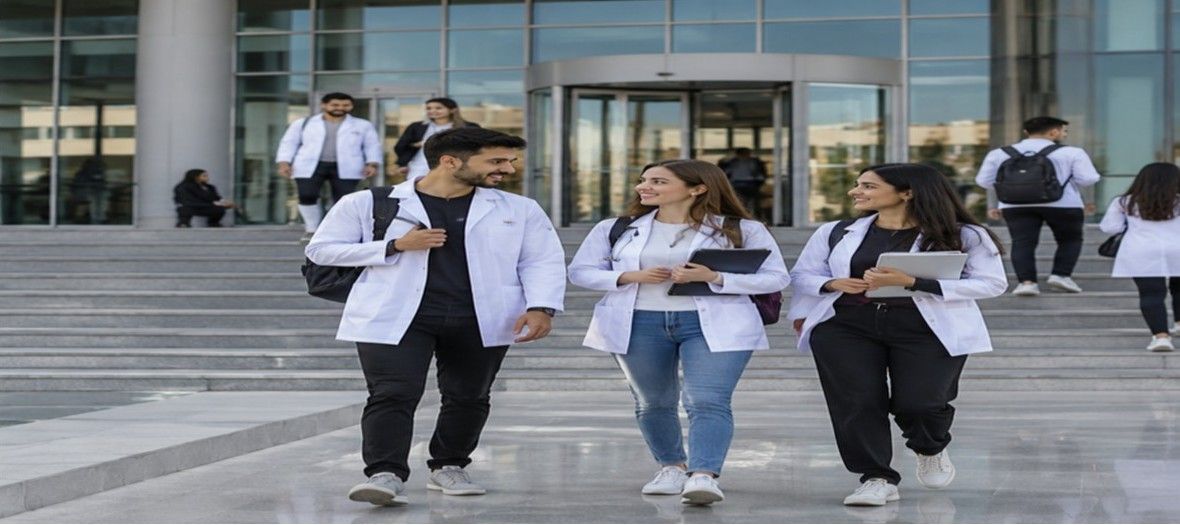
Furnished hostel rooms with Wi-Fi, laundry, 24/7 security, and Indian mess on or near campus.
Indian restaurants and mess facilities serving vegetarian and non-vegetarian home-style food daily.
Strong Indian community with cultural events, festival celebrations, and peer support groups.
Students get hands-on clinical training in government and private hospitals affiliated with the university.
Practical information for students planning to study at MBBS in Altinbas University Faculty of Medicine.
Prepare for all seasons. Thermal wear for winters, light clothing for summers. University provides heating in hostels.
Student visa processed with university invitation letter. Direct and connecting flights from major Indian cities.
Health insurance included in fees. Medical facility on campus plus city hospitals easily accessible.
Local SIM cards available. WhatsApp and video calls keep you connected with family back home.
Average monthly expenses of $150–$250 covering food, transport, and personal needs.
University library, online databases, and study groups. Seniors mentor juniors through academic challenges.
Our team guides you through every step — from application to arriving on campus.
Share your NEET score, academic record, and budget. Our Turkey specialist provides an honest assessment comparing Turkey with Georgia, Armenia, and Russia and, within Turkey, identifies the right university based on NMC recognition status, clinical quality, preferred city, and total cost. NMC status verification is the first step for every Turkey recommendation.
AMW submits your application to the selected university with all required documents. Most Turkish private medical universities for English-medium programmes do not require a separate university entrance exam beyond NEET, though some require YÖS. AMW advises on this for each specific university. Offer letters are typically issued within 2–4 weeks.
AMW assists with your Turkish student visa application a straightforward process for Indian nationals. Required documents include a university acceptance letter, financial means documentation, health insurance, and a biometric appointment at the Turkish Embassy in India. Processing typically takes 3–6 weeks.
AMW coordinates travel planning and arranges airport pickup in Istanbul or Ankara. Our local Turkey representative handles hostel check-in, university registration, and city orientation. Support continues throughout the first month.
Admission Helpline — Contact our counsellors for step-by-step assistance.
“The faculty here is incredibly supportive. The clinical training during hospital rotations has given me real confidence in patient care.”
“Affordable fees without compromising on quality. The campus facilities and hostel life made my transition abroad very smooth.”
“English medium instruction and WHO-recognized curriculum were the deciding factors for me. No regrets so far — excellent experience overall.”
“The university helped with everything from visa to accommodation. Hospital exposure from year three has been invaluable for my FMGE prep.”
“Just cleared my licensing exam on the first attempt. The structured coaching and mock exams during final year were a game-changer.”
“Safe campus, good food options, and a strong Indian student community. The teaching methodology is very practical and hands-on.”
Yes, Altınbaş offers a dedicated English-medium track for international students, a genuine distinction compared to many Turkish public universities.
Admission generally runs through the university's international admissions office, which may include an accepted international qualifying score (such as SAT) or the university's own entrance assessment, depending on the applicant's background.
Approximately USD 12,000–16,000 per year, reflecting the university's private status, generally higher than Turkey's public medical faculties.
Yes, mandatory, consistent with National Medical Commission rules for studying medicine abroad.
Yes, generally, through Turkey's Higher Education Council (YÖK) and typical listing in the World Directory of Medical Schools for YÖK-recognised faculties. Confirm specific recognition status with your home country's regulatory body.
Across Altınbaş University's affiliated hospital network in Istanbul, giving students exposure to a large, varied patient population.
Its private status generally means a more streamlined, clearly documented international admissions process and a genuine English-medium track, in exchange for meaningfully higher tuition.
A major global metropolis spanning Europe and Asia, with centuries of Byzantine, Ottoman, and modern Turkish history, offering resources and connectivity few other Turkish cities can match.
Standard pathways include practising within Turkey, or returning to India to sit the FMGE/NExT exam, or pursuing other international licensing routes, subject to each destination's own requirements.
Current tuition fees, the specific admissions requirements for your country of origin, and the exact structure of the English-medium track, since program details can shift by intake year.
Our expert counsellors will guide you through the complete admission process — from documents to airport pickup.