The Faculty and What It Actually Is
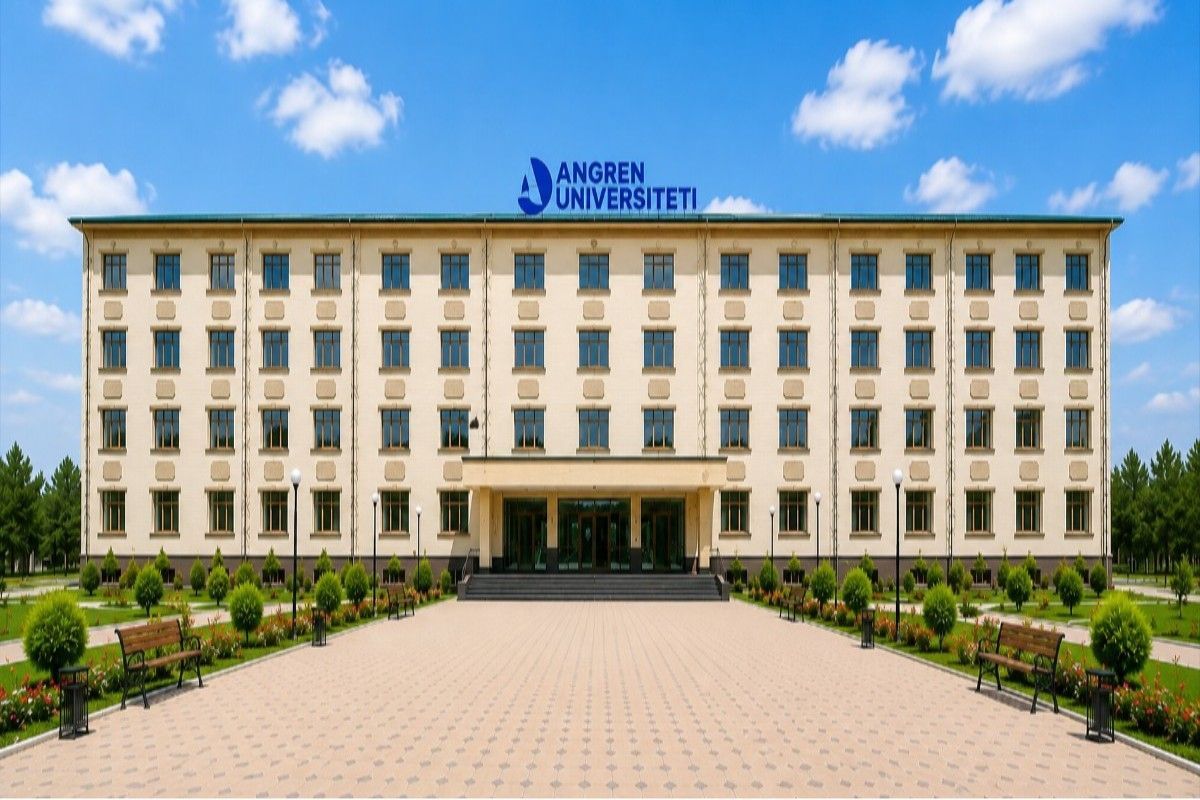
Angren University is a public, multidisciplinary institution in Angren, an industrial town in Tashkent region roughly 110 km southeast of Tashkent city, established in the early 2020s to expand higher-education capacity outside the capital. This is a genuinely important distinction for anyone comparing university listings: Angren University is not located in Tashkent city itself, despite frequently being marketed under headings like 'Angren University, Faculty of Medicine, Tashkent,' which conflates the regional label ('Tashkent region') with the capital. Applicants expecting the amenities, hospital density, and international-student infrastructure of Tashkent city should recalibrate expectations for a smaller regional industrial town instead.
Independently verifiable detail on Angren University is thin. Some agent sites carry a claim that the institution traces to 1955 as the 'Angren Technological Institute'; more recent, independently sourced material (including general reference compilations on Uzbekistan's university system) instead describes Angren University as a public institution established in the early 2020s offering medicine, engineering, economics, and IT, serving over 5,000 students regionally. These two accounts don't obviously describe the same continuous institution, and neither is confirmed by a primary university source with a clear founding-date statement for the medical faculty specifically. Prospective students should ask Angren University directly, in writing, for the medical faculty's actual founding year and its first graduating cohort date, rather than relying on secondary marketing pages.
Location and Campus
Angren is a mid-sized industrial city (coal mining, chemicals, light manufacturing) in Tashkent region, connected to Tashkent by road and rail. It is not a traditional university town, and day-to-day student life, restaurant options, and expatriate infrastructure will look markedly different from Tashkent city or Samarkand.
Course Structure and Duration
As with other Uzbekistan medical faculties, the programme is understood to follow the standard 6-year MD-equivalent structure (approximately 5 years coursework plus a 1-year rotating internship), taught in English for the international cohort. Angren University has not published a detailed, English-language curriculum breakdown by year that could be independently verified at the time of writing, so year-by-year specifics below are presented at the general Uzbekistan-model level rather than as Angren-specific confirmed detail.
Admission Process
Uzbekistan's international-track medical admissions are generally document-based: a 10+2 qualification with Physics, Chemistry, and Biology, plus NEET qualification for Indian applicants under NMC's FMGL regulations. There's no indication of an Angren-specific entrance exam beyond this standard document-and-eligibility route common across the country's newer medical faculties.
Why This Faculty Deserves a Closer Look Than the Brochures Suggest
Myth: "Angren University is in Tashkent" — It is in Angren city, Tashkent region, roughly two hours from Tashkent city itself. The regional label gets folded into marketing copy in a way that can mislead students about actual location, commute times, and access to capital-city hospital infrastructure.
Myth: "Established since 1955" — This claim, repeated across several MBBS-consultancy pages, doesn't reconcile cleanly with more general reference material describing Angren University as a public institution founded in the early 2020s. Given the contradiction, this should be treated as unverified rather than repeated as settled fact, and applicants should request the medical faculty's actual establishment date directly from the university.
Myth: "A listing in an MBBS-abroad directory equals recognition" — As with most newer Uzbekistan medical faculties, appearing on aggregator and consultancy sites isn't the same as confirmed NMC institutional recognition or a track record of graduates clearing FMGE. This should be verified independently, not assumed from a listing.
Honest Assessment
Angren University's Faculty of Medicine sits in a genuine information gap: it's part of a real, government-recognised multidisciplinary public university with several thousand students, operating in a real regional industrial city, but there is very little independently verifiable English-language documentation of the medical faculty specifically — its founding year, faculty strength, teaching hospital partnerships, or graduate outcomes. That data gap is the single most important fact for a prospective student to register, and it should be closed through direct correspondence with the university (and ideally a site visit or verified alumni contact) before any commitment, rather than through consultancy marketing copy, however confident that copy sounds.
Student Life and Practical Considerations
Campus-level — Angren University operates as a multidisciplinary public campus in Angren city; specific medical-faculty facilities, laboratory infrastructure, and hostel capacity are not independently documented in English-language sources at the time of writing.
City-level — Angren is an industrial city with a modest population base; it offers a lower cost of living than Tashkent but correspondingly fewer amenities, restaurants, and expatriate services.
Transport — Angren connects to Tashkent by regional bus, shared taxi, and rail, typically a 1.5–2 hour journey; local transport within the city is limited compared to the capital.
Visa and Registration — Standard Uzbekistan international-student visa and post-arrival migration registration requirements apply, as they do across all Uzbekistan institutions.