
Q1. When was Badr University in Cairo established?
+Most sources cite 2014, though a small number of older listings mention 2012 instead. The exact year its School of Medicine opened isn't clearly published.
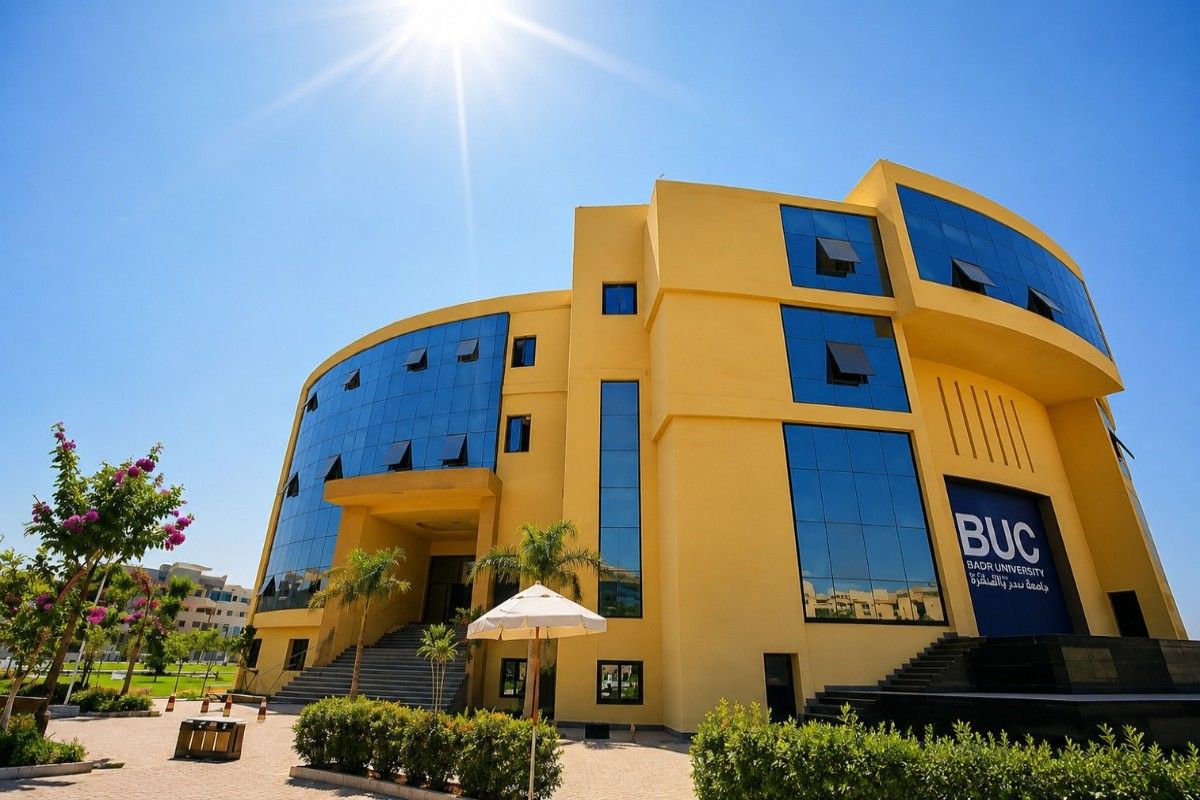
 Egypt | Est. 2014
Egypt | Programmes are accredited by Egypt's Supreme Council of Universities. Some consultancy sources describe WDOMS listing and NMC recognition for the medical programme, though this should be independently confirmed directly. | English runs through the medical programme medium
Expert will call you within 2 hours
The University and What Makes It Different
People mostly just call it BUC for short. Most sources agree it was founded in 2014, though one or two older listings mention 2012 instead, so this college is still genuinely young, sitting just over a decade old at most. Egypt's Ministry of Higher Education classifies BUC as a private, non-profit university, one of a growing wave of newer private colleges that have opened across Cairo's outer districts over the past fifteen years.
The story behind BUC is worth knowing, since it explains a lot about how the college positions itself. BUC is the first higher-education venture from CIRA, short for Cairo for Investment & Real Estate Development, a large private group that already ran a network of schools across Egypt, including the Future Schools and British Columbia Canadian International Schools. Back in 2010, a group of students graduating from CIRA's own Future Schools approached the group's chairman, Dr. Hassan El Kalla, and asked him to consider building a university that matched the standard of education they'd experienced growing up. That request became BUC. So, unlike many universities built purely as investment projects from the outset, this one traces back to a specific, documented request from its own future students.
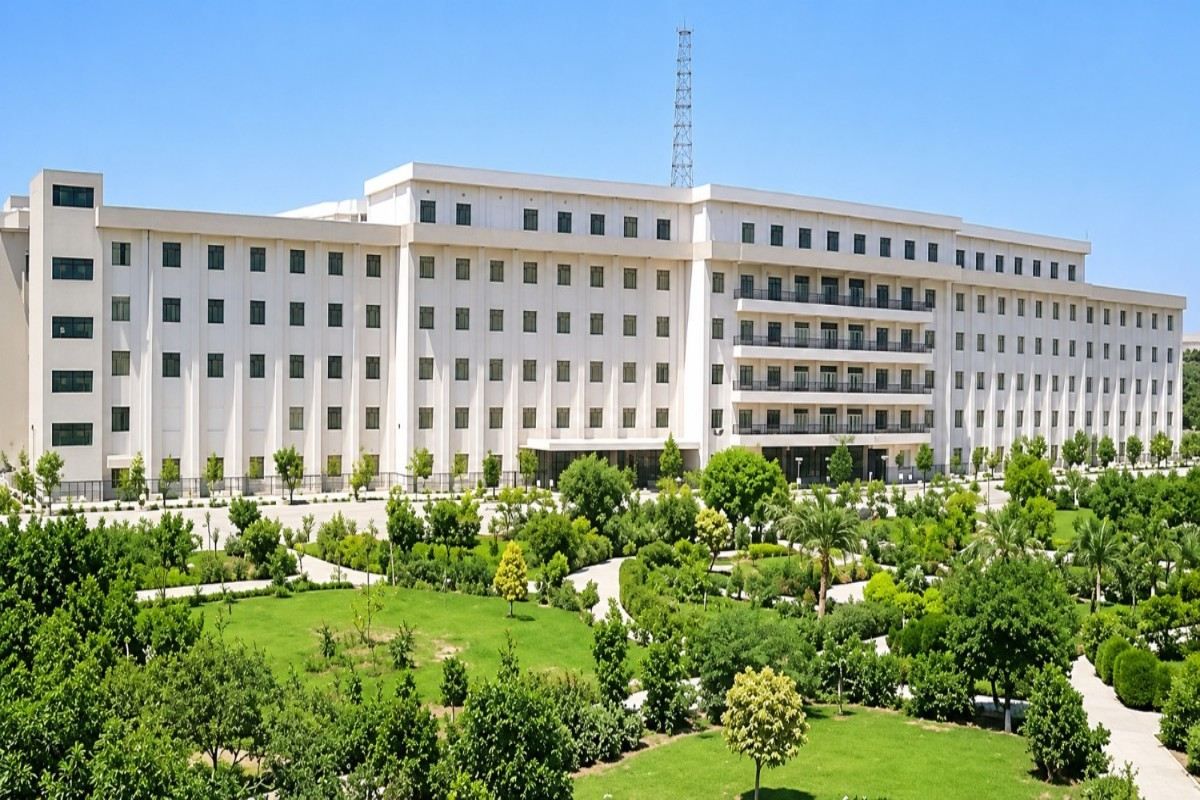
BUC describes its own mission as serving Egypt's middle class with high-quality education at a genuinely affordable cost, and it markets itself today as the largest private university in Egypt and among the fastest-growing. The university now sits on a 45-acre campus in Badr City, a newer district in northeast Cairo, and by the 2023/24 academic year it reported more than 16,000 undergraduate students spread across sixteen schools, though a few older listings still cite a smaller figure closer to 10,300 students, likely reflecting the university's earlier years before its rapid recent growth.
Medicine sits among sixteen schools at BUC altogether, alongside Pharmacy, Engineering and Technology, Dentistry, Physical Therapy, Linguistics and Translation, Nursing, Business and Economics, Filmmaking and Performing Arts, Applied Arts, Veterinary Medicine, Biotechnology, Allied Health Sciences, Law, Political Sciences, and Humanities and Social Sciences. So, medicine here is one strand of a genuinely large, multi-discipline university, not a standalone specialist medical college.
Here is a detail most guides skip entirely. BUC actually operates a second, related campus, Badr University in Assiut, or BUA, which opened its own doors in the 2022/23 academic year with seven new faculties, including its own separate School of Medicine. BUA sits in New Nasser City, west of Assiut, a completely different Egyptian city hundreds of kilometres south of Cairo. So, families researching this college online should be careful not to mix up BUC's School of Medicine in Badr City, Cairo, with BUA's separate School of Medicine in Assiut, since both share the "Badr University" name and both appear regularly in search results together.
The exact year BUC's own School of Medicine specifically opened, as distinct from the wider university's 2014 founding date, isn't clearly published anywhere online at the time of writing. So, while the wider university is over a decade old, the medical programme itself may well be considerably younger, and this detail is worth confirming directly with the university before assuming BUC's medical training carries the same length of track record as the university overall.
The School of Medicine's current Dean is Professor Dr. Ahmad M. Makhlouf, who previously served as Dean of the Faculty of Medicine at Assiut University, a much older, well-established public medical school. The Vice-Dean, Professor Ghada Eldorry, holds her MD in paediatrics from Ain Shams University, along with postgraduate training from Italy and the UK. So, the school's leadership carries real, verifiable experience from Egypt's older public medical institutions, even though the school itself is comparatively new.
The Badr City Campus and Its Setting
BUC's main campus sits in Badr City, a planned newer town in Cairo Governorate's far northeast, a fair distance from the older, more central parts of Cairo. So, students here get a genuinely modern, purpose-built campus setting, rather than a converted older city-centre building.
The School of Medicine's own address is listed as the Entertainment Area, Badr City, Cairo, placing it within the wider BUC campus rather than as a separate standalone site. Because Badr City sits in Cairo's outer districts, the university's own promotional material notes that its location helps bring university-level education within easier reach of students from nearby, historically underserved governorates like Ismailia, Suez, and parts of the Nile Delta. So, geography plays a real, deliberate role in who this college was built to serve.
Specific hospital arrangements, bed capacity, or daily clinical caseload figures for BUC's medical students aren't clearly published in independent sources at the time of writing. So, applicants and families should confirm exact clinical training sites directly with the School of Medicine before finalising any decision, rather than assuming details based on other, older Egyptian medical schools.
International student numbers at BUC specifically for the medical programme also aren't well documented in independent sources yet. Most established guides on MBBS study in Egypt for Indian students still point first toward Cairo University, Ain Shams University, and Alexandria University, all considerably older, better-documented institutions. So, an Indian student choosing BUC today would likely be joining a still-developing, relatively small international cohort within the medical school specifically.
Course Structure, Cost, and Practical Details
BUC's medical programme leads to a medical degree following Egypt's standard system, commonly referred to as MBBS or MBBCh by international consultancy sources working with Indian applicants. One detailed education portal focused on Indian students reports the programme spans six years in total, though the exact academic-year-to-internship breakdown isn't clearly published in the sources reviewed. So, applicants should confirm the precise year-by-year structure directly with the university rather than assuming it matches other Egyptian colleges exactly.
Fee figures genuinely conflict here, more than at many other Egyptian colleges. One listing tied to the university's own general faculties page cites a Medicine fee of 97,500 Egyptian pounds a year, which appears to reflect the standard domestic rate charged in local currency. A separate consultancy source focused specifically on Indian applicants instead reports a six-year total tuition cost of roughly USD 99,600, working out to about USD 16,600 a year. These two figures don't line up cleanly, likely because international students are typically charged on a separate, dollar-denominated fee schedule distinct from the domestic Egyptian-pound rate. So, applicants should treat both figures as starting reference points only, and confirm the actual international fee schedule directly with BUC's admissions office.
Quick Overview
Parameter | Details |
Established | 2014, per most sources (one older source cites 2012); School of Medicine's own founding year not clearly published |
Institution Type | Private, non-profit university (first higher-education venture of the CIRA group) |
Location | Badr City, northeast Cairo, Egypt |
Programme | Medical degree (commonly referenced as MBBS/MBBCh by international consultancy sources), taught in English |
Duration | Reported as 6 years total by one detailed source; exact year-by-year breakdown not clearly published |
Medium of Instruction | English |
Foreign Quota Note | No SAARC-style quota; NEET required for Indian applicants |
Teaching Hospital | Not clearly confirmed in independent sources; confirm directly with the School of Medicine |
Fee Structure
Fee Component | Amount | Notes |
Domestic Tuition (as listed) | Approx. 97,500 EGP per year | From a general BUC faculties listing; likely the local/domestic rate |
International Tuition (reported for Indian applicants) | Approx. USD 16,600 per year (USD 99,600 total over 6 years) | From a consultancy source focused on Indian MBBS applicants |
Living Costs | Not consistently reported | Cairo's outer districts generally run cheaper than central Cairo |
Hostel (standalone, reported) | Not consistently published | Confirm directly with the university |
Scholarships | Sibling and merit-based discounts reportedly available | Confirm current eligibility directly with the university |
Approx. Total Programme Cost | Not consistently confirmed | Confirm directly with the college, given the conflicting fee reports |
Why This College Deserves a Harder Look Than You've Given It
A University Built From a Student Request, Not Just an Investment Plan
Most rival pages describe new private universities in purely commercial terms. BUC's own origin story is different: a group of graduating high schoolers asked their school group's chairman to build a university that matched their own education, and that request became BUC. So, there's a genuinely documented, specific founding story here, not just a generic private-investment narrative.
Real Leadership Experience From Older Public Medical Schools
Most guides don't dig into who actually runs a newer medical school. BUC's Dean previously led the Faculty of Medicine at Assiut University, a long-established public institution, and the Vice-Dean holds her MD from Ain Shams University, one of Egypt's oldest medical schools. So, this young school's leadership carries real, verifiable experience from Egypt's older, well-established medical education system.
Honest Assessment
Be very clear about the real gaps here. Fee figures for international students genuinely conflict between BUC's own general listings and specialist Indian consultancy sources, sometimes by a wide margin, so confirming the exact current international fee schedule directly is essential before committing.
The precise founding year of the School of Medicine itself, as distinct from the wider university, also isn't clearly published anywhere reviewed. Specific clinical hospital arrangements for medical students aren't well documented in independent sources either.
So, who fits here best? Students comfortable confirming fee and clinical-training details directly with the university, and drawn to a large, fast-growing private campus with real international academic partnerships, may find genuine value here. Students who need a long, thoroughly documented medical school history should look toward Egypt's older public colleges instead.
No hidden charges, no donation. The full picture of costs at MBBS In Badr University in Cairo School of Medicine.
Tuition Fee
roughly 97,500 EGP (domestic rate) to about USD 16,600 (reported international rate);
Approx. USD 16,600 per year
Hostel Fee
between $200 and $500 USD per month
$200 and $500 USD per month
Food & Meals
EGP 2,000 to 3,500 ($40–$70 USD) per month
PER MONTH
Insurance
$8,000 to $12,000 per
PER YEAR
Donation
NO DONATION
NO HIDDEN FEE
Total Estimated Cost
Confirm directly with the college
5 YEAR
25–35%
Average FMGE first-attempt pass rates for students from many overseas medical universities. Students from structured programs consistently score higher.
Students returning to India need to clear the FMGE/NExT exam. MBBS In Badr University in Cairo School of Medicine integrates exam-oriented coaching into the regular curriculum so students are prepared from day one.
A structured program that takes you from foundational sciences to clinical mastery.
• Builds the base knowledge that all later clinical learning depends on.
• Covers Anatomy, Physiology, and Biochemistry, forming the scientific foundation for everything that follows.
• Links basic disease science with population health and the drugs used to treat illness.
• Covers Pathology, Microbiology, Pharmacology, and Community Medicine.
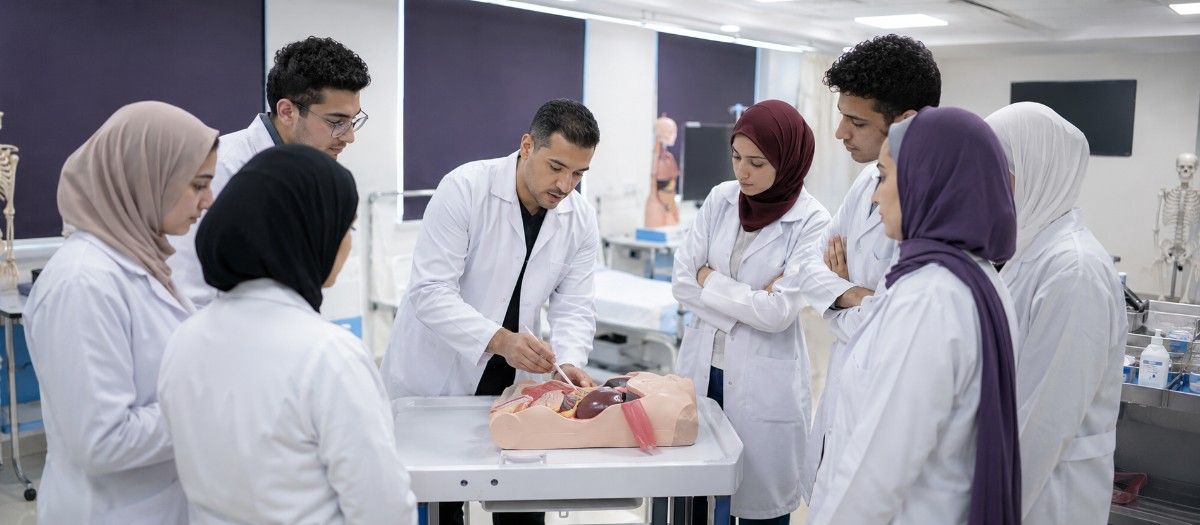
• Runs through an Integrated Medical Education approach, with an emphasis on early clinical exposure and skill-building labs.
• Covers Medicine, Surgery, and Obstetrics and Gynaecology, plus allied clinical subjects.
• Exact internship length isn't clearly published across the sources reviewed; confirm directly with the university.
• A compulsory internship follows completion of academic study, matching Egypt's standard medical education pattern.
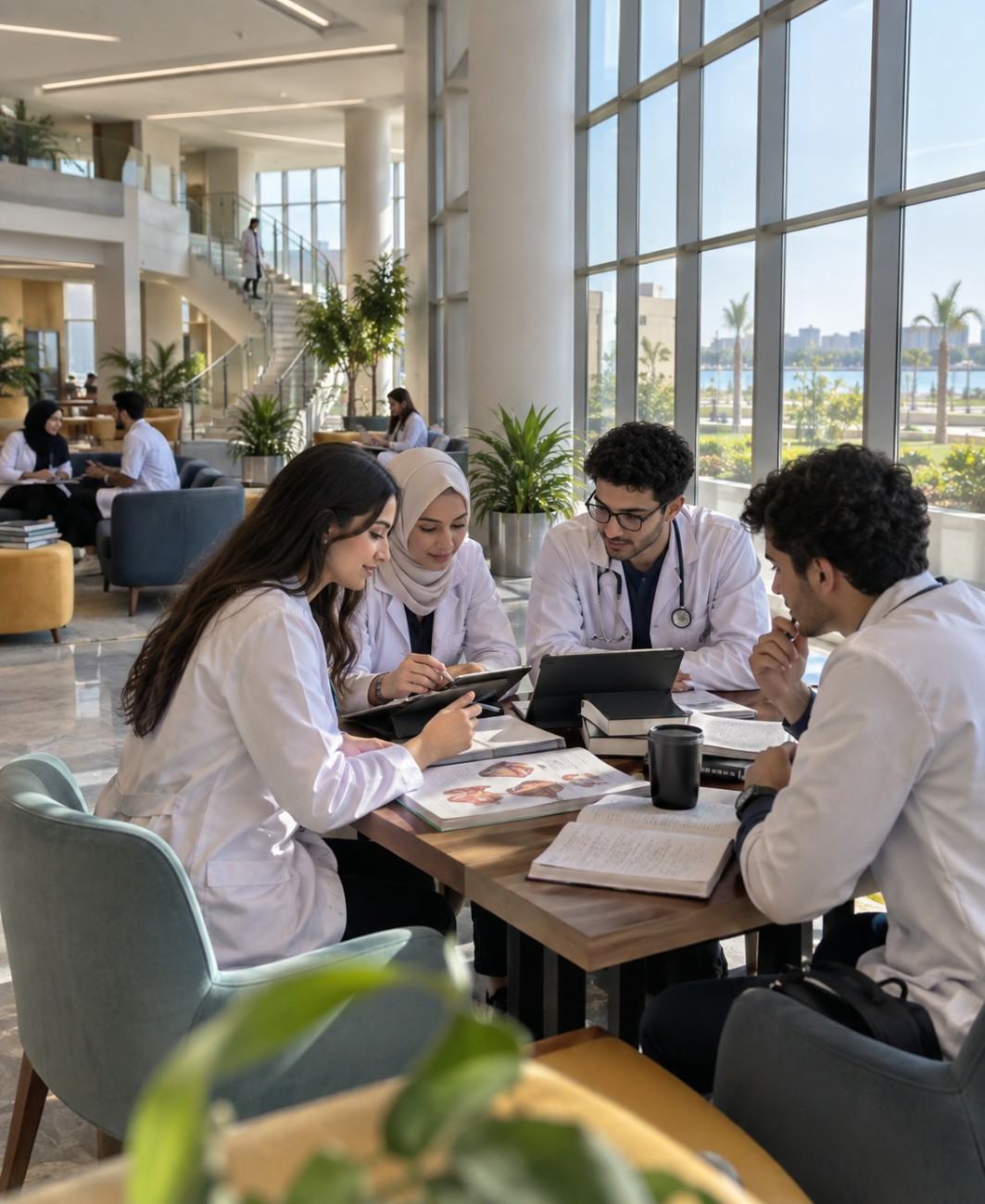
Furnished hostel rooms with Wi-Fi, laundry, 24/7 security, and Indian mess on or near campus.
Indian restaurants and mess facilities serving vegetarian and non-vegetarian home-style food daily.
Strong Indian community with cultural events, festival celebrations, and peer support groups.
Students get hands-on clinical training in government and private hospitals affiliated with the university.
Practical information for students planning to study at MBBS In Badr University in Cairo School of Medicine.
Prepare for all seasons. Thermal wear for winters, light clothing for summers. University provides heating in hostels.
Student visa processed with university invitation letter. Direct and connecting flights from major Indian cities.
Health insurance included in fees. Medical facility on campus plus city hospitals easily accessible.
Local SIM cards available. WhatsApp and video calls keep you connected with family back home.
Average monthly expenses of $150–$250 covering food, transport, and personal needs.
University library, online databases, and study groups. Seniors mentor juniors through academic challenges.
Our team guides you through every step — from application to arriving on campus.
Our Egypt specialist provides an honest overview of Cairo University vs Ain Shams vs ERU, English-medium status, FMGE outcomes, safety assessment, and total cost comparison.
We provide the Egypt-specific checklist. All documents are verified before university submission.
Direct submission to the suggested university. Offer letter typically within 7–14 days.
Either the students or our team receives the offer, walks you through the terms, and manages the initial fee payment.
We manage visa applications to the Egyptian Embassy in New Delhi, a minimum of 6 weeks before departure
Cairo city orientation, accommodation, Egyptian transport, food, currency, safety zones, and first-week logistics.
We advise on routing to Cairo International Airport (CAI). Confirms arrival with the local team.
Our Cairo representative meets you at the airport. No student arrives unsupported.
Hostel check-in and university registration handled by AMW's local Egypt team.
Our team files the student residence permit at the Egyptian Ministry of Interior within your first weeks. Renewed annually.
Admission Helpline — Contact our counsellors for step-by-step assistance.
“The faculty here is incredibly supportive. The clinical training during hospital rotations has given me real confidence in patient care.”
“Affordable fees without compromising on quality. The campus facilities and hostel life made my transition abroad very smooth.”
“English medium instruction and WHO-recognized curriculum were the deciding factors for me. No regrets so far — excellent experience overall.”
“The university helped with everything from visa to accommodation. Hospital exposure from year three has been invaluable for my FMGE prep.”
“Just cleared my licensing exam on the first attempt. The structured coaching and mock exams during final year were a game-changer.”
“Safe campus, good food options, and a strong Indian student community. The teaching methodology is very practical and hands-on.”
Most sources cite 2014, though a small number of older listings mention 2012 instead. The exact year its School of Medicine opened isn't clearly published.
One detailed source reports 6 years in total, though the precise breakdown between academic study and internship isn't clearly published. Confirm directly.
Yes, a valid, qualifying NEET score is required for Indian applicants.
Reports genuinely conflict, ranging from about 97,500 EGP a year on one listing to roughly USD 16,600 a year on a source focused on Indian applicants. Confirm directly.
No. They're related through the same CIRA group but operate as separate institutions in different cities, each with its own School of Medicine.
Yes, English is the medium of instruction, and English proficiency forms part of the admissions requirements.
It's a private, non-profit university, and the first higher-education project from the CIRA investment and education group.
The Dean is Professor Dr. Ahmad M. Makhlouf, formerly Dean of Assiut University's Faculty of Medicine; the Vice-Dean is Professor Ghada Eldorry, an MD graduate of Ain Shams University.
Some consultancy sources describe WDOMS listing and NMC recognition, though this isn't independently confirmed here and should be verified directly with the university.
It sits within BUC's main campus in Badr City, northeast Cairo, at the Entertainment Area address the school lists publicly.
Our expert counsellors will guide you through the complete admission process — from documents to airport pickup.