
Q1. In which year was the Faculty of Medicine established in Cairo University?
+It was established in 1827, and it is the oldest medical college in Egypt.

 Egypt | Est. 1827
Egypt | NAQAAE accredited; WHO/WDOMS listed; NMC (India) — verify current status at nmc.org.in before applying; extensive postgraduate residency and fellowship accreditation across virtually all medical specialities | English-medium track available for international students in basic sciences and clinical subjects; Arabic-medium bedside medium
Expert will call you within 2 hours
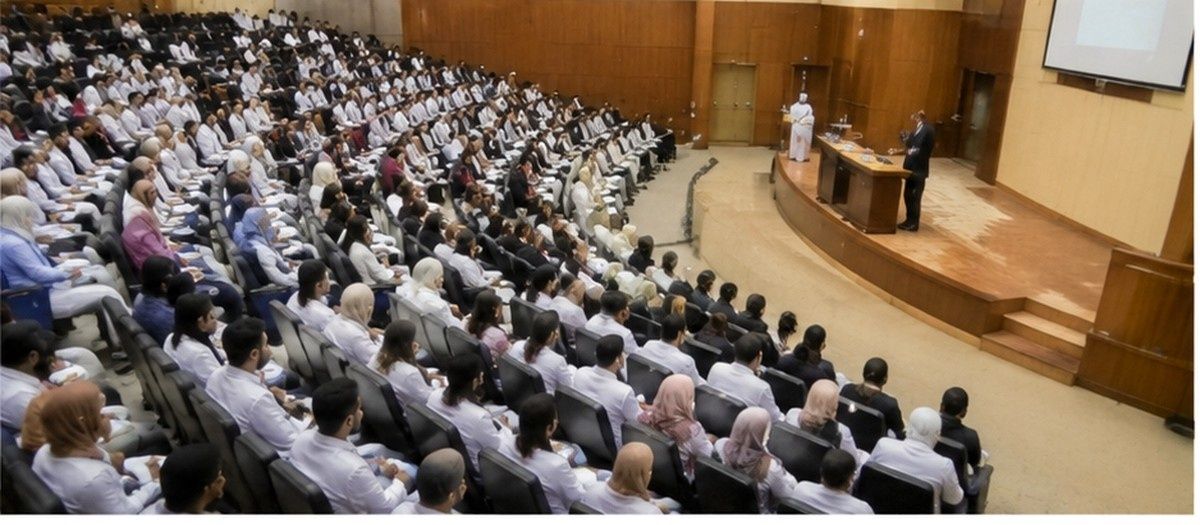
Cairo University Faculty of Medicine, also known as Kasr Al Ainy Faculty of Medicine after the historic palace complex from which its main teaching hospital takes its name, stands as Egypt's oldest, largest, and most internationally recognised medical faculty. Cairo University itself was established in 1908, and its Faculty of Medicine has, over more than a century of continuous operation, trained a substantial proportion of Egypt's most senior physicians, medical academics, and healthcare policy leaders. Kasr Al Ainy Hospital, the Faculty's flagship teaching hospital complex on the banks of the Nile in central Cairo, is among the largest and most case-diverse teaching hospitals in the Middle East and North Africa region, with a bed capacity and patient throughput that gives Cairo University medical students clinical exposure of a scale and complexity matched by very few institutions in the developing world.
Cairo University's global academic standing reflects this scale and history: the university is regularly cited with a world ranking around 350th by various international ranking systems for its medical programmes specifically, and Cairo University as a whole is consistently the highest or among the highest-ranked Egyptian universities across most major international ranking systems, including Times Higher Education and QS. The Faculty of Medicine's research output spans virtually every major medical speciality, supported by Egypt's largest concentration of medical academic faculty and postgraduate training programmes, including extensive residency and fellowship training that draws physicians from across Egypt and the wider Arab world.
For international students, including a substantial number of Indian students who have historically chosen Cairo University precisely for its scale, history, and case-volume advantages, the Faculty offers the standard Egyptian MBBCh structure (five academic years plus mandatory internship) with the added dimension of training within one of the region's most complex tertiary referral hospital networks. Tuition remains notably affordable by international comparison — reflecting Egypt's public university funding model — even as Cairo University's brand recognition and degree value, particularly across the Middle East, North Africa, and increasingly internationally, substantially exceeds what comparable tuition would secure at almost any other medical school globally. Cairo's location also provides international students with the most extensive expatriate community infrastructure, international flight connectivity, and consular services available anywhere in Egypt.
No hidden charges, no donation. The full picture of costs at MBBS in Cairo University Faculty of Medicine, Cairo, Egypt.
Tuition Fee
Approx. USD 6,000–9,000/year for international students (approx. ₹5.4–8.1 lakh/year); Total 6-year tuition approx. USD 36,000–54,000 / ₹32–4
Approx. USD 6,000–9,000/year (approx. ₹5.4–8.1 lakh/year); Total 6-year tuition
Hostel Fee
USD 150–300/month
Approx. USD 150–300/month
Food & Meals
Approx. USD 120–220/month
per month
Insurance
Approx. USD 150–250/year
per year
Donation
No donation required at standard public-rate admission.
Standard registration and laboratory fees are approximately. USD 150–250/year.
Total Estimated Cost
Approx. USD 48,000–67,000 (₹43–60 lakh)
6 year
25–35%
Average FMGE first-attempt pass rates for students from many overseas medical universities. Students from structured programs consistently score higher.
Students returning to India need to clear the FMGE/NExT exam. MBBS in Cairo University Faculty of Medicine, Cairo, Egypt integrates exam-oriented coaching into the regular curriculum so students are prepared from day one.
A structured program that takes you from foundational sciences to clinical mastery.
Foundation year at Kasr Al Ainy, drawing on Cairo University's century-long tradition of anatomical and physiological teaching. Cadaveric dissection and histology laboratory work delivered at scale, given the faculty's substantial student cohort and facilities.
Anatomy, Histology & Embryology, Biochemistry, Medical Physiology, Medical Biophysics, Introduction to Medical Ethics
Deepening of basic sciences with disease-mechanism integration, taught by a faculty base that includes some of Egypt's most senior medical academics in each discipline, given Cairo University's role as Egypt's primary training ground for medical faculty.
General Pathology, Microbiology & Immunology, Pharmacology I, Parasitology, Genetics, Biostatistics
A bridge year between basic sciences and clinical medicine. Cairo University's Community Medicine and Public Health department has historically played a significant role in shaping Egyptian national public health policy, giving students exposure to faculty directly engaged in health systems leadership.
Systemic Pathology, Pharmacology II, Community Medicine & Public Health, Forensic Medicine & Toxicology, Clinical Pathology, Introduction to Clinical Examination
First full clinical year at Kasr Al Ainy Hospital, one of the largest and most case-diverse teaching hospitals in the Middle East and North Africa region. Case complexity and volume at this stage typically exceed those students encounter at smaller regional faculties, reflecting Kasr Al Ainy's role as a major tertiary referral centre that draws patients from across Egypt.
Internal Medicine I, General Surgery I, Obstetrics & Gynaecology I, Paediatrics I, Radiodiagnosis
Expanded speciality rotations across the full breadth of clinical medicine, supported by Cairo University's extensive specialist faculty and subspecialty clinical centres. Final theoretical and clinical MBBCh examinations are held at the end of Year 5.
Internal Medicine II, General Surgery II, Obstetrics & Gynaecology II, Paediatrics II, Psychiatry, ENT, Ophthalmology, Dermatology & Venereology, Anaesthesia
One-year mandatory rotating internship at Kasr Al Ainy and the wider Cairo University hospital network, required for MBBCh conferral and Egyptian Ministry of Health licensing. Given Cairo University's case volume, this internship year typically offers among the broadest and most intensive clinical exposure available within the Egyptian system. Must be completed in Egypt; not transferable to India. NMC verification required before sitting NExT — confirm current status at nmc.org.in.
Rotating Internship — Internal Medicine, Surgery, Obstetrics & Gynaecology, Paediatrics, Emergency Medicine, Community Medicine
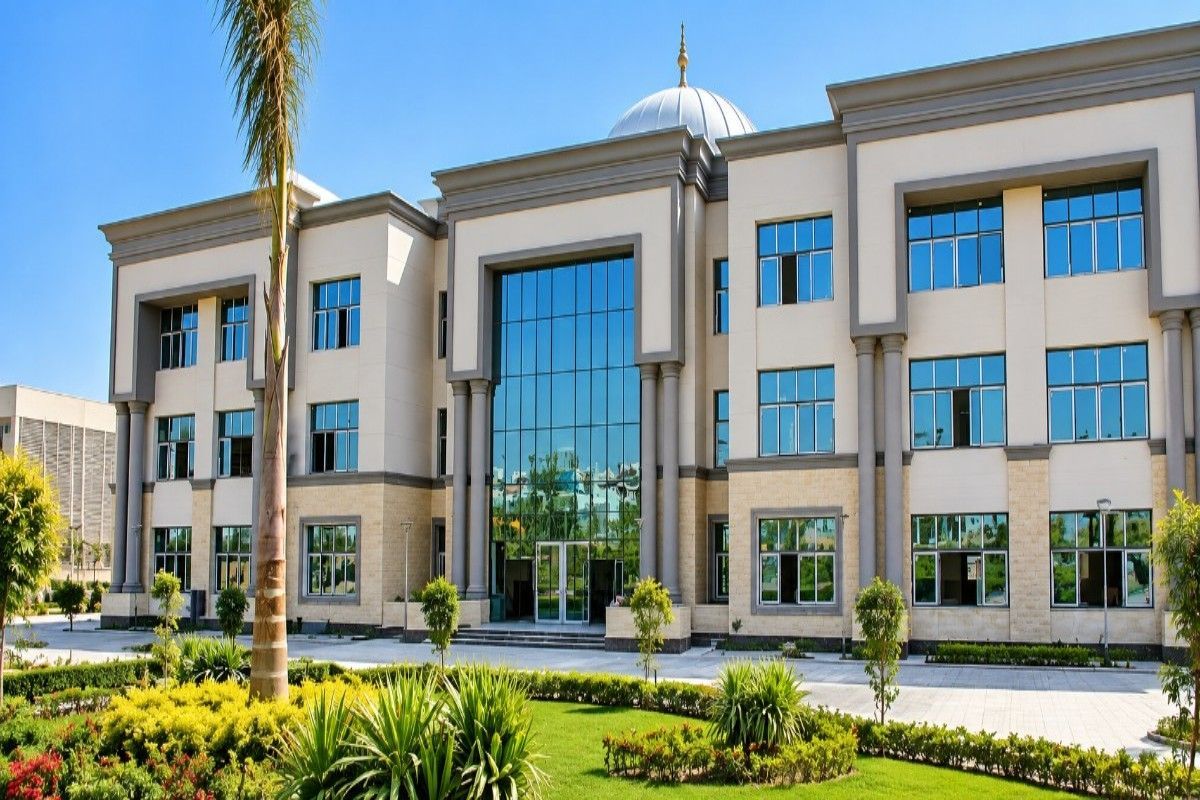
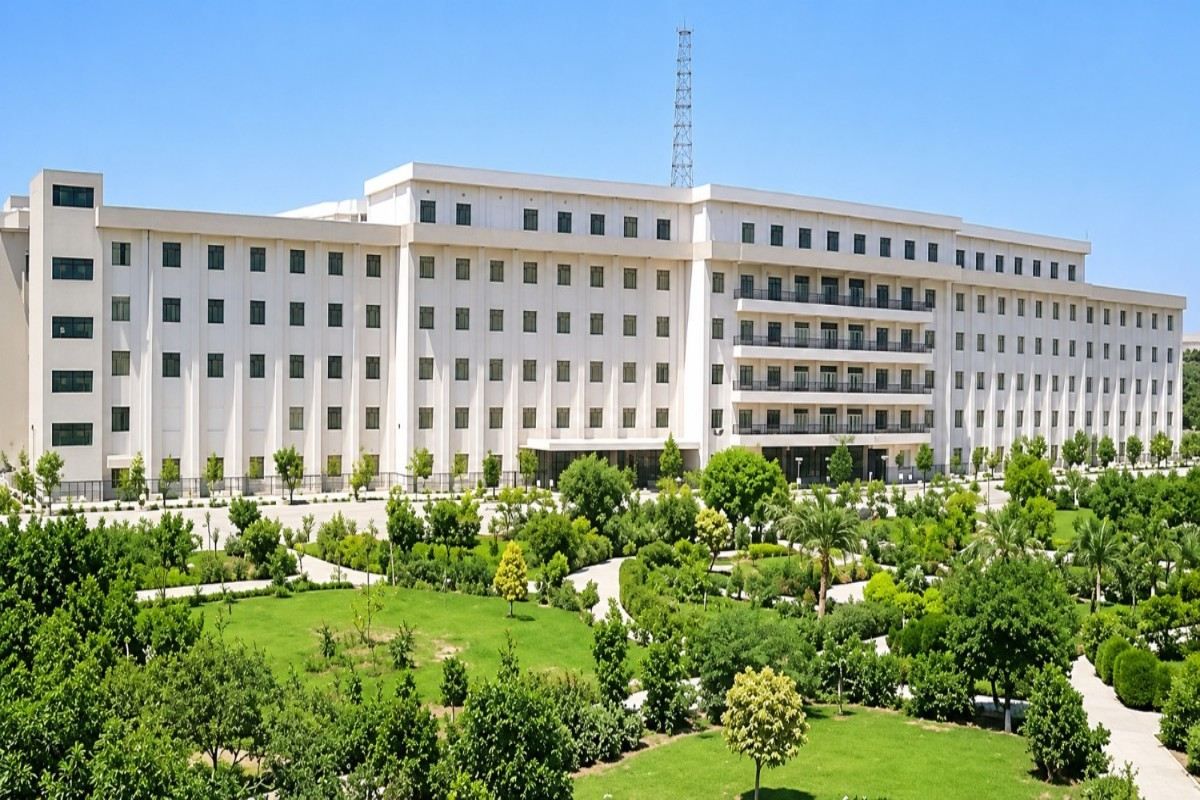
Furnished hostel rooms with Wi-Fi, laundry, 24/7 security, and Indian mess on or near campus.
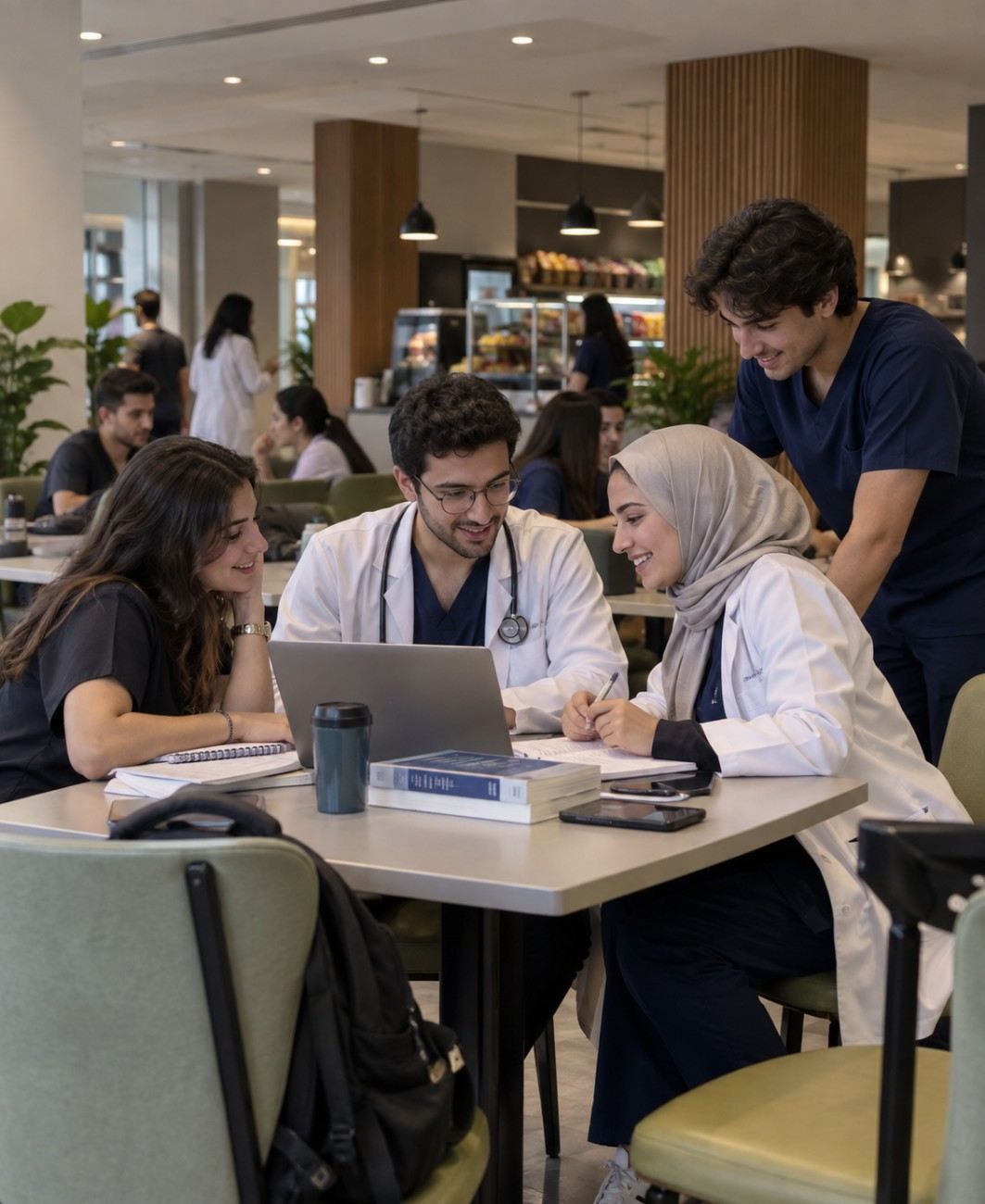
Indian restaurants and mess facilities serving vegetarian and non-vegetarian home-style food daily.
Strong Indian community with cultural events, festival celebrations, and peer support groups.
Students get hands-on clinical training in government and private hospitals affiliated with the university.
Practical information for students planning to study at MBBS in Cairo University Faculty of Medicine, Cairo, Egypt.
Prepare for all seasons. Thermal wear for winters, light clothing for summers. University provides heating in hostels.
Student visa processed with university invitation letter. Direct and connecting flights from major Indian cities.
Health insurance included in fees. Medical facility on campus plus city hospitals easily accessible.
Local SIM cards available. WhatsApp and video calls keep you connected with family back home.
Average monthly expenses of $150–$250 covering food, transport, and personal needs.
University library, online databases, and study groups. Seniors mentor juniors through academic challenges.
Our team guides you through every step — from application to arriving on campus.
Our Egypt specialist provides an honest overview of Cairo University vs Ain Shams vs ERU, English-medium status, FMGE outcomes, safety assessment, and total cost comparison.
We provide the Egypt-specific checklist. All documents are verified before university submission.
Direct submission to the suggested university. Offer letter typically within 7–14 days.
Either the students or our team receives the offer, walks you through the terms, and manages the initial fee payment.
We manage visa applications to the Egyptian Embassy in New Delhi, a minimum of 6 weeks before departure
Cairo city orientation, accommodation, Egyptian transport, food, currency, safety zones, and first-week logistics.
We advise on routing to Cairo International Airport (CAI). Confirms arrival with the local team.
Our Cairo representative meets you at the airport. No student arrives unsupported.
Hostel check-in and university registration handled by AMW's local Egypt team.
Our team files the student residence permit at the Egyptian Ministry of Interior within your first weeks. Renewed annually.
Admission Helpline — Contact our counsellors for step-by-step assistance.
“The faculty here is incredibly supportive. The clinical training during hospital rotations has given me real confidence in patient care.”
“Affordable fees without compromising on quality. The campus facilities and hostel life made my transition abroad very smooth.”
“English medium instruction and WHO-recognized curriculum were the deciding factors for me. No regrets so far — excellent experience overall.”
“The university helped with everything from visa to accommodation. Hospital exposure from year three has been invaluable for my FMGE prep.”
“Just cleared my licensing exam on the first attempt. The structured coaching and mock exams during final year were a game-changer.”
“Safe campus, good food options, and a strong Indian student community. The teaching methodology is very practical and hands-on.”
It was established in 1827, and it is the oldest medical college in Egypt.
6 years: 5 years of education plus 1 year internship.
Approximately USD 48,000-67,000 (including all), or ₹43-60 lakh.
They require clearing of NEET-UG and scoring 70-75% in PCB.
Kasr Al Ainy Hospital has more than 5,200 beds and is among MENA's largest hospitals.
On average, there are 50-75 Indian students, fewer than some new Egyptian Universities.
Yes, Cairo University provides on campus as well as off-campus accommodation options.
Yes, all students including international students have medical insurance.
Yes, because it is an MCI/NMC-recognized degree and students can qualify for FMGE/NExT.
Yes, Cairo University is Egypt's globally ranked university and recognized by WHO.
Our expert counsellors will guide you through the complete admission process — from documents to airport pickup.