
1. Is Cardiff University School of Medicine approved by the GMC?
+A: Yes. The MB BCh programme is approved by the General Medical Council, allowing eligible graduates to enter the UK Foundation Programme.

 Uk | Est. 1893
Uk | Approved by the General Medical Council (GMC) to award the MB BCh degree. | English medium
Expert will call you within 2 hours
Cardiff University School of Medicine is one of the United Kingdom's oldest and most respected medical schools, recognised internationally for excellence in medical education, biomedical research, clinical innovation, and healthcare leadership. Located in Cardiff, the capital city of Wales, the School of Medicine combines a long tradition of academic excellence with modern teaching methods and extensive National Health Service (NHS) partnerships. The school prepares future doctors through an integrated curriculum that emphasises scientific knowledge, clinical competence, professionalism, research, and patient-centred care.
Cardiff University's medical education history dates back to 1893, while the university itself became an independent institution in 1883 before later developing into one of the UK's leading research-intensive universities. Today, Cardiff University School of Medicine enjoys an international reputation for producing highly skilled medical professionals and conducting world-class biomedical research that improves healthcare globally.
The university offers a five-year Bachelor of Medicine, Bachelor of Surgery (MB BCh) programme fully approved by the General Medical Council (GMC). The curriculum integrates biomedical sciences, clinical medicine, communication skills, public health, professionalism, ethics, scientific research, and evidence-based healthcare. Students receive comprehensive education that prepares them for the UK Foundation Programme and future specialist training.
Medical education begins with a strong foundation in biomedical sciences. Students study anatomy, physiology, biochemistry, molecular biology, genetics, microbiology, immunology, pathology, pharmacology, neuroscience, behavioural sciences, epidemiology, public health, medical ethics, and clinical communication. Scientific learning is closely integrated with clinical application throughout the programme.
Teaching methods include lectures, anatomy practicals, laboratory sessions, simulation-based education, case-based learning, small-group tutorials, clinical skills workshops, digital learning platforms, and interdisciplinary teaching. Students progressively develop analytical thinking, clinical reasoning, communication skills, teamwork, leadership, and professional decision-making.
The programme places significant emphasis on early clinical experience. Students begin developing patient communication and consultation skills through general practice placements, community healthcare settings, simulated consultations, and supervised patient interactions from the early years of the programme.
Clinical education is delivered through extensive partnerships with NHS Wales, university teaching hospitals, district general hospitals, GP practices, specialist healthcare centres, and community healthcare organisations throughout Wales. Students gain practical experience across both primary and secondary healthcare settings under the supervision of experienced clinicians.
Clinical placements include internal medicine, general surgery, paediatrics, obstetrics and gynaecology, psychiatry, cardiology, neurology, orthopaedics, emergency medicine, anaesthetics, ophthalmology, dermatology, ENT, radiology, oncology, nephrology, endocrinology, respiratory medicine, gastroenterology, geriatrics, family medicine, palliative care, and community healthcare.
During clinical training, students actively participate in ward rounds, outpatient clinics, emergency departments, operating theatres, multidisciplinary case discussions, diagnostic procedures, and supervised patient management. These experiences enable students to develop the clinical competence required for independent medical practice.
Simulation-based learning forms an important component of the curriculum. Students receive practical education through advanced clinical simulation centres equipped with high-fidelity patient simulators, procedural skills laboratories, consultation suites, emergency medicine facilities, and modern digital healthcare technologies before progressing into hospital-based patient care.
Cardiff University School of Medicine is internationally recognised for research excellence. Faculty members conduct pioneering research in cancer biology, neuroscience, cardiovascular medicine, genetics, precision medicine, immunology, infectious diseases, public health, mental health, diabetes, ageing, biomedical sciences, medical education, regenerative medicine, digital healthcare, and clinical innovation. Students are encouraged to participate in research projects, quality improvement programmes, scientific conferences, innovation initiatives, and academic publications.
The university maintains strong collaborations with NHS Wales, international universities, research institutes, healthcare providers, pharmaceutical companies, and biomedical organisations worldwide. These collaborations support research, student exchange programmes, innovation, and interdisciplinary education.
Modern healthcare themes including evidence-based medicine, patient safety, healthcare leadership, digital medicine, quality improvement, health inequalities, sustainability, interprofessional education, and ethical clinical practice are embedded throughout the curriculum. Students graduate prepared to deliver high-quality healthcare within modern multidisciplinary environments.
Students benefit from outstanding educational facilities including anatomy laboratories, biomedical research institutes, clinical simulation centres, digital learning environments, medical libraries, specialised research laboratories, and clinical skills centres supporting both education and scientific discovery.
Student life at Cardiff University offers a vibrant multicultural community with medical societies, research organisations, volunteering programmes, sports clubs, cultural events, leadership opportunities, and wellbeing services. Cardiff is consistently recognised as one of the UK's most student-friendly cities, offering excellent healthcare facilities, affordable living, and a welcoming international environment.
The university provides comprehensive student support including academic advisors, personal tutors, mental health services, career counselling, international student support, research mentorship, wellbeing programmes, and digital learning resources.
Graduates of Cardiff University School of Medicine progress into the UK Foundation Programme before pursuing specialist training across numerous medical disciplines. Many graduates also become leaders in biomedical research, healthcare policy, academic medicine, public health, and international healthcare organisations.
Today, Cardiff University School of Medicine continues to rank among the United Kingdom's leading medical schools through outstanding education, internationally recognised research, strong NHS partnerships, and its commitment to improving healthcare worldwide.
No hidden charges, no donation. The full picture of costs at MBBS in Cardiff University School of Medicine.
Tuition Fee
Approximately GBP 49,950 per year for international students (Approx. USD 67,000 or Rs. 57.5 lakh)
USD 67,000 Rs. 57.5 lakh
Hostel Fee
University accommodation generally ranges from GBP 7,500–10,500 per year (Approx. USD 10,000–14,000 or Rs. 8.6–12 lakh) depending on room
USD 10,000–14,000 Rs. 8.6–12 lakh
Food & Meals
USD 5,800 Rs. 5 lakh
per month
Insurance
USD 1,000 Rs. 86,000
per year
Donation
No Donation
No Hidden Fees
Total Estimated Cost
Approx. USD 425,000 (Entire Course)
5-Year
25–35%
Average FMGE first-attempt pass rates for students from many overseas medical universities. Students from structured programs consistently score higher.
Students returning to India need to clear the FMGE/NExT exam. MBBS in Cardiff University School of Medicine integrates exam-oriented coaching into the regular curriculum so students are prepared from day one.
A structured program that takes you from foundational sciences to clinical mastery.
• Anatomy practicals, laboratory training, simulation-based learning, clinical skills workshops, early patient contact, digital learning, scientific methodology, and community healthcare placements.
• Human anatomy, physiology, biochemistry, molecular biology, genetics, microbiology, immunology, pathology, pharmacology, neuroscience, behavioural sciences, epidemiology, public health, medical ethics, and clinical communication.
• Students participate in ward rounds, outpatient clinics, NHS hospital placements, operating theatres, multidisciplinary case discussions, diagnostic procedures, and supervised patient care. • Evidence-based medicine, patient safety, healthcare leadership, digital healthcare, quality improvement, professionalism, public health, and research remain integrated throughout the programme.
• Internal medicine, general surgery, paediatrics, obstetrics and gynaecology, psychiatry, emergency medicine, cardiology, neurology, orthopaedics, dermatology, ophthalmology, ENT, radiology, oncology, nephrology, endocrinology, respiratory medicine, gastroenterology, geriatrics, family medicine, palliative care, and community healthcare.
• Students undertake assistantships, advanced patient management, prescribing, emergency medicine, multidisciplinary care, and preparation for the UK Foundation Programme.
• Senior clinical placements across NHS Wales teaching hospitals, general practice settings, and community healthcare organisations.

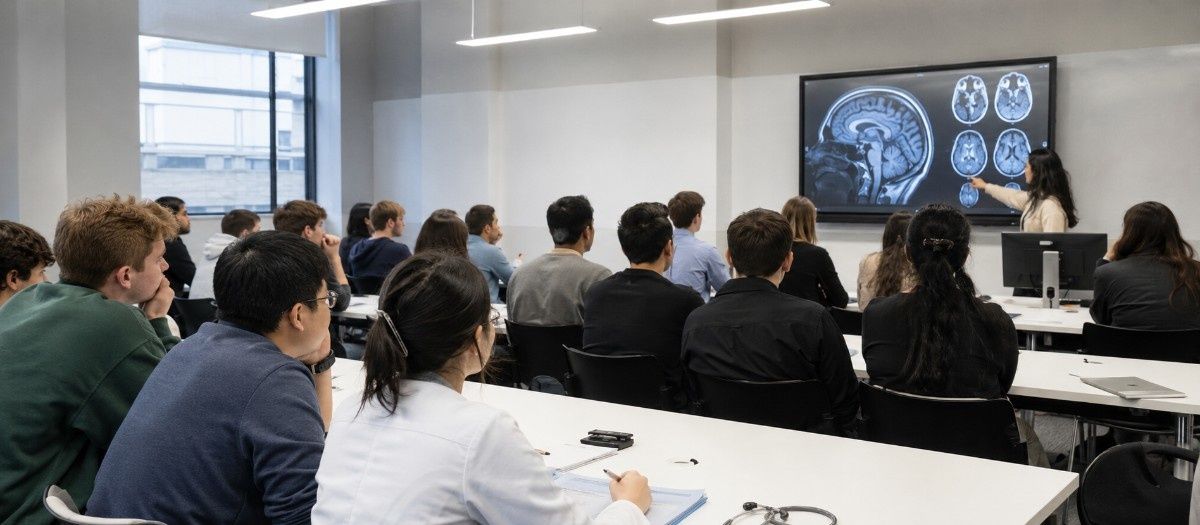
Furnished hostel rooms with Wi-Fi, laundry, 24/7 security, and Indian mess on or near campus.
Indian restaurants and mess facilities serving vegetarian and non-vegetarian home-style food daily.
Strong Indian community with cultural events, festival celebrations, and peer support groups.
Students get hands-on clinical training in government and private hospitals affiliated with the university.
Practical information for students planning to study at MBBS in Cardiff University School of Medicine.
Prepare for all seasons. Thermal wear for winters, light clothing for summers. University provides heating in hostels.
Student visa processed with university invitation letter. Direct and connecting flights from major Indian cities.
Health insurance included in fees. Medical facility on campus plus city hospitals easily accessible.
Local SIM cards available. WhatsApp and video calls keep you connected with family back home.
Average monthly expenses of $150–$250 covering food, transport, and personal needs.
University library, online databases, and study groups. Seniors mentor juniors through academic challenges.
Our team guides you through every step — from application to arriving on campus.
Compare universities based on fees, city, UCAT requirements, and clinical exposure, starting 12–18 months before your intended entry, not the cycle you’re applying in.
Registration opens in May; the testing window runs July–September. Most successful applicants begin focused preparation 3–4 months ahead, alongside board exam preparation.
Book and complete IELTS, PTE, or TOEFL well ahead of the UCAS deadline, allowing time for a retake if needed.
Submit your application, including personal statement and up to 4 medicine choices, before the 15 October deadline.
Prepare for and attend interviews (MMI or Panel format) typically scheduled November through February.
Offers (conditional or unconditional) typically arrive through winter and spring; conditional offers require meeting stated academic and English-score conditions.
Once Class 12 results and any other conditions are confirmed, your university issues the Confirmation of Acceptance for Studies (CAS), which is required for your visa application.
Apply using your CAS reference number; arrange maintenance funds according to the 28-day rule well in advance rather than at the last minute.
Book flights, confirm accommodation, complete any on-arrival formalities during orientation week, open a local bank account, and begin building connections with your university’s Indian/South Asian student community.
Admission Helpline — Contact our counsellors for step-by-step assistance.
“The faculty here is incredibly supportive. The clinical training during hospital rotations has given me real confidence in patient care.”
“Affordable fees without compromising on quality. The campus facilities and hostel life made my transition abroad very smooth.”
“English medium instruction and WHO-recognized curriculum were the deciding factors for me. No regrets so far — excellent experience overall.”
“The university helped with everything from visa to accommodation. Hospital exposure from year three has been invaluable for my FMGE prep.”
“Just cleared my licensing exam on the first attempt. The structured coaching and mock exams during final year were a game-changer.”
“Safe campus, good food options, and a strong Indian student community. The teaching methodology is very practical and hands-on.”
A: Yes. The MB BCh programme is approved by the General Medical Council, allowing eligible graduates to enter the UK Foundation Programme.
A: Yes. The complete MB BCh programme is delivered in English.
A: Students undertake clinical placements through NHS Wales teaching hospitals, GP practices, specialist healthcare providers, and community healthcare organisations across Wales.
A: Yes. Students begin developing clinical skills during the early years through community placements, simulation-based learning, and supervised patient interactions.
A: Yes. Students are encouraged to participate in faculty-led research projects, scientific conferences, innovation programmes, quality improvement initiatives, and academic publications.
A: Students have access to anatomy laboratories, clinical simulation centres, biomedical research facilities, digital learning environments, clinical skills suites, and NHS teaching hospitals.
A: Cardiff offers excellent healthcare facilities, affordable student living, strong transport connections, a vibrant academic community, and one of the UK's most welcoming student environments.
A: Yes. Cardiff University provides student accommodation, and numerous private housing options are available throughout the city.
A: Graduates enter the UK Foundation Programme before pursuing specialist training, biomedical research, public health, academic medicine, healthcare leadership, and international medical careers.
A: Applicants typically submit academic transcripts, proof of secondary education, English language proficiency scores, passport copies, personal statements, references, and any additional documentation required during Cardiff University's admissions process.
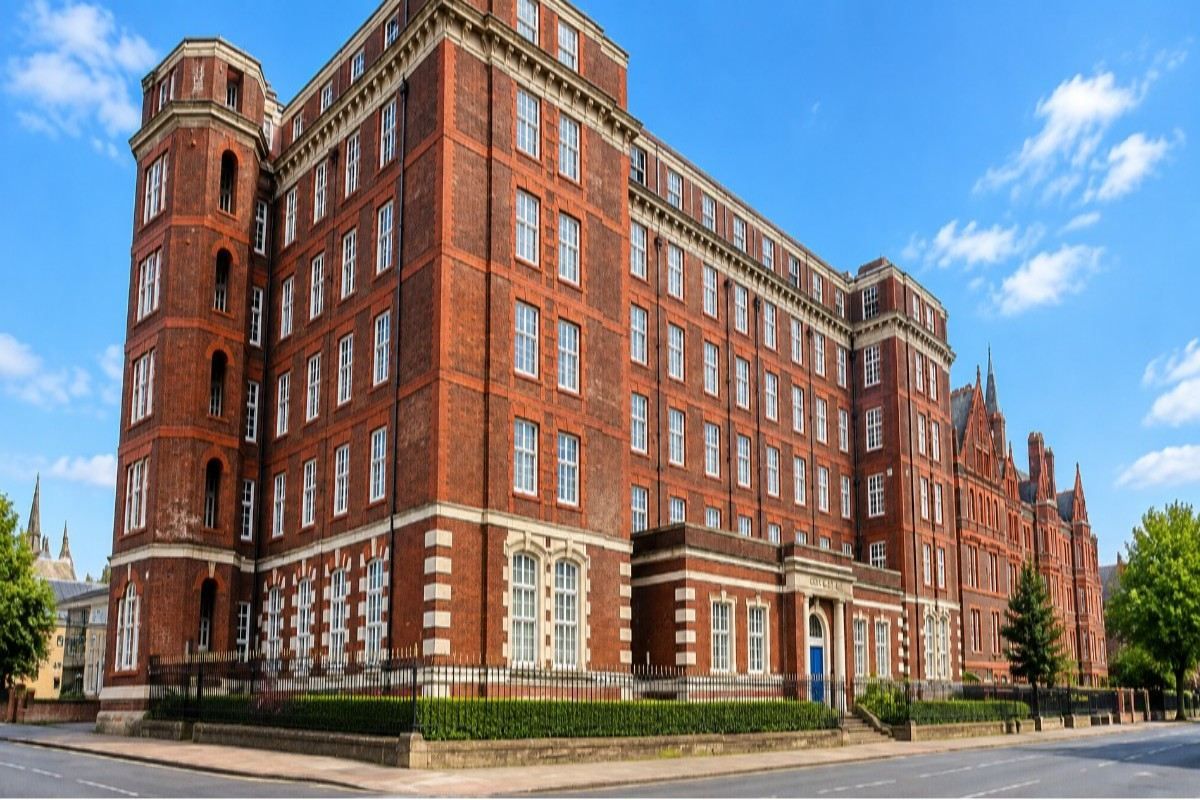
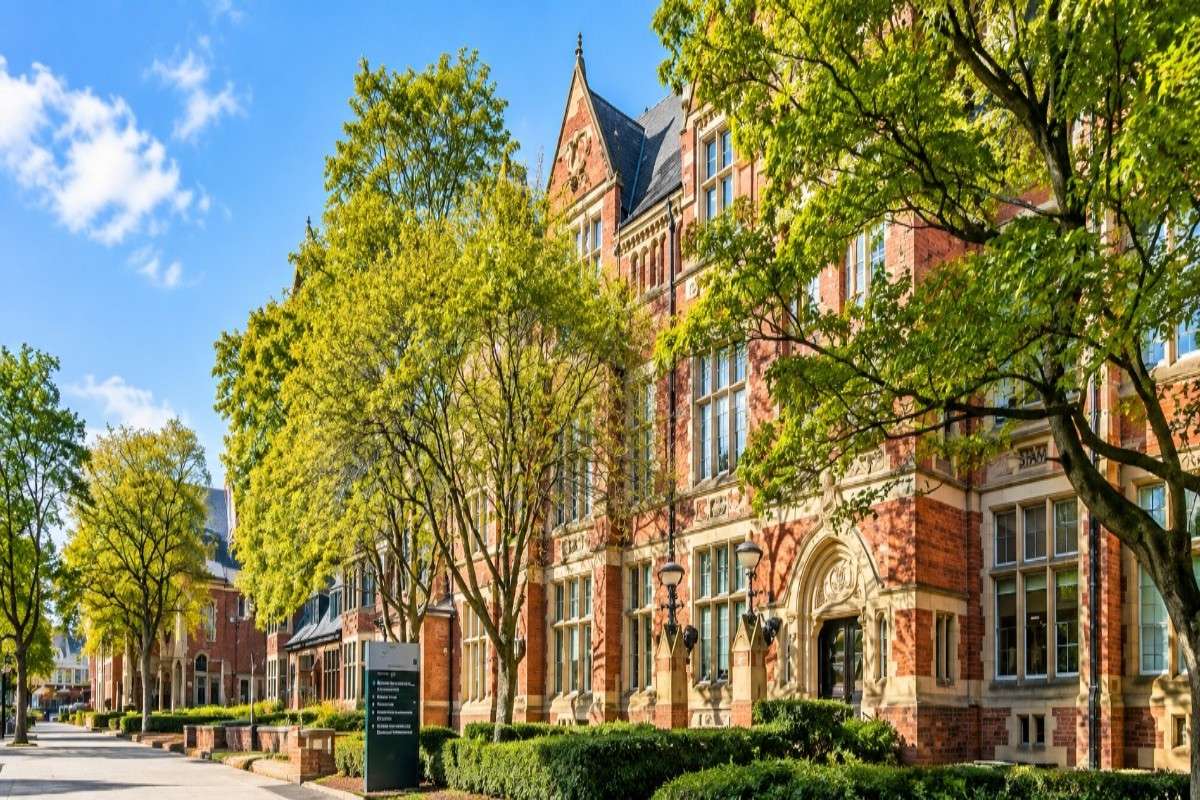

Our expert counsellors will guide you through the complete admission process — from documents to airport pickup.