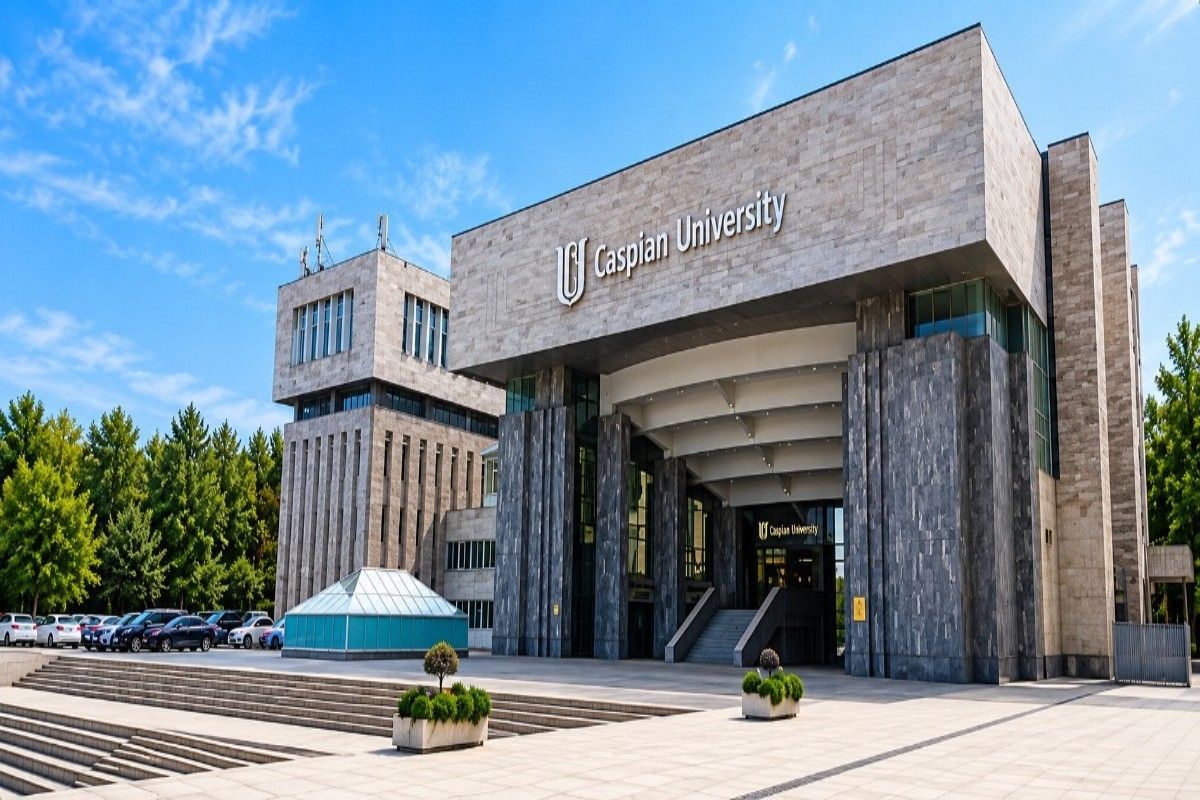
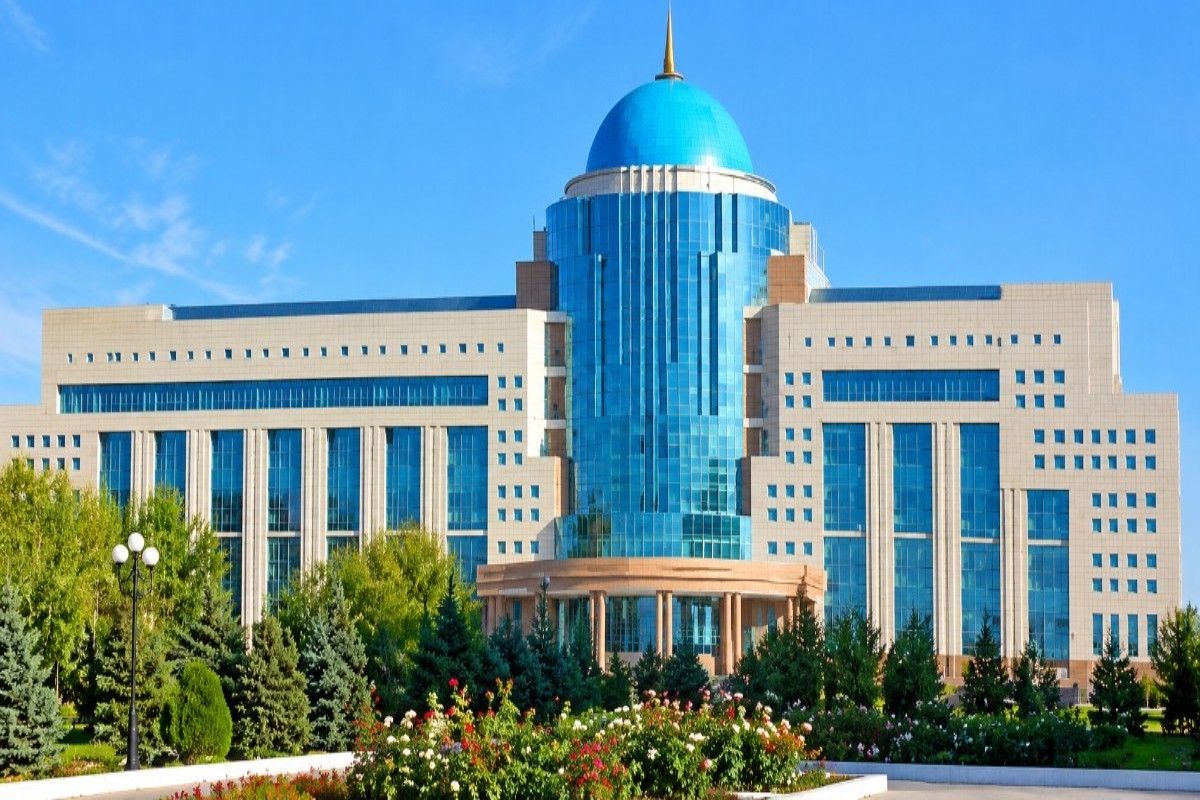
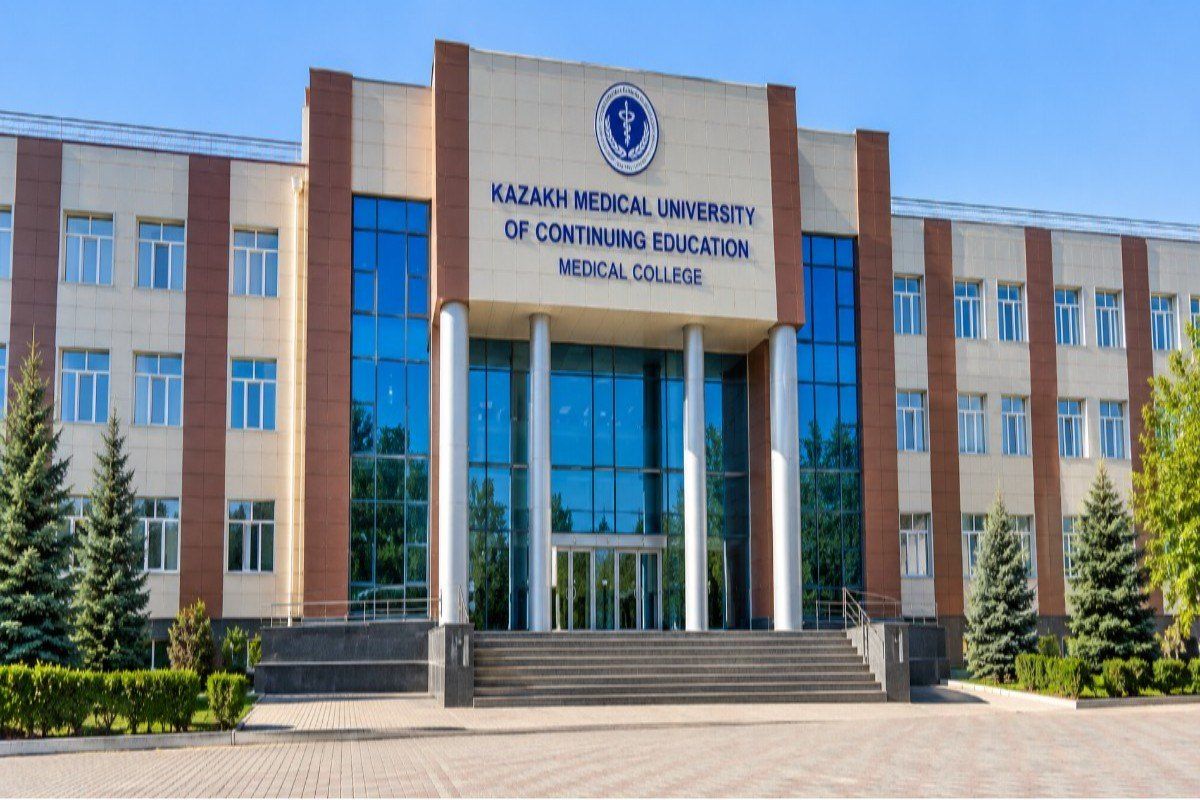
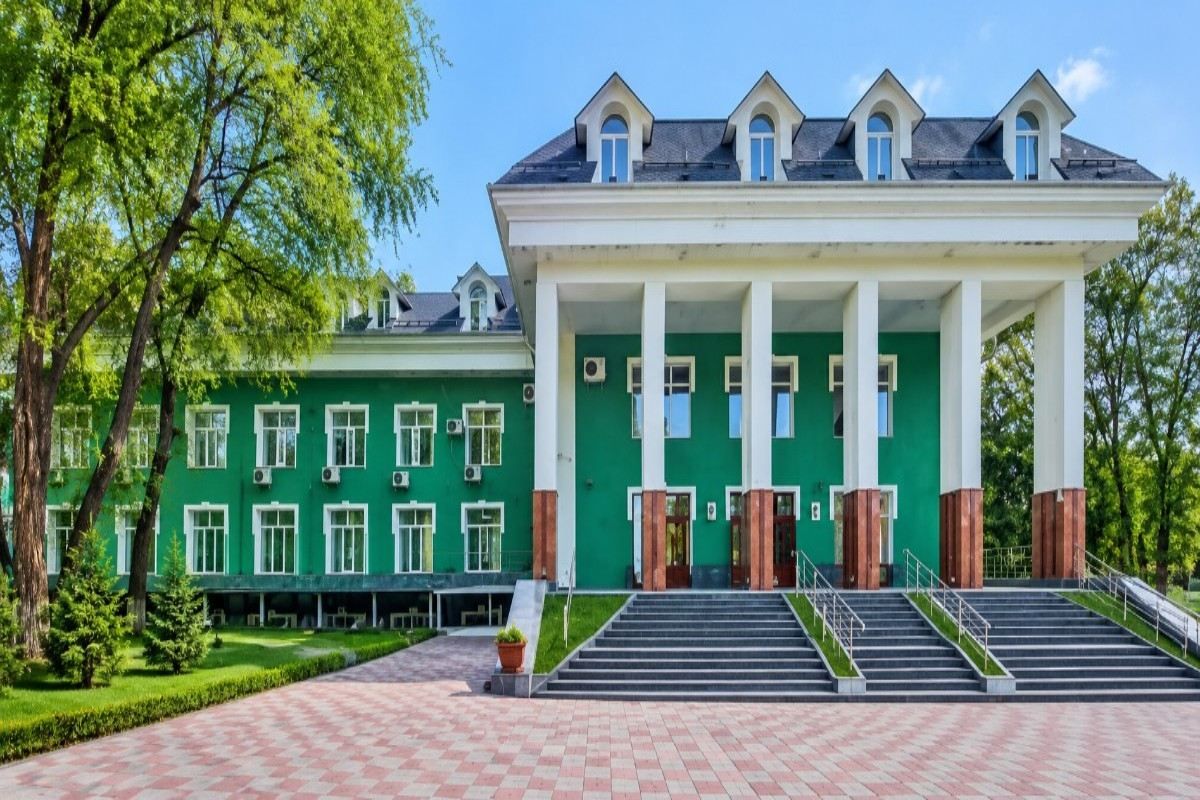
Caspian University International School of Medicine operates under Caspian University in Almaty, Kazakhstan. The university traces its origins to 1992 and has developed into a private multidisciplinary institution in Almaty. The university added the Caspian International School of Medicine in 2020. Since then, the medical school has focused on medical education, clinical training and research. The university places the school at Seifullina Street 521 in Almaty. WDOMS also records this address for the medical school.
The medical school has a relatively recent history compared with several established medical universities in Kazakhstan. Caspian University began its broader academic work in 1992. The university then expanded into medical education through the Caspian International School of Medicine. Its 2020 launch created a dedicated academic structure for medical students within the wider university. The university's own annual report confirms that the school began work in 2020 and that students study General Medicine through the medical school.
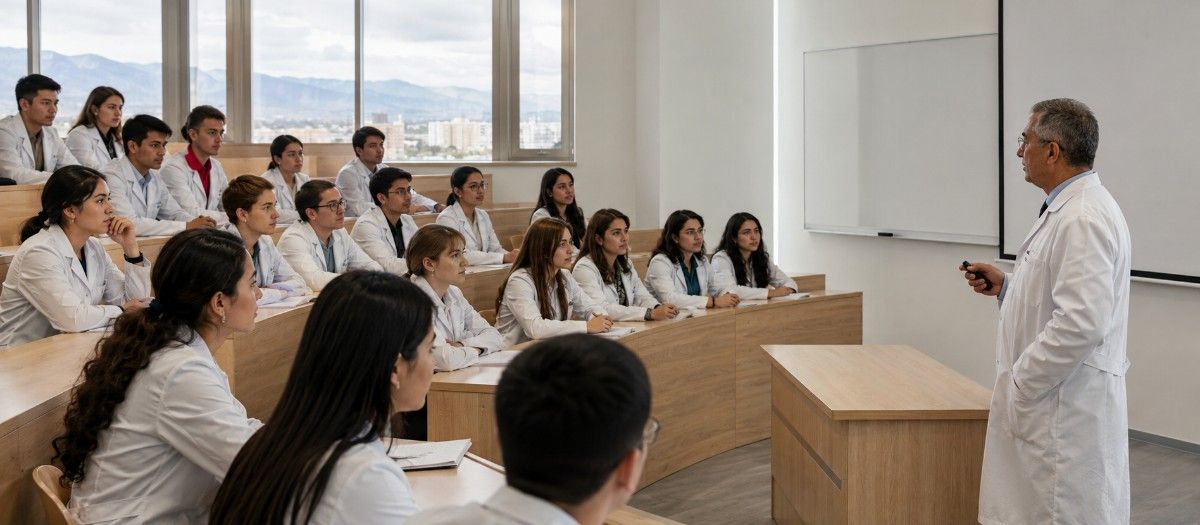
The school combines classroom learning with clinical preparation. Caspian University reports that its medical program operates with its own clinical facility. The university also developed a simulation centre for medical training. Students can work with robot simulators, an interactive anatomical table and other virtual simulation tools. The university also provides tablets containing educational programs and learning materials to its students. These facilities help students practise clinical concepts before they handle more complex patient care.
WDOMS currently lists Caspian University International School of Medicine as an operational medical school. Medical instruction began in 2020. WDOMS records the current Medicine program as a Bachelor of Medicine and Bachelor of Surgery degree with a five-year curriculum. Students enter this pathway after completing secondary education. The same WDOMS record also lists a separate Medicine Continuous Integrated Medical Education program. That pathway awards a Doctor of Medicine degree and runs for six years. It accepts foreign students and includes internship and a specialised master's component in its six-year structure.
This distinction matters for international applicants. Many education websites use MBBS and MD interchangeably when describing medical study in Kazakhstan. The official WDOMS record separates the two current programs. Students should therefore check the exact program name and qualification on their admission documents. The duration can also differ depending on the pathway.
The medical school works through an academic structure that supports medical education, clinical preparation and research. Caspian University maintains a Student Scientific Society for the International School of Medicine. This gives medical students a formal platform for scientific activities and academic engagement. The university also maintains postgraduate medical programs within the medical school. Current university information lists postgraduate study in medicine along with residency options in different medical specialties.
The university has continued to develop its medical academic environment since 2020. Its medical school focuses on integrating education, science and clinical work. This approach gives students exposure to scientific thinking alongside their core medical subjects. The university also describes research as an important part of the school's long-term direction. Students who want to explore research can therefore find opportunities within the university's broader academic environment.
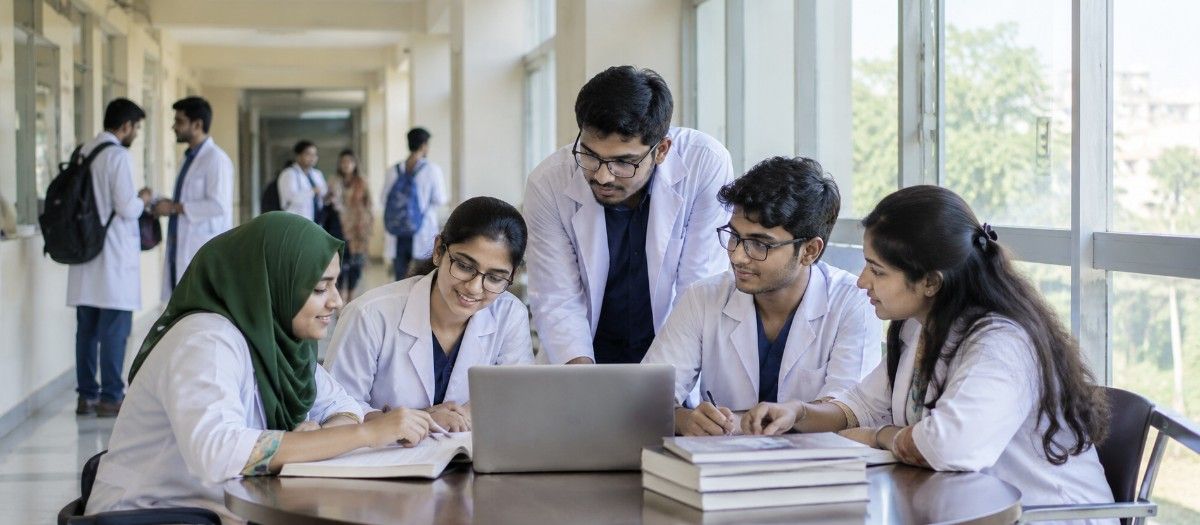
English plays an important role for international students. The Embassy of India currently lists English as the language of instruction for Caspian University medical education. The university's international medical school also promotes English-medium medical education for international applicants. This arrangement allows Indian students and other international students to study without relying on Kazakh or Russian as the main academic language.
The school provides students with access to clinical learning through its university-linked facilities. The university reports that students in General Medicine train in its own operating clinic. The simulation centre supports this clinical model by giving students opportunities to practise procedures and patient assessment. The university has invested in simulation technology that includes virtual training tools and anatomical learning equipment.
Students also benefit from the wider facilities of Caspian University. The main university campus supports several academic schools and institutes. Medical students therefore study within a larger university environment rather than an isolated medical campus. This setup can encourage interaction with students from other academic disciplines.
Almaty provides a major urban setting for international students. The city serves as Kazakhstan's largest metropolitan centre and an important educational and economic hub. Students can access public transport, shopping areas, restaurants, hospitals and other services across the city. Almaty's location near the Trans-Ili Alatau mountains also gives students access to mountain areas and outdoor activities.
The city has a continental climate. Winters can become cold while summers generally bring warmer weather. Students from India may need time to adjust to Almaty's winter temperatures. The city nevertheless offers a developed urban environment with international services and a sizeable student population.
Transportation around Almaty supports daily student travel. The city operates buses and other public transport services. Almaty also has a metro system. Students can use public transport to reach different parts of the city from the university area. The university campus operates on Seifullina Street, which gives students access to established urban transport routes.
Accommodation forms another important consideration for international applicants. Current education sources report hostel accommodation for Caspian International School of Medicine students. Some sources also report Indian food arrangements at the hostel. However, hostel and mess costs can vary by package and intake. The latest Embassy of India information provides a combined yearly hostel and mess figure of USD 2,000 for 10 months. Students should therefore confirm whether their admission package includes accommodation, meals or both before making payment.
Indian students also need to check the current Indian regulatory requirements before admission. The Embassy of India lists Caspian University among Kazakhstan institutions that hold licences in healthcare education. This provides an important official reference for Indian applicants. Students must still satisfy all current requirements of India's National Medical Commission before enrolling.
NEET remains an essential requirement for Indian students who plan to study medicine abroad under the applicable Indian rules. Students should also check the latest NMC foreign medical graduate regulations before selecting a university. The rules cover matters such as course duration, clinical training, internship, language of instruction and registration requirements.
Caspian University International School of Medicine therefore offers a relatively new medical education pathway within a university that has operated since 1992. Its main strengths include English-medium international education, simulation-based clinical preparation, university-linked clinical training and a location in Almaty. The school also maintains current program accreditation and a WDOMS listing. Students should still verify the exact degree pathway, fee schedule and internship structure before final enrolment because the university currently maintains both five-year and six-year medical pathways.