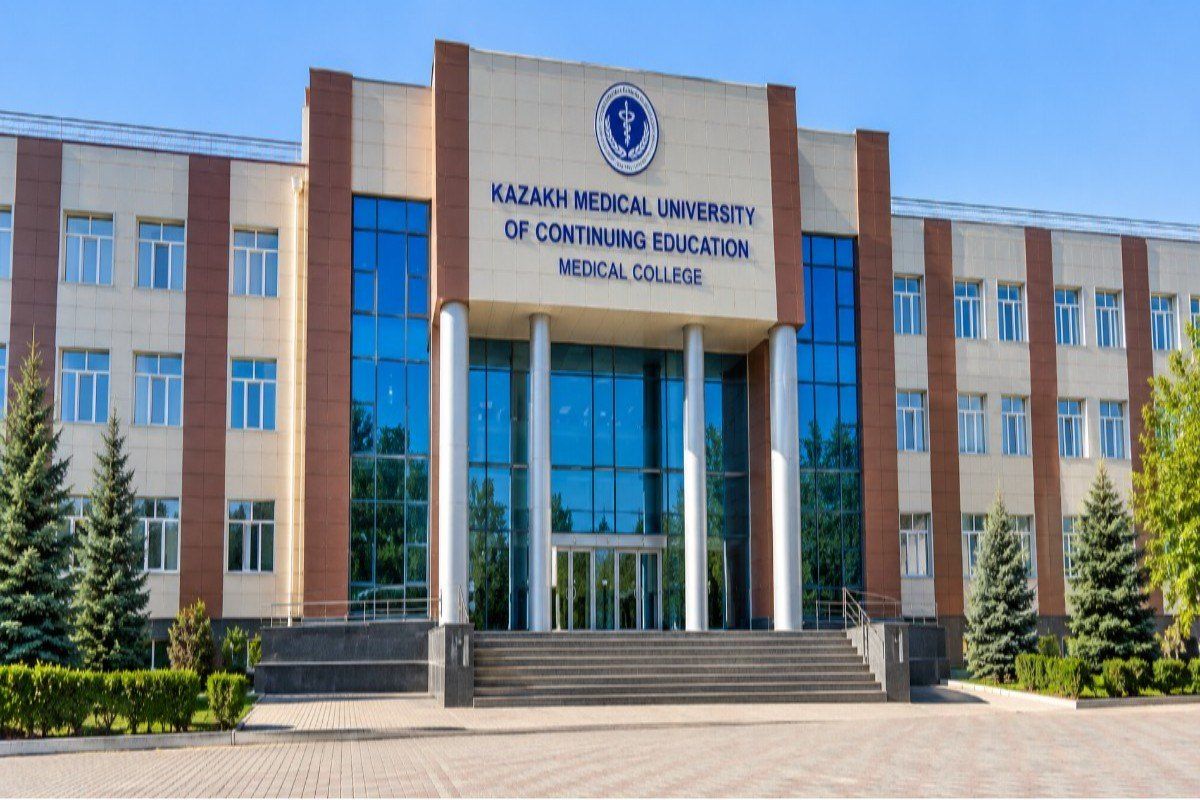
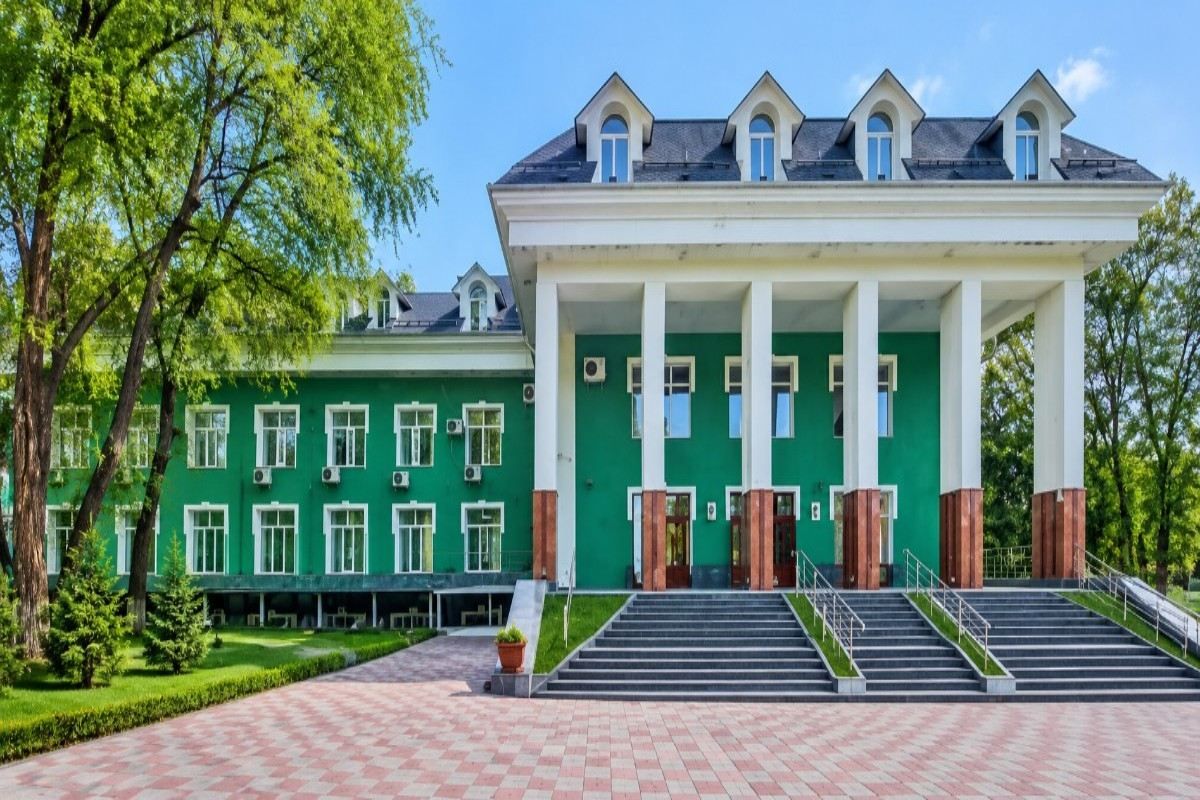
Kazakh Medical University of Continuing Education Medical College is located in Almaty, Kazakhstan. The college forms part of Kazakh Medical University of Continuing Education, also known as KazMUCE or KazMUNO. The university has a long history in postgraduate medical education. Its story began in August 1963 when the Council of Ministers of the USSR decided to establish the Almaty State Institute of Postgraduate Medical Education. The institution focused on improving the skills of practising doctors and other healthcare professionals.
The institution spent decades working in postgraduate medicine before it expanded its academic structure. The Government of Kazakhstan reorganised the institute in May 2014 and gave it the name Kazakh Medical University of Continuing Education. The university continues to focus strongly on professional development for healthcare workers. It also offers undergraduate medical education through its academic departments and its Medical College.
The Medical College followed a different path from the university's original postgraduate mission. KazMUCE opened the college to provide professional medical education at the college level. The university's official page lists Medical Business and Nursing among its programs. Students can enter the Medical Business program after Grade 9 or Grade 11. The course lasts 3 years and 10 months after Grade 9 and 2 years and 10 months after Grade 11. Nursing follows the same pattern for students who enter after Grade 9 or Grade 11.
KazMUCE has built much of its identity around continuing medical education. The university says more than 10,000 medical specialists receive training through its additional education programs each year. These programs include professional retraining, advanced training, seminars, workshops and other forms of continuing education. This focus gives the institution a strong connection with practising healthcare professionals in Kazakhstan.
The university also maintains separate academic departments for undergraduate and postgraduate education. Its website lists bachelor's programs, internships, residency, master's education and doctoral education. This wider academic structure allows medical students to study in an institution that works across several stages of medical training.
The university's clinical work also supports its academic mission. KazMUCE maintains a dedicated clinical activity section and a department responsible for clinical activities. The institution also runs a Center for Clinical Research, Evaluation and Technology Transfer. These units connect clinical practice with teaching and research within the university.
Almaty gives students access to Kazakhstan's largest urban environment. The city sits in southeastern Kazakhstan near the Trans-Ili Alatau mountains. The mountains shape the city's southern horizon and give Almaty a very different setting from the flat northern parts of the country. The city also remains one of Kazakhstan's main centres for education, healthcare, business and culture.
The city's climate follows a continental pattern. Winters can become cold while summers bring warmer weather. Snow appears during winter and the nearby mountains provide opportunities for outdoor activities during suitable seasons. Students from India may need some time to adjust to the colder winter months.
Almaty also has a long connection with higher education. Several universities operate in the city and students from different parts of Kazakhstan and other countries live there. The city has shopping areas, restaurants, markets, public parks, museums and sports facilities. International students can find familiar food options in several parts of the city.
KazMUCE has experience working with international students. WDOMS confirms that the Medical College admits foreign students. The university also maintains a dedicated section for foreign students on its website. This shows that international admissions form part of the institution's academic structure rather than an arrangement created only for one intake.
Indian students should pay close attention to the regulatory side before choosing the Medical College. NMC rules apply to Indian citizens who study medicine outside India. The NMC Foreign Medical Graduate Licentiate Regulations set conditions related to the duration of medical education, clinical training, medium of instruction, internship and registration in the country where the student earns the medical qualification. Students should check the rules that apply during their admission year. They should not rely only on statements from education agents or older websites.
Older accreditation records also show that KazMUCE held specialised accreditation for several postgraduate medical programs. Those records include specialties such as obstetrics and gynecology, anesthesiology, cardiovascular surgery, neurosurgery, ophthalmology and trauma orthopedics. These records show the university's long involvement in postgraduate medicine, but applicants should not treat expired accreditation as current accreditation.
The university also has a strong continuing education role. Its additional education department trains more than 10,000 medical specialists each year according to its own published information. Courses can last from one day to 20 weeks. The university offers retraining programs, advanced training and short professional courses for healthcare workers.
This background gives the Medical College a different character from a newly established standalone medical school. The parent institution has worked in medical education since 1963. The undergraduate medical college itself has a much newer history. WDOMS records 2018 as the beginning of medical instruction at the Medical College. Students therefore enter a newer undergraduate program within an institution with a much older postgraduate medical tradition.
For students comparing medical colleges in Kazakhstan, that combination deserves attention. The university brings decades of experience in postgraduate medical training while the Medical College gives students an undergraduate route into medicine. Its location in Almaty also puts students close to one of Kazakhstan's main healthcare and education centres.
The Medical College should not be confused with the many short continuing education courses that KazMUCE offers for practising doctors. Those courses can last only a few days or several weeks. The MBBS program listed by WDOMS follows a separate academic pathway and carries a five-year duration in the current WDOMS record.
Students should also avoid relying on generic claims about WHO approval or NMC approval. WHO does not function as an individual medical school accreditor. NMC does not simply stamp foreign medical schools as approved universities. Indian students must satisfy the applicable foreign medical graduate rules after completing their education. This distinction can prevent costly mistakes during admission.
The strongest verified point about the Medical College remains its WDOMS listing. The record confirms its operational status, foreign student admission, MBBS qualification and five-year curriculum. It also provides the institution's address and FAIMER School ID. Students should use these details when checking their eligibility for licensing pathways in other countries.
Kazakh Medical University of Continuing Education Medical College therefore offers an undergraduate medical pathway within an institution with more than six decades of medical education history. Its main campus sits in Almaty and the university continues to combine undergraduate education, postgraduate training, clinical activity, research and continuing professional development. The college's relatively recent undergraduate history sits alongside the university's much older role in training healthcare professionals.