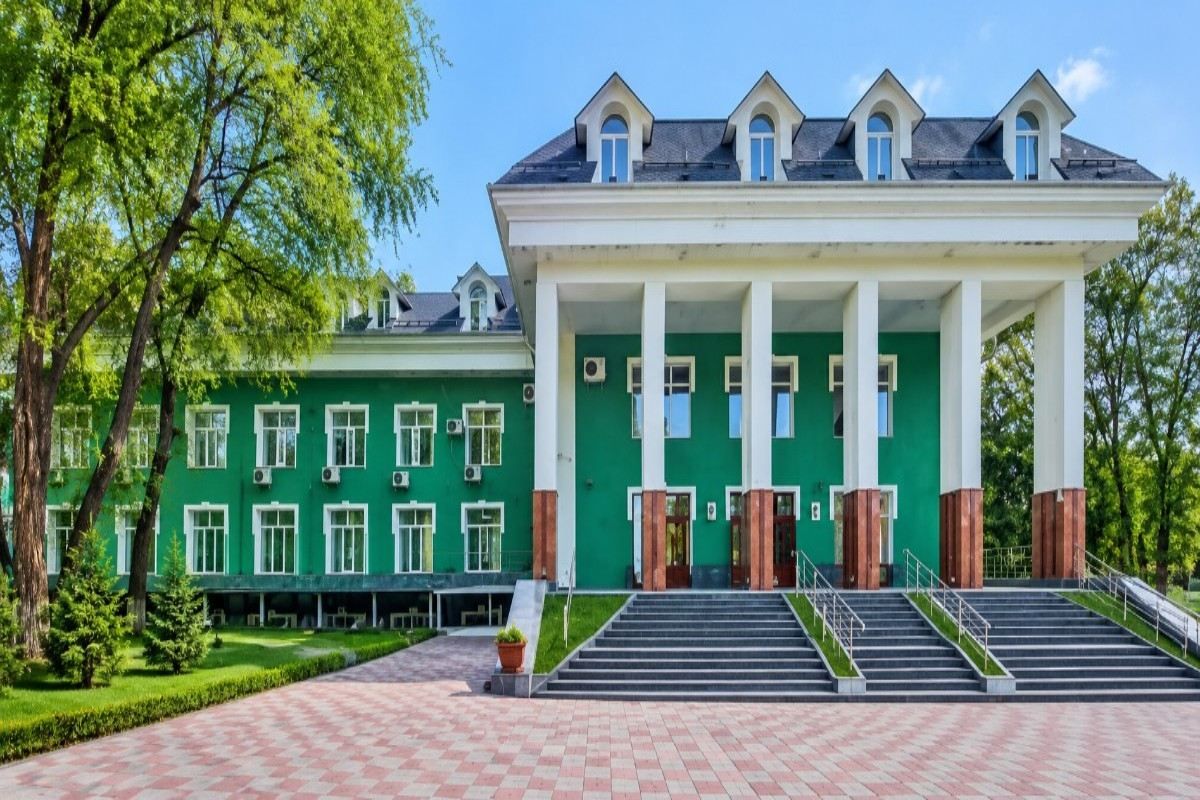
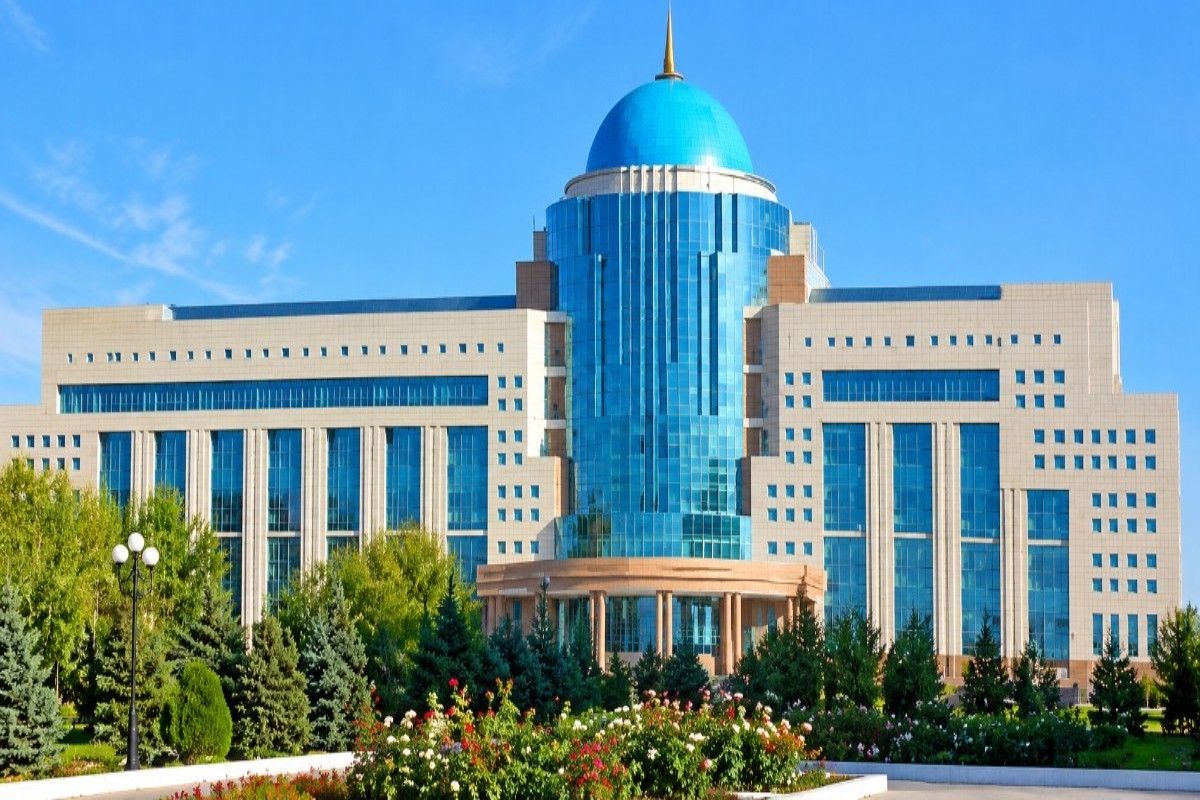
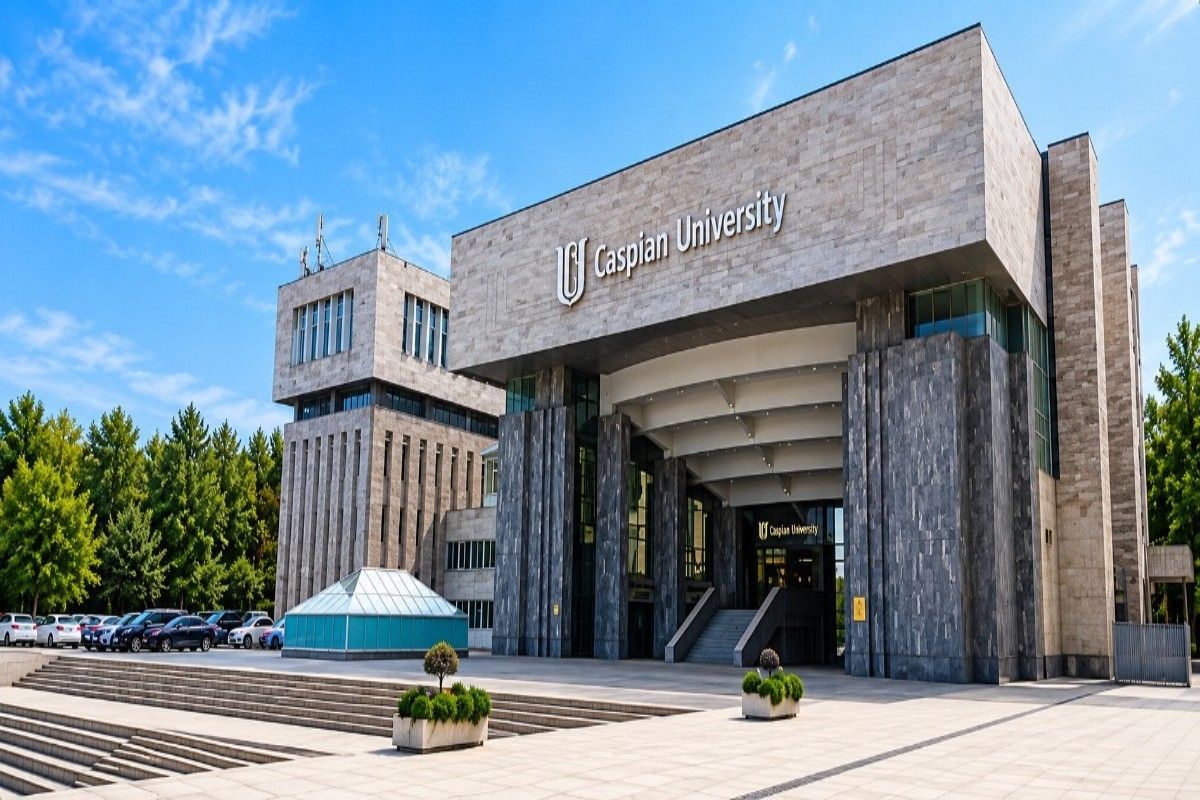
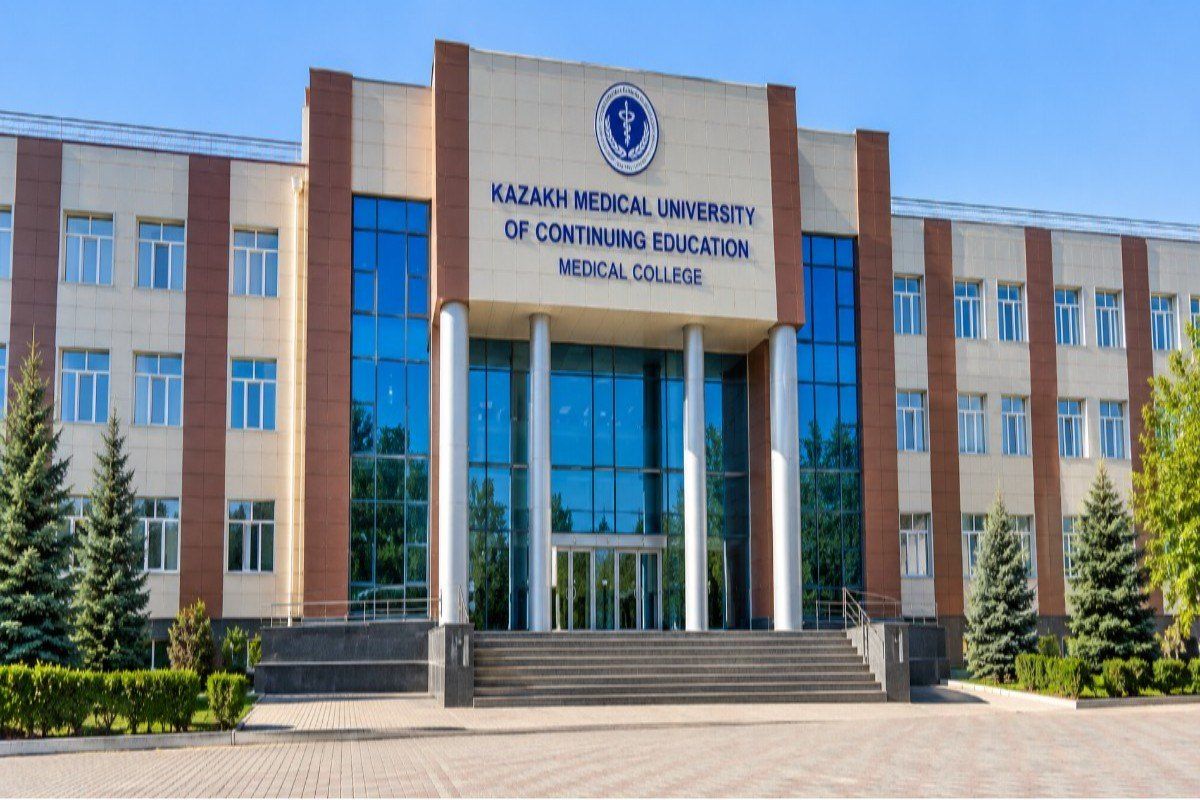
Kenzhegali Sagadiev University of International Business Faculty of Medicine operates in Almaty, Kazakhstan. The medical faculty forms part of Kenzhegali Sagadiev University of International Business, commonly known as UIB. The university began its history in 1992 when the Kazakh State Academy of Management created the Republican School of Business with participation from IBM Corporation. UIB later grew from that business school into a university with a wider academic portfolio.
The institution changed its name several times as it expanded. In 1993, the School of International Business became a separate higher education institution. UIB adopted its present university identity in 2001. The university later took the name of Kenzhegali Sagadiev. Sagadiev played a major role in Kazakhstan's academic and economic development. He led several higher education institutions and also served as president of the National Academy of Sciences of Kazakhstan.
UIB entered medical education much later than its business programs. The International Medical School began medical instruction in 2020. WDOMS currently lists the school as Kenzhegali Sagadiev University of International Business Faculty of Medicine. The directory records 2020 as the year when medical instruction began and confirms that the school currently operates.
The medical faculty offers a six-year General Medicine program under the continuous integrated medical education model. WDOMS records the program as leading to a Bachelor of Medicine and Bachelor of Surgery qualification. The directory also records secondary education as the entry requirement and confirms that the program includes an internship and specialised Master's component.
UIB also introduced the Smart Medicine program in 2020. WDOMS records that program separately with a five-year duration and English as its teaching language. The same directory records the six-year General Medicine program from 2022. The university's own Faculty of Medicine page currently describes its international medicine offering as a six-year English-medium course.
This structure gives the medical faculty a fairly new position within Kazakhstan's medical education sector. UIB brings its existing experience in business, management and technology into medical education. Its medical curriculum includes subjects that connect medicine with technology, data and management. Students study medical bioinformatics, data analysis and processing in medicine and the latest technologies in medicine alongside traditional medical sciences.
The pre-clinical department began its work in 2022. It handles the basic medical sciences that students need before they move deeper into clinical training. The department runs teaching and research activities through lectures, practical sessions, group projects, conferences and academic discussions. It also uses online learning platforms such as Microsoft and Moodle when the teaching plan requires them.
Students can use laboratories that support anatomy, biochemistry, microbiology, histology and pathology education. These subjects give students their first structured understanding of the human body and disease processes. The department also supports research activity among students and teachers. For the 2025 to 2026 academic year, the department reports 62 academic staff members. The group includes 39 full-time staff and 23 part-time staff.
The curriculum then moves from basic sciences into clinical medicine. Students study propaedeutics of internal medicine, general surgery, pediatrics, clinical anatomy, obstetrics and gynecology. Later subjects include internal medicine, anesthesiology, ophthalmology, pulmonology, otorhinolaryngology, infectious diseases, radiology, orthopedics and traumatology. The curriculum also includes emergency medicine, psychiatry, oncology, neurology and family medicine.
The university also places research within the medical curriculum. Students study biostatistics and evidence-based medicine and complete research projects in therapy, surgery, obstetrics and gynecology and pediatrics. Academic writing also forms part of the program. This gives students some exposure to medical research alongside clinical subjects.
Almaty gives medical students a different setting from Kazakhstan's newer capital, Astana. The city sits in southeastern Kazakhstan near the Trans-Ili Alatau range. Mountains shape the southern edge of the city and give Almaty a distinct geographical character. The city covers about 683.5 square kilometres.
Almaty also remains Kazakhstan's largest city. The national statistics office recorded a population of about 2.37 million in July 2026. The city serves as a major economic, educational, cultural and financial centre. Students therefore live in one of Kazakhstan's busiest urban areas rather than in a small university town.
The city also has strong transport connections. Almaty International Airport handles the country's highest passenger traffic and sits about 15 kilometres from the city centre. Almaty also has two major railway stations and the country's only metro system. These connections make travel within Kazakhstan and to other countries easier for international students.
Almaty has a continental climate, but its mountain location gives it milder winters than several other parts of Kazakhstan. The government of Almaty reports an average annual temperature of about 10 degrees Celsius. Students can expect cold winters, warmer summers and noticeable seasonal changes.
The city also has a long academic and cultural history. Almaty served as Kazakhstan's capital until 1997. It continues to host universities, research organisations, financial institutions and cultural centres. Students can find restaurants, shopping areas, public transport, sports facilities and cultural attractions across the city.
The current NMC rules also require Indian students to meet the applicable admission requirements for foreign medical education. NEET qualification remains relevant for Indian students seeking to study medicine abroad. Students should verify their individual eligibility against the rules that apply during their admission year rather than relying on older consultancy pages.
One feature separates UIB from many older medical universities in Kazakhstan. The medical school has developed inside a university that originally built its reputation around business education. The faculty therefore includes subjects such as medical management, data analysis and medical bioinformatics within its medical curriculum. This combination gives the program a different academic character from a traditional medical university.
UIB has also continued to develop its wider academic profile. The university holds several institutional and program accreditations across its non-medical portfolio. Its history includes accreditation work with IQAA, AQA, FIBAA and other quality assurance bodies. Applicants should distinguish those institutional and non-medical accreditations from medical program accreditation when assessing the Faculty of Medicine.