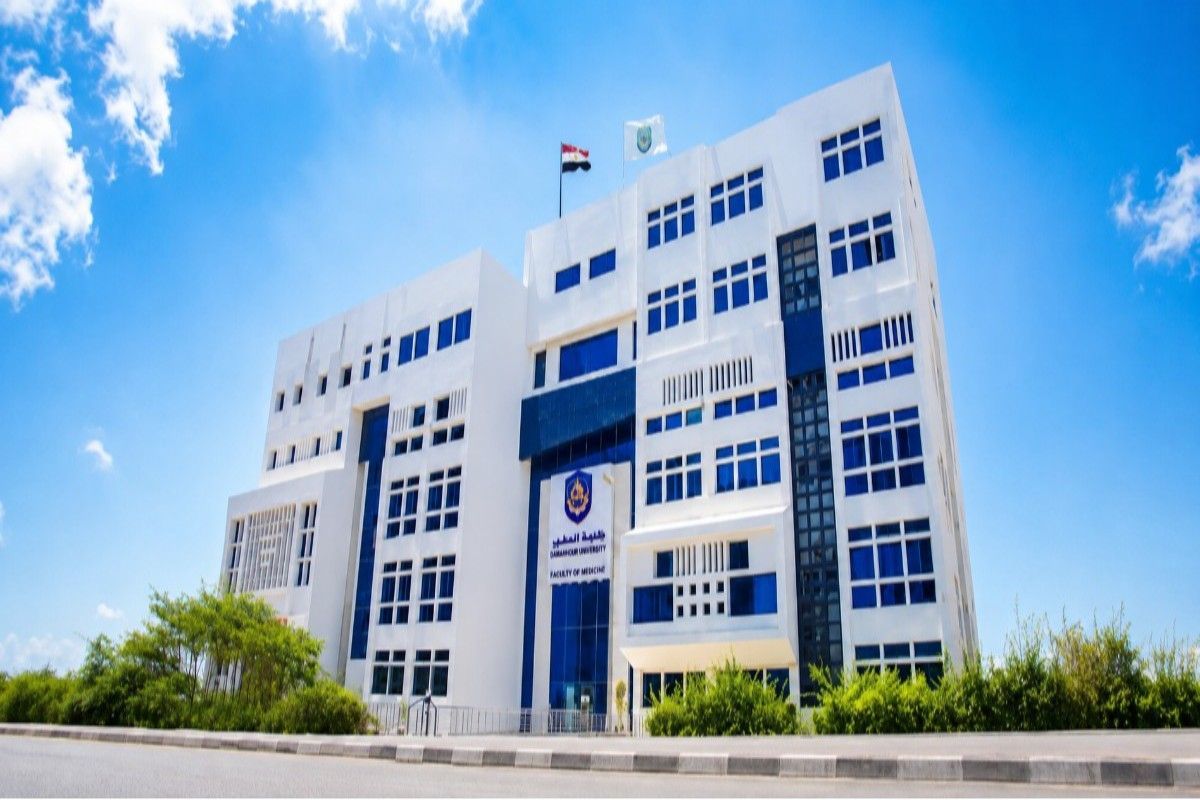
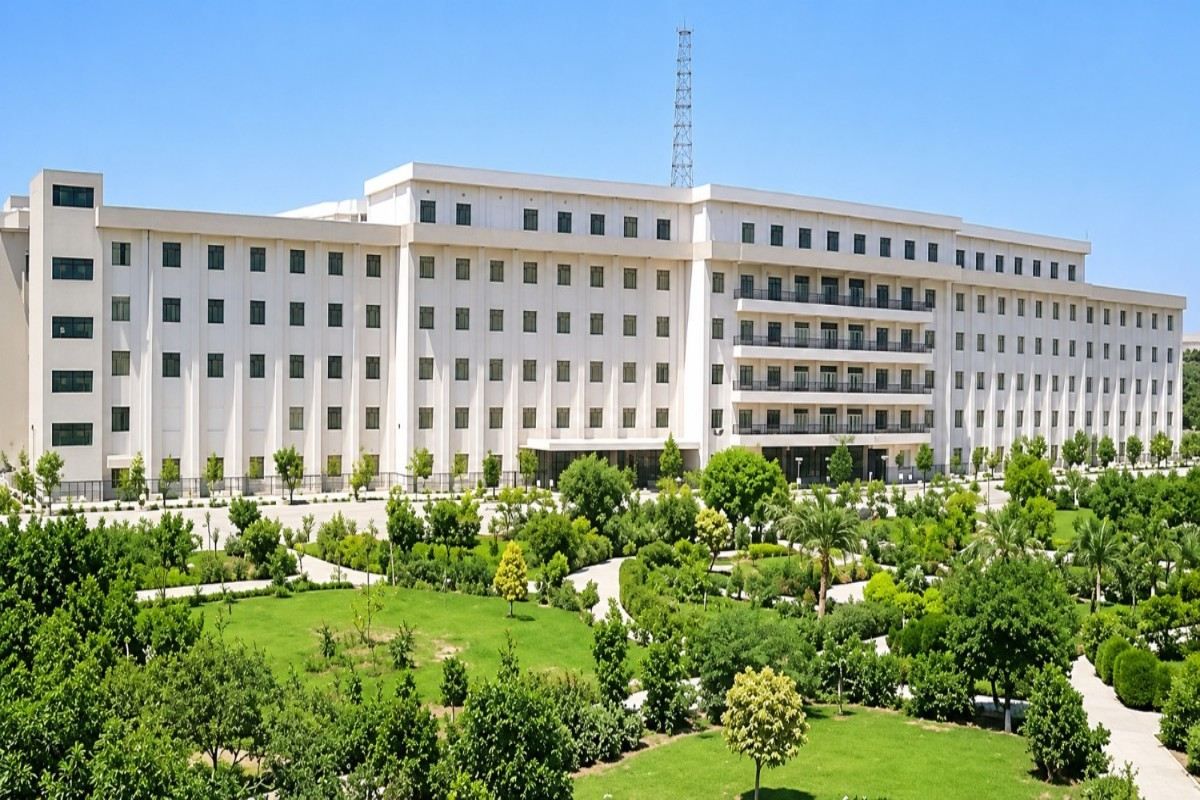
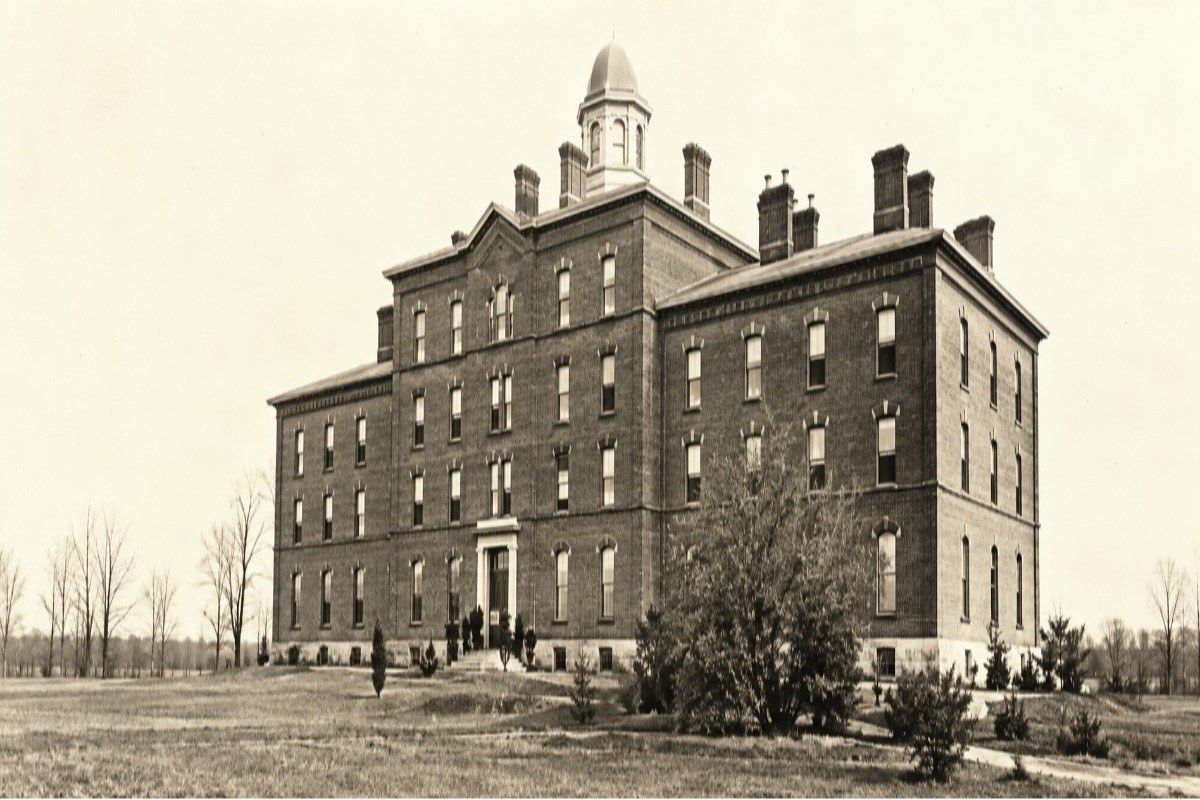
Beheira Governorate is situated in the western part of Nile Delta, between Alexandria and Cairo. It has several million inhabitants, but no medical faculty existed here for a long time. People from Damanhour and other cities in this governorate usually moved to Alexandria, Tanta or Cairo to get medical education. The Faculty of Medicine at Damanhour University was created for overcoming this deficiency.
As opposed to other faculties like Education, Agriculture, Arts and Commerce, the Faculty of Medicine is one of the latest additions to this university. In general, Damanhour University has functioned as a branch of Alexandria University until 2010 when it got its independence as an independent educational institution because of a presidential decree. Thus, the creation of the medical faculty is the development of the university.
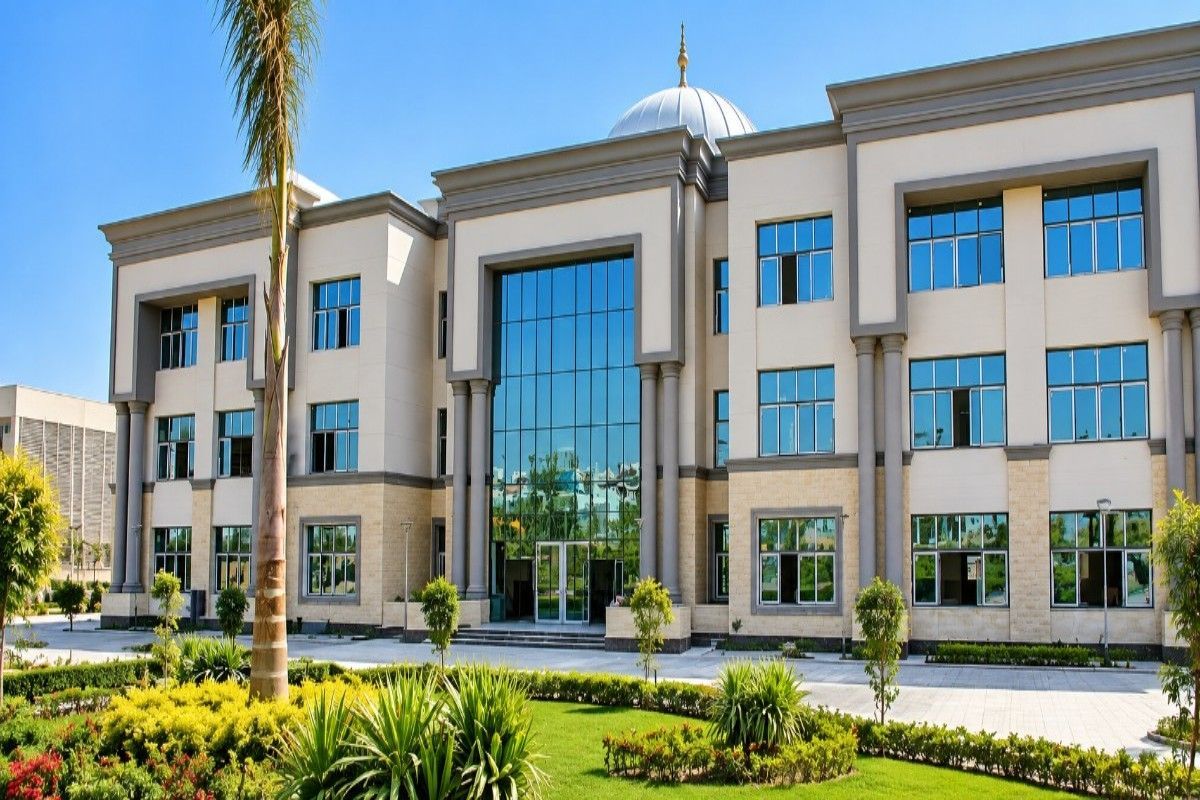
The development project has started in 2019. The idea was to create a medical campus at the university's Al-Ib'adia complex, which is located along the Cairo-Alexandria Road. The area of the development was about 71,000 sq.m., and the budget was around 1.25 billion Egyptian pounds. The project provides for a faculty building and a big teaching university hospital. They will become the basis of the first medical education and training center in Beheira.
It is expected that the teaching hospital will have 500 beds and multi-floors with the facilities needed for clinical practices and other services. Many media sources in Egypt refer to the project as the first medical faculty and university hospital in the governorate. The construction has been going in phases, and laboratories, lecture halls and other hospital facilities are developed at the same time. Even in 2025, representatives of the university continued inspecting the site of the construction and overseeing the completion.
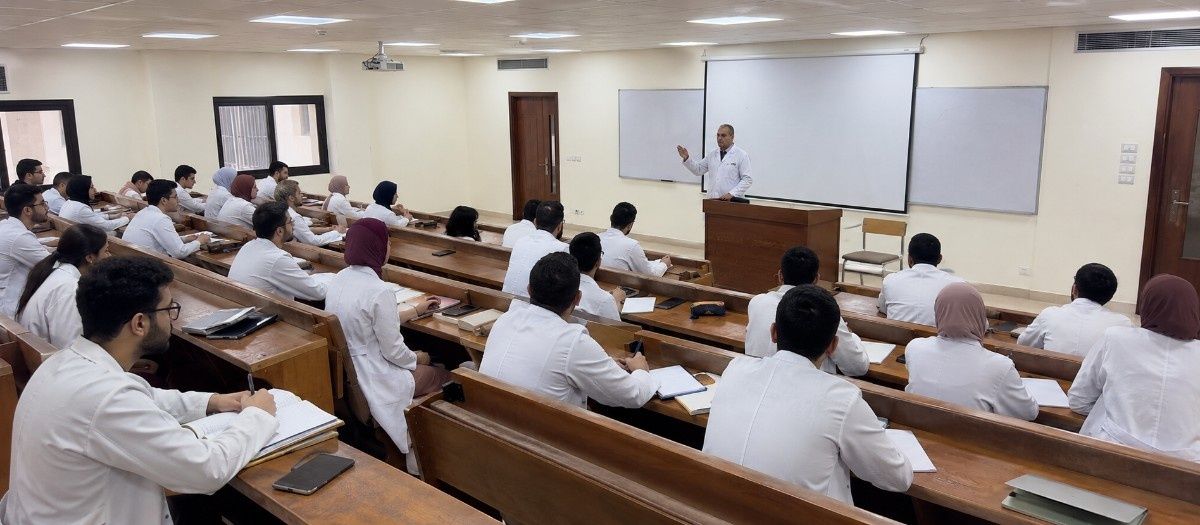
Even though the project has not been completed yet, the faculty has already been admitting the students. It is present in the official Egyptian admissions system Thanaweya Amma and is involved in the national placement process. The admission cutoff scores for 2024-2025 academic year have been reported at around 91-92%. Such high scores make it possible to place this faculty among the most competitive public medical faculties in Egypt, but not as competitive as those of Cairo, Alexandria and Ain Shams universities.
The fact that admissions have started means that the faculty is working academically even when the construction is in progress. Such a situation is not unusual for newly-established public universities in Egypt. But it means that the potential applicants need to verify the current state of facilities and the opportunities for clinical training very carefully because the construction is not finished.
When it comes to the question of the possibility of studying medicine for international students in such a new institution, especially for Indian ones, the answer is cautious. According to the available information, the program has been mainly designed for Egyptian students applying through the Arabic-medium national admission system. There is no information about an existing English medium medical program in this faculty.
Of equal importance is the question of international recognition of the medical program and faculty. Publicly available information does not show the registration in the World Directory of Medical Schools and no information is available about any promotional activities targeted at international applicants. This means that this faculty differs from many other medical schools in Egypt regularly recruiting international students.
In general, this does not lessen the value of the project. Once the project is finished and ready to work, this faculty and the hospital will contribute a lot to the provision of healthcare and medical education in Beheira Governorate. Before, people used to rely on Alexandria for their specialized healthcare needs. The new hospital will help to reduce the dependence and provide additional opportunities for the future doctors.
The construction of a 500-bed university hospital can be called the major contribution to the local healthcare infrastructure. Eventually, students will be able to perform much of their clinical practice right here in the governorate without having to go somewhere else. One of the aims of this project is to increase the healthcare personnel, and, in this case, it is possible because of the training of students near their homes.
Representatives of the university always emphasized the importance of this project as the long-term investment in the local healthcare and education. Reduction of pressure on the hospitals in Alexandria and improvement of access to specialized healthcare are among the main aims of the faculty. Thus, it can be said that it is connected with the development of the region.
Damanhour itself is a rather small city with the economy based on agriculture, trading and light industry. Being located at one hour from Alexandria, it provides a more peaceful life than Egypt's major metropolises. Expenses related to living are usually lower in Damanhour than in Cairo or Alexandria. Thus, in the future, it can become an advantage for students.
The character of the city is more determined by the surrounding Delta fields and the transport connection with other cities than by the university town features. Students who want to live in the big city can expect less crowded life than in Cairo or Alexandria. For some others, lower expenses and quietness can be an advantage. Everything depends on the preferences and expectations of the applicant.
At the moment, the Faculty of Medicine at Damanhour University should be considered as an emerging institution, and not an established international medical school. Its long-term perspectives are promising, taking into account the investments made and the demand for healthcare services in the region. However, many things about its development are still changing, and the students need to do careful verification.
Any person who is consulting international applicants needs to check the necessary information concerning this faculty from the university's representatives. Such information as the tuition fees, curriculum, language of instructions, clinical training opportunities and international recognition can change with the development of the faculty. Written confirmation of the information provided by the university's international office is recommended. Verification with relevant regulatory bodies, including the National Medical Commission when necessary, is important before considering this program as an MBBS-abroad opportu