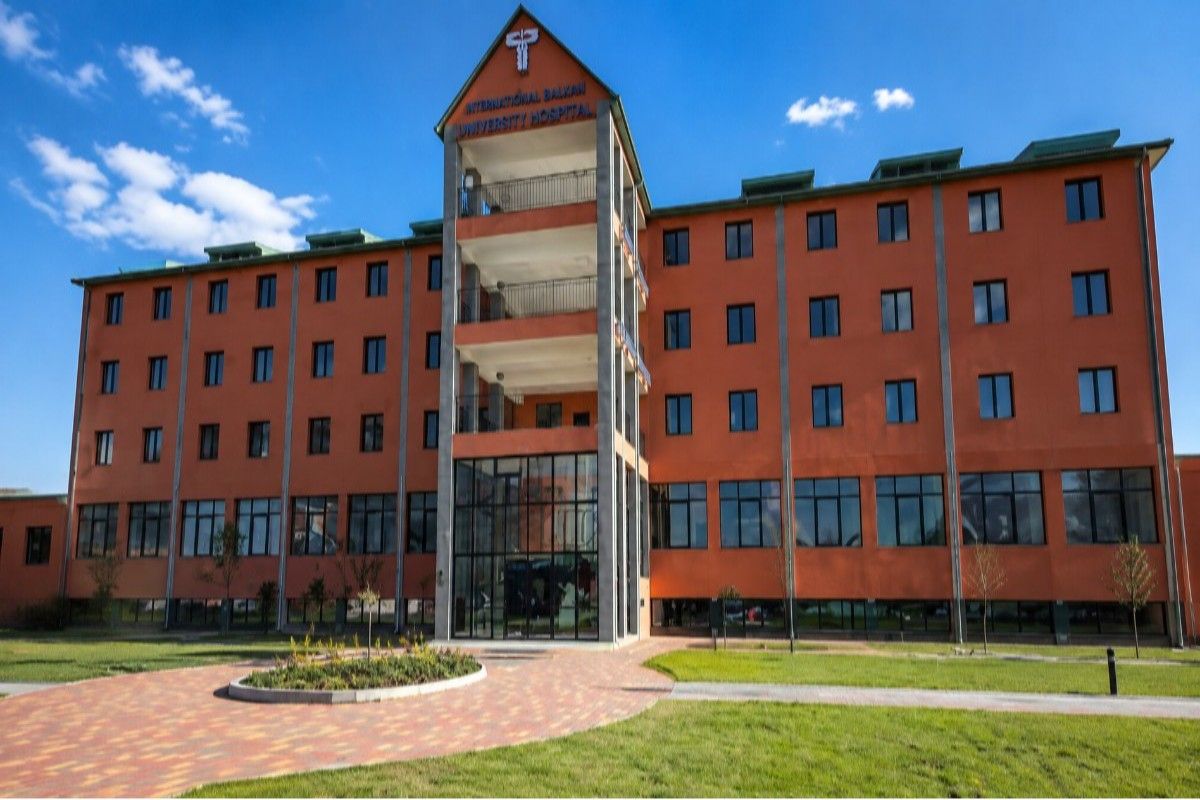
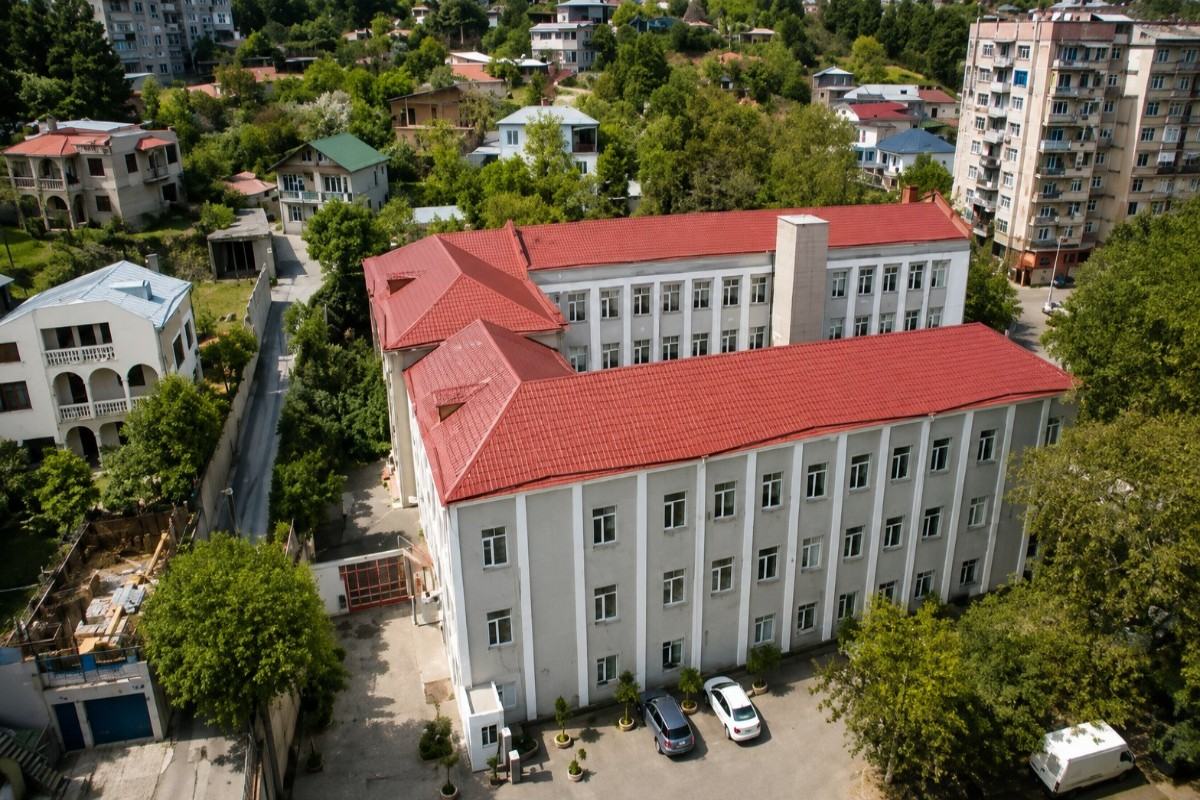
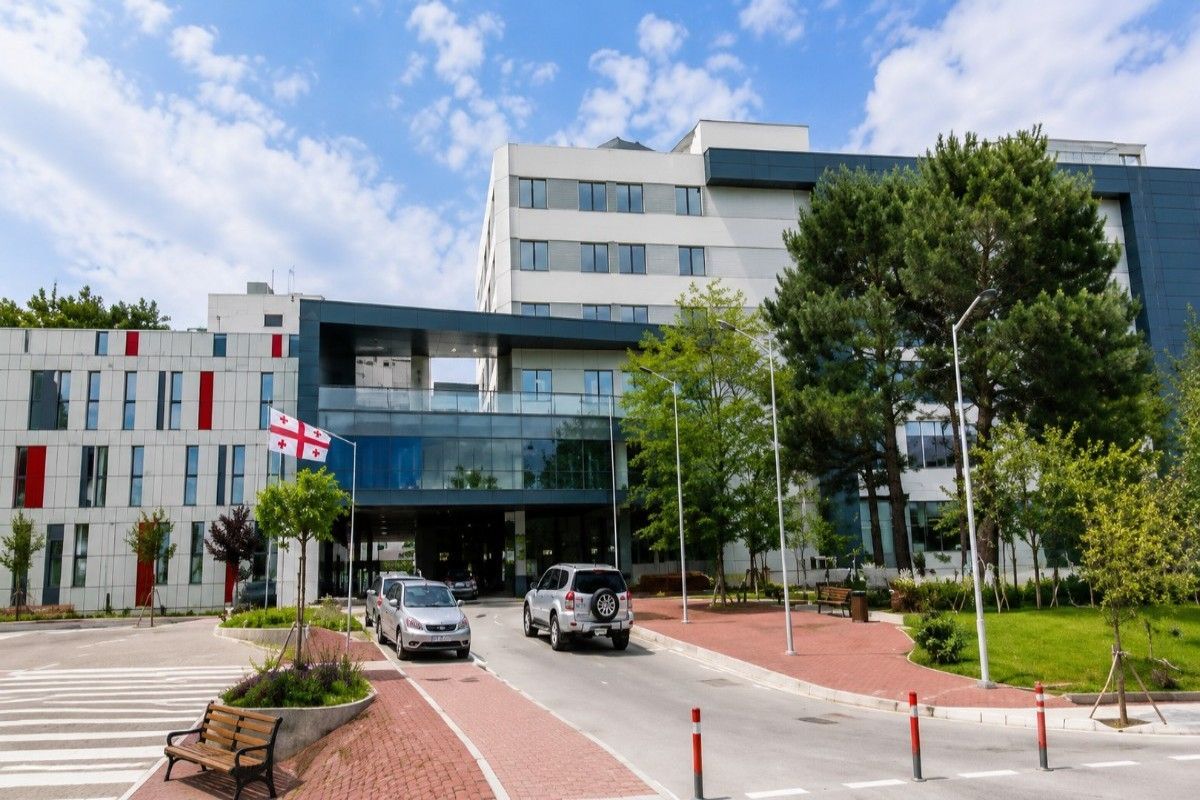
The University and What Makes It Different
People mostly just call it DAUG for short. It's genuinely one of Georgia's older private universities, established in 1991, right at the start of the country's post-Soviet era, though one source cites 1992 instead, a minor discrepancy worth flagging rather than glossing over. So, whichever exact year applies, this university's origins trace to a genuinely pivotal moment in Georgia's modern history.
Here's a fact most guides skip entirely. The university was originally founded as the David Aghmashenebeli Tbilisi Engineering-Economic Institute, established by a group of the country's most respected scholars, organised under a society called "Support and Raise." One source ties the university's founding specifically to the idea of restoring Georgia's independence and developing what it describes as a Socially Secured Society, reflecting the genuinely charged political and educational atmosphere of Georgia in the years immediately surrounding the Soviet Union's collapse. So, this institution's name and founding story carry real historical weight tied to Georgia's own national story, not a generic private-college origin.
The university's name itself honours King David IV of Georgia, widely known in Georgian history as David the Builder, or Aghmashenebeli in Georgian, a medieval monarch celebrated for uniting and strengthening the Georgian kingdom. So, this university carries the name of one of Georgian history's most significant figures, a genuinely deliberate historical choice rather than an arbitrary title.
The Faculty of Medicine describes itself as the university's flagship academic division, structured around an Institute of Anatomy and Physiology, alongside departments of Hospital Therapy, General Surgery, and Obstetrics and Pediatrics. DAUG is a member of the European Business Assembly, and several education consultancy sources describe it as recognised by a range of international bodies, including the World Directory of Medical Schools, WDOMS, the World Health Organisation, and India's National Medical Commission, among others, though these specific claims should be independently confirmed given how consistently such lists appear across smaller private medical universities in this region.
The Tbilisi Campus and Its Setting
DAUG is based in Tbilisi, Georgia's vibrant capital and largest city, widely described as one of the safest capitals in the world, with a genuinely rich blend of historic charm and modern amenities. So, students here study within a genuinely large, well-connected capital city, rather than a smaller regional town.
Clinical rotations for MD students run through several State and Private Hospitals across Tbilisi, beginning from the third year of the programme onward, giving students exposure to a genuinely varied hospital network rather than a single, exclusively named teaching hospital. Available sources don't identify one specific primary teaching hospital for DAUG in the way some other universities in comparable guides do, so applicants should confirm exact current clinical placement sites directly with the university.
Course Structure, Cost, and Practical Details
DAUG's Medical Doctor programme runs six years in total, including a compulsory one-year internship, structured across two semesters per year, with students required to accumulate a total of 360 credits to graduate, a genuinely specific, verifiable academic requirement. The degree is aligned with the European Bologna Process structure, and the programme is taught entirely in English.
Here's a genuinely important point worth being upfront about. One source specifically notes that, as of 2019, no Indian student had yet graduated from DAUG, meaning FMGE outcomes data, how well DAUG graduates actually perform on India's licensing exam, simply wasn't available at that point, and the source describes DAUG as not being a particularly popular choice among Indian applicants historically. So, prospective Indian applicants should treat this as a genuine, specific gap in track-record evidence, and should ask DAUG directly for more recent graduate outcomes data before applying, rather than assuming a long-established performance history exists.
Fee figures here are genuinely well documented and consistent across multiple independent sources. Annual tuition is reported at approximately USD 4,100, working out to roughly USD 24,600 in total tuition across the full six-year programme, including the internship year. Beyond tuition, hostel or residential accommodation is reported at roughly USD 1,000 to 2,000 a year, mandatory medical insurance, required for all international students, runs to approximately USD 200 to 350 a year, and a mandatory visa or residency permit fee applies annually at roughly USD 100 to 200. A one-time, non-refundable initial registration fee of approximately USD 500 to 1,000 is collected in the first year, alongside a separate, refundable caution deposit whose exact amount varies. One detailed source specifically states that no capitation fee, meaning no additional non-refundable development charge, applies here, a genuinely reassuring, specific point for cost-conscious applicants.
One further point worth noting cautiously: at least one source claims the Georgian government has stopped foreign admissions to state medical universities in Georgia, meaning only private universities remain available to international, including Indian, medical applicants going forward. This is a significant claim about national policy that couldn't be independently verified from the sources reviewed for this profile, so applicants should confirm the current state of Georgia's foreign admissions policy directly, rather than relying on this single report. NEET remains a genuine requirement for Indian applicants regardless, and Indian graduates would still need to clear the FMGE or NExT exam to practise medicine back in India.
Quick Overview
Parameter | Details |
Established | 1991 (reported by most sources; one source cites 1992), as the David Aghmashenebeli Tbilisi Engineering-Economic Institute |
Institution Type | Private university, state-authorised in Georgia |
Location | Tbilisi, Georgia |
Programme | Medical Doctor (MD/MBBS), equivalent to an MBBS, taught in English |
Duration | 6 years, including 1 year of compulsory internship; 360 credits required for graduation, across two semesters per year |
Medium of Instruction | English |
Foreign Quota Note | NEET required for Indian applicants; as of one 2020 report, no Indian student had yet graduated from this university, meaning no FMGE outcomes data was available at that time |
Teaching Hospital | Clinical rotations run through several State and Private Hospitals in Tbilisi (from Year 3 onwards); no single named primary teaching hospital identified in available sources |
Fee Structure
Fee Component | Amount | Notes |
Annual Tuition | Approx. USD 4,100 per year | Reported consistently across multiple independent sources as the standard MBBS/MD rate |
Total Tuition (6 years, including internship) | Approx. USD 24,600 | Based on the reported annual rate held stable across the programme |
Hostel Fees (Annual) | Approx. USD 1,000 to 2,000 per year | Residential rent; specific arrangements vary |
Mandatory Medical Insurance | Approx. USD 200 to 350 per year | Required for all international students |
Mandatory Visa/Residency Permit Fee | Approx. USD 100 to 200 per year | Ongoing annual requirement, separate from the initial student visa application |
Why This University Deserves a Harder Look, and a More Careful One, Than You've Given It
A Name Tied Directly to Georgian History
Most rival pages describing Georgian private universities give generic founder names without deeper context. DAUG's own name honours King David IV, David the Builder, one of medieval Georgia's most celebrated monarchs, a genuinely deliberate historical choice tied to national identity, not an arbitrary title. So, this university's naming carries real, specific historical meaning worth understanding.
A Genuinely Precise, Itemised Fee Structure
Most guides for smaller Georgian medical universities describe costs only in vague, rounded terms. DAUG's own reported fee breakdown is genuinely specific: separate, itemised figures for tuition, hostel, mandatory insurance, visa and residency permits, and a one-time registration fee, with an explicit statement that no capitation fee applies. So, applicants get a genuinely detailed, line-by-line cost picture here, not just a single bundled estimate.
Honest Assessment
Be very upfront about the real gaps here. As of at least one 2019-2020 report, no Indian student had graduated from DAUG, meaning genuine FMGE outcomes data for Indian graduates specifically wasn't yet available at that time, and the university was described as not being a particularly popular choice among Indian applicants. EduRank places DAUG at 40th in Georgia and 12,168th globally, a genuinely modest international standing worth knowing honestly rather than glossing over. No single named primary teaching hospital was identified in available sources, unlike some comparable Georgian medical universities.
So, who fits here best? Cost-conscious applicants drawn to a genuinely detailed, itemised fee structure with no hidden capitation charge, and comfortable being part of a genuinely smaller, less internationally established Indian student cohort, may find DAUG worth exploring further. Students interested in a university whose very name carries real Georgian historical significance fit well too. However, applicants who need confirmed, established FMGE outcomes data from prior Indian graduates, or a single, clearly named primary teaching hospital, should verify these specifics directly with DAUG before committing, and should independently confirm current claims about Georgia's national foreign-admissions policy. Still, the university's genuinely specific, transparent fee breakdown and its historically significant name are real, well-documented points of interest.