
When was University Geomedi established?
+It was founded in 1998, by Professor Marina Pirtskhalava according to most sources, though one source names a different founder, a discrepancy worth confirming directly.
 Georgia | Est. 1998
Georgia | Accredited by the Georgian National Educational Accreditation Centre (GNEAC); recognised by WHO, WFME, FAIMER, and India's NMC per multiple consultancy sources. | English and Georgian both run through the programme. medium
Expert will call you within 2 hours
People mostly just call it Geomedi for short. It's genuinely one of the older private medical universities covered in comparable Georgian guides, founded in 1998 by Professor Marina Pirtskhalava, a name cited consistently across the majority of independent sources reviewed for this profile. One less consistent source instead attributes the university's founding to a different individual, a genuine discrepancy worth flagging honestly rather than silently picking a side, though the weight of evidence points toward Professor Pirtskhalava as founder.
Here's a fact most guides skip entirely. Geomedi's full legal name, University Geomedi LLC, is a genuinely useful clue about its institutional status: the LLC designation confirms this as a private company structure, a detail worth knowing given that at least one source, likely in error, describes the university as "public." So, applicants should understand Geomedi as a private institution, consistent with the overwhelming majority of sources and with its own formal legal name.
The university describes its own mission as instilling national and universal values in education, promoting research activity, and developing higher and continuing education in line with international standards, with a stated priority on research, critical thinking, experience-sharing, tolerance, continuing professional growth, ethics, and social responsibility. Geomedi is a signatory to the Lisbon Convention, a genuinely specific, verifiable international agreement that enables graduates to work in more than 50 countries, and the university reports a substantial Indian student community, described by one detailed source as exceeding 400 students.
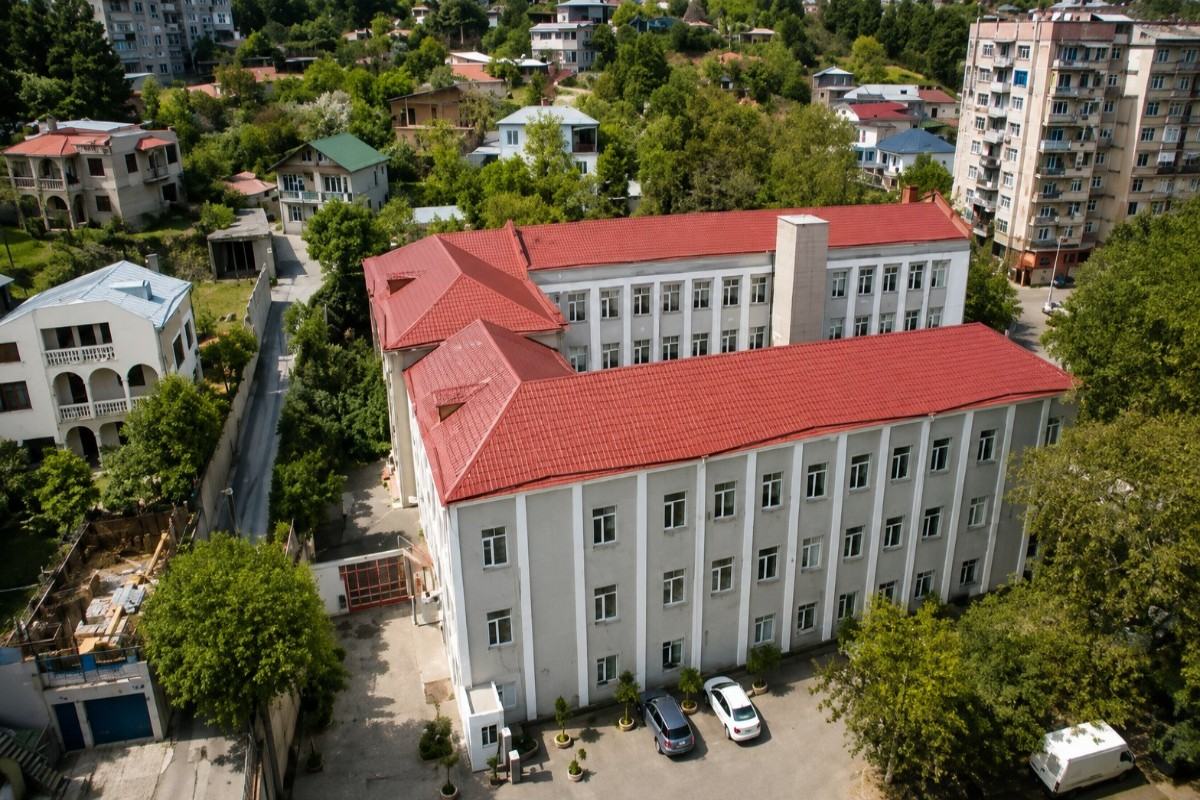
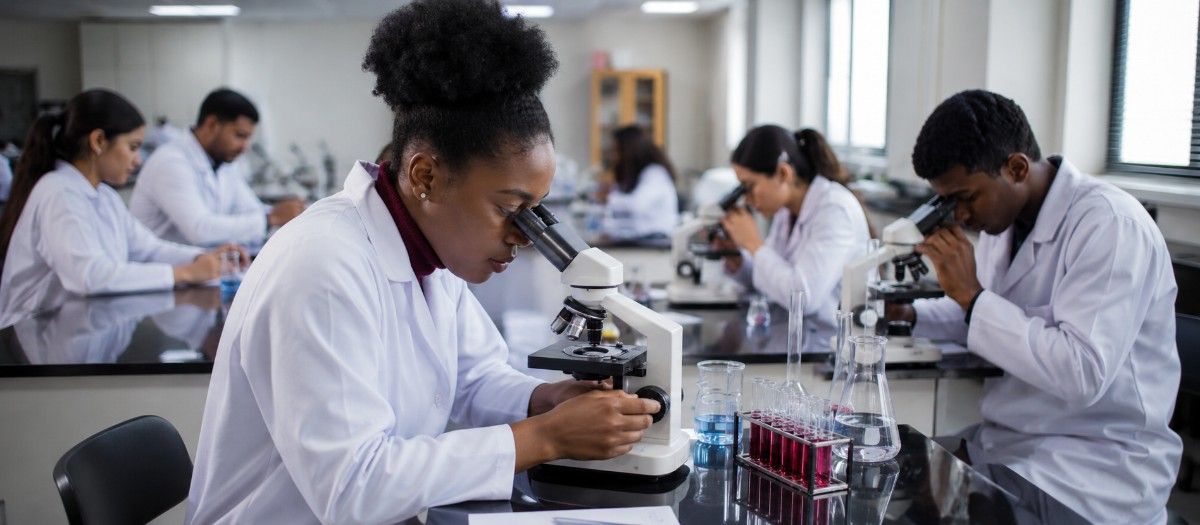
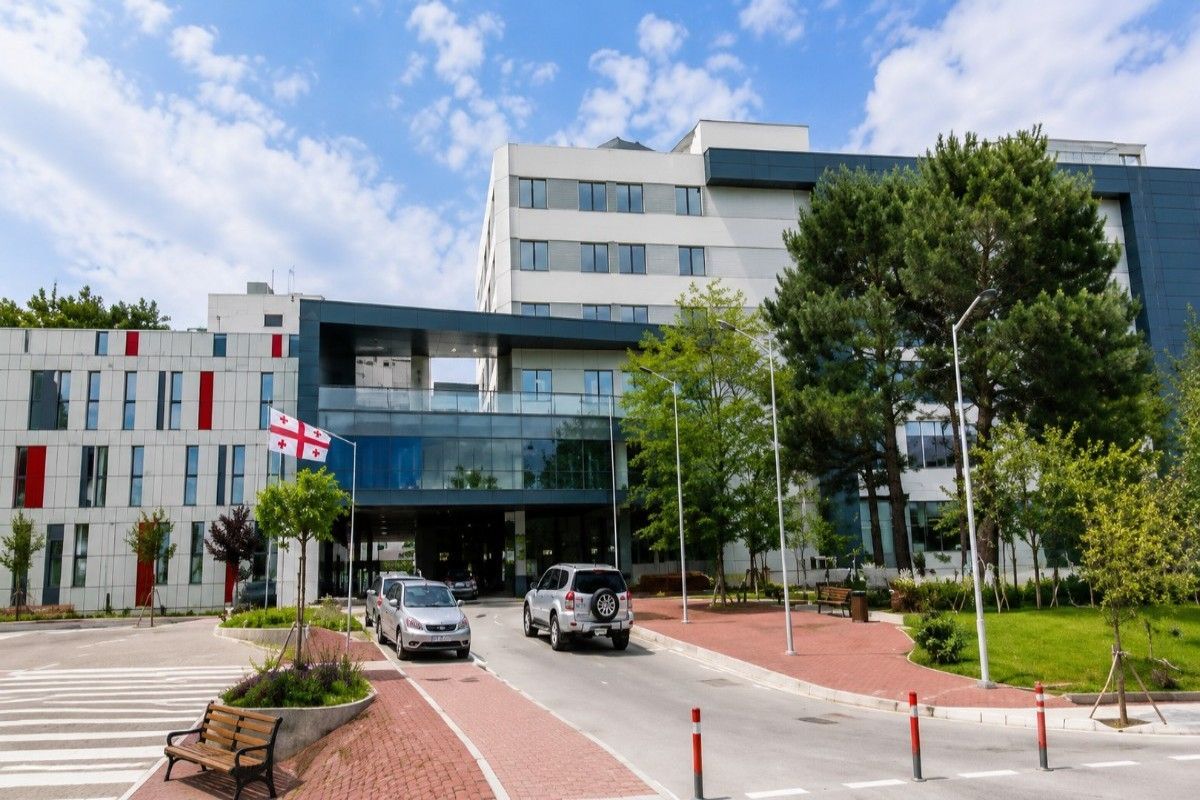
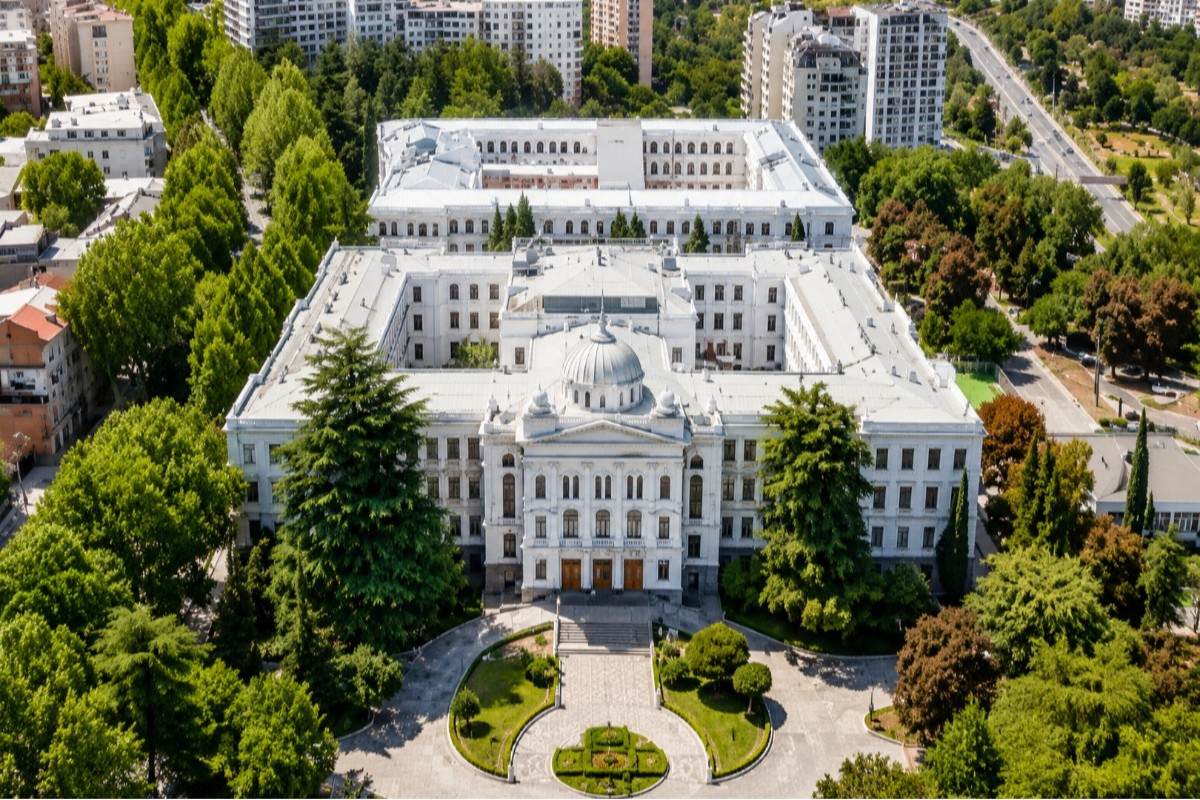
Geomedi's campus sits at 4 King Solomon II Street in Tbilisi, a site formerly known by the address 3 Krtsanisi Street, a specific, documented street renaming worth knowing if researching the university's older materials or historical records. The campus includes classrooms, science laboratories, a library, and hospital training facilities directly integrated into the university's own site.
Clinical training runs through a genuinely well-documented network of affiliated hospitals across Tbilisi, specifically including Rustavi Central Hospital and the Evex Hospitals network, which itself spans more than 18 hospitals across Georgia. This affiliation gives students exposure to a genuinely large, varied clinical network, working with diverse patient populations and modern medical technology across real clinical settings, rather than a single, isolated teaching hospital.
Geomedi's Doctor of Medicine programme runs six years, including a compulsory one-year clinical internship, taught in both English and Georgian, with the university stating explicitly that IELTS or TOEFL scores are not required for admission. The university follows an ECTS credit system, aligning its academic structure with broader European medical education standards.
Fee figures here genuinely conflict across sources in a way worth setting out honestly rather than papering over. The most consistently cited figure, appearing across multiple independent sources, places annual tuition at approximately USD 5,500, working out to roughly USD 33,000 across the full six-year programme. However, one source reports a considerably lower figure of USD 2,750 a year specifically for the MBBS programme, distinguishing it from a higher USD 5,500 rate quoted for the university's separate dental programme, while another source cites USD 6,000 a year. Given this genuine spread, ranging from roughly USD 2,750 to 6,000 depending on the source consulted, applicants should request the current, exact, itemised fee schedule directly from Geomedi rather than relying on any single third-party figure.
Scholarships of up to USD 1,000 are reportedly available to deserving students, and hostel accommodation is available for both male and female international students, with Indian food generally accessible in the city. Geomedi holds a Unirank standing of 36th within Georgia and 11,444th globally, a genuinely modest international position worth knowing honestly, even as the university's own regional reputation and hospital network remain genuinely well documented.
NEET remains a genuine requirement for Indian applicants here, exactly as it does for MBBS study in most other countries, and Indian graduates would still need to clear the FMGE or NExT exam to practise medicine back in India.
Parameter | Details |
Established | 1998, by Professor Marina Pirtskhalava (most sources); one source attributes founding to a different individual, a discrepancy worth noting |
Institution Type | Private university (the "LLC" in its formal name indicates private company status) |
Location | 4 King Solomon II Street (formerly 3 Krtsanisi Street), Tbilisi, Georgia |
Doctor of Medicine (MD/MBBS), equivalent to an MBBS | |
Duration | 6 years (5 years academic study plus 1 year of clinical internship) |
Medium of Instruction | English and Georgian |
Foreign Quota Note | NEET required for Indian applicants; IELTS/TOEFL not required for admission |
Teaching Hospitals | Affiliated hospitals in Tbilisi including Rustavi Central Hospital and the Evex Hospitals network (18+ hospitals across Georgia) |
Fee Component | Amount | Notes |
Annual Tuition (most commonly reported) | Approx. USD 5,500 per year | The figure cited most consistently across independent sources |
Annual Tuition (reported range across sources) | Approx. USD 2,750 to 6,000 per year | Genuinely conflicting figures across sources; one source distinguishes a lower MBBS rate from a higher Dental rate |
Total Tuition (6 years, based on most common figure) | Approx. USD 33,000 | Based on the USD 5,500/year figure held stable across the programme |
Scholarships | Up to USD 1,000 for deserving students | Reported by an independent education source; confirm current eligibility directly |
Ranking (Unirank) | Country: 36th; World: 11,444th | A genuinely modest international standing worth knowing honestly |
Most rival pages describing Georgian private medical universities name a single teaching hospital, if any. Geomedi's clinical affiliations specifically include Rustavi Central Hospital and the entire Evex Hospitals network, spanning more than 18 hospitals across the whole of Georgia. So, students here get access to a genuinely large, geographically varied clinical training network, not a single site.
Most guides describe international recognition in vague terms. Geomedi is specifically a signatory to the Lisbon Convention, a real, named international agreement governing the recognition of qualifications, which the university states enables graduates to work in more than 50 countries. So, this claim rests on a specific, verifiable legal framework, not a general marketing statement.
Be upfront about a few real gaps here. Tuition figures genuinely conflict across sources, ranging from roughly USD 2,750 to 6,000 a year depending on which source is consulted, a wider spread than at some comparable universities, so direct confirmation matters more than usual here. The university's own founder is also cited inconsistently across sources, with the overwhelming majority naming Professor Marina Pirtskhalava, though this should still be verified directly. Geomedi's Unirank standing, 36th in Georgia and 11,444th globally, reflects a genuinely modest international profile.
So, who fits here best? Cost-conscious applicants drawn to a genuinely well-established, nearly three-decade-old private Georgian medical university with a large, documented clinical hospital network, and willing to confirm the exact current tuition rate directly given the real spread across sources, fit well here. Students interested in a university with a substantial existing Indian student community fit well too. However, applicants who need a single, immediately confirmed tuition figure without further verification should treat the range reported here as a starting point for direct confirmation, not a final answer. Still, Geomedi's genuine institutional age, its large hospital network, and its Lisbon Convention signatory status are real, well-documented strengths.
No hidden charges, no donation. The full picture of costs at MBBS in University Geomedi LLC Faculty of Medicine.
Tuition Fee
Approx. USD 5,500 per year
Approx. USD 5,500 per year
Hostel Fee
$1,200 – $1,800 per year
$1,200 – $1,800 per year
Food & Meals
$1,200 – $1,800
per year
Insurance
$100 – $180
per year
Donation
no donation
no hidden fee
Total Estimated Cost
$48,000 and $58,680 USD
6 year
25–35%
Average FMGE first-attempt pass rates for students from many overseas medical universities. Students from structured programs consistently score higher.
Students returning to India need to clear the FMGE/NExT exam. MBBS in University Geomedi LLC Faculty of Medicine integrates exam-oriented coaching into the regular curriculum so students are prepared from day one.
A structured program that takes you from foundational sciences to clinical mastery.
Follows an ECTS credit system aligned with European medical education standards.
Covers Anatomy, Physiology, and Biochemistry, forming the scientific foundation for everything that follows.
Builds the diagnostic and population-health foundation needed for clinical training.
Covers Pathology, Microbiology, Pharmacology, and Community Medicine.
Runs through Rustavi Central Hospital and the wider Evex Hospitals network across Georgia.
Covers Medicine, Surgery, and allied clinical subjects, with hands-on training beginning from Year 3 onward.
Interns rotate through major hospital departments before receiving the final degree and practising licence.
A one-year internship follows the five years of academic study, matching the standard Georgian medical structure.
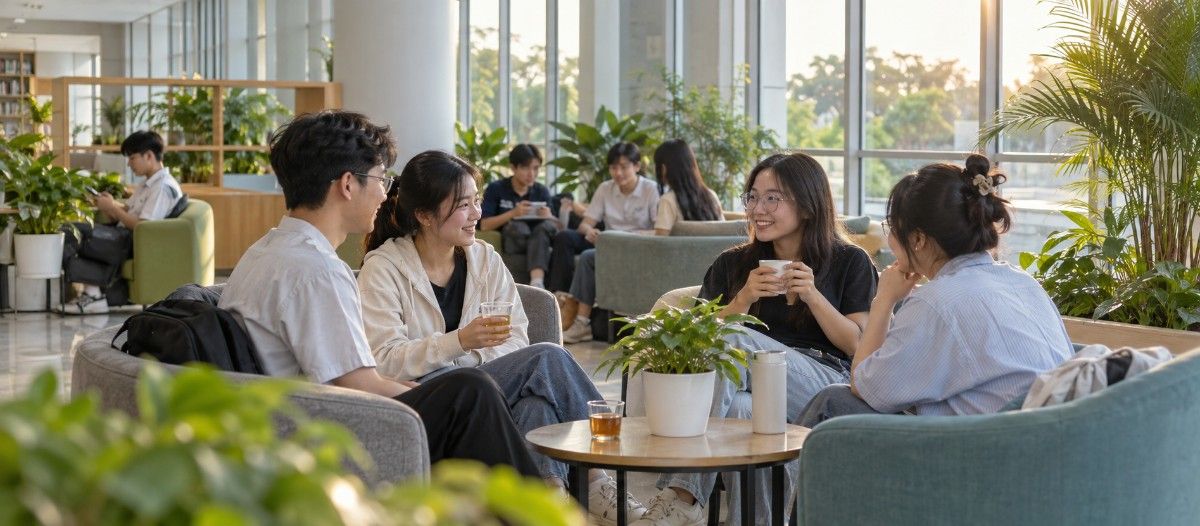
Furnished hostel rooms with Wi-Fi, laundry, 24/7 security, and Indian mess on or near campus.
Indian restaurants and mess facilities serving vegetarian and non-vegetarian home-style food daily.
Strong Indian community with cultural events, festival celebrations, and peer support groups.
Students get hands-on clinical training in government and private hospitals affiliated with the university.
Practical information for students planning to study at MBBS in University Geomedi LLC Faculty of Medicine.
Prepare for all seasons. Thermal wear for winters, light clothing for summers. University provides heating in hostels.
Student visa processed with university invitation letter. Direct and connecting flights from major Indian cities.
Health insurance included in fees. Medical facility on campus plus city hospitals easily accessible.
Local SIM cards available. WhatsApp and video calls keep you connected with family back home.
Average monthly expenses of $150–$250 covering food, transport, and personal needs.
University library, online databases, and study groups. Seniors mentor juniors through academic challenges.
Our team guides you through every step — from application to arriving on campus.
Shortlist universities based on admission status, fees, city, and FMGE track record, not marketing alone.
Verify recognition independently on the NMC's own approved list and WDOMS before applying anywhere.
Submit the application directly to the university or through a verified representative, along with academic transcripts and a NEET scorecard.
Receive a provisional or conditional offer letter confirming a seat, pending document verification.
Complete document verification, including attestation of mark sheets and certificates where required.
Pay the first tuition instalment directly into the university's official account, never in cash or to a personal account.
Receive the formal invitation letter, which is the document required for the student visa application.
Apply for the student visa, allowing at least 30 days for processing.
Travel to Georgia and complete local formalities, including residence permit registration where applicable.
Complete final enrolment and orientation at the university, including hostel check-in and academic registration for the semester.
Admission Helpline — Contact our counsellors for step-by-step assistance.
“The faculty here is incredibly supportive. The clinical training during hospital rotations has given me real confidence in patient care.”
“Affordable fees without compromising on quality. The campus facilities and hostel life made my transition abroad very smooth.”
“English medium instruction and WHO-recognized curriculum were the deciding factors for me. No regrets so far — excellent experience overall.”
“The university helped with everything from visa to accommodation. Hospital exposure from year three has been invaluable for my FMGE prep.”
“Just cleared my licensing exam on the first attempt. The structured coaching and mock exams during final year were a game-changer.”
“Safe campus, good food options, and a strong Indian student community. The teaching methodology is very practical and hands-on.”
It was founded in 1998, by Professor Marina Pirtskhalava according to most sources, though one source names a different founder, a discrepancy worth confirming directly.
It's a private institution; the "LLC" in its formal name, University Geomedi LLC, confirms this, despite one source incorrectly describing it as public.
Yes, both English and Georgian are used, with English serving as the primary medium for international students.
Yes, a valid, qualifying NEET score is required for Indian applicants under NMC guidelines.
Reports genuinely conflict: the most commonly cited figure is approximately USD 5,500 a year, though other sources report USD 2,750 to 6,000 a year. Confirm the exact current rate directly.
Affiliated hospitals include Rustavi Central Hospital and the Evex Hospitals network, spanning more than 18 hospitals across Georgia.
It runs six years: five years of academic study plus a compulsory one-year clinical internship.
No, the university states these are not required for admission.
It's an international agreement on recognising academic qualifications; Geomedi's signatory status enables graduates to work in more than 50 countries.
One detailed source reports more than 400 Indian students, a substantial community for a Georgian private medical university.
Our expert counsellors will guide you through the complete admission process — from documents to airport pickup.