
When was Ivane Javakhishvili Tbilisi State University founded?
+It was founded in 1917 or 1918, depending on the source, making it the oldest university in Georgia and the Caucasus region.
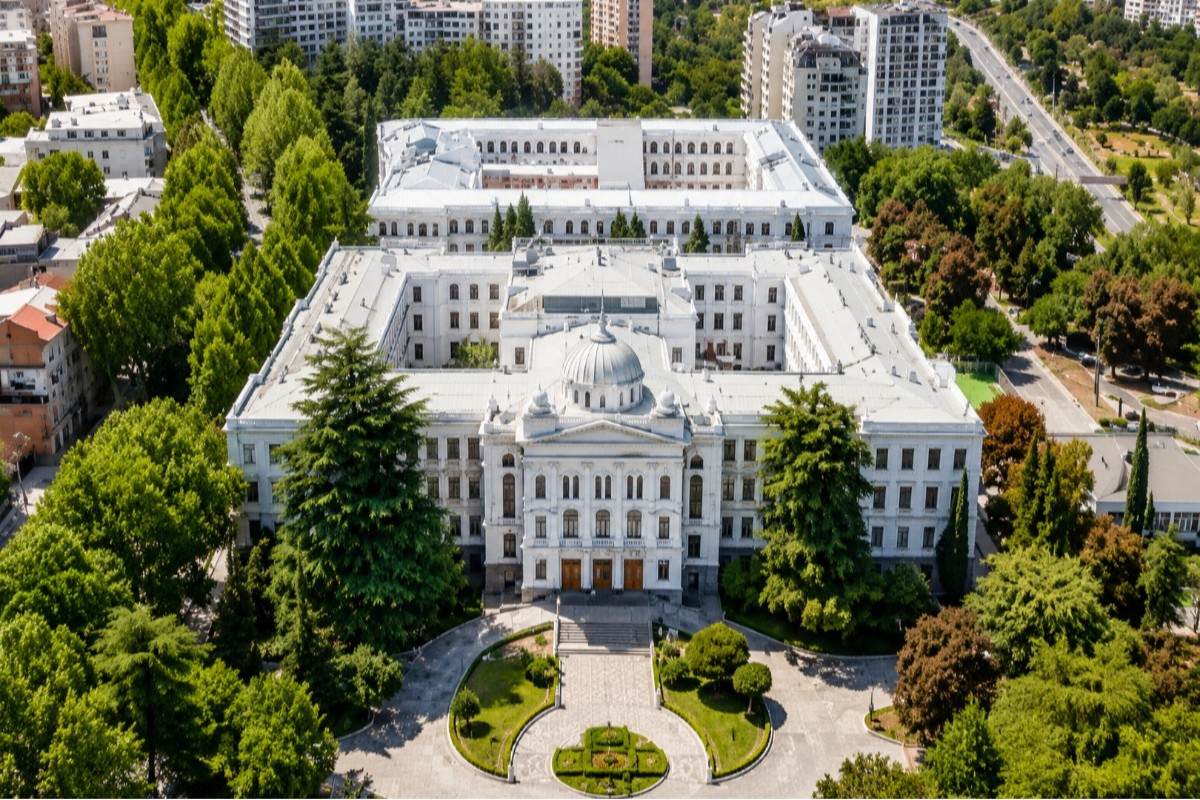
 Georgia | Est. 1917
Georgia | Georgia's Education Ministry recognises TSU; the Faculty of Medicine's programme received international accreditation in 2011 and holds FAIMER accreditation. | English is used for the international MD track; confirm current language-track availability directly given the reported medium
Expert will call you within 2 hours
People mostly just call it TSU for short. It's genuinely the oldest university in the whole of Georgia and the Caucasus region, established on 26 January 1918, though some sources cite 1917 for its earliest founding, initially with just a single faculty. So, whichever precise year applies, this university's roots run back well over a century, to the very formation of modern Georgian higher education itself.
Here's a fact most guides skip entirely, and it genuinely shapes how you should understand this university's medical teaching history. TSU was founded and headed by its own namesake, Ivane Javakhishvili, a genuinely significant Georgian historian and scholar. Its Faculty of Medicine was founded in 1919, just a year after the university itself, but the medical programme was actually discontinued in 1930, when Georgia's medical education was reorganised into a separate institution, which later became today's Tbilisi State Medical University, a distinct, separately operating institution covered elsewhere. TSU itself only resumed its own medical doctor programme in 1994, receiving international accreditation for it in 2011. So, TSU's current Faculty of Medicine represents a genuinely restarted programme with a documented 64-year gap, not a continuously operating one, and it's a separate institution from Tbilisi State Medical University despite the closely related, overlapping history and near-identical name.
TSU today holds first place locally among Georgian universities according to at least one independent ranking source, and is ranked 398th worldwide by US News & World Report, placing it on par with the University of Warsaw. The university is a member of the International Association of European Universities, and describes itself as the founder of the Eastern European Medical Association, a genuinely specific, notable institutional claim. TSU's Faculty of Medicine holds accreditation from the Foundation for Advancement of International Medical Education and Research, FAIMER.
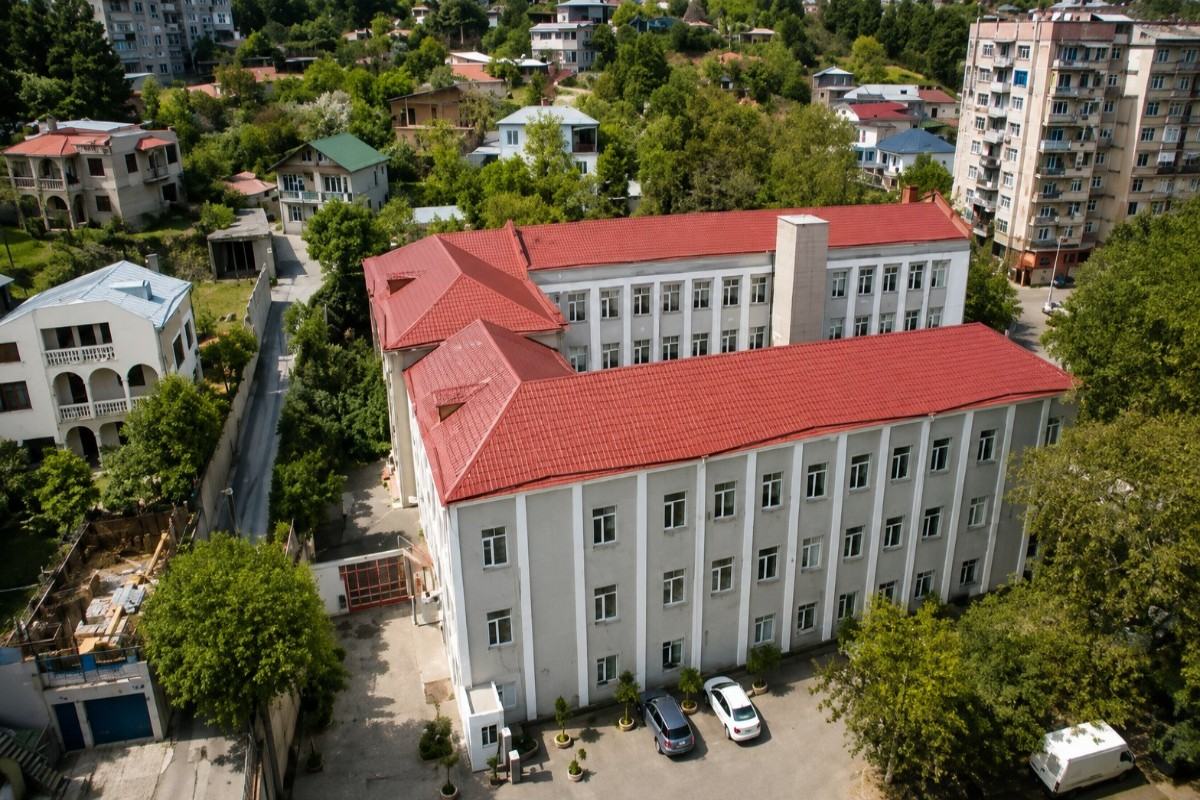
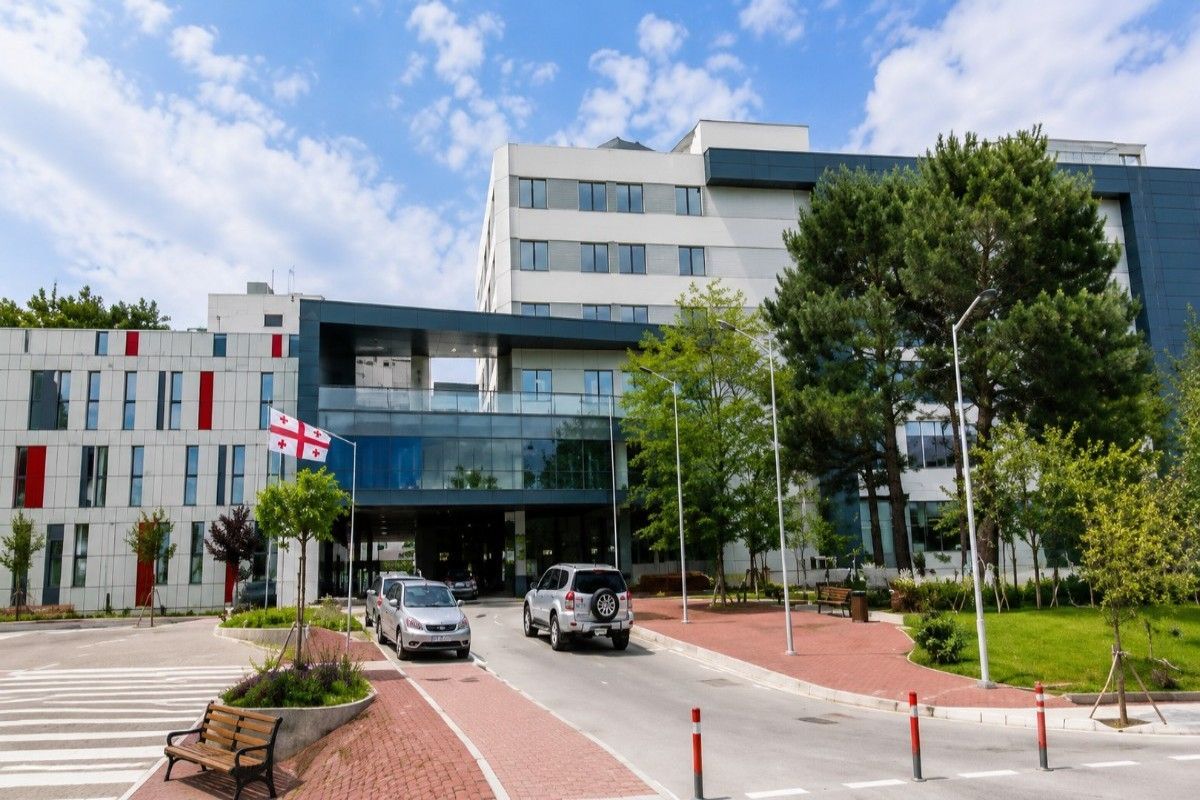
TSU is based in Tbilisi, Georgia's capital, and the university maintains what one source describes as five branch campuses, reflecting its scale as Georgia's largest and most established university. Exchange programmes for medical students run through the ERASMUS+ framework, held at least twice yearly, giving students genuine, structured opportunities for international academic exposure and training during their degree.
Here's a genuinely important, current point worth flagging directly rather than glossing over. At least one recent, dated education source specifically states that Tbilisi State Medical University and Ivane Javakhishvili Tbilisi State University, both public institutions, are affected by a restriction on new international admissions for the 2026-27 academic cycle, urging prospective applicants to confirm current status before applying. This is a genuinely significant, recently reported development that could materially affect whether international, including Indian, applicants can currently enrol here at all, so this should be verified directly with TSU's own admissions office before any further planning.
TSU's Medical Doctor programme runs six years, aligned with the standard Georgian and European medical education structure, and the stated goal of the programme is to promote the development of a healthy environment and improve the national health system, alongside providing research facilities to develop international medical-scientific thought among graduates.
Fee figures are reported by at least one independent source at approximately USD 8,000 a year, working out to roughly USD 48,000 across the full six-year programme, though this figure should be treated as indicative rather than officially confirmed, since it wasn't sourced directly from TSU's own published fee schedule. The university is described as accredited by Georgia's Education Ministry, the National Center for Educational Quality Enhancement, the World Health Organisation, the Educational Commission for Foreign Medical Graduates, the European Medical Council, and UNESCO, though these specific claims, gathered from a third-party consultancy source, should be independently verified.
Given the genuinely significant reported restriction on new international admissions for the 2026-27 cycle, prospective Indian and other international applicants should treat confirming current eligibility as the single most important first step here, ahead of any budgeting or planning around the reported fee figures. NEET remains a genuine requirement for Indian applicants where admission is possible, exactly as it does for MBBS study in most other countries, and Indian graduates would still need to clear the FMGE or NExT exam to practise medicine back in India.
Parameter | Details |
Established | University founded 1917/1918 by Ivane Javakhishvili; Faculty of Medicine founded 1919, discontinued 1930, resumed 1994, internationally accredited 2011 |
Institution Type | Public university, the oldest university in Georgia and the Caucasus region |
Location | Tbilisi, Georgia |
Programme | Medical Doctor (MD), equivalent to an MBBS |
Duration | 6 years, standard Georgian/European medical structure |
Medium of Instruction | English (international track) |
Foreign Quota Note | IMPORTANT: reported by at least one recent source as affected by a 2026-27 Georgian government restriction on new international admissions to state universities; confirm current status directly before applying |
Teaching Hospital | University-affiliated clinical facilities; specific named primary teaching hospital not consistently published for the international MD track |
Fee Component | Amount | Notes |
Annual Tuition (reported) | Approx. USD 8,000 per year | Reported by an independent education source; treat as indicative pending direct confirmation |
Total Tuition (6 years, reported) | Approx. USD 48,000 | Based on the reported annual rate held stable across the programme |
Exchange Programmes | Facilitated through the ERASMUS+ framework, held at least twice yearly | Reflects the university's genuine, documented EU academic exchange participation |
Living Costs (Tbilisi) | Not consistently reported | Tbilisi is generally regarded as an affordable capital city |
Foreign Admissions Status | Reported as restricted for the 2026-27 cycle at this and other state universities | A significant, recently reported policy change; confirm current international admission status directly with TSU |
Most rival pages describing century-old universities imply an unbroken teaching history. TSU's Faculty of Medicine genuinely stopped operating in 1930, only resuming in 1994, a real, dated 64-year gap tied directly to Georgia's broader twentieth-century political history. So, this faculty's current medical programme is a genuinely restarted one, a specific fact worth understanding clearly rather than assuming continuous operation since 1919.
Most guides for well-established Georgian public universities simply list them as straightforward options for international students. At least one recent, dated source specifically flags TSU as affected by a 2026-27 restriction on new international admissions to state universities. So, this is a genuinely current, time-sensitive fact that changes the practical calculus for any international applicant right now, not a historical footnote.
Be very upfront about the single most important open question here. If the reported 2026-27 restriction on new international admissions to Georgian state universities does apply to TSU, this could mean international, including Indian, applicants simply cannot currently enrol here, regardless of how strong the underlying programme is. This must be verified directly with TSU's own admissions office before any further planning. Separately, TSU's Faculty of Medicine should not be confused with the similarly named, but institutionally distinct, Tbilisi State Medical University, despite their shared 1930 origin point.
So, who fits here best? Applicants drawn to Georgia's oldest and most historically significant university, with a genuinely restarted but internationally accredited medical programme, should treat confirming current international admissions eligibility as their absolute first step, given the reported 2026-27 restriction. Students interested in genuine ERASMUS+ exchange opportunities during their medical studies fit well here, assuming admission remains open. However, applicants who need a currently, unambiguously open international admissions pathway should verify this specific point before considering TSU further. Still, the university's genuine historical significance and its real ERASMUS+ exchange programme access are real, well-documented strengths, for as long as international admission remains available.
No hidden charges, no donation. The full picture of costs at MBBS in Ivane Javakhishvili Tbilisi State University.
Tuition Fee
Approx. USD 8,000 per year
Approx. USD 8,000 per year
Hostel Fee
$1,500 per year
$1,500 per year
Food & Meals
$1,500
per year
Insurance
$100
per year
Donation
no donation
no hidden fee
Total Estimated Cost
$66,600
6 year
25–35%
Average FMGE first-attempt pass rates for students from many overseas medical universities. Students from structured programs consistently score higher.
Students returning to India need to clear the FMGE/NExT exam. MBBS in Ivane Javakhishvili Tbilisi State University integrates exam-oriented coaching into the regular curriculum so students are prepared from day one.
A structured program that takes you from foundational sciences to clinical mastery.
● Builds the base knowledge that all later clinical learning depends on.
● Covers Anatomy, Physiology, and Biochemistry, forming the scientific foundation for everything that follows.
● Supports the programme's stated goal of improving the national health system.
● Covers Pathology, Microbiology, Pharmacology, and Community Medicine.
● Draws on the university's own research facilities and international medical-scientific development goals.
● Covers Medicine, Surgery, and allied clinical subjects through university-affiliated clinical training.
● Offers genuine, documented opportunities for international academic and clinical exposure.
● Structured exchange programmes run at least twice yearly through the ERASMUS+ framework.
● Indian graduates would still need to clear the FMGE or NExT exam to practise medicine in India.
● Graduates must complete Georgia's standard medical licensing steps before practising independently.
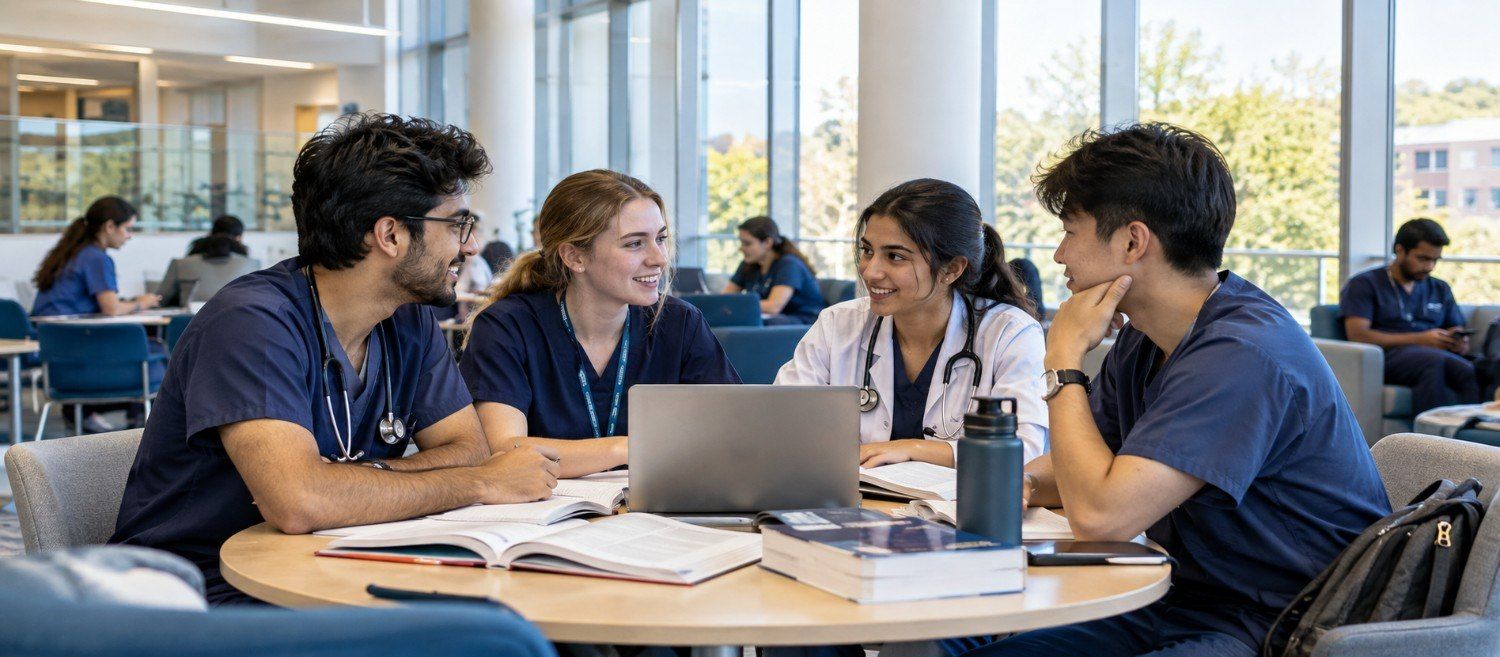
Furnished hostel rooms with Wi-Fi, laundry, 24/7 security, and Indian mess on or near campus.
Indian restaurants and mess facilities serving vegetarian and non-vegetarian home-style food daily.
Strong Indian community with cultural events, festival celebrations, and peer support groups.
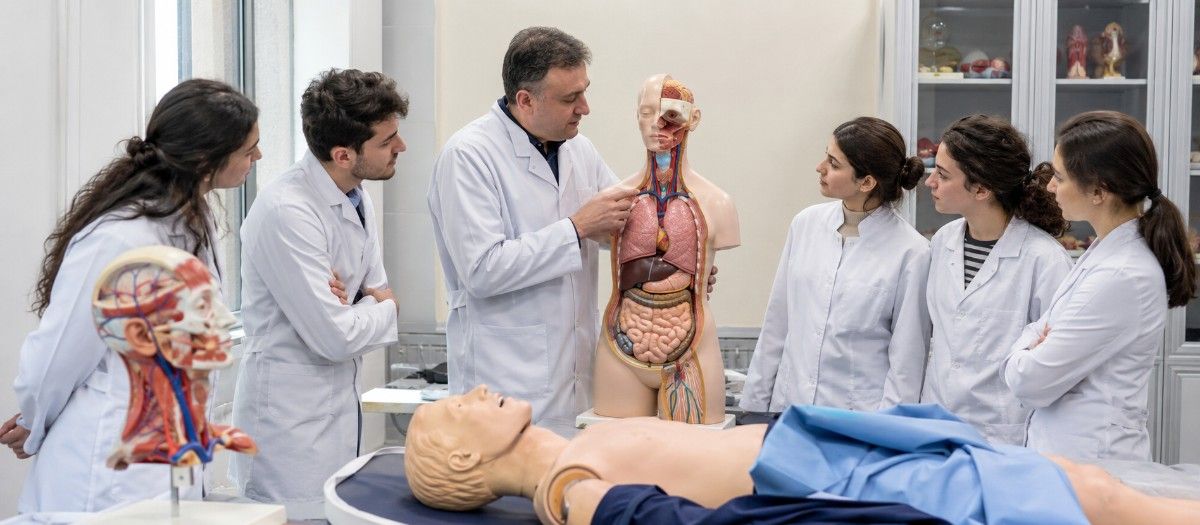
Students get hands-on clinical training in government and private hospitals affiliated with the university.
Practical information for students planning to study at MBBS in Ivane Javakhishvili Tbilisi State University.
Prepare for all seasons. Thermal wear for winters, light clothing for summers. University provides heating in hostels.
Student visa processed with university invitation letter. Direct and connecting flights from major Indian cities.
Health insurance included in fees. Medical facility on campus plus city hospitals easily accessible.
Local SIM cards available. WhatsApp and video calls keep you connected with family back home.
Average monthly expenses of $150–$250 covering food, transport, and personal needs.
University library, online databases, and study groups. Seniors mentor juniors through academic challenges.
Our team guides you through every step — from application to arriving on campus.
Shortlist universities based on admission status, fees, city, and FMGE track record, not marketing alone.
Verify recognition independently on the NMC's own approved list and WDOMS before applying anywhere.
Submit the application directly to the university or through a verified representative, along with academic transcripts and a NEET scorecard.
Receive a provisional or conditional offer letter confirming a seat, pending document verification.
Complete document verification, including attestation of mark sheets and certificates where required.
Pay the first tuition instalment directly into the university's official account, never in cash or to a personal account.
Receive the formal invitation letter, which is the document required for the student visa application.
Apply for the student visa, allowing at least 30 days for processing.
Travel to Georgia and complete local formalities, including residence permit registration where applicable.
Complete final enrolment and orientation at the university, including hostel check-in and academic registration for the semester.
Admission Helpline — Contact our counsellors for step-by-step assistance.
“The faculty here is incredibly supportive. The clinical training during hospital rotations has given me real confidence in patient care.”
“Affordable fees without compromising on quality. The campus facilities and hostel life made my transition abroad very smooth.”
“English medium instruction and WHO-recognized curriculum were the deciding factors for me. No regrets so far — excellent experience overall.”
“The university helped with everything from visa to accommodation. Hospital exposure from year three has been invaluable for my FMGE prep.”
“Just cleared my licensing exam on the first attempt. The structured coaching and mock exams during final year were a game-changer.”
“Safe campus, good food options, and a strong Indian student community. The teaching methodology is very practical and hands-on.”
It was founded in 1917 or 1918, depending on the source, making it the oldest university in Georgia and the Caucasus region.
No, these are separate institutions. TSU's original Faculty of Medicine, founded 1919, was discontinued in 1930 when medical education was reorganised into what became Tbilisi State Medical University; TSU itself only resumed its own MD programme in 1994.
At least one recent source reports TSU is affected by a 2026-27 restriction on new international admissions to Georgian state universities. This must be confirmed directly with TSU before applying.
It runs six years, following the standard Georgian and European medical education structure.
Yes, a valid, qualifying NEET score is required, where admission is possible.
One independent source reports approximately USD 8,000 a year, totalling roughly USD 48,000 over six years, though this isn't officially confirmed by TSU's own published fee schedule.
An international, English-medium track is reported, though current language-track availability should be confirmed given the reported admissions restriction.
Structured exchange programmes run through the ERASMUS+ framework at least twice yearly.
398th worldwide per US News & World Report, and first place locally among Georgian universities by at least one independent source.
FAIMER accreditation, alongside international accreditation for its resumed MD programme received in 2011.
Our expert counsellors will guide you through the complete admission process — from documents to airport pickup.