
When was Ken Walker International University established?
+The university itself was founded in 2019, with its Faculty of Medicine and Stomatology beginning actual instruction only in 2022.
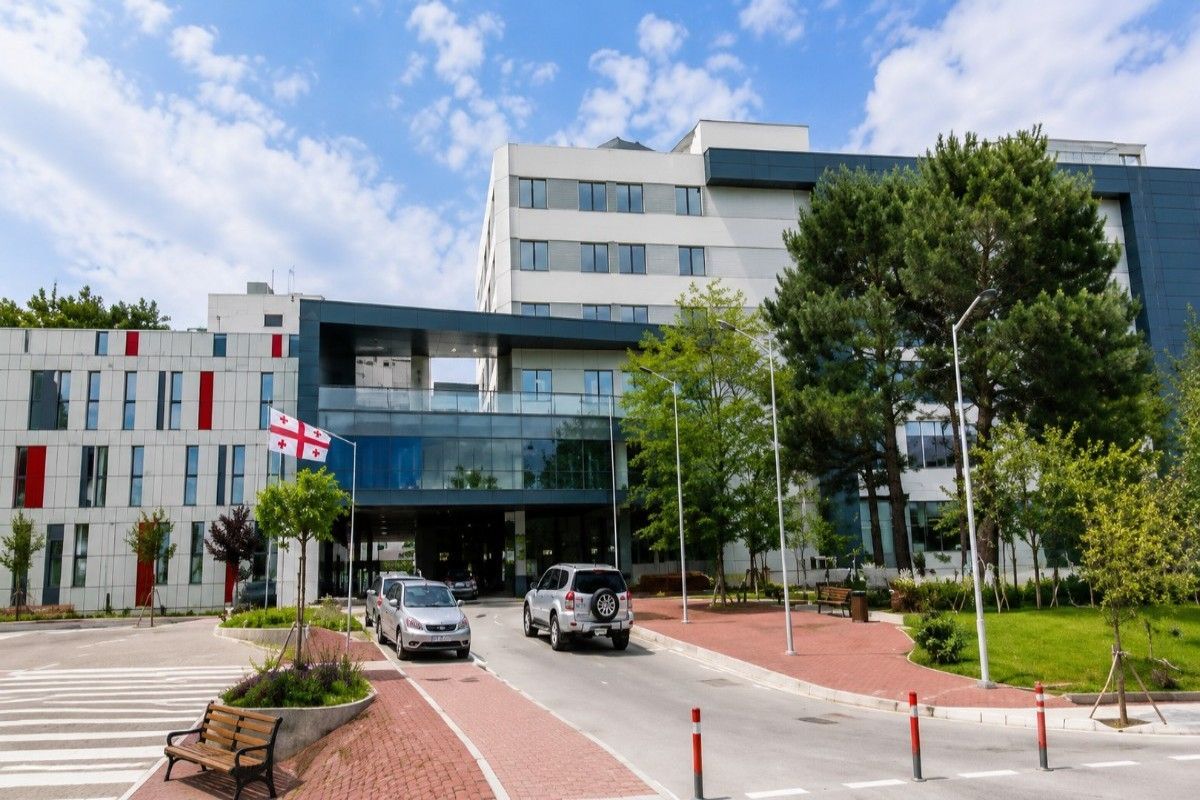
 Georgia | Est. 2019
Georgia | Reported as accredited by WDOMS, WFME, and FAIMER; given the university's recent founding, these specific claims should be independently verified. | English runs through both the Medicine and Stomatology programmes; Georgian is also used for domestic students. medium
Expert will call you within 2 hours
People mostly just call it KWIU for short. It's a genuinely young university, founded in 2019 as Ken Walker International University LLC, with its Faculty of Medicine and Stomatology only beginning actual instruction in 2022, a real, documented three-year gap between the university's founding and its first medical students. So, this is one of Georgia's newer medical schools, and applicants should understand it hasn't yet accumulated the multi-decade track record some other institutions in comparable guides can point to.
Here's a fact most guides skip entirely, and it's genuinely worth knowing in detail. The university is named directly after a real, specific individual: Professor Henry Kenneth Walker, known as Dr. Ken Walker, a Canadian-born physician who serves as Professor of Medicine and Neurology at Emory University School of Medicine and Professor of Global Health at Emory's Rollins School of Public Health. Walker holds Honorary Citizenship of both Tbilisi and Georgia, and has been recognised as one of Georgia's greatest friends. As Executive Director of Partners for International Development, PFID, he led what's known as the Atlanta-Tbilisi Partnership, a genuinely specific, documented collaboration between educational and healthcare institutions in the country of Georgia and the US state of Georgia, a distinctive naming coincidence the partnership itself was built around. So, this university's name traces to a real, individually documented career and relationship with the country, not an anonymous branding decision.
Because of Walker's own position at Emory, Emory University agreed to collaborate directly with KWIU on curriculum development, with the medical programme co-developed alongside Emory University School of Medicine faculty and PFID, emphasising problem-based learning from the very first year. So, this university's curriculum design traces to a genuine, named academic partnership with a real, well-established American medical school, not a marketing claim of "international standards."
KWIU's own stated vision is to become a globally recognised higher education institution with a reputation as a competitive, reliable partner in healthcare and higher education by 2027, a specific, dated institutional target. The university is reported to hold accreditation from the World Directory of Medical Schools, WDOMS, the World Federation for Medical Education, WFME, and the Foundation for Advancement of International Medical Education and Research, FAIMER, though as with several newer private medical universities, these specific claims should be independently verified given how new the institution genuinely is.
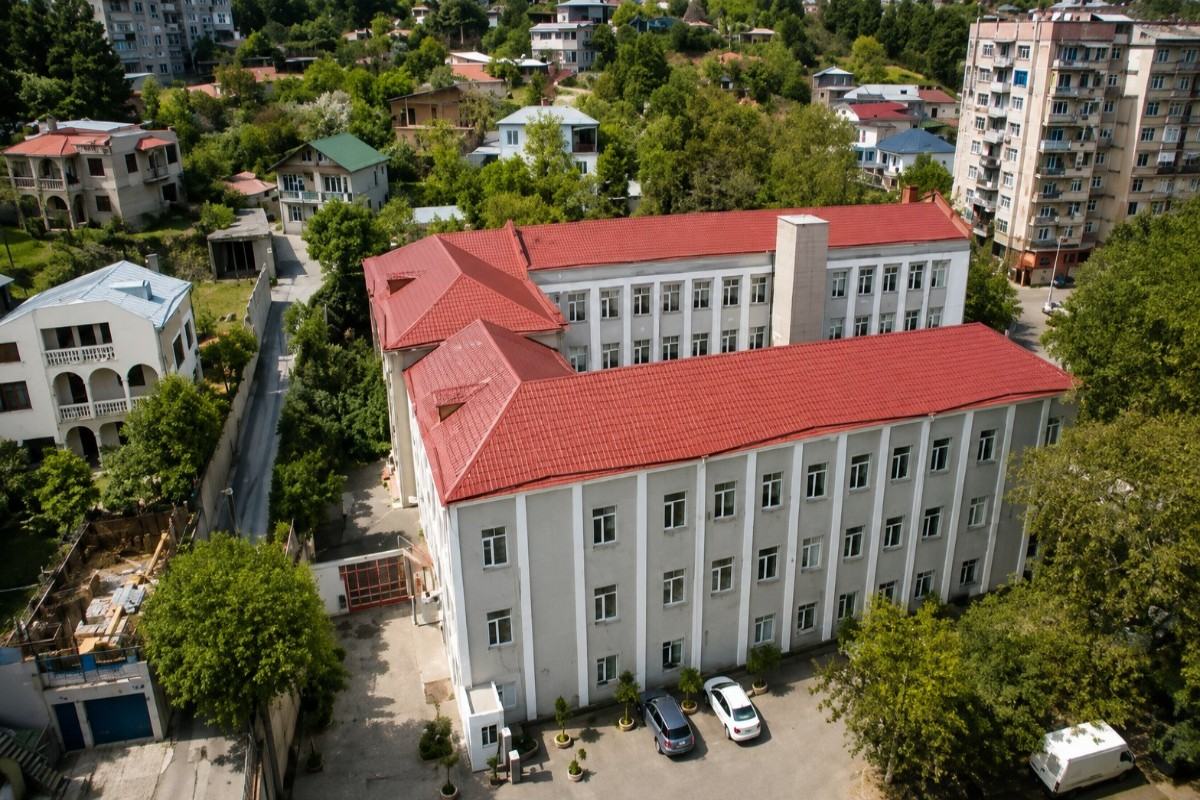
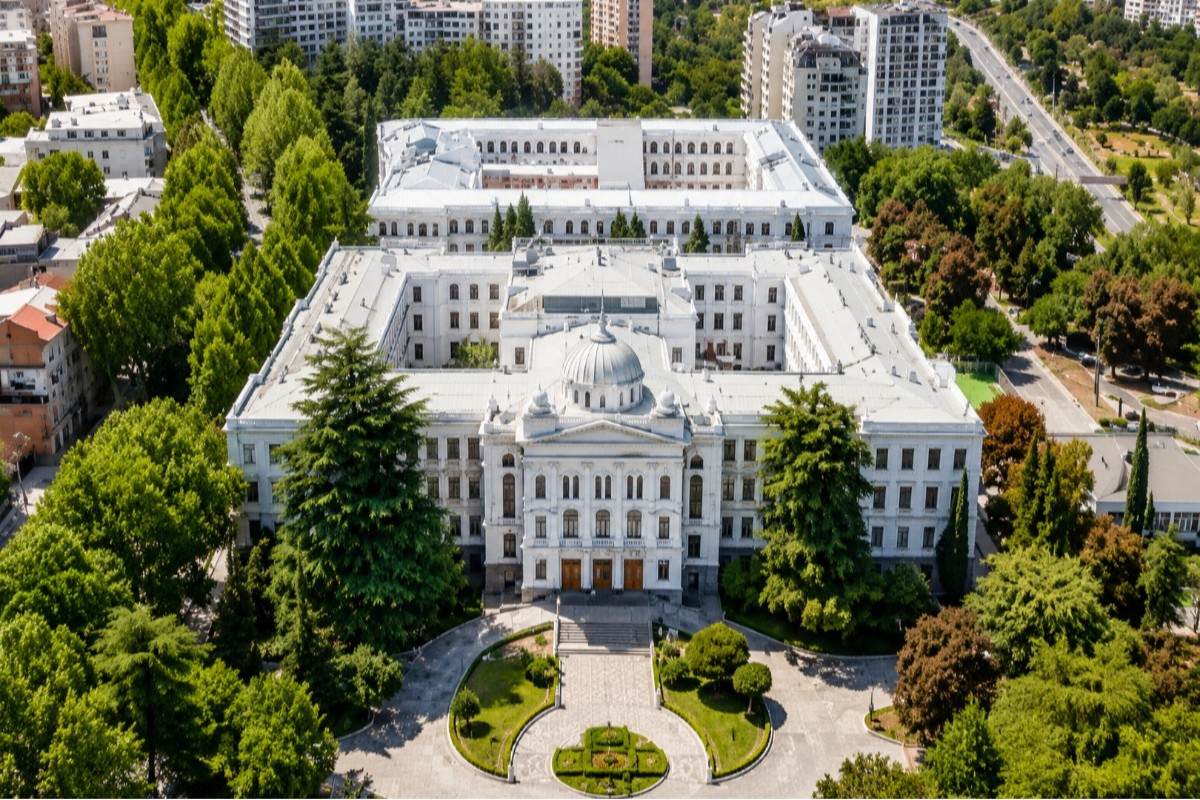
KWIU is based at 4 Gudamakari Street in Tbilisi, Georgia's capital, a city the university's own materials describe through its historic landmarks, cultural scene, and affordable cost of living, positioning it as an appealing destination for international students specifically.
Clinical training runs through named partner sites, specifically Chachava Clinic and Tbilisi Central Hospital, a genuinely more specific level of detail than several comparable Georgian private universities provide, where clinical placements are sometimes described only in general terms without naming actual partner institutions.
KWIU offers two main healthcare programmes: Medicine, running five years of academic study plus a compulsory one-year internship, and Stomatology, or Dentistry, running five years. Both are taught in English, with Georgian also used for domestic students, and the university states that IELTS or TOEFL scores are not required for admission.
Here's a genuinely important point worth being upfront about, and it's one specific, detailed source states directly. Because KWIU only began teaching students in 2022, it has essentially no graduate track record yet. Any marketing claims about USMLE or FMGE readiness should be understood as a reflection of curriculum intent and design, not proven outcomes, since no independent pass-rate data yet exists for this university's graduates. So, prospective applicants, especially those relying on eventual FMGE or NExT success to practise in India, should treat this as a genuine, current limitation rather than an established strength.
Fee figures here are genuinely well documented, since KWIU publishes its tuition directly on its own official website. The confirmed rate is USD 7,000 a year for both the Medicine and Stomatology programmes, working out to approximately USD 42,000 in tuition across the full six-year Medicine programme. One detailed independent source reports a broader, all-inclusive six-year total, covering tuition, hostel, and mess charges together, at approximately INR 35 to 40 lakh, roughly USD 42,000 to 48,000, for Indian students specifically, though applicants should request a current, itemised breakdown directly from KWIU rather than relying solely on this bundled estimate. Reported monthly living costs run to approximately USD 300 to 500. Hostel accommodation is reported as available, with furnished, air-conditioned rooms for male and female students, and some admissions sources describe Indian meal preparation as available, though this should be confirmed directly.
NEET remains a genuine requirement for Indian applicants here, exactly as it does for MBBS study in most other countries, and Indian graduates would still need to clear the FMGE or NExT exam to practise medicine back in India.
Parameter | Details |
Established | 2019 (Ken Walker International University LLC founded); Faculty of Medicine and Stomatology began instruction in 2022 |
Institution Type | Private university |
Location | 4 Gudamakari Street, Tbilisi, Georgia |
Programme | Medicine (MD), equivalent to an MBBS, and Stomatology (Dentistry) |
Duration | Medicine: 5 years academic study plus 1 year internship (6 years total); Stomatology: 5 years |
Medium of Instruction | English (Georgian also used for domestic students) |
Foreign Quota Note | NEET required for Indian applicants; the university only began teaching in 2022, so it has essentially no graduate track record yet |
Teaching Hospital | Named clinical-rotation partners include Chachava Clinic and Tbilisi Central Hospital |
Fee Component | Amount | Notes |
Tuition Fee (Medicine and Stomatology, official) | USD 7,000 per year | Confirmed directly on the university's own official website for both programmes |
Total Tuition (6-year Medicine programme) | Approx. USD 42,000 | Based on the official annual rate held stable across the programme |
Living Costs (reported) | Approx. USD 300 to 500 per month | Reported by an independent education source; confirm current estimates directly |
Reported All-Inclusive Total (tuition, hostel, meals, 6 years) | Approx. INR 35 to 40 lakh (approx. USD 42,000 to 48,000) | Reported by one detailed source; request a current, itemised breakdown directly from KWIU |
Hostel/Accommodation | Furnished, air-conditioned rooms reported for male and female students | Some sources report Indian meal preparation available; confirm current arrangements directly |
Most rival pages describing new Georgian private medical universities make vague international-standards claims. KWIU's curriculum was genuinely co-developed with Emory University School of Medicine faculty, tracing directly to founder Dr. Ken Walker's own real academic position there. So, this partnership rests on a specific, individually documented relationship, not marketing language.
Most guides for newer Georgian medical schools describe clinical training only generally. KWIU specifically names Chachava Clinic and Tbilisi Central Hospital as its clinical-rotation partners. So, applicants get a genuinely clearer, more specific picture of where hands-on training actually happens.
Be very upfront about the real limitation here. KWIU only began teaching medical students in 2022, meaning it genuinely has no independent graduate outcomes data yet, no confirmed FMGE pass rates, no established USMLE track record. Any claims framing the curriculum as "designed for" these exams should be understood as intent, not proven results. As a young university, its all-inclusive costs, when hostel and meals are added to tuition, can run toward the higher end among comparable Georgian options.
So, who fits here best? Students comfortable being part of a genuinely new university's early cohorts, drawn specifically to its real, documented Emory University curriculum partnership and named clinical-hospital relationships, fit well here. Students who value officially published, transparent tuition figures rather than third-party estimates fit well too. However, applicants who need confirmed graduate outcomes data, or the lowest possible all-inclusive cost, should weigh KWIU carefully against more established Georgian options. Still, the university's genuine Emory partnership and its specifically named clinical training sites are real, well-documented strengths, even this early in its history.
No hidden charges, no donation. The full picture of costs at MBBS in Ken Walker International University Faculty of Medicine and Stomatology.
Tuition Fee
USD 7,000 per year
USD 7,000 per year
Hostel Fee
$1,500 to $1,800 USD per year
$1,500 to $1,800 USD per year
Food & Meals
$1,200 to $1,500 USD
per year
Insurance
$1,000
per year
Donation
no donation
no hidden fee
Total Estimated Cost
$61,600
6 year
25–35%
Average FMGE first-attempt pass rates for students from many overseas medical universities. Students from structured programs consistently score higher.
Students returning to India need to clear the FMGE/NExT exam. MBBS in Ken Walker International University Faculty of Medicine and Stomatology integrates exam-oriented coaching into the regular curriculum so students are prepared from day one.
A structured program that takes you from foundational sciences to clinical mastery.
● Emphasises problem-based learning from year one, as co-developed with Emory University School of Medicine faculty.
● Covers Anatomy, Physiology, and Biochemistry, forming the scientific foundation for everything that follows.
● Builds on curriculum standards developed through the KWIU-Emory-PFID partnership.
● Covers Pathology, Microbiology, Pharmacology, and Community Medicine.
● Runs through Chachava Clinic and Tbilisi Central Hospital.
● Covers Medicine, Surgery, and allied clinical subjects through named clinical-rotation partnerships.
● Interns rotate through affiliated clinical departments before receiving the final degree and practising licence.
● A one-year internship follows the five years of academic study, matching the standard Georgian medical structure.
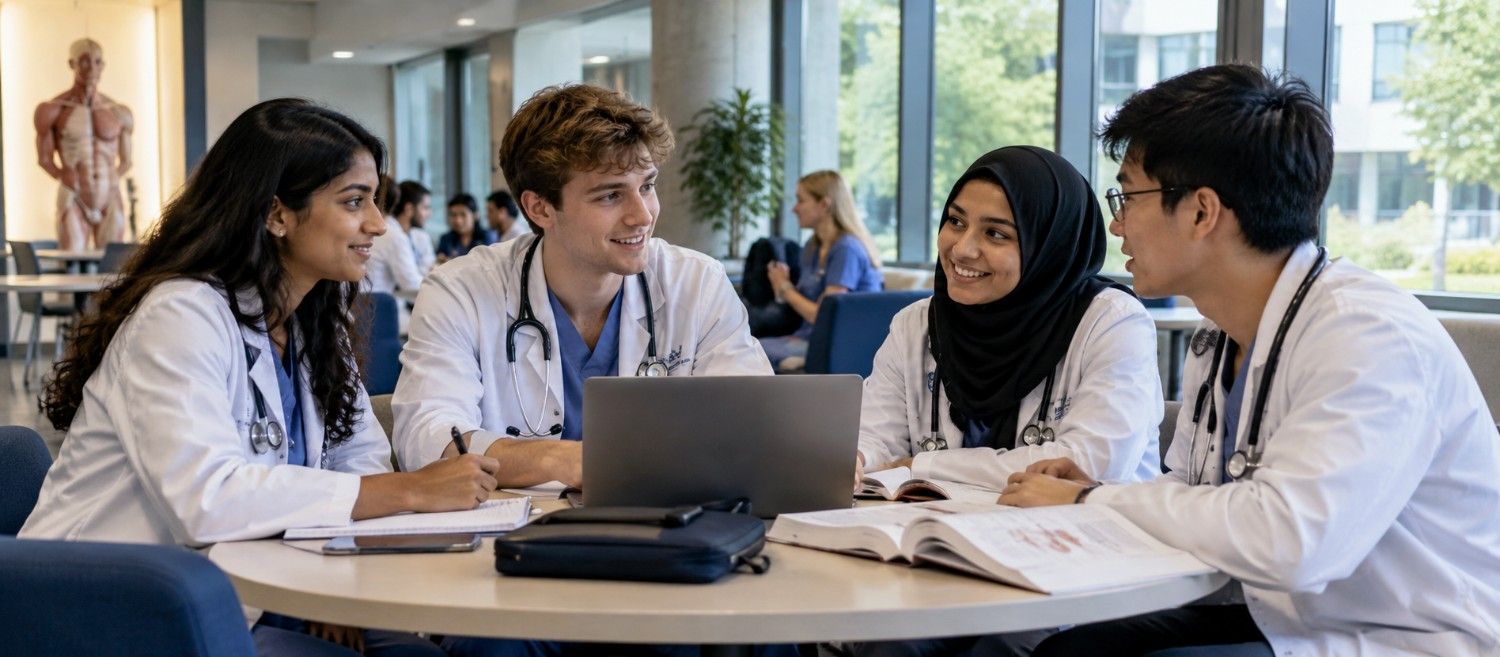
Furnished hostel rooms with Wi-Fi, laundry, 24/7 security, and Indian mess on or near campus.
Indian restaurants and mess facilities serving vegetarian and non-vegetarian home-style food daily.
Strong Indian community with cultural events, festival celebrations, and peer support groups.
Students get hands-on clinical training in government and private hospitals affiliated with the university.
Practical information for students planning to study at MBBS in Ken Walker International University Faculty of Medicine and Stomatology.
Prepare for all seasons. Thermal wear for winters, light clothing for summers. University provides heating in hostels.
Student visa processed with university invitation letter. Direct and connecting flights from major Indian cities.
Health insurance included in fees. Medical facility on campus plus city hospitals easily accessible.
Local SIM cards available. WhatsApp and video calls keep you connected with family back home.
Average monthly expenses of $150–$250 covering food, transport, and personal needs.
University library, online databases, and study groups. Seniors mentor juniors through academic challenges.
Our team guides you through every step — from application to arriving on campus.
Shortlist universities based on admission status, fees, city, and FMGE track record, not marketing alone.
Verify recognition independently on the NMC's own approved list and WDOMS before applying anywhere.
Submit the application directly to the university or through a verified representative, along with academic transcripts and a NEET scorecard.
Receive a provisional or conditional offer letter confirming a seat, pending document verification.
Complete document verification, including attestation of mark sheets and certificates where required.
Pay the first tuition instalment directly into the university's official account, never in cash or to a personal account.
Receive the formal invitation letter, which is the document required for the student visa application.
Apply for the student visa, allowing at least 30 days for processing.
Travel to Georgia and complete local formalities, including residence permit registration where applicable.
Complete final enrolment and orientation at the university, including hostel check-in and academic registration for the semester.
Admission Helpline — Contact our counsellors for step-by-step assistance.
“The faculty here is incredibly supportive. The clinical training during hospital rotations has given me real confidence in patient care.”
“Affordable fees without compromising on quality. The campus facilities and hostel life made my transition abroad very smooth.”
“English medium instruction and WHO-recognized curriculum were the deciding factors for me. No regrets so far — excellent experience overall.”
“The university helped with everything from visa to accommodation. Hospital exposure from year three has been invaluable for my FMGE prep.”
“Just cleared my licensing exam on the first attempt. The structured coaching and mock exams during final year were a game-changer.”
“Safe campus, good food options, and a strong Indian student community. The teaching methodology is very practical and hands-on.”
The university itself was founded in 2019, with its Faculty of Medicine and Stomatology beginning actual instruction only in 2022.
Professor Henry Kenneth (Ken) Walker, a Canadian-born physician and Professor of Medicine, Neurology, and Global Health at Emory University, and an Honorary Citizen of Tbilisi and Georgia.
Five years of academic study plus a compulsory one-year internship, totalling six years.
Yes, a valid, qualifying NEET score is required for Indian applicants under NMC guidelines.
USD 7,000 a year, officially confirmed on the university's own website, totalling approximately USD 42,000 in tuition across the six-year programme.
Named partnerships include Chachava Clinic and Tbilisi Central Hospital.
No, not yet. The university only began teaching medical students in 2022, so no independent graduate outcomes data currently exists.
No, the university states these are not required for admission.
The curriculum was co-developed with Emory University School of Medicine faculty, made possible through founder Dr. Ken Walker's own position there.
Stomatology (Dentistry), a five-year programme, also taught in English.
Our expert counsellors will guide you through the complete admission process — from documents to airport pickup.