
Q1. Where exactly is the University of East Capital located?
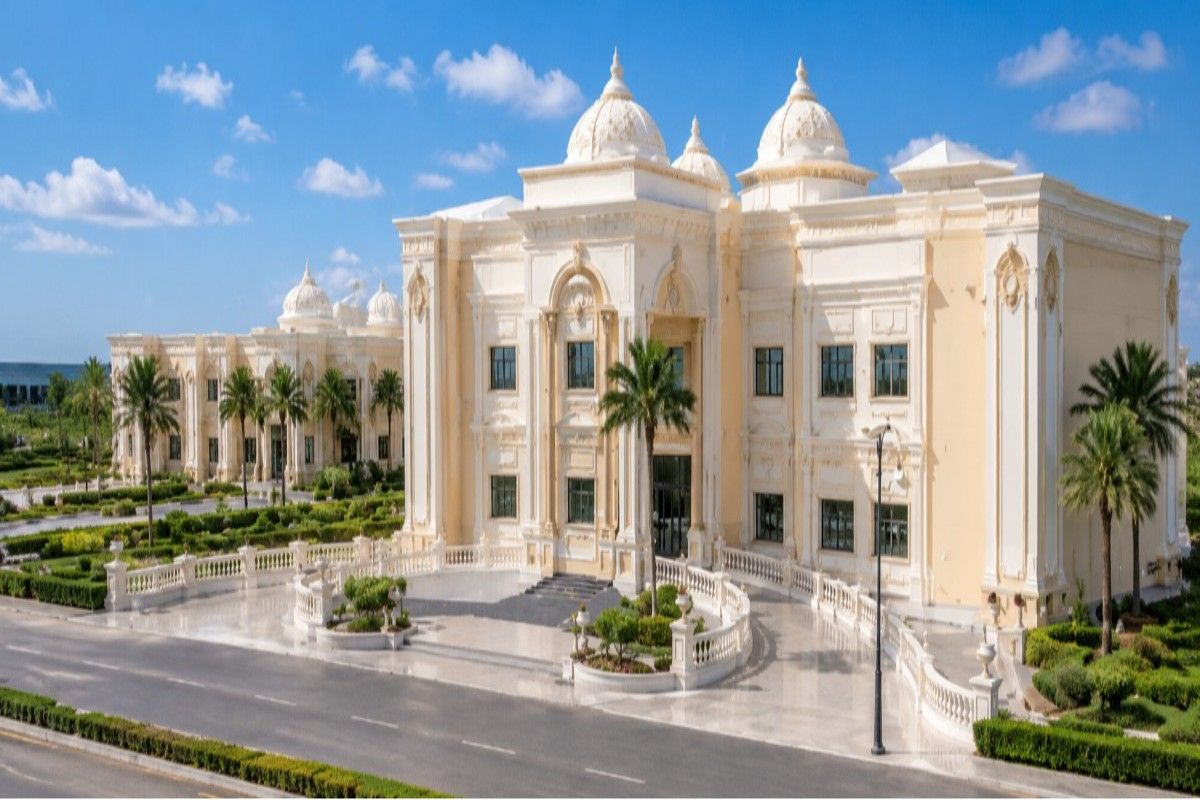
+At the heart of Egypt's New Administrative Capital, a large, purpose-built new capital city under construction east of Cairo.
 Egypt | Est. 2025
Egypt | Specific national accreditation status not consistently confirmed; likely subject to Egypt's standard Ministry of Higher Education and NAQAAE oversight | English medium
Expert will call you within 2 hours
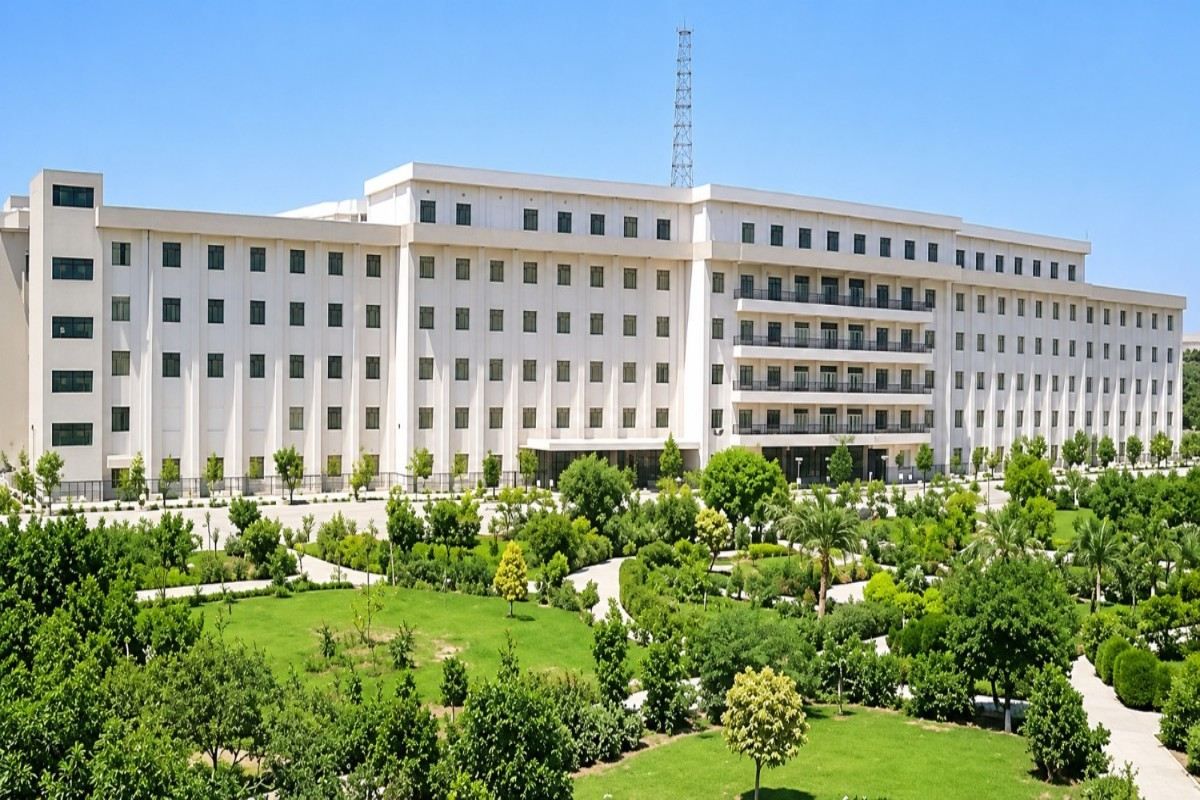
People mostly just call it UEC for short. It is located specifically at the heart of Egypt's New Administrative Capital, the country's genuinely large, purpose-built new capital city under construction east of Cairo, one of Egypt's most significant national infrastructure and urban development projects in recent years. So, unlike a university built within an older, established city, UEC's own identity is tied directly to this brand-new, still-developing urban centre.
Here is a fact most guides skip entirely. UEC comprises nine faculties in total, with the Faculty of Medicine led by Dean Professor Said Hamed Abbadi, a specifically named academic leader rather than an anonymous administrative figure. The university's own materials describe its stated mission as seeking to become a globally recognised leader in advancing human health through transformative medical education, innovative research, and equitable patient care serving all communities, a genuinely ambitious stated goal worth knowing as an aspiration rather than a currently confirmed global standing.
A genuinely specific, useful detail worth knowing is that UEC's Faculty of Medicine was, at the time of research, actively recruiting Teaching Assistants across core pre-clinical departments, including Anatomy and Embryology, Physiology, Biochemistry and Molecular Biology, Histology, Parasitology, and Microbiology. So, this confirms the Faculty of Medicine is genuinely operating and actively building out its own academic staff, a real, concrete signal of current institutional activity rather than a purely aspirational programme still on paper.
UEC's own materials describe a real, dated institutional relationship worth knowing about directly. The Governor of Cairo specifically visited the university to strengthen cooperation in education, healthcare, and community service, a genuine, documented example of the university's own engagement with Egyptian government officials, rather than a vague claim of community involvement.
The university's own campus is described as featuring AI-powered labs, digital infrastructure, and modern learning environments, alongside a dedicated Prototyping Research Centre for turning ideas into real products, and a specific zone for coding labs and tech ventures. So, UEC's own institutional branding emphasises genuinely current, technology-forward facilities, consistent with its own positioning as a new standard of learning within Egypt's newest major city.
UEC's Bachelor of Medicine and Surgery, MBBCh, programme is described as adopting the latest medical education strategies applied in international medical faculties, including a structure of elective courses, each worth two credit hours, which students may choose from specific packages after their own academic advisor's approval. So, this programme's own curriculum design includes a real, documented degree of genuine student choice, not a single, entirely fixed pathway for every student.
Admission at UEC accepts a genuinely broad range of international qualifications, including Egyptian Secondary certificates, IGCSE, the American Diploma, and the International Baccalaureate, IB, each with specific, documented entry requirements. IGCSE applicants need 8 O-Levels, including English and Mathematics, plus one or two AS or A-Levels depending on the specific faculty, while American Diploma applicants need a minimum GPA alongside SAT or ACT scores, and IB applicants need a minimum total score alongside specific subject requirements. English proficiency is required for most faculties, verified through TOEFL, IELTS, or an in-house placement test.
Here is a genuine information gap worth being upfront about. UEC's own specific founding year, its precise tuition fee figures, and its own specific NEET-based admission policy for Indian applicants were not consistently confirmed across the sources reviewed for this profile. NEET remains a genuine requirement for Indian applicants pursuing medical study in Egypt generally, and Indian graduates would still need to clear the FMGE or NExT exam to practise medicine back in India, though applicants should confirm UEC's own specific admission policies directly, given how new this institution genuinely is.
Egypt's own New Administrative Capital represents a genuinely massive, ongoing national infrastructure project, intended to eventually house government ministries, foreign embassies, and a considerable share of Cairo's own growing population, all built on previously undeveloped land east of the existing capital. Studying at a university situated directly within this new city gives students a genuinely distinctive experience, surrounded by active, ongoing construction and development, quite different from studying within Cairo's own centuries-old, established urban core.
Given how genuinely new UEC still is, prospective applicants should weigh the real trade-offs carefully: a brand-new institution built specifically around modern, technology-forward facilities may offer genuinely current infrastructure and a fresh institutional approach, but it also carries real, honest uncertainty around its own track record, since it has not yet built up years of graduating classes, alumni outcomes, or independently verified quality data the way Egypt's older, more established medical universities have. This is worth factoring into any serious comparison, alongside the genuinely concrete, positive signal of active faculty recruitment already underway.
Fee figures here represent a genuine information gap worth being upfront about, since a specific, confirmed Medicine tuition rate was not published across the sources reviewed.
Cost Item | Amount | Notes |
Tuition Fee (Medicine, specific figure) | Not consistently published | Confirm directly via UEC's own official admissions and tuition portal |
General Egypt Private-University MBBS Reference (for context only) | USD 15,000-25,000/year | A general reference range for Egypt's newer private universities broadly; not confirmed as UEC-specific |
Financial Aid (need-based) | Available, based on family income and personal circumstances | Requires submission of relevant financial documents and a brief eligibility interview, if requested |
Merit-Based Scholarships | Available, for top academic achievers | Specific amounts not consistently published |
Talent-Based Scholarships | Available, for outstanding students in sports and arts | Specific amounts not consistently published |
Sibling Discount | A special discount available | For families with multiple siblings enrolled at the university |
Note: this is one of the less publicly documented fee structures covered in guides like this one, given how new UEC genuinely is. Request a full, itemised, written fee schedule directly from UEC's own official tuition portal before making any financial commitment.
Most lists mention UEC only briefly, if at all, given how new this institution genuinely is. However, they do not explain its genuine, specific tie to Egypt's own New Administrative Capital project, or the real, concrete evidence that its Faculty of Medicine is actively operating today. The reason is simple. It is about a real, current national infrastructure connection, and genuine, verifiable current activity.
UEC is not like most other Egyptian medical universities when it comes to its own physical setting. In fact, it is located specifically within Egypt's New Administrative Capital, one of the country's most significant current urban development projects, rather than an older, established Egyptian city. Furthermore, this genuinely distinctive setting reflects UEC's own explicit positioning as "a new standard of learning at the heart of Egypt's New Administrative Capital."
The Faculty of Medicine's own active staff recruitment also matters more than most guides let on. For example, most guides describing a newer university's medical faculty simply assert that teaching is underway. UEC's own materials specifically confirm active Teaching Assistant recruitment across named core departments, including Anatomy, Physiology, and Biochemistry. Moreover, this is a real, concrete, current signal of genuine institutional activity, not an assumption.
One thing most other blogs miss, or worse, paper over with invented figures, is just how much of UEC's own specific information, particularly around tuition fees and its exact founding year, genuinely remains unconfirmed. In addition to standard due diligence, applicants specifically interested in UEC should request direct, written confirmation of Medicine-specific tuition, admission requirements for Indian applicants, and any teaching hospital partnerships, treating this as a genuinely necessary step given how recently this university appears to have been established.
No hidden charges, no donation. The full picture of costs at MBBS in University of East Capital Faculty of Medicine New Administrative Capital.
Tuition Fee
USD 6,000 per year
USD 6,000
Hostel Fee
USD 1,200–2,400 per year (₹1.15–2.30 lakh)
Approximately USD 100–200 per month (₹9,600–₹19,200 per month)
Food & Meals
Approximately USD 150–250 per month (₹14,400–₹24,000 per month)
per month
Insurance
Approximately USD 200–300 per year (₹19,200–₹28,800, calculated at ₹96/USD)
per year
Donation
No Donation
No hideen fees
Total Estimated Cost
Approximately USD 46,000–59,000 (₹44.16–56.64 lakh)
5-year
25–35%
Average FMGE first-attempt pass rates for students from many overseas medical universities. Students from structured programs consistently score higher.
Students returning to India need to clear the FMGE/NExT exam. MBBS in University of East Capital Faculty of Medicine New Administrative Capital integrates exam-oriented coaching into the regular curriculum so students are prepared from day one.
A structured program that takes you from foundational sciences to clinical mastery.
In addition, active Teaching Assistant recruitment across these specific departments confirms genuine, current teaching activity
First, Anatomy and Embryology, Physiology, Biochemistry and Molecular Biology, and Histology build the scientific foundation for everything that follows
Furthermore, elective courses, each worth 2 credit hours, allow students to choose specific packages after advisor approval
Next, Parasitology and Microbiology build the diagnostic foundation needed for clinical training
This is a genuine information gap requiring direct confirmation before applying
Then, Medicine, Surgery, and allied clinical subjects would run through hands-on hospital-based training; confirm named teaching hospital partnerships directly
Also, Indian graduates would still need to clear the FMGE or NExT exam to practise medicine in India
Finally, graduates would receive the Bachelor of Medicine and Surgery, MBBCh, degree upon completing the programme
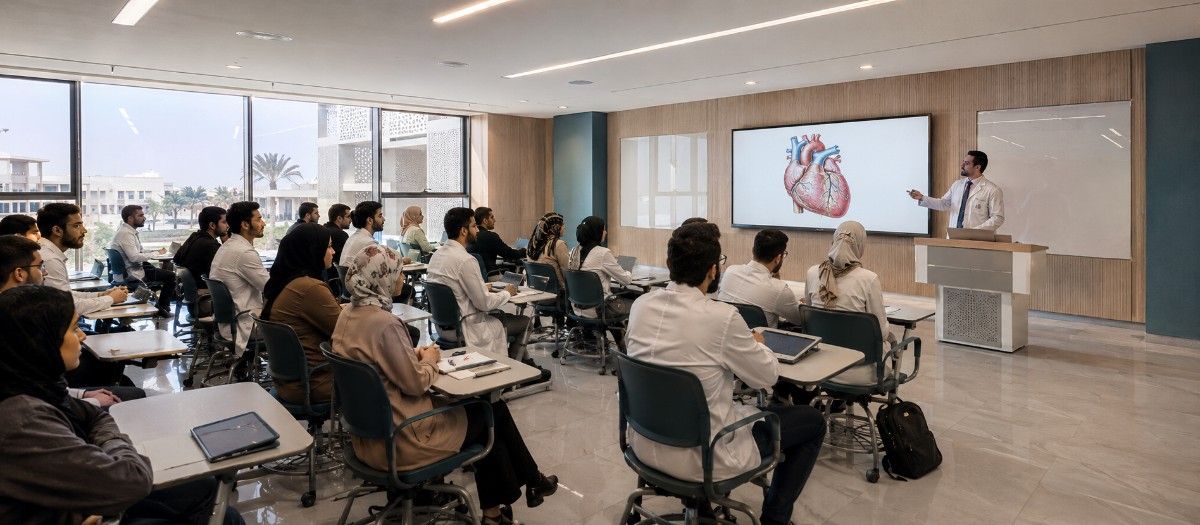
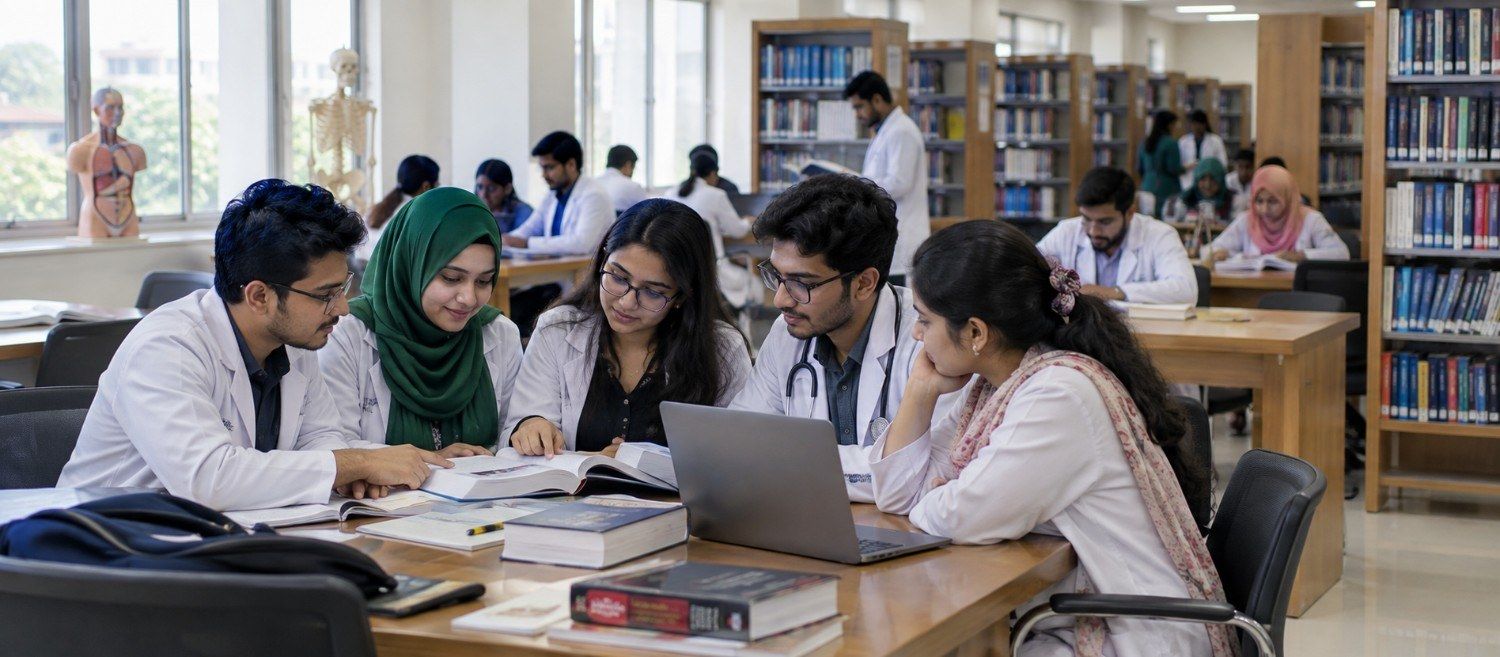
Furnished hostel rooms with Wi-Fi, laundry, 24/7 security, and Indian mess on or near campus.
Indian restaurants and mess facilities serving vegetarian and non-vegetarian home-style food daily.
Strong Indian community with cultural events, festival celebrations, and peer support groups.
Students get hands-on clinical training in government and private hospitals affiliated with the university.
Practical information for students planning to study at MBBS in University of East Capital Faculty of Medicine New Administrative Capital.
Prepare for all seasons. Thermal wear for winters, light clothing for summers. University provides heating in hostels.
Student visa processed with university invitation letter. Direct and connecting flights from major Indian cities.
Health insurance included in fees. Medical facility on campus plus city hospitals easily accessible.
Local SIM cards available. WhatsApp and video calls keep you connected with family back home.
Average monthly expenses of $150–$250 covering food, transport, and personal needs.
University library, online databases, and study groups. Seniors mentor juniors through academic challenges.
Our team guides you through every step — from application to arriving on campus.
Our Egypt specialist provides an honest overview of Cairo University vs Ain Shams vs ERU, English-medium status, FMGE outcomes, safety assessment, and total cost comparison.
We provide the Egypt-specific checklist. All documents are verified before university submission.
Direct submission to the suggested university. Offer letter typically within 7–14 days.
Either the students or our team receives the offer, walks you through the terms, and manages the initial fee payment.
We manage visa applications to the Egyptian Embassy in New Delhi, a minimum of 6 weeks before departure
Cairo city orientation, accommodation, Egyptian transport, food, currency, safety zones, and first-week logistics.
We advise on routing to Cairo International Airport (CAI). Confirms arrival with the local team.
Our Cairo representative meets you at the airport. No student arrives unsupported.
Hostel check-in and university registration handled by AMW's local Egypt team.
Our team files the student residence permit at the Egyptian Ministry of Interior within your first weeks. Renewed annually.
Admission Helpline — Contact our counsellors for step-by-step assistance.
“The faculty here is incredibly supportive. The clinical training during hospital rotations has given me real confidence in patient care.”
“Affordable fees without compromising on quality. The campus facilities and hostel life made my transition abroad very smooth.”
“English medium instruction and WHO-recognized curriculum were the deciding factors for me. No regrets so far — excellent experience overall.”
“The university helped with everything from visa to accommodation. Hospital exposure from year three has been invaluable for my FMGE prep.”
“Just cleared my licensing exam on the first attempt. The structured coaching and mock exams during final year were a game-changer.”
“Safe campus, good food options, and a strong Indian student community. The teaching methodology is very practical and hands-on.”
At the heart of Egypt's New Administrative Capital, a large, purpose-built new capital city under construction east of Cairo.
A specific founding year was not consistently published in the sources reviewed; confirm directly with the university.
Yes, the university's own materials confirm active Teaching Assistant recruitment across core pre-clinical departments, including Anatomy, Physiology, and Biochemistry.
A valid NEET score is generally required for Indian applicants pursuing medical study in Egypt; confirm UEC's own specific policy directly, since this was not established in available sources.
A specific, confirmed Medicine-only tuition figure was not found; request UEC's own current, official fee schedule directly.
No specific named teaching hospital was found in the sources reviewed; confirm this directly with the university before applying.
Egyptian Secondary certificates, IGCSE, the American Diploma, and the International Baccalaureate, each with specific, documented entry requirements.
Yes, including need-based financial aid, merit-based scholarships for top academic achievers, talent-based scholarships for sports and arts, and a sibling discount.
A Bachelor of Medicine and Surgery, MBBCh, following what the university describes as the latest medical education strategies used in international medical faculties.
Professor Said Hamed Abbadi serves as Dean of the School of Medicine.
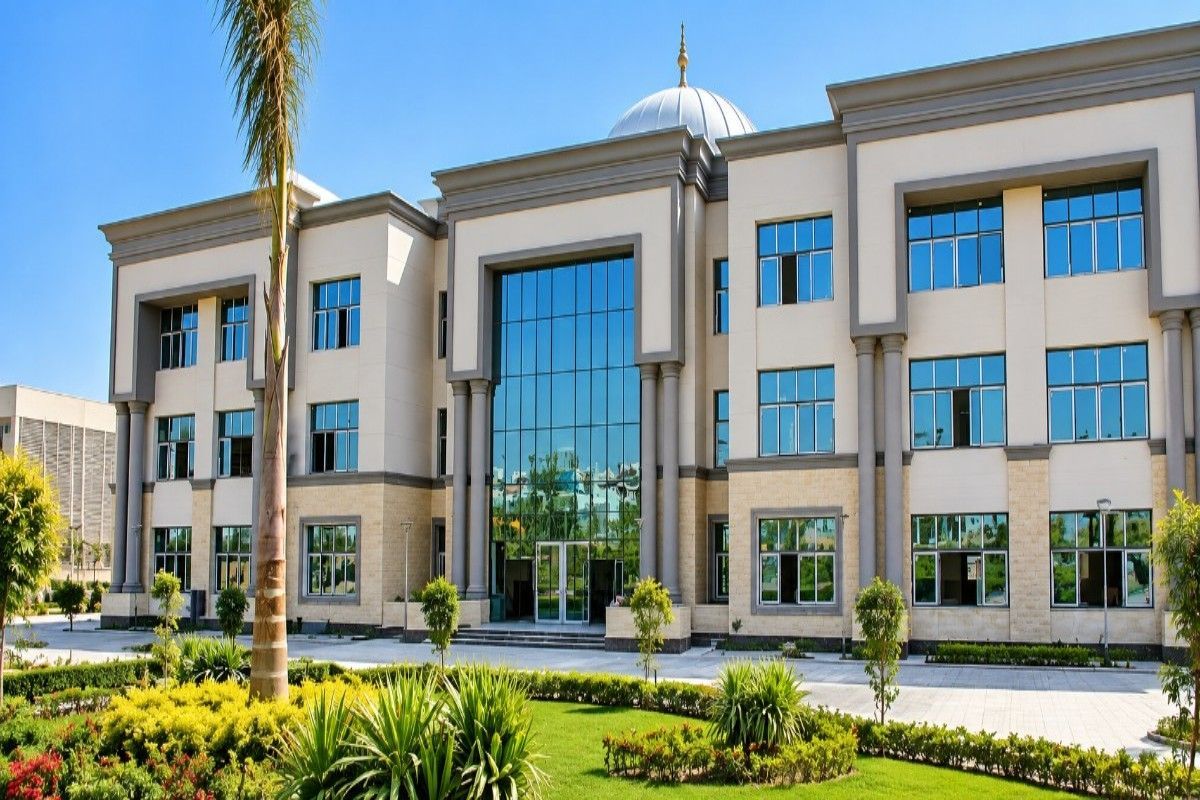
Our expert counsellors will guide you through the complete admission process — from documents to airport pickup.