The University and What Makes It Different
People mostly just call it EWU, or EWUNI, for short. It's also sometimes known as East-West Teaching University, and its own founding story is genuinely worth being upfront about, since sources on this specific point conflict noticeably. One source cites 1998 as the founding year, another cites 2012 specifically for the School of Medicine, and a third describes the university as having been founded in 2022 as the result of a collaborative project that actually began back in 2004-2005 under the leadership of the American University. So, rather than presenting a single confident date, it's worth treating this as a genuinely unresolved point across available sources, and confirming the exact founding year directly with the university.
Here's a fact most guides skip entirely, and it's genuinely specific. EWU was established in partnership with the American University in Washington, D.C., and the American University Global Peace Centre, aiming to deliver multilateral tertiary medicine programmes staffed by highly qualified medical personnel across the wider European region. Its modern teaching standards were developed within the framework of an EU-funded Tempus, later Erasmus+, project known as e-PBL-net, specifically aimed at establishing best international practice in medical education across the region. So, this university's curriculum development traces to a real, named, EU-funded academic initiative, not a generic in-house design process.
The university offers programmes well beyond medicine alone, including Business Administration, Law, Computer Engineering, Psychology, and Healthcare Management, and it's led academically by Prof. Khatuna Saganelidze, MD, PhD, who serves as Vice President and Head of the Academic Board. Prof. Saganelidze is a genuinely well-credentialed figure in her own right, sitting on the Malta Quality Assurance Committee and serving as an expert for higher education institution accreditation agencies in Georgia, Latvia, and Kazakhstan, a specific, verifiable detail about the university's own academic leadership.
The Tbilisi Campus and Its Setting
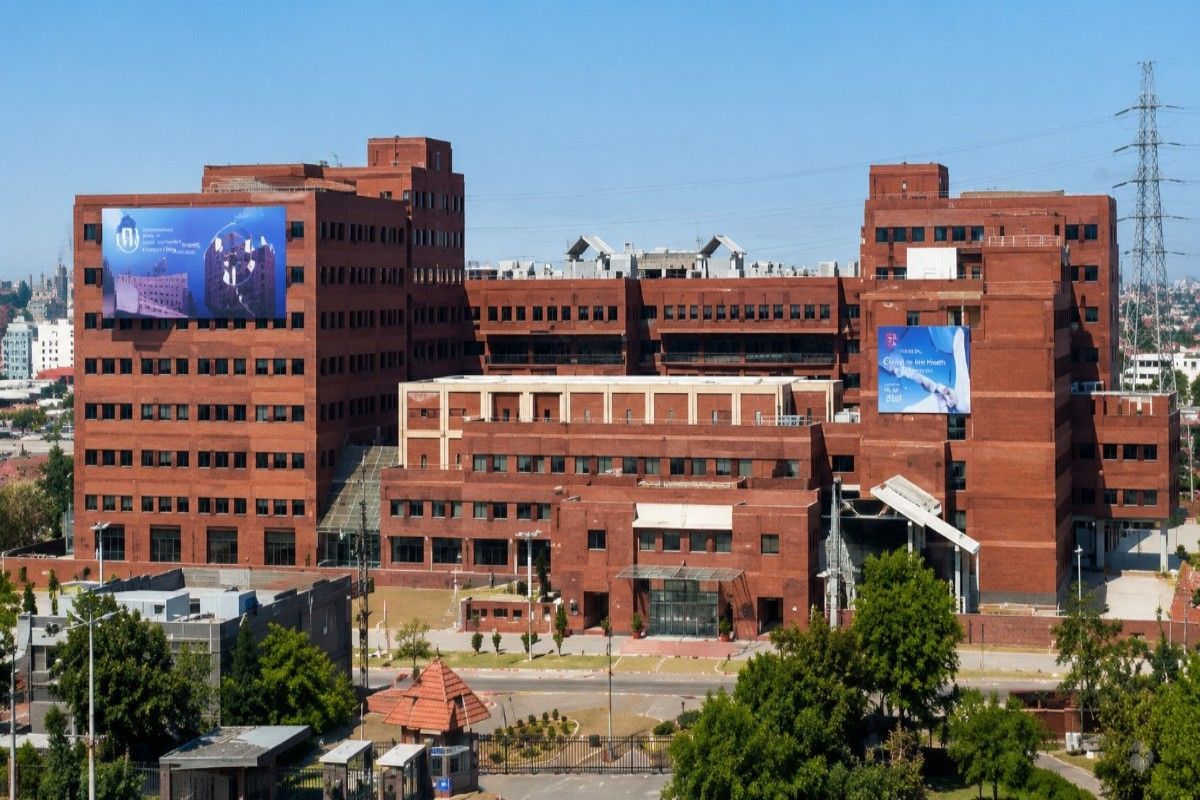
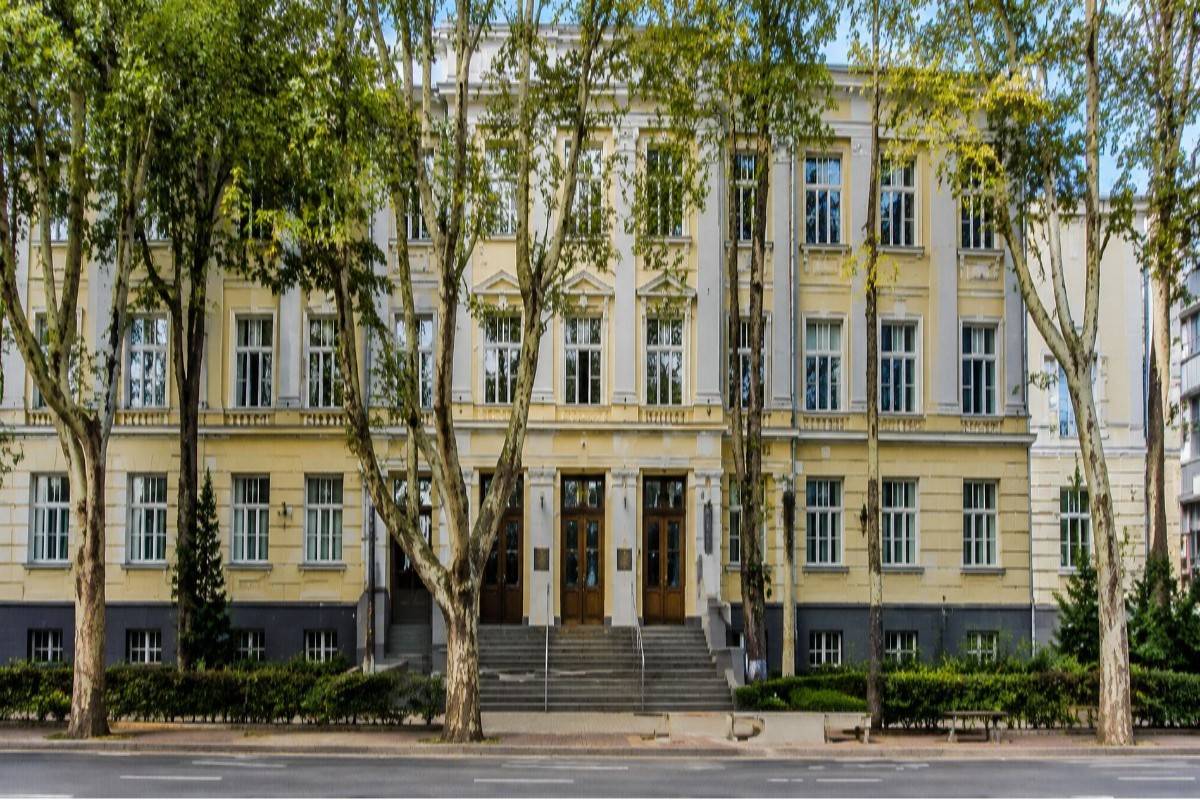
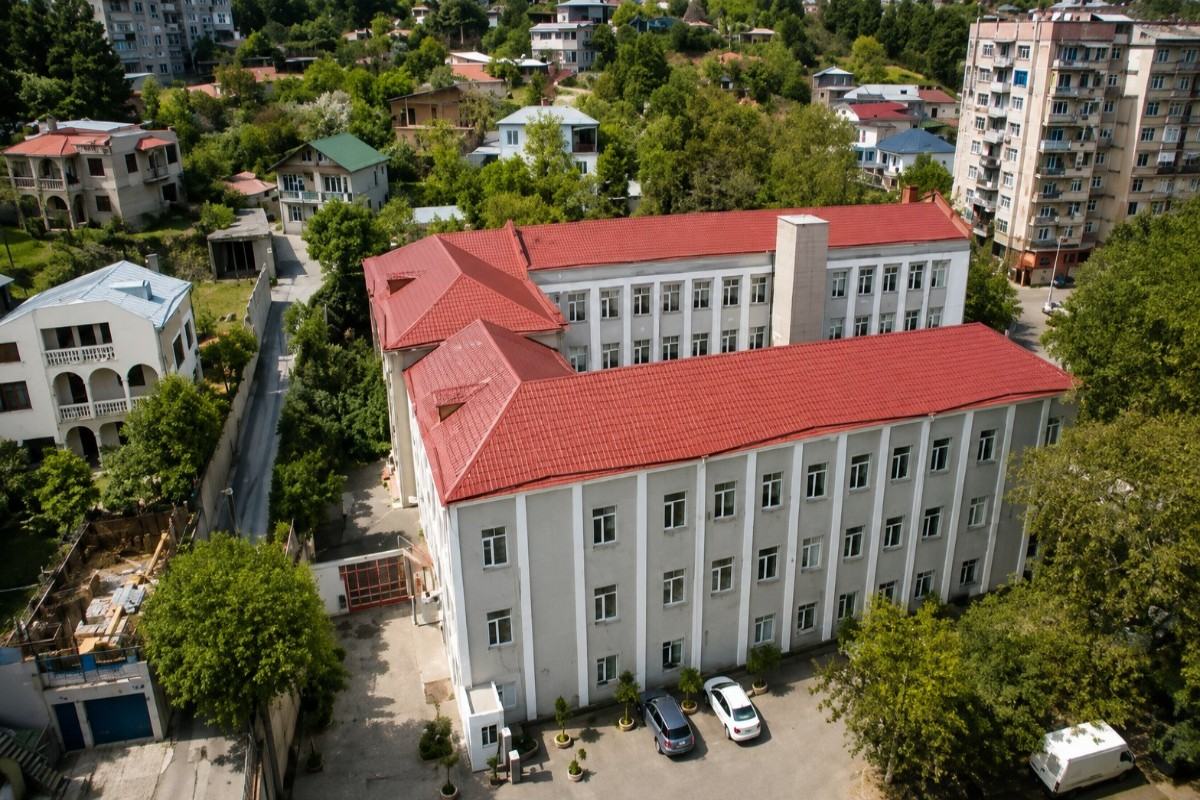
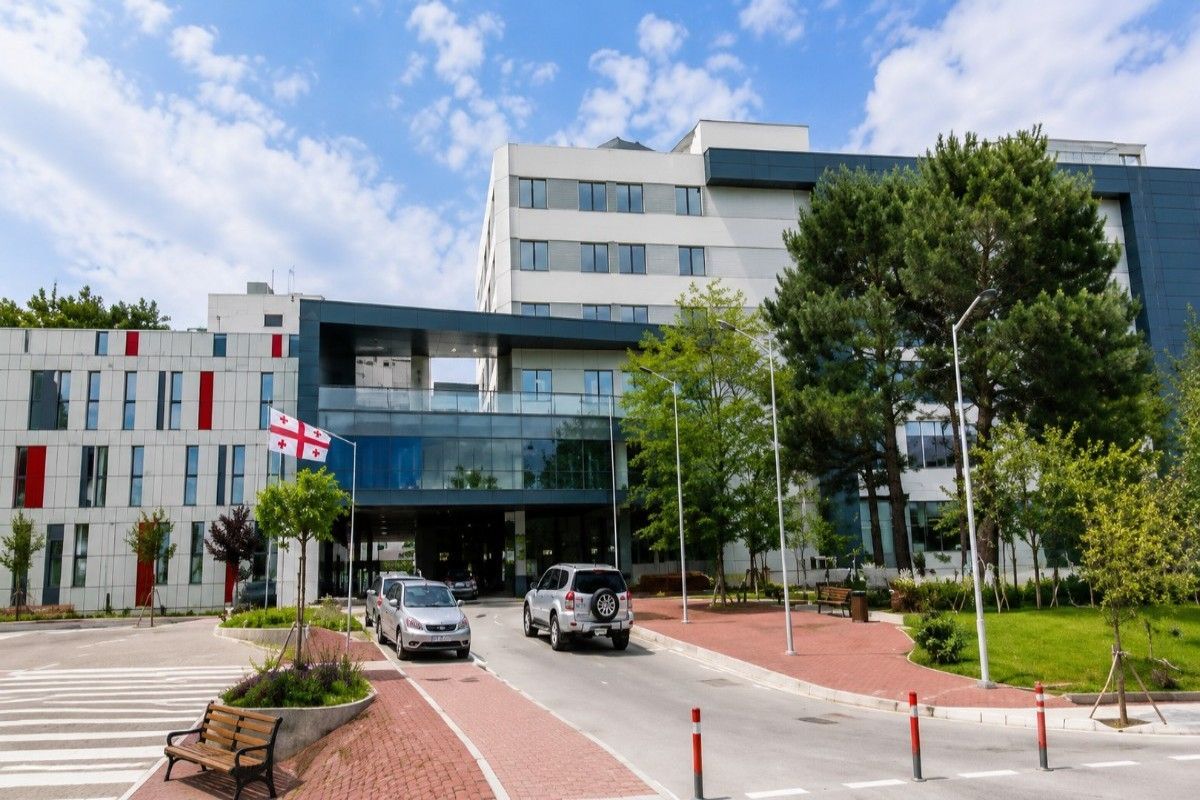
EWU is based in Tbilisi, Georgia's capital, described in the university's own materials as home to more than 40 universities and a genuinely well-established hub for international students. Tbilisi is widely noted for its safety, low crime rates, and relatively low cost of living, factors the university itself highlights as part of its appeal to prospective international students.
Clinical training runs through affiliated hospitals in Georgia, with the university specifically naming two of its clinical partnership sites: Aleksandre Aladashvili Clinic and the Tbilisi Balneological Resort, described as ultra-modern medical centres. So, unlike some Georgian medical universities that describe clinical placements only in general terms, EWU names specific partner institutions directly, giving applicants a clearer sense of where hands-on training actually takes place.
Course Structure, Cost, and Practical Details
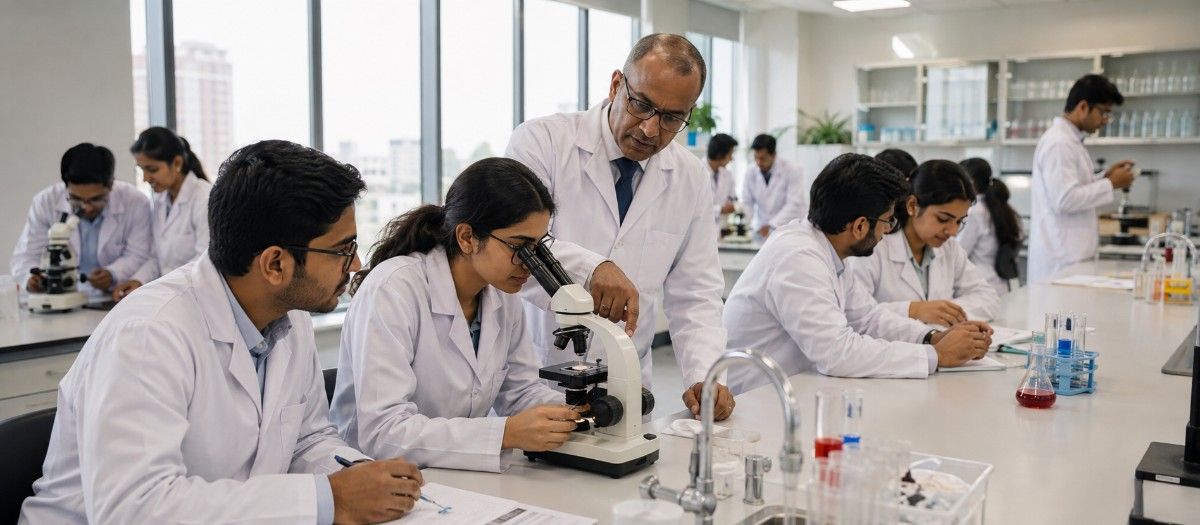
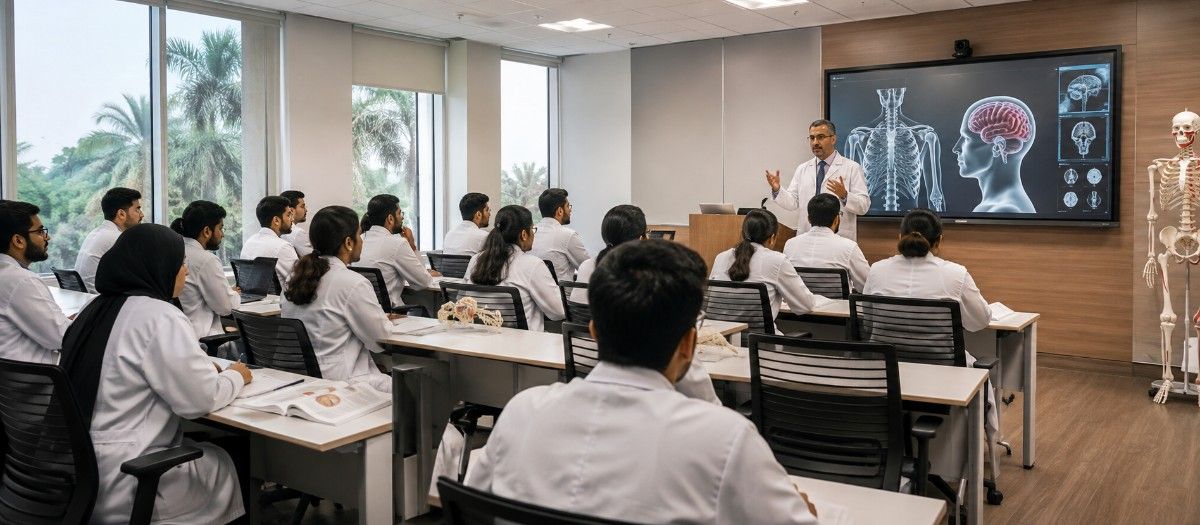
EWU's MD programme runs as a single-cycle, six-year Doctor of Medicine course, taught entirely in English, integrating basic and clinical sciences throughout. The programme is accredited by Georgia's own National Center for Educational Quality Enhancement, NCEQE, and the university states its curriculum deliberately integrates technology, research, and personal mentorship to provide genuinely practical training, not purely theoretical instruction.
Admission requirements for international applicants include a high school diploma or equivalent with demonstrated competency in Biology and Chemistry, and the university explicitly states that admission requires qualifying for NEET only, with no additional entrance examination required beyond that. EWU also accepts student transfers, though eligibility depends on an applicant's previous academic performance and how closely their prior medical school's curriculum aligns with EWU's own.
Fee figures here are genuinely well documented, since EWU publishes them directly on its own official website, a level of transparency not every university in comparable guides offers. The confirmed rate for the English-language Medicine MD programme is USD 5,500 a year for international students, working out to approximately USD 33,000 in tuition across the full six-year programme. Domestic Georgian students, admitted through national exams, pay a separate rate of GEL 5,000 a year. So, applicants can rely on this specific, officially sourced figure rather than a third-party estimate.
NEET remains a genuine requirement for Indian applicants here, exactly as it does for MBBS study in most other countries, and Indian graduates would still need to clear the FMGE or NExT exam to practise medicine back in India.
Quick Overview
Parameter | Details |
Established | Reported inconsistently across sources: 1998, 2012, or 2022; traces to a collaborative project begun in 2004-2005 under American University leadership |
Institution Type | Private university, also known as East-West Teaching University (EWTU/EWUNI) |
Location | Tbilisi, Georgia |
Programme | 1-cycle Doctor of Medicine (MD), equivalent to an MBBS, taught in English |
Duration | 6 years, including a final internship year |
Medium of Instruction | English |
Foreign Quota Note | NEET required for Indian applicants; no additional entrance exam beyond NEET, per the university's own admissions framing |
Teaching Hospital | Clinical training runs through affiliated Georgian hospitals, including named partnerships with Aleksandre Aladashvili Clinic and Tbilisi Balneological Resort |
Fee Structure
Fee Component | Amount | Notes |
Tuition Fee (international students, official) | USD 5,500 per year | Confirmed directly on the university's own official fee page |
Tuition Fee (national students, enrolled via national exams) | GEL 5,000 per year | The domestic Georgian rate, payable in Georgian Lari rather than USD |
Total Tuition (6 years, international) | Approx. USD 33,000 | Based on the official annual rate held stable across the programme |
Hostel/Accommodation | Described as affordable, on-campus and nearby options available | Specific figures not published; confirm current rates directly |
Scholarships | Reportedly available based on academic performance, extracurricular achievement, and financial need | Confirm current eligibility and amounts directly with the university |
Why This University Deserves a Harder Look Than You've Given It
Officially Published Tuition, Not a Third-Party Estimate
Most rival pages describing Georgian private medical universities rely entirely on consultancy estimates for fee figures. EWU publishes its own official tuition rate, USD 5,500 a year for international students, directly on its own website. So, applicants get a genuinely confirmed, source-verified figure here, rather than a range pieced together from third-party guides.
A Real, EU-Funded Curriculum Development Project
Most guides describe a medical school's curriculum as simply "internationally aligned" without specifics. EWU's teaching standards trace to a named, EU-funded Tempus/Erasmus+ project, e-PBL-net, developed specifically to build international best practice in medical education across the region. So, this university's curriculum design rests on a real, documented academic development initiative, not a marketing description.
Honest Assessment
Be upfront about a few real gaps here. The university's own founding year is reported inconsistently across sources, ranging from 1998 to 2022, so this specific detail should be confirmed directly. As with several private Georgian medical universities, broader international recognition claims, such as WHO or NMC listing, come primarily from third-party consultancy sources rather than a source independently verified here, so these should be checked directly too.
So, who fits here best? Applicants who value a genuinely officially published, transparent tuition rate, and who are drawn to a university with real, EU-funded curriculum development and specifically named clinical partner hospitals, fit well here. Students interested in a university with academic leadership holding genuine international accreditation-expert credentials fit well too. However, applicants who need a single, confidently confirmed founding date, or fully independently verified international recognition status, should request this directly from EWU before applying. Still, the university's genuinely transparent official fee structure and its real EU-funded curriculum partnership are real, well-documented strengths.