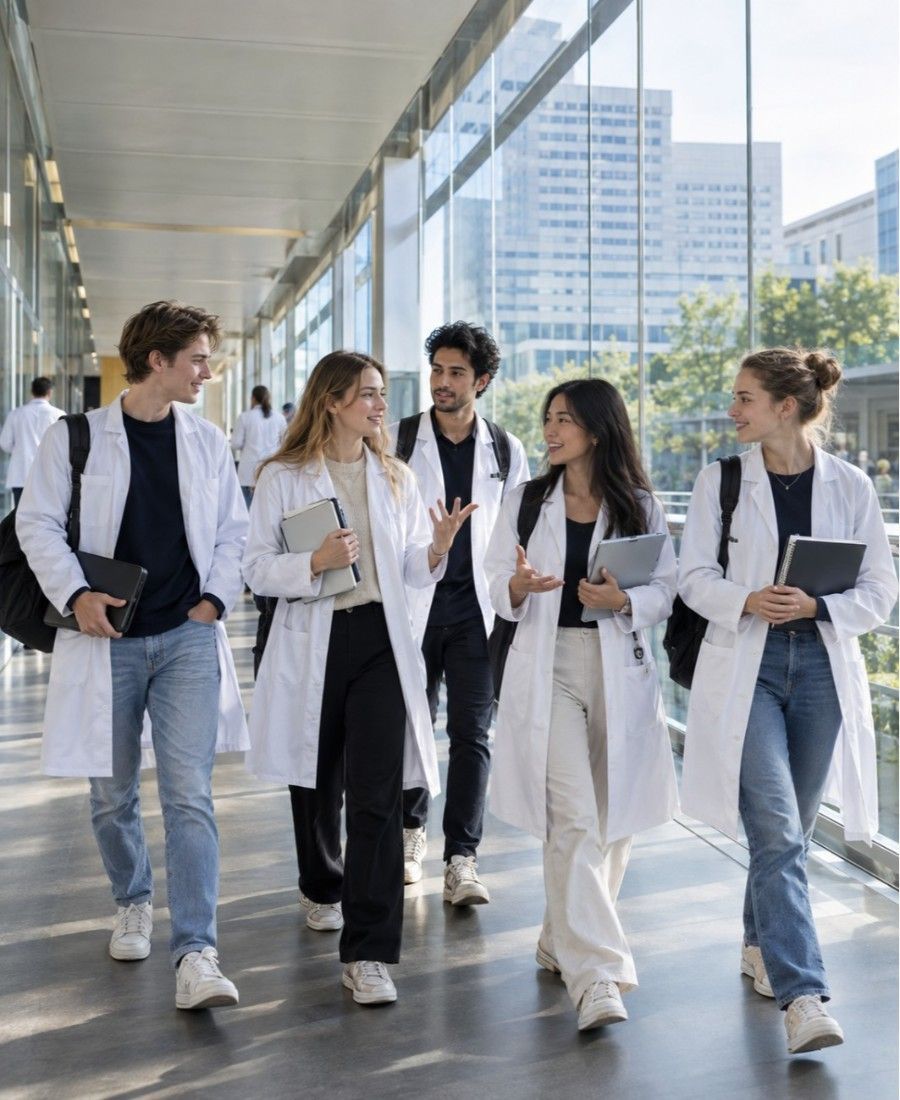
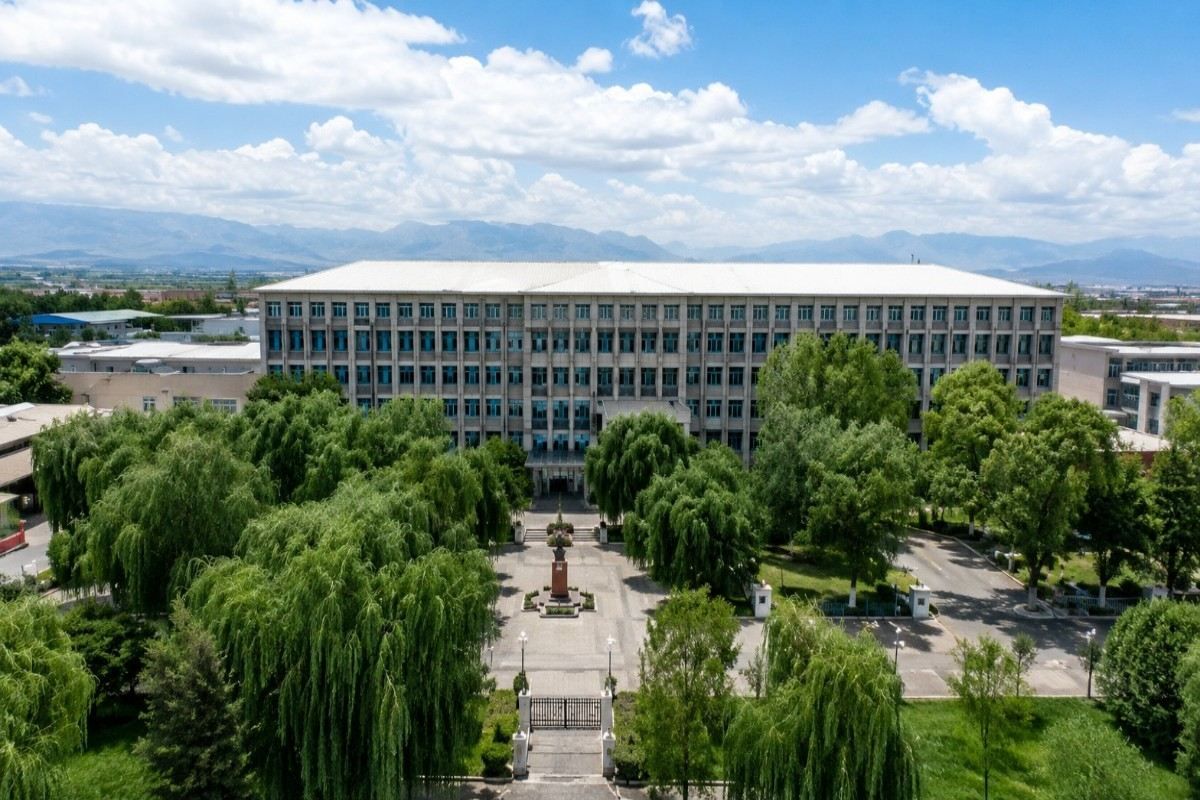
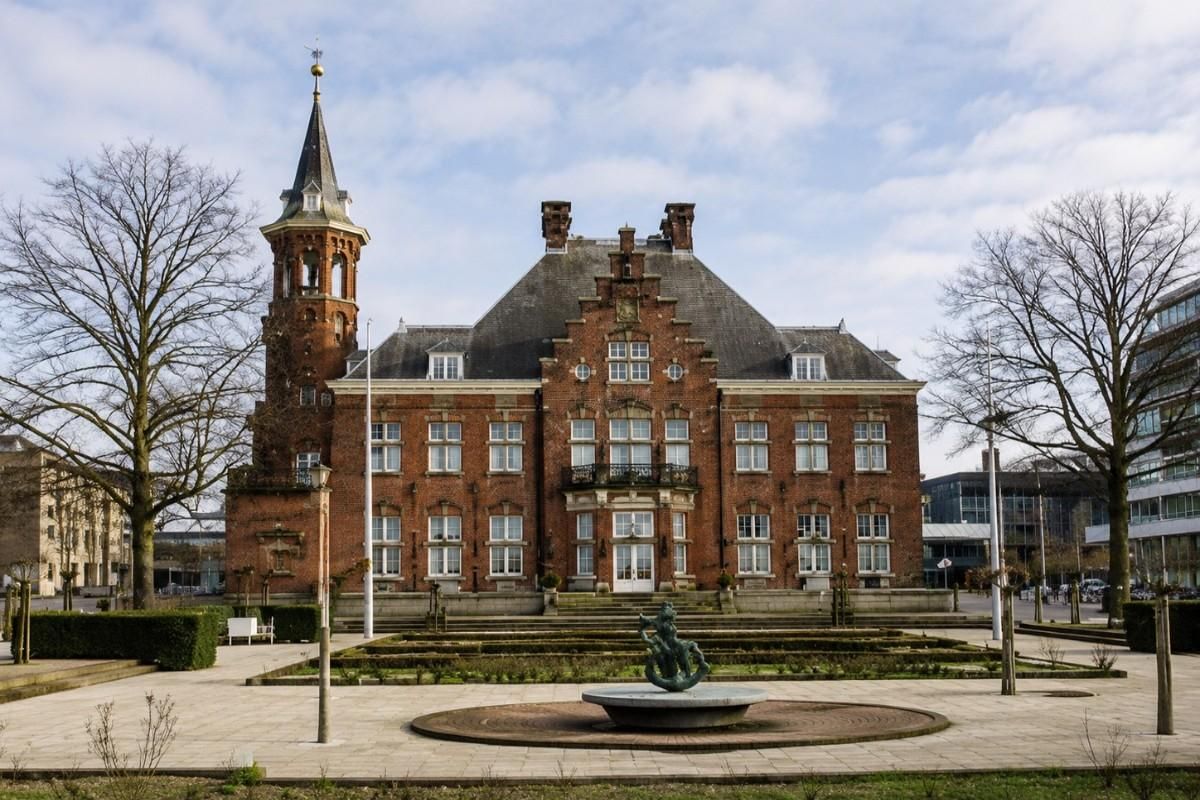
Academically, Erasmus University Rotterdam is home to a medical school that goes by the name Erasmus MC. It is one of the largest medical centres affiliated with universities in Europe. Located in the heart of Rotterdam, it is comprised of a single, contemporary campus. Everything from the primary teaching hospital to the research towers and the education building may be found just adjacent to it. Because people from a variety of professions work together in the same location, it is not difficult or time-consuming to transition from a classroom to a laboratory or a patient room. The Geneeskunde program is a six-year curriculum that consists of a three-year Bachelor's degree and a three-year Master's degree. Additionally, the program is taught by the teachers to individuals who are interested in becoming medical professionals. You will receive the title of arts (physician) upon completion of the degree program, which is the title that is required by law in the Netherlands in order to become a physician. Education is provided in Dutch.
Since a very long time ago, the school has been in operation. In 1966, it was established as the Medical Faculty Rotterdam with the purpose of catering to the expanding port city and the areas surrounding it. Through the course of time, it became Erasmus Medical Center by combining forces with the academic hospital Dijkzigt and the Sophia Children's Hospital. There are currently over one million people who call the centre each year, and it is one of the busiest centres in the country in terms of providing services related to cancer, transplants, and trauma. During their clinical years, medical students get the opportunity to work on a more diverse spectrum of problems because of this scale. These cases range from those that are seen frequently in family medicine to those that are extremely uncommon and complicated and are brought in from hospitals all across the Netherlands.
The Bachelor program uses a system called "Erasmusarts 2030," which is the faculty's current vision of what a doctor should know and be able to do by the year 2030. The idea is simple: a modern doctor needs strong medical knowledge, but also good communication skills, an eye for prevention, and the ability to work with data and new technology. To reach that goal, the first three years mix classic subjects like anatomy, physiology, and pharmacology with small-group work on real patient cases, early contact with patients in clinics, and training in academic and professional skills. Students learn to take a history, do a basic physical exam, and reason through a case from the very first year, not only at the end of the course.
The Master's program is where students spend most of their time in the hospital and in the community. Over three years, they rotate through internal medicine, surgery, paediatrics, obstetrics and gynaecology, psychiatry, neurology, general practice, and social medicine, among others. Each rotation, called a coschap, lasts several weeks and is done in Erasmus MC itself or in one of the many affiliated teaching hospitals in the south-west of the Netherlands. In the final year, students choose a longer elective and a senior internship, which often works as a bridge into their first job or into a specialist training program.
Research is a strong part of daily life at Erasmus MC. The centre is known for its work in cardiovascular disease, cancer, neuroscience, epidemiology, and virology. The world-famous Rotterdam Study, which has followed thousands of residents for decades, is based here and has shaped global guidelines on ageing, dementia, and heart disease. Medical students can join research projects early, do a research internship during the Master, or apply for the MD/PhD track, which combines the medical degree with a doctorate. Many graduates go on to combine clinical work with academic research later in their careers.
The campus itself is compact and easy to use. The education centre has modern lecture halls, skills labs, simulation rooms, and quiet study spaces. There is a large medical library, a sports centre nearby, and plenty of cafes and food outlets on and around the campus. Rotterdam is a young, international city with a strong student population, and it is well connected by tram, metro, and train, so students can reach the city centre, the beach, or other Dutch cities in a short time. Housing is tight, as in most Dutch student cities, so the university advises new students to start looking early through official channels.
The Medical Faculty Association of Rotterdam, otherwise known as MFVR (Medische Faculteitsvereniging Rotterdam), serves as the hub of student life. Study groups, career fairs, sports teams, and social events are all hosted by this organisation. Additional opportunities to participate in smaller groups are available to students who have an interest in surgery, global health, research, or specific specialities. Additionally, students have the opportunity to develop connections, locate guides, and determine the type of physician they wish to become.
International students must have a very good grasp of Dutch before they can even apply because the whole school is taught in Dutch. The NT2 Programma II certificate or a diploma that is recognised as being equivalent is usually used as proof. Applicants must also have studied a lot of science in high school, like the Dutch VWO, with classes in biology, chemistry, physics, and math. The national numbererus fixus method controls admission, and in Rotterdam, it limits the number of first-year seats to about 400 per year. The faculty does not use a lottery to choose students. Instead, they use a process that includes school grades, a written test, and other criteria set by the school. Every year on January 15, the last day to apply through Studielink. This is a lot earlier than the deadline for most other university programs.
Erasmus MC doctors are added to the Dutch BIG register when they graduate, so they can work anywhere in the Netherlands. A lot of them go on to become specialists at the same school or at other universities across the country. The degree is also recognised in other countries. If graduates want to work in another country, they still have to follow the local licensing rules. For example, in the US, they have to take the USMLE, in the UK, they have to take PLAB or the UKMLA, and in India, they have to take the NMC screening test and go through the FMGE/NExT process. However, the Erasmus MC diploma is recognised as a valid primary medical qualification in these systems.
Only Indian and other non-EEA students who are determined to learn Dutch, live in the Netherlands for at least six years and pay the higher institutional tuition fee should go to Erasmus MC. This is one of the best places in Europe to become a doctor. You can do it on a campus where teaching, care and study all happen at the same time. Plus, they'll get a degree that can be used anywhere in the world.