
Q1. When was Saba University School of Medicine founded?
+It was founded in 1992, on the island of Saba, a special municipality of the Netherlands in the Caribbean.
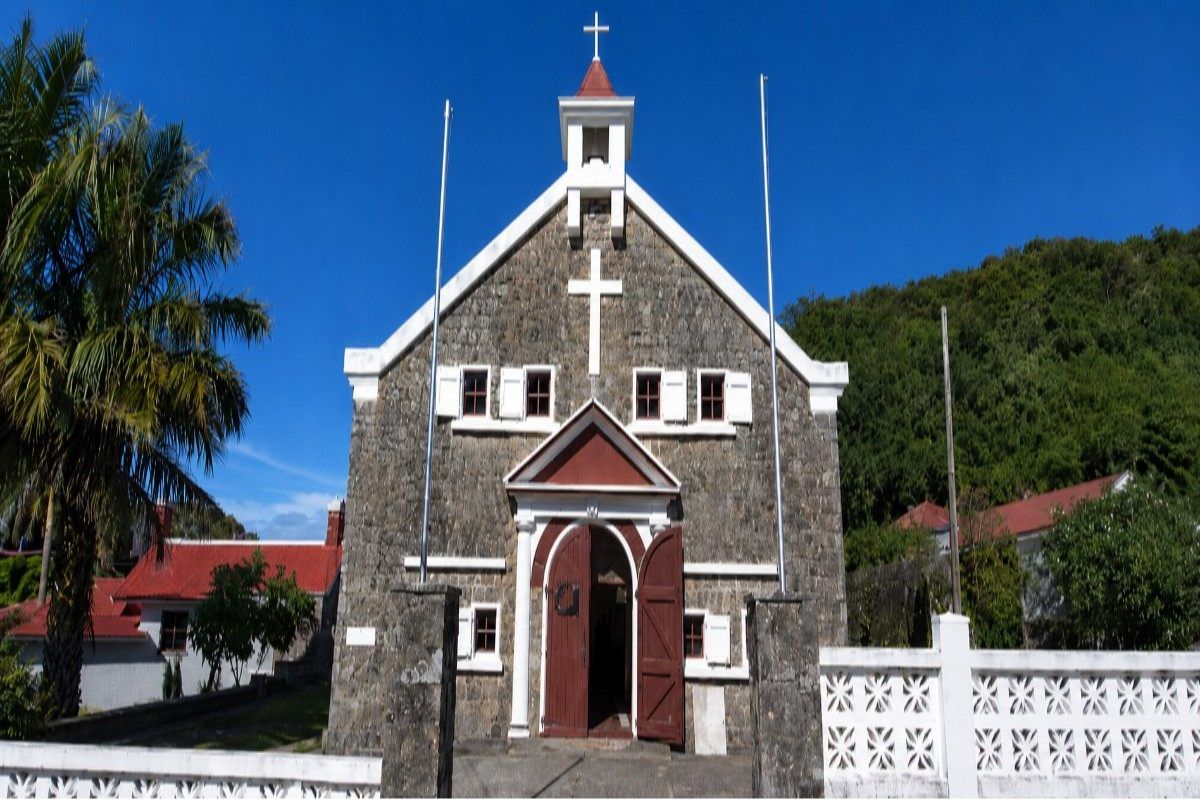
 Netherlands | Est. 1992
Netherlands | Accredited by the Accreditation Organisation of the Netherlands and Flanders (NVAO), recognised by the World Federation of Medical Education, with standards deemed comparable to U.S. accreditation by the National Committee on Foreign Medical Education and Acc | English runs through the entire MD programme. medium
Expert will call you within 2 hours
Most people just call it Saba, or SUSOM. The setting alone makes this one genuinely different from most of the medical schools on this kind of list — it's not in Europe, Asia, or Australia at all. Saba University School of Medicine was founded in 1992 by a group of U.S. medical educators working together with the local government, on the island of Saba, a special municipality of the Netherlands tucked into the Caribbean.
Here's something worth knowing right away. Saba isn't part of some larger Netherlands Antilles setup anymore either — that federation was dissolved in 2010, after residents voted on it back in 2006, and Saba became a special municipality directly under the Dutch government. So the island's own political status shifted during the university's lifetime, even as SUSOM kept running its programme the whole way through.
There's another detail that genuinely sets this school apart from most Caribbean medical schools. SUSOM's MD programme is accredited by the Accreditation Organisation of the Netherlands and Flanders, or NVAO — Europe's own accreditation body — and it's recognised by the World Federation of Medical Education. That makes Saba the only Caribbean medical school to meet full European accreditation standards, rather than relying purely on a Caribbean-based accrediting body the way most of its regional competitors do.
It's a private medical school, owned by R3 Education Inc., part of Global University Systems, and it shares its curriculum with a sister school, the Medical University of the Americas. Basic Science teaching happens right on Saba's own campus, while clinical rotations later move to affiliated hospitals and clinics across the U.S. and Canada.
Saba itself is tiny — about five square miles of volcanic island, home to roughly 2,000 people, sitting some 28 miles south of St. Maarten in the northeastern Caribbean. The university's campus is based in The Bottom, the island's capital, and it's genuinely remote in a way that's part of the pitch rather than a downside — quiet, safe, and about as free from distraction as a medical campus gets.
What really stands out about studying here is how deliberately isolated the Basic Science years are. Students spend their first five semesters, roughly the first twenty months of the four-year programme, living and studying on the island itself, before the second half of the MD moves entirely to clinical rotations in the U.S. and Canada.
Let's be clear about the structure here. This isn't a European-style Staatsexamen degree, and it's not built around India's NEET-and-FMGE pipeline either — SUSOM runs a genuinely American-style four-year Doctor of Medicine programme, ten semesters total, aimed squarely at students planning to practise in the U.S. or Canada.
English carries the entire programme. Semesters 1 through 5 cover Basic Science on the Saba campus itself, built around a systems-based, competency-focused curriculum, and semesters 6 through 10 shift to clinical rotations at teaching hospitals and clinics back in North America.
Admission doesn't run through a national entrance exam the way many other international medical schools do. Applicants generally need at least three years of undergraduate study, or the equivalent of 90 semester hours, including standard pre-med coursework, with a completed bachelor's degree recommended but not strictly required. There's no application fee, and accepted students secure their seat with a $750 deposit that later counts toward first-semester tuition.
On cost, Saba positions itself as one of the more affordable options among Caribbean schools that still lead to full U.S. and Canadian licensure. Basic Science tuition has been reported at roughly $17,850 per semester, which is meaningfully lower than many rival Caribbean medical schools, though the university's own current fee schedule is always the number worth confirming directly.
Parameter | Details |
Founded | 1992, on the island of Saba, a special municipality of the Netherlands in the Caribbean |
Institution Type | Private medical school, owned by R3 Education Inc., part of Global University Systems |
Location | The Bottom, Saba, Caribbean Netherlands |
Doctor of Medicine (MD), 4 years, 10 semesters | |
Duration | Semesters 1–5 on Saba campus (Basic Science); semesters 6–10 clinical rotations in the U.S. and Canada |
Medium of Instruction | English |
Direct application; no application fee; $750 seat deposit; roughly 3 years of undergraduate pre-med coursework expected | |
Teaching Hospital | Affiliated teaching hospitals and clinics across the U.S. and Canada for clinical years |
Fee Component | Amount | Notes |
Basic Science Tuition | Approx. $17,850 per semester | Semesters 1 through 5, confirm the current figure with the university |
Application Fee | None | SUSOM does not charge an application fee |
Seat Deposit | $750 USD | Applied toward first-semester tuition once accepted |
Clinical Semester Fees | Confirm directly | Must be paid in full prior to graduation |
Financial Aid | Grants, scholarships, and U.S./Canadian government aid | Available to eligible students, including GI Bill funding for veterans |
Living Costs | Confirm current rate | Varies between the Saba campus and North American clinical sites |
Most competing pages never explain this properly. SUSOM's accreditation comes from the NVAO, the same body that accredits universities across the Netherlands and Flanders, not a Caribbean-only accreditor. That's a genuinely different accreditation pedigree from almost every other medical school in the region.
Many guides gloss over what studying on a five-square-mile island for twenty months actually means. Saba's small size and remote setting are built into the pitch — students get a quiet, distraction-free stretch of Basic Science training before shifting entirely to hospital-based clinical rotations back in North America.
Be clear about a few real points here. This school is built around a U.S. and Canadian pathway, not a route back into countries like India, so applicants from elsewhere need to think carefully about how a Saba MD would be recognised back home. Living on a remote island for nearly two years isn't for everyone either, even with the safety and quiet it offers. So, who fits here best? Pre-med graduates targeting U.S. or Canadian residency and licensure, who want European-level accreditation without the cost of a domestic medical school, and who don't mind a genuinely small, isolated island setting for their first two years. Students hoping to practise in India or similar markets should check recognition requirements carefully before applying. Still, for those aiming at North American practice, Saba offers real accreditation credibility, a strong USMLE track record, and meaningfully lower tuition than many comparable options.
No hidden charges, no donation. The full picture of costs at MBBS in Saba University School of Medicine.
Tuition Fee
US$75,000/year ≈ ₹71.8 lakh per year
US$62,000 ≈ ₹59.33 lakh per year
Hostel Fee
US$650 ≈ ₹62,200 per month
US$650 ≈ ₹62,200 per month
Food & Meals
US$500–800/ ₹48,000–₹76,000
Per Year
Insurance
US$590 / ₹56,500
Per Year
Donation
NO donation
no hidden fee
Total Estimated Cost
US$355,000–378,000 (approximately ₹3.4–3.6 crore)
4 Year
25–35%
Average FMGE first-attempt pass rates for students from many overseas medical universities. Students from structured programs consistently score higher.
Students returning to India need to clear the FMGE/NExT exam. MBBS in Saba University School of Medicine integrates exam-oriented coaching into the regular curriculum so students are prepared from day one.
A structured program that takes you from foundational sciences to clinical mastery.
Semester 1: Human Body Structure and Function; Human Histology and Physiology; Clinical Skills I. Students study gross anatomy, cadaver dissection, histology, physiology, molecular foundations and introductory patient communication/history-taking and physical examination skills. Semester 2: Metabolism and Nutrition; Genetics and Development; Infection/Defense/Response; Medical Ethics; Clinical Skills II. The curriculum integrates biochemistry, genetics, embryologic development, microbiology, immunology, ethics and progressively more advanced clinical communication and examination skills. Semester 3: Neuroscience and Neurology; Systems and Disease I; Clinical Skills III; Behavioral Medicine. Neuroscience is integrated with anatomy, physiology, pathology and pharmacology, while Systems and Disease begins an organ-system approach with endocrine medicine. Behavioral medicine incorporates psychology, epidemiology, biostatistics and evidence appraisal.
Anatomy, Histology, Biochemistry, Medical Biology
Semester 4: Systems and Disease II and III. Systems and Disease II covers reproductive, gastrointestinal and pediatric medicine; Systems and Disease III covers cardiovascular, respiratory and renal systems. Content is integrated across anatomy, physiology, pathology, pharmacology and clinical medicine. Semester 5: Systems and Disease IV; Clinical Skills V; Foundations of Clinical Medicine. Students cover hematology, immune, integumentary, musculoskeletal and multisystem disease while consolidating history-taking, physical examination, documentation, diagnostic decision-making and prescription-writing skills. Foundations of Clinical Medicine provides an integrated review of Basic Sciences and prepares students for USMLE Step 1. Research and evidence-based medicine are integrated throughout Basic Sciences, culminating in the Research: Literature Review and Analysis module before formal clinical training.
Physiology, Microbiology, Pathology, Pharmacology
8-week Research Module: Students complete Research: Literature Review and Analysis, developing skills in research-question formulation, database searching, critical appraisal of medical evidence and scholarly medical writing. Internal Medicine — 12 weeks: Inpatient and ambulatory adult medicine, history and physical examination, patient management, diagnostic procedures and clinical presentations. Surgery — 12 weeks: Perioperative care, sterile technique, surgical history and examination, basic procedures such as suturing and wound care, operating-room exposure and postoperative management. Obstetrics and Gynecology — 6 weeks: Prenatal care, pregnancy, labor and delivery, postpartum care, gynecologic history/examination, family planning and sexually transmitted diseases. Pediatrics — 6 weeks: Inpatient and outpatient care of infants, children and adolescents, including history-taking, examination, diagnosis and treatment of common and less-common pediatric disorders. Psychiatry — 6 weeks: Major psychiatric disorders, psychiatric history, mental-status examination and appropriate use of psychotropic medications.
Internal Medicine, Surgery, Obstetrics & Gynaecology
Students complete the remaining clinical curriculum through at least 30 weeks of elective rotations after the core clerkships. Electives may be completed in the United States and Canada and can include Cardiology, Family Medicine, Dermatology, Emergency Medicine, Anesthesiology, Intensive Care Medicine, Neurology, Pathology, Plastic Surgery, Radiology, Urology and Vascular Surgery. A minimum four-week Primary Care Elective is required. Students intending to practice in California or Texas have additional Family Medicine rotation requirements. Clinical training occurs at affiliated teaching hospitals, clinics and medical centers, including ACGME-approved U.S. locations; Saba reports more than 300 elective clinical sites over the two-year Clinical Medicine period. Students complete preparation for and must pass the required USMLE examinations for graduation, including USMLE Step 1 and Step 2 CK.
Paediatrics, Neurology, Ophthalmology, ENT
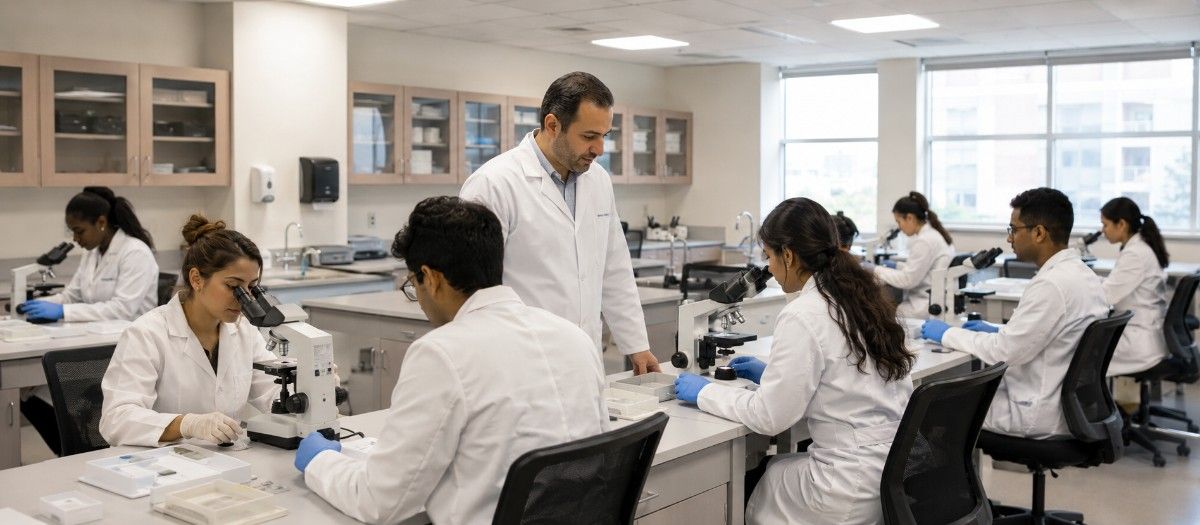
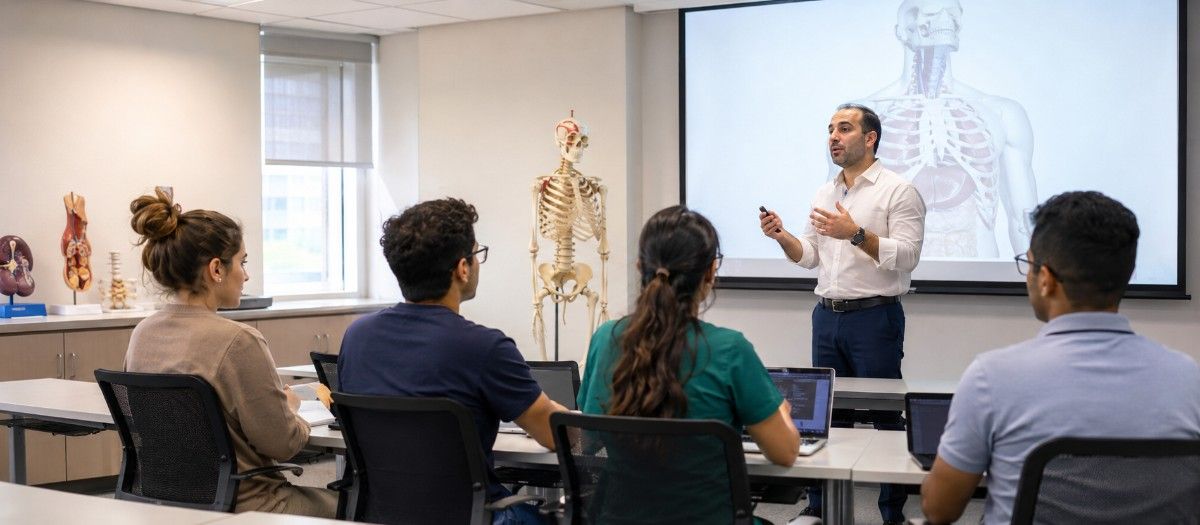
Furnished hostel rooms with Wi-Fi, laundry, 24/7 security, and Indian mess on or near campus.
Indian restaurants and mess facilities serving vegetarian and non-vegetarian home-style food daily.
Strong Indian community with cultural events, festival celebrations, and peer support groups.
Students get hands-on clinical training in government and private hospitals affiliated with the university.
Practical information for students planning to study at MBBS in Saba University School of Medicine.
Prepare for all seasons. Thermal wear for winters, light clothing for summers. University provides heating in hostels.
Student visa processed with university invitation letter. Direct and connecting flights from major Indian cities.
Health insurance included in fees. Medical facility on campus plus city hospitals easily accessible.
Local SIM cards available. WhatsApp and video calls keep you connected with family back home.
Average monthly expenses of $150–$250 covering food, transport, and personal needs.
University library, online databases, and study groups. Seniors mentor juniors through academic challenges.
Our team guides you through every step — from application to arriving on campus.
AMW begins with a comprehensive assessment of your academic profile, language background, and financial capacity. We evaluate which universities offer English-medium entry (Groningen and Maastricht), and compare the Netherlands transparently against Belgium, Croatia, and the Czech Republic as alternative EU pathways.
Even at English-medium institutions like Groningen and Maastricht, clinical rotations from Year 3/4 onwards are conducted in Dutch. Students must achieve B2–C1 proficiency in Dutch before entering clinical training. AMW advises on Dutch-language preparation timelines, typically requiring 12–18 months of structured study.
All Dutch medical school applications are submitted through the national Studielink portal. The deadline is strictly January 15 for the September entry. The numerus fixus selection process involves academic performance assessments and motivational tests. AMW assists with the complete Studielink application and supporting materials.
English-medium programmes (Groningen, Maastricht) require IELTS 6.5+ or TOEFL 90+. Dutch-medium programmes require C1 Dutch instead. AMW advises on which test applies to your chosen pathway
AMW assists with the Dutch student residence permit application through the IND (Immigratie- en Naturalisatiedienst). The university's International Office typically manages the permit on the student's behalf. Processing takes 2–3 months. Students must have valid Dutch health insurance (zorgverzekering) upon arrival.
AMW coordinates pre-departure preparation and arrival orientation for students heading to Amsterdam, Rotterdam, Leiden, Maastricht, Groningen, or Nijmegen.
Admission Helpline — Contact our counsellors for step-by-step assistance.
“The faculty here is incredibly supportive. The clinical training during hospital rotations has given me real confidence in patient care.”
“Affordable fees without compromising on quality. The campus facilities and hostel life made my transition abroad very smooth.”
“English medium instruction and WHO-recognized curriculum were the deciding factors for me. No regrets so far — excellent experience overall.”
“The university helped with everything from visa to accommodation. Hospital exposure from year three has been invaluable for my FMGE prep.”
“Just cleared my licensing exam on the first attempt. The structured coaching and mock exams during final year were a game-changer.”
“Safe campus, good food options, and a strong Indian student community. The teaching methodology is very practical and hands-on.”
It was founded in 1992, on the island of Saba, a special municipality of the Netherlands in the Caribbean.
Four years, ten semesters total — five on the Saba campus, five in U.S. and Canadian clinical rotations.
Yes, the entire MD programme is taught in English.
No separate entrance exam is required, and there's no application fee either.
Basic Science tuition runs roughly $17,850 per semester, with clinical semester fees confirmed separately.
A Doctor of Medicine (MD) degree, accredited by the NVAO and recognised for U.S. and Canadian licensure.
At affiliated teaching hospitals and clinics across the United States and Canada, during semesters 6 through 10.
Not automatically. Graduates planning to practise in India would need to confirm recognition and clear India's NExT exam separately.
It's a private medical school, owned by R3 Education Inc., part of Global University Systems.
It's accredited by the NVAO, the same body that accredits universities in the Netherlands and Flanders, making it the only Caribbean medical school with full European accreditation.
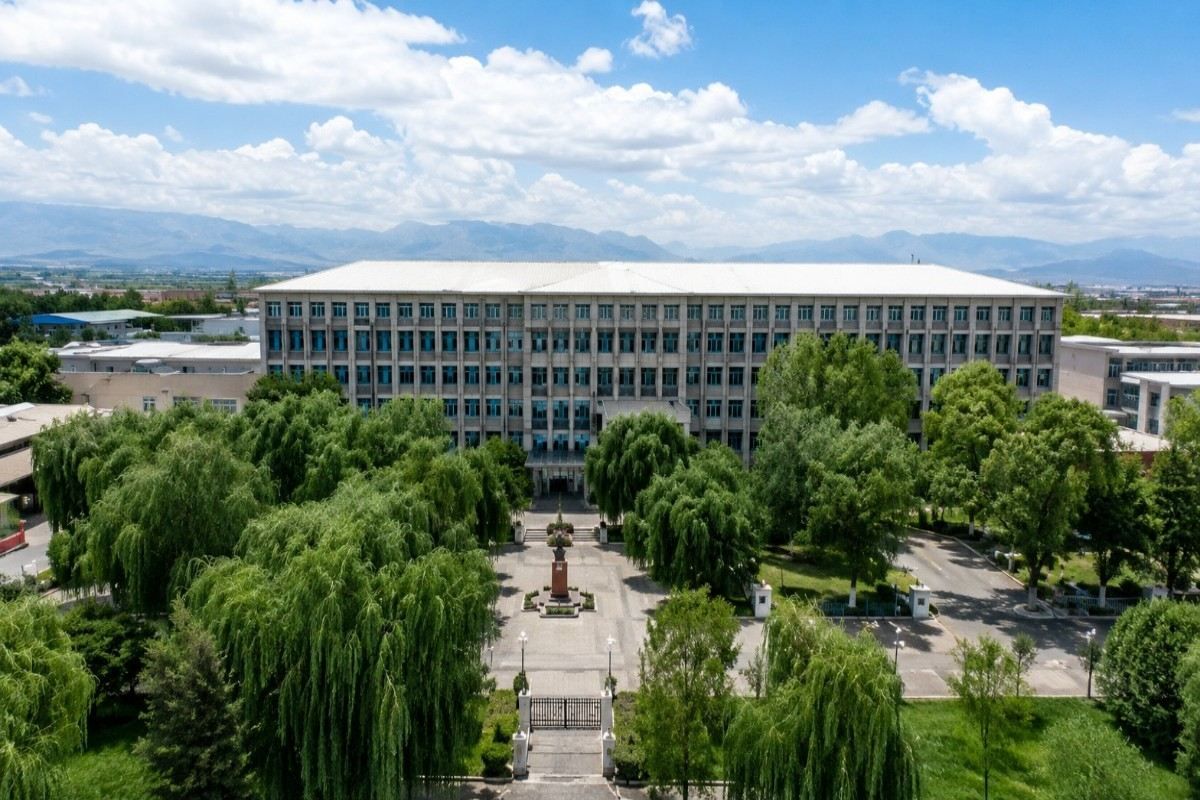

Our expert counsellors will guide you through the complete admission process — from documents to airport pickup.