Every Turkey-MBBS blog says the same three things: government university, WHO listed, budget-friendly. Then it stops there, which is exactly the problem, because the one detail that actually decides whether this college works for you is buried or skipped completely: the language.
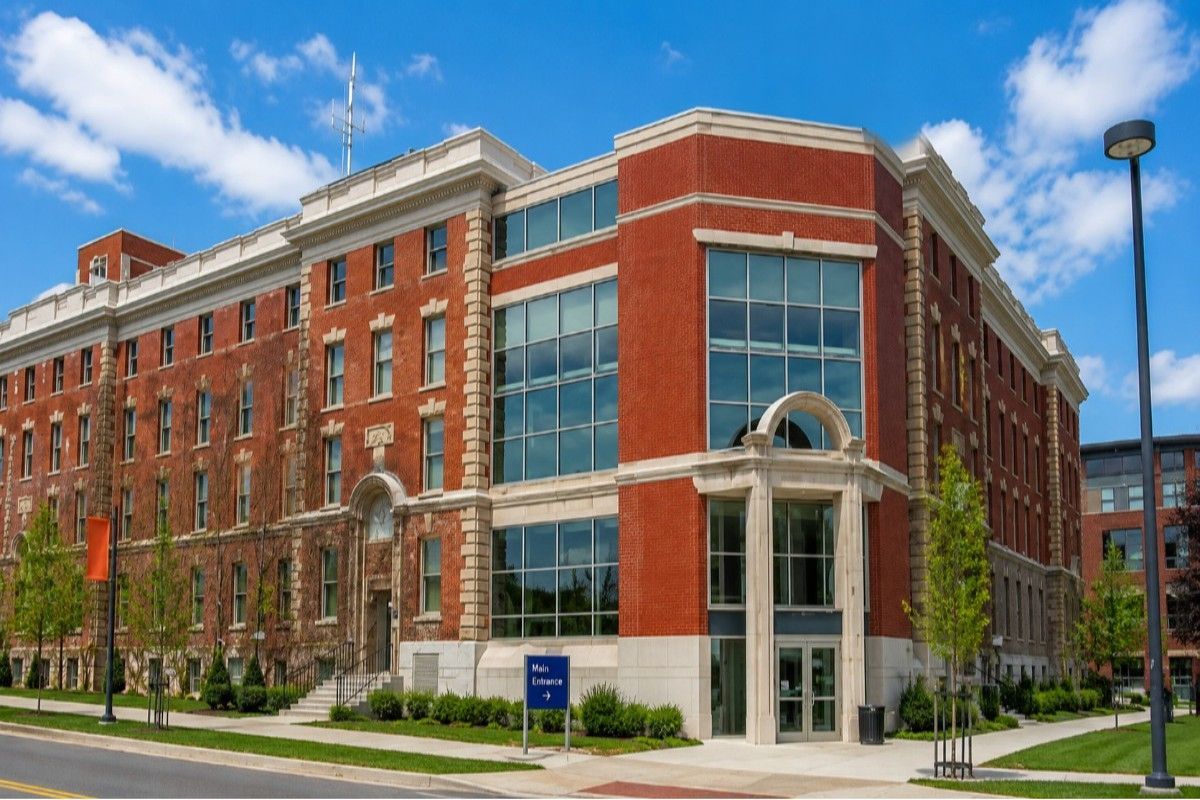
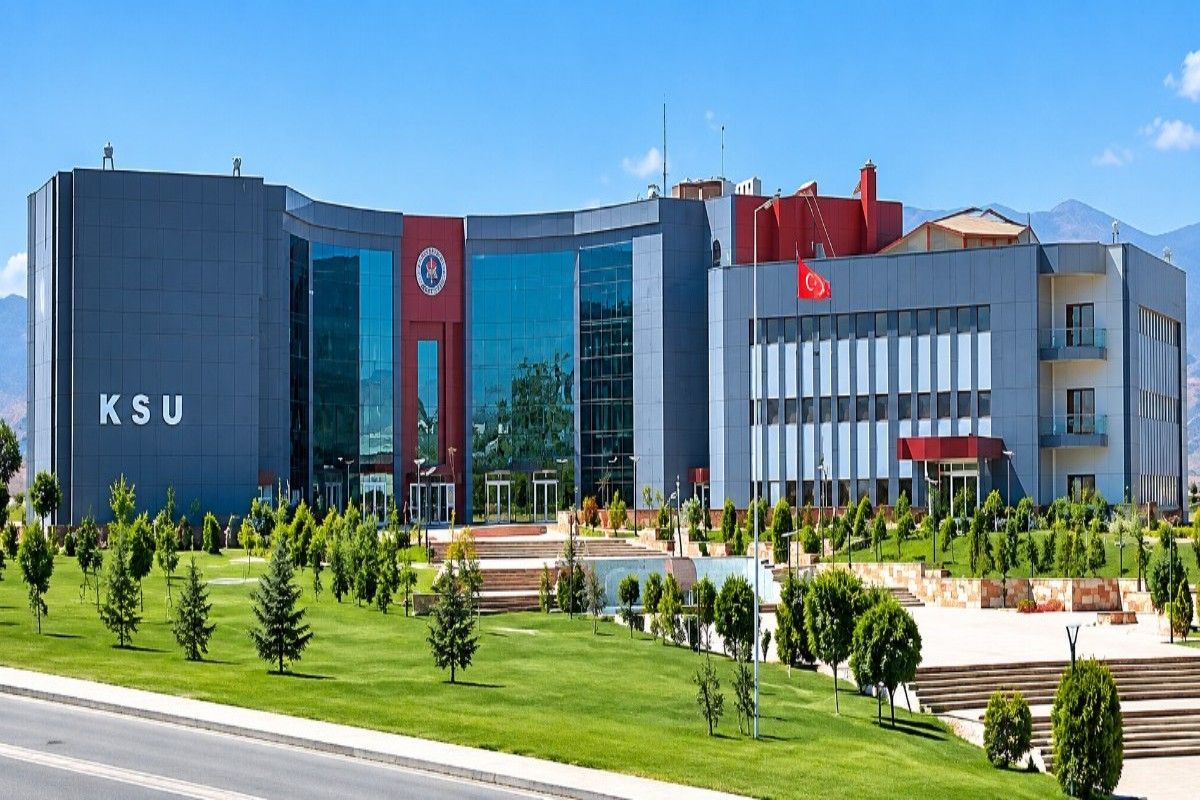
Erciyes Üniversitesi was founded in 1978, built on the older Gevher Nesibe Medical School that had been training doctors in Kayseri since 1968 under Hacettepe University. It sits in Talas, on the edge of Kayseri, a mid-sized Central Anatolian city with Mount Erciyes towering over it. Winters are properly cold, summers are dry, and the campus feels more like a small self-contained town than a college — it houses close to 20 faculties and a research hospital that anchors the whole medical program.
Here's what most pages gloss over: Tıp Fakültesi at Erciyes runs in Turkish, not English. There's no English-medium MBBS track here the way there is in Georgia or Central Asia. If your Turkish isn't already fluent, you go through a one-year TÖMER Turkish preparatory course before you even touch Dönem 1 (Year 1). That's a real extra year, a real extra cost, and a real reason some Indian applicants who are told "just apply, it's easy" end up struggling two months in. It's not a dealbreaker — thousands of foreign students clear it every year — but you should walk in knowing it, not find out after you've paid the first tuition instalment.
The teaching hospital, Erciyes University Hospital, is one of the largest in Central Anatolia, with well over a thousand beds and a full transplant and oncology program that draws patients from across the region. Clinical exposure here is heavy — you're not fighting for bed access the way students sometimes do at smaller private colleges. But the case mix in Turkey leans toward cardiovascular disease, diabetes, and respiratory illness rather than the tropical and infectious disease load you'd see back home, so the clinical training doesn't map onto Indian licensing exams as neatly as, say, a Nepal or Bangladesh posting would. That's a real trade-off, worth naming instead of glossing over.
Turkey isn't visa-free for Indians the way Nepal is. You'll need a Turkish student visa arranged through the embassy in Delhi (or your regional consulate) once you have an admission letter, and it has to be a sticker visa — the e-Visa route doesn't cover study purposes. Budget a few weeks for this and start the paperwork the moment your offer letter lands.
On the recognition side, Erciyes is a YÖK-approved public university and its medical faculty sits in the World Directory of Medical Schools. That means graduates are eligible to sit the FMGE or NExT once they're back in India, same as any other WDOMS-listed foreign medical school — but always cross-check the live listing on wdoms.org before you commit money, because directory entries do get updated.
6-Year Programme + 1-Year Turkish Prep: What It Actually Costs
Most pages quote a single tuition number and call it a day. What follows is the fuller picture, prep year included, because that's the year nobody mentions until you're already looking for a place to stay in Kayseri.
Cost Item | Per Year (Approx. USD / INR) | 6-Year Total (INR, approx.) |
TÖMER Turkish Prep (Year 0) | USD 500–900 | INR 42,000–75,000 | One-time |
Tuition Fee (Tıp Fakültesi) | USD 4,000–4,500 | INR 3.3–3.8 lakhs | INR 20–23 lakhs |
Hostel / Dorm (KYK or university) | USD 600–1,400 | INR 50,000–1,18,000 | INR 3–7 lakhs |
Food & Living Costs | INR 1.2–1.8 lakhs | INR 7.2–10.8 lakhs |
Health Insurance (mandatory) | INR 15,000–25,000 | INR 90,000–1.5 lakhs |
Visa & Travel (round trips) | INR 40,000–70,000 total | INR 40,000–70,000 |
Books & Study Material | INR 20,000–30,000 | INR 1.2–1.8 lakhs |
Donation / Capitation | None | NIL |
Total Estimated (6 years + prep) | — | INR 33–38 lakhs approx. |
Note: figures are converted at a rough 88–90 INR-to-USD rate and swing with the Turkish lira, which has been volatile for years — treat the Turkish lira portions as a ballpark, not a fixed quote, and get written figures from the international office before you transfer any money. No donation or capitation fee is charged at any stage; this is a public university, and admission runs entirely on your foreign-student exam score.
Why Erciyes Is Worth Considering — If You Go In With Eyes Open
Search "MBBS in Turkey for Indians" and you'll find a wall of near-identical listicles ranking a dozen Turkish universities by tuition alone, as if tuition were the only variable that mattered. It isn't. What actually separates a workable Turkey plan from a wasted year is whether you're honest about the language commitment upfront.
Erciyes isn't chasing international students the way private colleges in Georgia or the Caribbean do — it doesn't need to. It's one of Turkey's ten designated research universities, and its medical faculty predates the university itself by a decade. That pedigree shows up in the depth of the hospital system and the research output, not in flashy marketing.
The city itself does something for you that Istanbul or Ankara can't: cost of living in Kayseri is meaningfully lower, the pace is slower, and there are fewer distractions pulling first-year students away from a genuinely difficult academic and language transition. Cappadocia is an hour's drive away if you need a weekend reset, which counts for something over six years.
The honest trade-off is this: if you want an English-medium degree with the least friction possible, Erciyes isn't it — a Georgian or Central Asian university with an established English MBBS track will get you there faster and with a support system already built for NEET-background students. If you're willing to put in a genuine year of Turkish before medicine even starts, and you want a public-university degree from a system with real research infrastructure behind it, Erciyes is a legitimately strong option that most Indian-student blogs simply don't cover in enough depth to help you decide either way.