
Q1. Can international students, including those from India, apply to Istanbul University's Medicine course?
+Yes. Istanbul University is genuinely open to international applicants. NEET is required for Indian applicants.
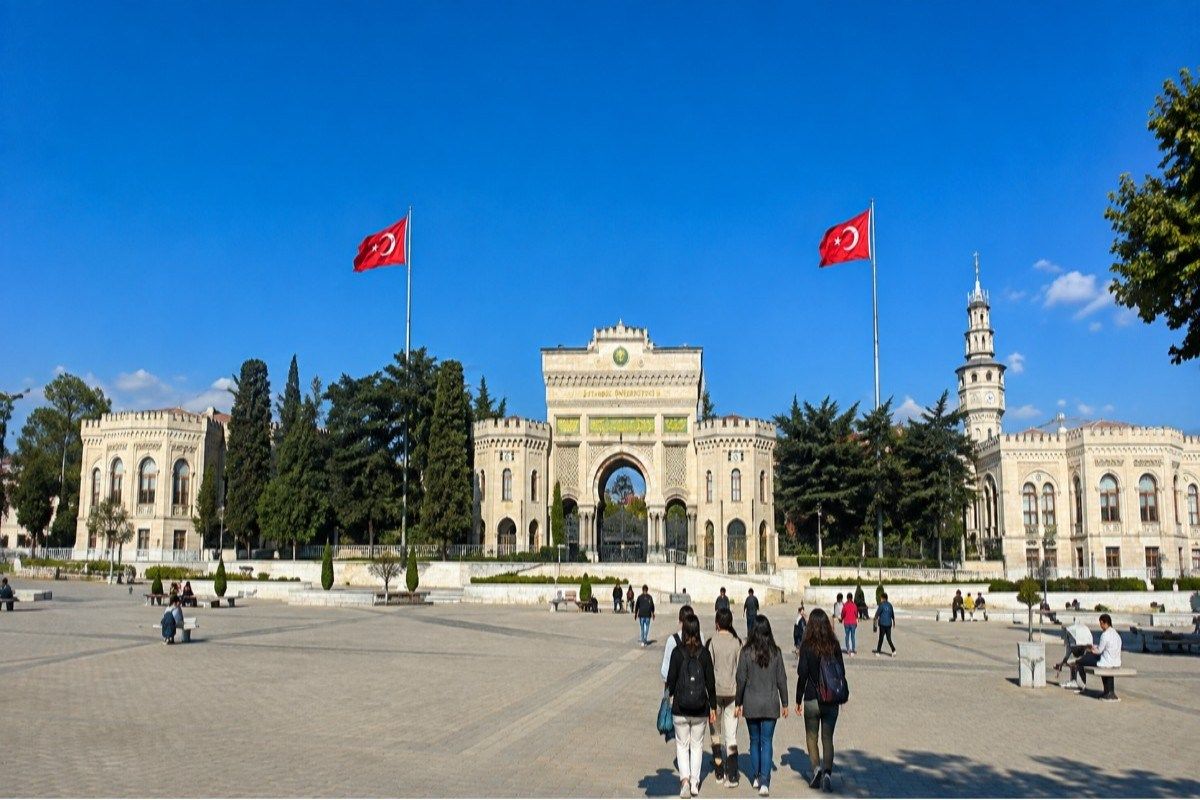
 Turkey | Est. 1453
Turkey | Turkey's Higher Education Council (YÖK) | Available in both English and Turkish medium
Expert will call you within 2 hours
People mostly just call it İÜ for short. Its own history is genuinely one of the deepest and most specifically documented of any institution covered in guides like this one, and it is worth tracing carefully rather than reducing to a single founding year. The university's traditional lineage dates to 30 May 1453, when Sultan Mehmed II, immediately after conquering Constantinople, assigned scholars to the madrasas at Zeyrek and Hagia Sophia, teaching theology, law, literature, mathematics, and astronomy. So, this university's own founder is a specific, historically documented figure, and its earliest teaching activity is tied to an exact, dateable moment in world history.
Here is a fact most guides skip entirely, and it is genuinely the most important detail for understanding this specific Faculty of Medicine. The true nucleus of Istanbul University's medical education is not the 1453 conquest itself, but the Darüşşifa, a hospital founded in 1470 around the Fatih Madrasah, the largest hospital of its time, with seventy wards. Patient care and medical education continued there for approximately 350 years, all the way into the 19th century. So, this faculty's own medical teaching tradition is independently, specifically dated to 1470, a full 17 years after the university's own broader founding, and represents a genuinely continuous medical institution across three and a half centuries.
The path from there to today's Faculty of Medicine ran through several further, precisely dated stages. On 14 March 1827, the Imperial School of Medicine was founded. Following the Tanzimat reform period, an edict was issued on 23 July 1846 establishing the Darülfünun, the House of Sciences, in Istanbul, reflecting a broader Ottoman belief that progress could only be achieved through science. This institution went through further transformations, including a specific Darülfünun Medical School stage in 1908, before Mustafa Kemal Atatürk's sweeping 1933 education reforms saw the Darülfünun formally reorganised into Istanbul University itself, with the Istanbul University Medical School specifically dated to 1 August 1933. Finally, the modern Istanbul Faculty of Medicine in its current form was established on 27 July 1967, the very same day its sister institution, the Cerrahpaşa Faculty of Medicine, was also founded within the same university, before Cerrahpaşa later split off as its own independent university in 2018.
Istanbul University's own motto, Tarihten Geleceğe Bilim Köprüsü, translating to Science Bridge from Past to the Future, captures this genuinely layered history well. Today the university comprises 17 faculties, including Law, Dentistry, Medicine, and Aquatic Sciences, alongside 14 institutes, two vocational schools, two schools, two departments, 75 research and application centres, and 263 student clubs, serving 58,809 students, of whom 42,066 are undergraduates and 16,268 postgraduates, supported by 4,339 academic staff and a 2025 budget of approximately USD 411 million.
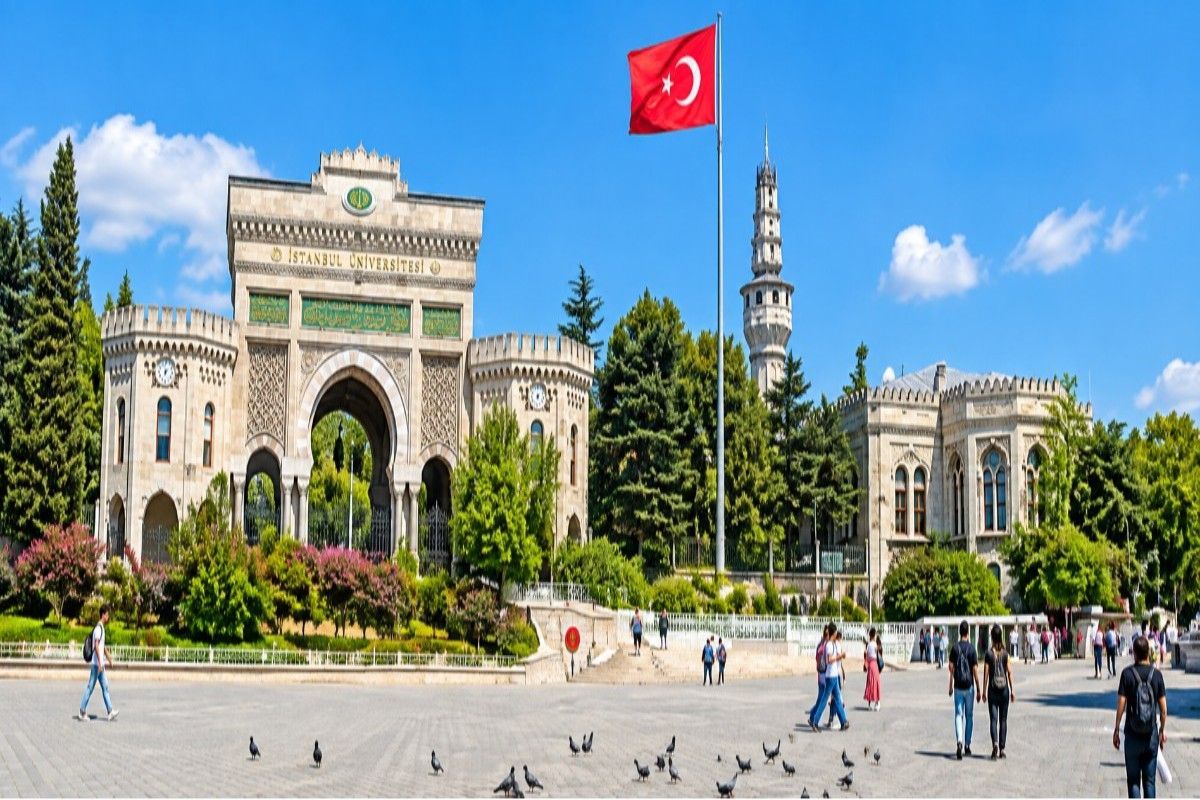
Istanbul University operates across ten campuses spread throughout the city, on both the European and Asian sides. These are Beyazıt, the university's historic central campus, alongside Vezneciler, Vefa, Süleymaniye, Laleli, Horhor, Avcılar, Çapa, Gülsuyu, and Maslak. The Faculty of Medicine itself is based specifically at the Çapa campus, giving this profile its commonly used shorthand name among students and locals, "Çapa Faculty of Medicine."
Clinical training runs through Istanbul University's own Çapa teaching hospital complex, a genuinely large, historic clinical site directly tied to the faculty's centuries-long medical teaching tradition. Istanbul University's Human Medicine programme runs six years, the standard length across Turkish medical education, leading to a Physician qualification equivalent to an MD or MBBS. The programme is available in both English and Turkish, a genuine structural choice not every Turkish public university offers at this scale. Istanbul University is affiliated with the Coimbra Group, the European University Association, the Bologna Process, the Erasmus Programme, UNIMED, UNAI, and AACSB, reflecting a genuinely broad set of international academic partnerships and quality frameworks.
Istanbul itself is by far Turkey's largest and most internationally connected city, giving students at this university genuinely easy access to major international flights, a huge, diverse patient population for clinical training, and a rich cultural life spanning thousands of years of history. This scale does come with a real trade-off, since living costs in Istanbul genuinely run higher than in smaller Turkish cities, a practical consideration worth weighing alongside the university's own considerable academic prestige. NEET remains a genuine requirement for Indian applicants here, and Indian graduates would still need to clear the FMGE or NExT exam to practise medicine back in India.
The Faculty of Medicine's own research output reflects the depth of its centuries-long tradition. Istanbul University consistently produces research across a genuinely broad range of medical specialties, drawing on the sheer clinical volume that comes with training doctors within one of the world's largest cities. Students here benefit from working alongside faculty members who are frequently active in both clinical practice and ongoing research, giving them exposure to genuinely current medical developments throughout their six years of study, rather than relying solely on established textbook knowledge that may lag behind the latest clinical practice.
Choosing between Istanbul University's own two medical faculties, this one at Çapa and the separately independent Istanbul University-Cerrahpaşa, ultimately comes down to a mix of personal preference and practical considerations, since both share the same deep historical roots but now operate as genuinely distinct institutions with their own separate campuses, hospitals, and admissions processes. Applicants seriously considering either should research both carefully, since their shared history can make it easy to conflate the two, even though they have followed genuinely separate paths since Cerrahpaşa's own 2018 independence.
Fee figures here are reported with reasonable consistency, though they should still be treated as an informed estimate pending direct confirmation.
Cost Item | Amount | Notes |
Tuition Fee (Human Medicine, reported) | Approx. USD 10,800/year | Reported by an independent education source specifically for this Faculty |
Total Tuition (6 years, based on above rate) | Approx. USD 64,800 | Estimate based on the reported rate held stable across the programme |
Living Costs | Not consistently reported | Istanbul generally runs pricier than Ankara or smaller Turkish cities |
Other Faculties (reported range, for comparison) | Approx. USD 1,600-8,500/year | Medicine and Dentistry command a real premium over most other faculties |
Application/Registration Fees | Not consistently published | Confirm directly with Istanbul University's International Student Office |
Total 6-Year Estimate | — | Approx. USD 64,800, tuition only; confirm current rate directly |
Note: no capitation fee and no donation is asked at any stage. Turkish Lira exchange rate movements can meaningfully shift the dollar-equivalent cost year to year, so confirm the current official rate directly.
Most lists mention Istanbul University as just another old, prestigious institution. However, they do not explain exactly how old its medicine tradition genuinely is, or where that history actually begins. The reason is simple. It is not the 1453 conquest, but a specific hospital founded 17 years later.
Istanbul University is not like most other ancient universities when it comes to explaining its own age. In fact, its Faculty of Medicine has its own, separately documented origin point, the Darüşşifa hospital, founded in 1470, which provided continuous patient care and medical education for roughly 350 years. Furthermore, this faculty's medical teaching history is independently verifiable and specifically dated, not simply inherited from the university's broader 1453 founding claim. As a result, applicants get a genuinely more precise historical picture here than most guides bother to provide.
The traceable chain of transformations also matters more than most guides let on. For example, most century-spanning universities skip the intermediate steps entirely. Istanbul University's own journey from madrasa to modern faculty runs through specific, dated milestones: 1827, 1846, 1908, 1933, and 1967. Moreover, this gives applicants a genuinely traceable, verifiable institutional history, not a single origin myth repeated without evidence.
One thing most other blogs miss is how the university's own two-tier fee structure actually works. In addition to Medicine's own reported USD 10,800 rate, most of Istanbul University's other faculties cost considerably less, roughly USD 1,600 to 8,500 a year. Since this confirms Medicine genuinely commands a real premium here, applicants should not assume the university's wider, lower fee figures apply to Medicine specifically.
No hidden charges, no donation. The full picture of costs at MBBS in Istanbul University Faculty of Medicine.
Tuition Fee
Approx. USD 10,800
Approx. USD 10,800
Hostel Fee
USD 2,000 to USD 3,500 per year
USD 2,000 to USD 3,500 per year
Food & Meals
USD $120 to USD $300
per month
Insurance
USD $70 to $150
per year
Donation
No Donation
No Hidden Fee
Total Estimated Cost
Approx. USD 64,800
6 Year
25–35%
Average FMGE first-attempt pass rates for students from many overseas medical universities. Students from structured programs consistently score higher.
Students returning to India need to clear the FMGE/NExT exam. MBBS in Istanbul University Faculty of Medicine integrates exam-oriented coaching into the regular curriculum so students are prepared from day one.
A structured program that takes you from foundational sciences to clinical mastery.
● In addition, teaching runs in the student's chosen medium, English or Turkish
● First, Anatomy, Physiology, and Biochemistry build on a medical teaching tradition tracing back to 1470
● Furthermore, this stage benefits from the university's own considerable research infrastructure
● Next, Pathology, Microbiology, and Pharmacology draw on Istanbul University's broad international academic partnerships
● Moreover, students benefit from Istanbul's genuinely large, varied patient population
● Then, Medicine, Surgery, and allied clinical subjects run through hands-on training at the Çapa teaching hospital complex
● Also, Indian graduates would still need to clear the FMGE or NExT exam to practise medicine in India
● Finally, graduates receive a Physician qualification, equivalent to an MD or MBBS
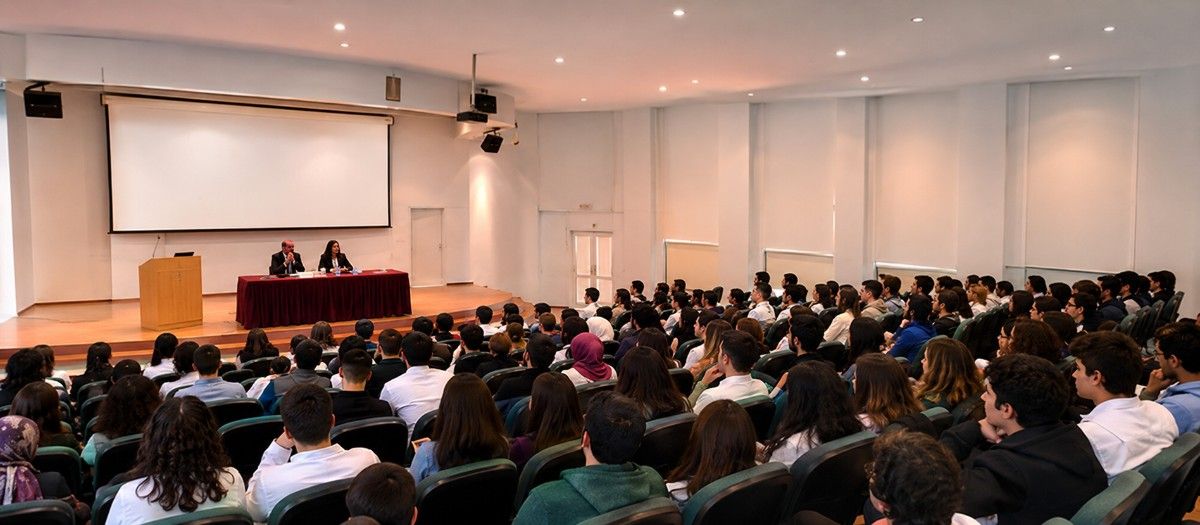

Furnished hostel rooms with Wi-Fi, laundry, 24/7 security, and Indian mess on or near campus.
Indian restaurants and mess facilities serving vegetarian and non-vegetarian home-style food daily.
Strong Indian community with cultural events, festival celebrations, and peer support groups.
Students get hands-on clinical training in government and private hospitals affiliated with the university.
Practical information for students planning to study at MBBS in Istanbul University Faculty of Medicine.
Prepare for all seasons. Thermal wear for winters, light clothing for summers. University provides heating in hostels.
Student visa processed with university invitation letter. Direct and connecting flights from major Indian cities.
Health insurance included in fees. Medical facility on campus plus city hospitals easily accessible.
Local SIM cards available. WhatsApp and video calls keep you connected with family back home.
Average monthly expenses of $150–$250 covering food, transport, and personal needs.
University library, online databases, and study groups. Seniors mentor juniors through academic challenges.
Our team guides you through every step — from application to arriving on campus.
Share your NEET score, academic record, and budget. Our Turkey specialist provides an honest assessment comparing Turkey with Georgia, Armenia, and Russia and, within Turkey, identifies the right university based on NMC recognition status, clinical quality, preferred city, and total cost. NMC status verification is the first step for every Turkey recommendation.
AMW submits your application to the selected university with all required documents. Most Turkish private medical universities for English-medium programmes do not require a separate university entrance exam beyond NEET, though some require YÖS. AMW advises on this for each specific university. Offer letters are typically issued within 2–4 weeks.
AMW assists with your Turkish student visa application a straightforward process for Indian nationals. Required documents include a university acceptance letter, financial means documentation, health insurance, and a biometric appointment at the Turkish Embassy in India. Processing typically takes 3–6 weeks.
AMW coordinates travel planning and arranges airport pickup in Istanbul or Ankara. Our local Turkey representative handles hostel check-in, university registration, and city orientation. Support continues throughout the first month.
Admission Helpline — Contact our counsellors for step-by-step assistance.
“The faculty here is incredibly supportive. The clinical training during hospital rotations has given me real confidence in patient care.”
“Affordable fees without compromising on quality. The campus facilities and hostel life made my transition abroad very smooth.”
“English medium instruction and WHO-recognized curriculum were the deciding factors for me. No regrets so far — excellent experience overall.”
“The university helped with everything from visa to accommodation. Hospital exposure from year three has been invaluable for my FMGE prep.”
“Just cleared my licensing exam on the first attempt. The structured coaching and mock exams during final year were a game-changer.”
“Safe campus, good food options, and a strong Indian student community. The teaching methodology is very practical and hands-on.”
Yes. Istanbul University is genuinely open to international applicants. NEET is required for Indian applicants.
Yes, a valid, qualifying NEET score is required for Indian applicants under NMC guidelines.
Its own medical teaching nucleus traces to the Darüşşifa hospital, founded 1470; the modern Faculty of Medicine in its current form was established 27 July 1967.
Its traditional lineage traces to that year, when Sultan Mehmed II assigned scholars to teach, though the university took its modern institutional form only in 1933.
Yes, Human Medicine is available in both English and Turkish.
One independent source reports approximately USD 10,800 a year, totalling roughly USD 64,800 over six years; confirm the current official rate directly.
Istanbul University's own Çapa teaching hospital complex, based at the Çapa campus.
It runs six years, the standard length across Turkish medical education.
Yes, both trace back to the same historic Istanbul University; Cerrahpaşa split off as an independent university in 2018.
58,809 students in total, comprising 42,066 undergraduates and 16,268 postgraduates.
Our expert counsellors will guide you through the complete admission process — from documents to airport pickup.