Most guides to studying MBBS abroad read like a checklist: recognised, affordable, English-medium, no donation. Erzincan Binali Yıldırım Üniversitesi Tıp Fakültesi (EBYU Faculty of Medicine) ticks some of those boxes and quietly fails others — and the ones it fails are exactly what most blogs about it gloss over.
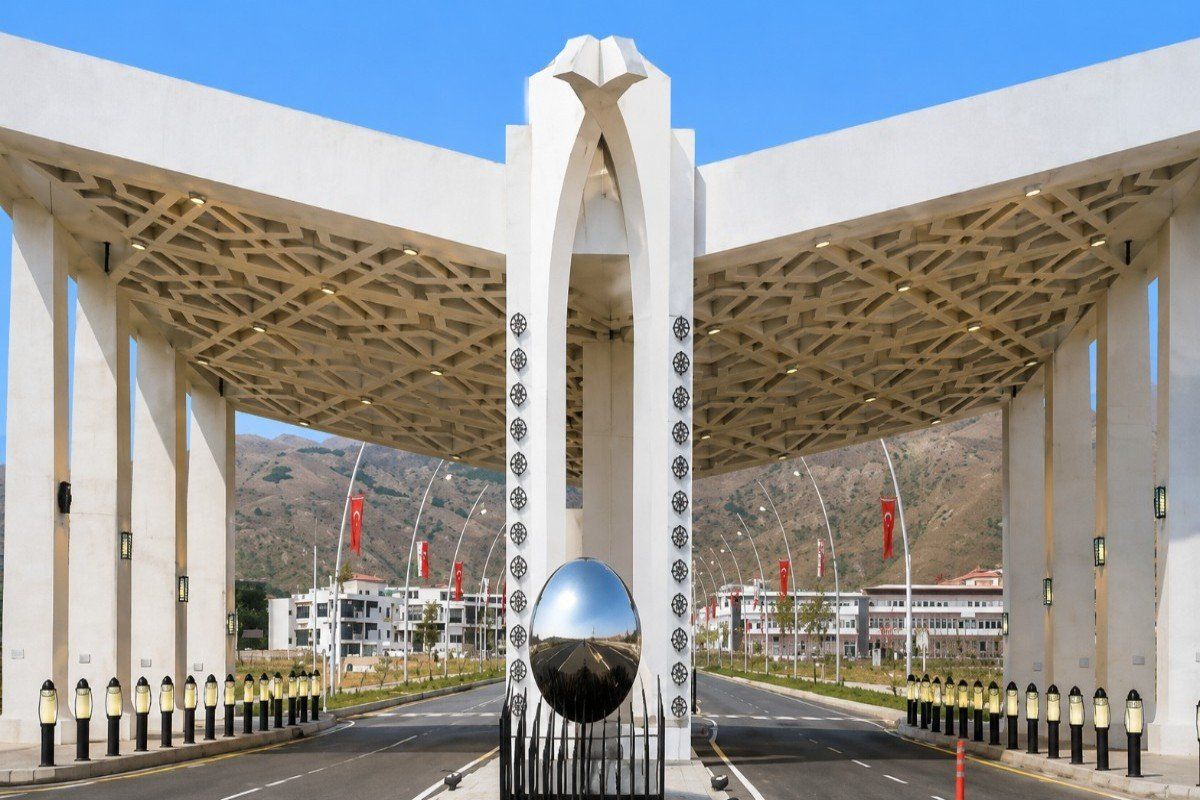
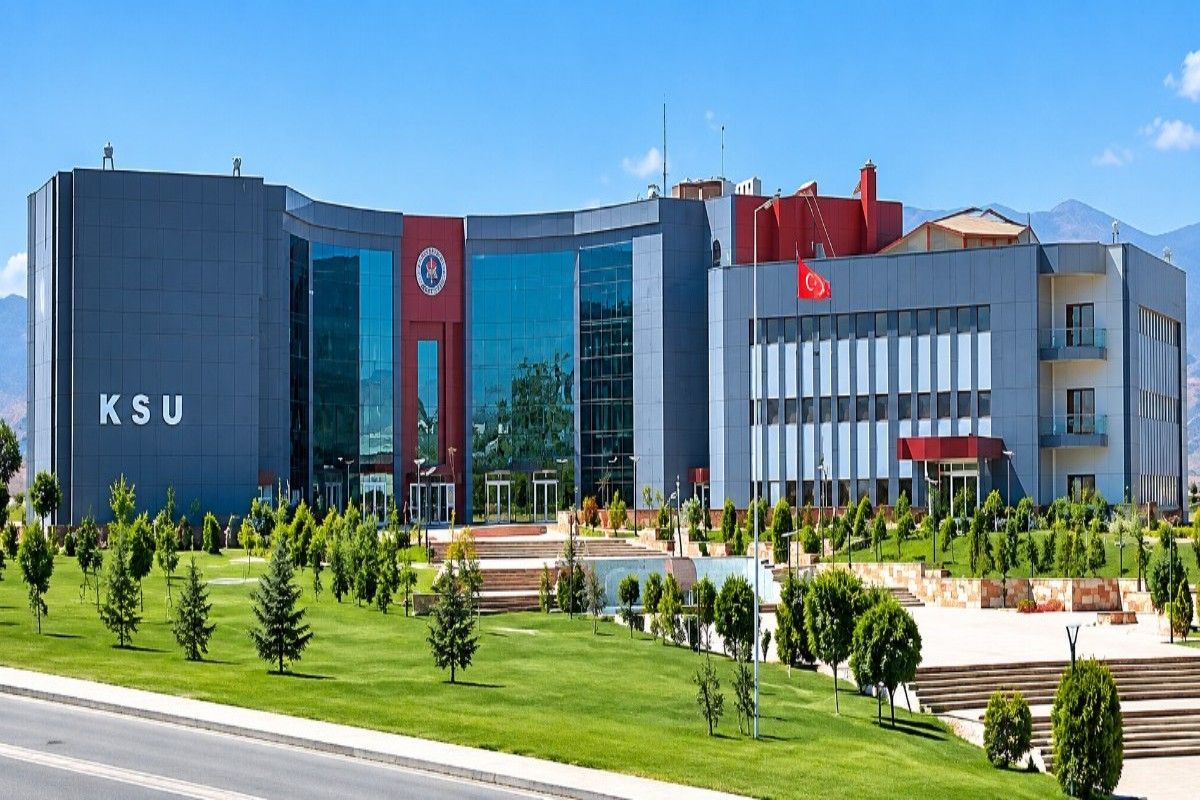
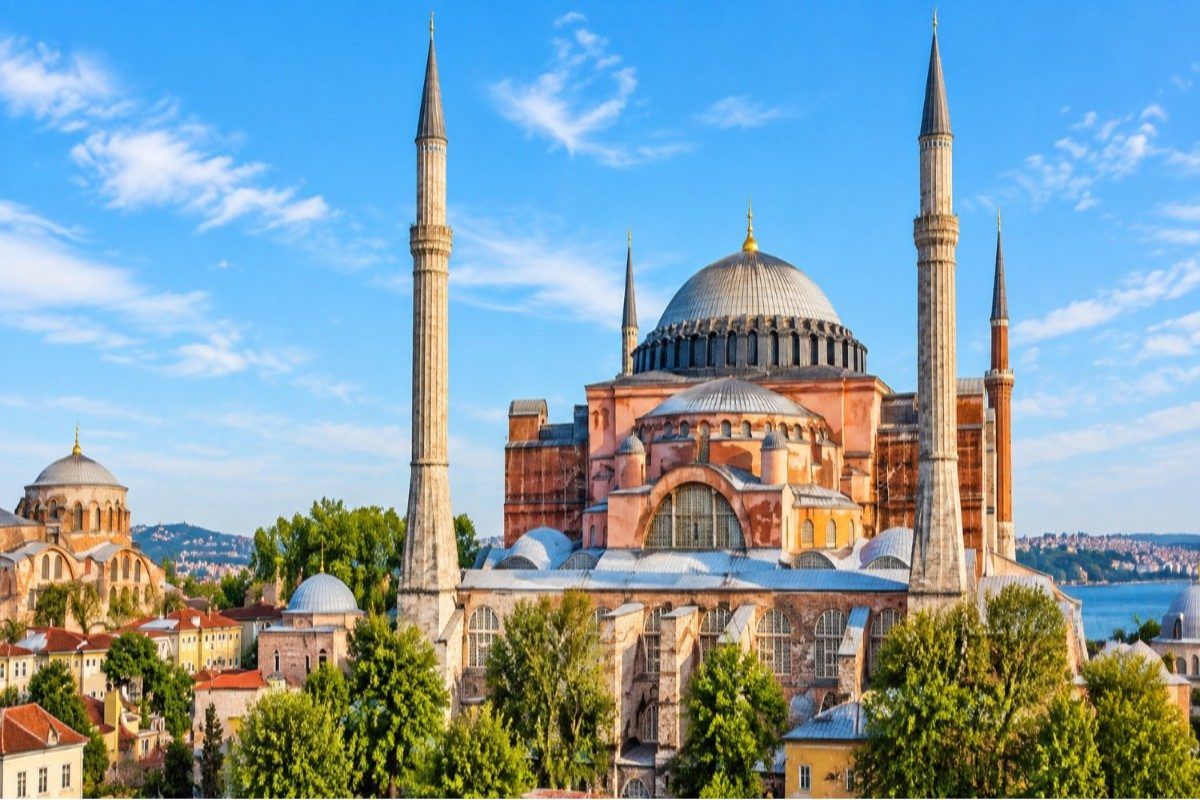
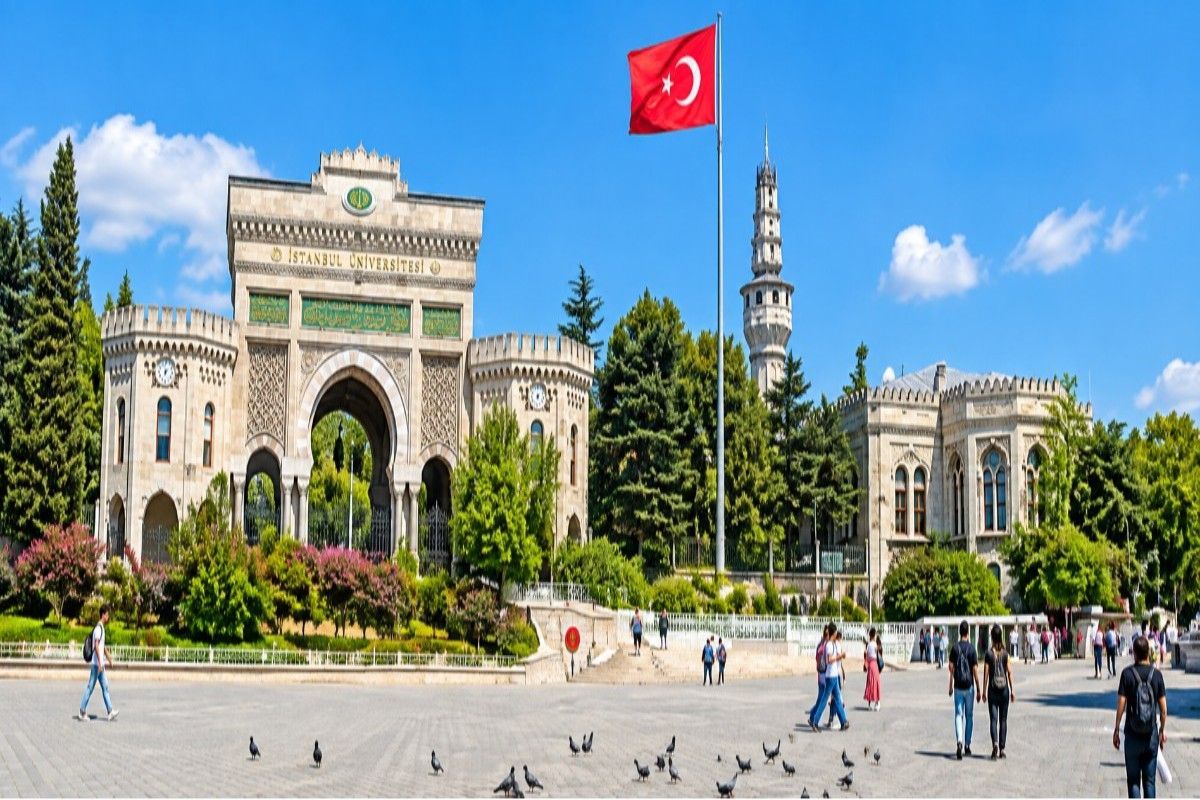
The medical faculty was established in 2007 under Turkey's higher education law and took its first students in 2008. It sits within Erzincan Binali Yıldırım Üniversitesi, a public university in Erzincan, a small city in eastern Anatolia, roughly an hour's flight from Istanbul or Ankara. The campus is compact, the city is quiet, and living costs are noticeably lower than in Turkey's bigger university towns.
Here's the part most agent websites skip: the MBBS-equivalent programme at EBYU is taught primarily in Turkish, not English. There is a dedicated Medical English course running through the early years, but it's a language class, not the medium of instruction for anatomy, physiology or clinical rotations. Students who arrive without functional Turkish are generally expected to complete a year of Turkish-language preparation (commonly through a TÖMER-style programme) before starting, or to test out of it with a recognised proficiency score. If a page tells you EBYU offers a full English-medium MBBS, that's the first thing to double-check directly with the international office before you pay anything.
Clinical training runs through Erzincan Mengücek Gazi Eğitim ve Araştırma Hastanesi, the affiliated teaching and research hospital, where students move into ward-based learning during the clinical years. The hospital serves the wider Erzincan province, so students see a mix of general medicine, trauma and regional disease patterns typical of eastern Turkey.
Cost Snapshot
Turkish public universities set tuition through the Council of Higher Education (YÖK) rather than the market pricing you'll see at private Turkish universities or at Georgian and Central Asian medical schools. That generally makes EBYU cheaper on tuition than the private alternatives, though the Turkish-medium requirement adds a real cost most fee tables never mention: a year of language prep before the clock even starts on the degree.
Cost Item | Per Year (approx.) | Notes |
Tuition Fee (int'l student) | Set annually by YÖK; public-university range, well below private Turkish or Georgian med schools | Confirm current figure on international.ebyu.edu.tr before applying |
Turkish Language Prep (TÖMER, if needed) | 1 academic year, fee varies by centre | Only required if you can't already show B2-level Turkish |
Hostel / Dorm (KYK or university) | Modest — Erzincan has a low cost of living for a Turkish city | Private housing costs more but is still cheaper than most EU cities |
Food & Living | Low compared to Istanbul, Ankara or Izmir | Erzincan is a small provincial city |
Health Insurance | Mandatory, low annual cost | Arranged through the university on registration |
Donation / Capitation | None | Public Turkish universities don't charge capitation fees |
Note: exact tuition figures change most years and are published in USD/TRY on the university's own international portal. Treat any third-party site quoting a fixed dollar number as a starting estimate, not a guarantee — confirm on international.ebyu.edu.tr before budgeting.
Why Most Pages on EBYU Undersell the Real Trade-Off
Search for this college and you'll mostly find pages recycled from generic "study MBBS in Turkey" templates — WHO listing, low fees, no donation, repeated across a dozen colleges with the city name swapped. What they don't tell you is that Turkey's system doesn't run on the NEET-quota model Indian students are used to from Georgia, Nepal, the Philippines or Russia. Admission to a Turkish public university's medical faculty for international students typically goes through the university's own international-student office, using either the Yükseköğretim Kurumları Sınavı (YÖS) — a university entrance exam many Turkish state universities set for foreign applicants — or accepted equivalents like SAT scores, alongside your high-school transcripts. NEET is still required for Indian students who want their eventual degree recognised by India's National Medical Commission, but it isn't the admission gateway the way it is for Georgian or Central Asian universities.
The language question is the other gap. Because the degree is Turkish-medium, your first year realistically includes intensive language study, not clinical content. That changes both the true program length and the true first-year cost, and it's the single biggest reason to talk to the international office directly rather than trust a fee table copied from another blog.
On the upside, what these pages also underplay is the genuine value of eastern Anatolia clinical exposure — trauma load, TB and other infectious disease patterns, and rural referral cases that differ from what a student would see in a private urban hospital elsewhere. For a student planning to specialise in family medicine, public health or emergency medicine, that exposure is a real, underreported advantage.