If you've been reading Turkey-MBBS roundups, you've probably noticed they all rank universities by a single number — tuition — and leave it there. That number, on its own, tells you almost nothing about whether six years in that particular city, under that particular fee structure, is a good trade for you. Eskişehir Osmangazi is a good example of why that shortcut fails: it's a solid public medical faculty, but it's also one of the pricier Turkish state options for international students, and barely anyone writing about it says so in plain numbers.
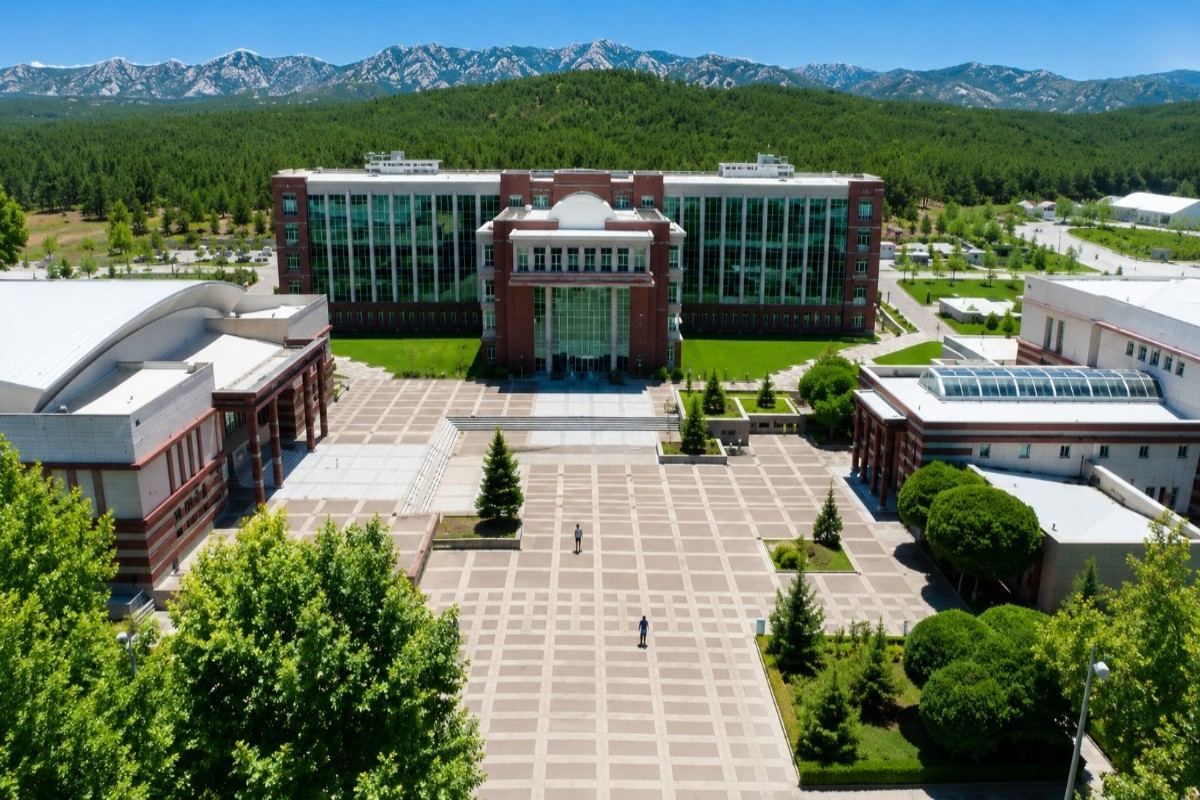
The faculty traces back to 1970, when it opened as a Hacettepe University-affiliated medical school covering the final three clinical years of the programme. It became fully independent in 1993 when Eskişehir Osmangazi Üniversitesi (ESOGÜ) was carved out as its own institution, named after Osman Gazi, the founder of the Ottoman dynasty. The Meşelik campus, on the edge of the city, now houses the medical faculty alongside the university's main teaching hospital.
Eskişehir itself is worth pausing on, because it's a different animal from most Turkish university towns. It's shared by two large public universities — Osmangazi and Anadolu — which makes it one of the youngest, most student-heavy cities in the country. Locals half-joke that half the city is under 25. There are canal-side walks through the old Odunpazarı quarter, a tram system that actually works, and a high-speed rail line (YHT) that gets you into Ankara in under two hours and Istanbul in about three and a half — genuinely useful if you want weekend access to a bigger city or an international airport without living in one full-time. Kayseri and most other Anatolian medical-faculty towns don't offer that kind of rail connectivity.
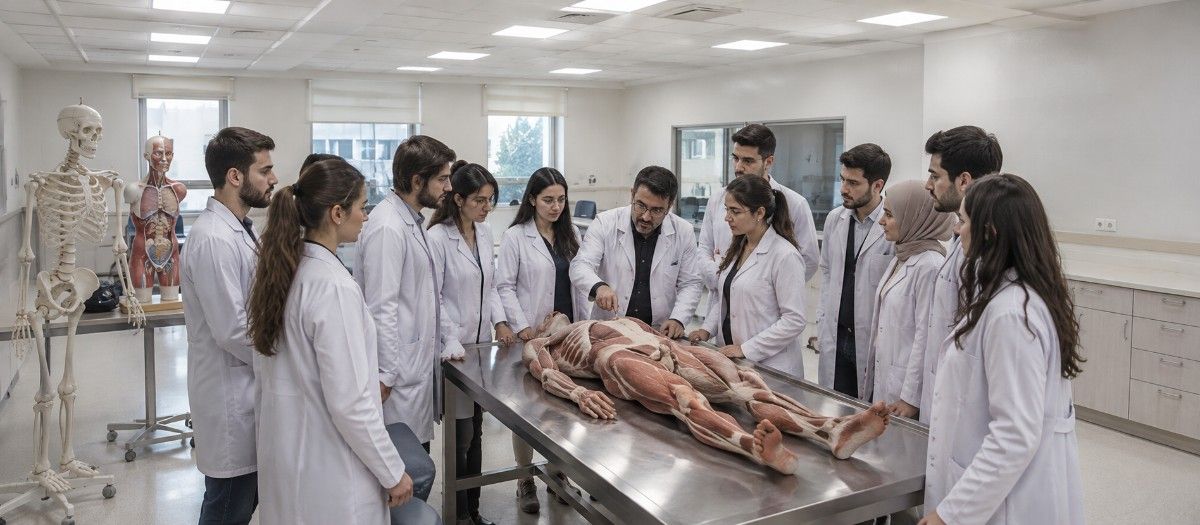
On the academic side: this is a Turkish-medium programme, six years long, with roughly 200 new students admitted each year. There's no English-taught medical track, so if you're not already fluent, you'll go through a TÖMER Turkish preparatory year before Dönem 1 starts — the same requirement you'll find at nearly every Turkish state medical faculty, and one that gets buried at the bottom of most admission pages instead of stated upfront.
The teaching hospital is the faculty's strongest selling point and the part competing blogs consistently underplay. It runs just over 1,000 beds and has built a real reputation in transplant surgery — its general surgery transplantation unit has handled dozens of kidney and liver transplants with a dedicated team of specialist surgeons, and its interventional radiology unit is described by the university itself as among the more advanced setups in Europe, not just Turkey. If you're leaning toward surgery or radiology later on, that's a meaningfully different clinical environment than a general-medicine-heavy teaching hospital.
Where this college gets genuinely expensive relative to peers: the 2025–26 tuition fee for international medical students sits at roughly 310,000 Turkish lira for the year — the highest fee band of any programme at the university. At the exchange rate through most of 2026 (Turkish lira has been sliding against the dollar all year, hovering around 47–48 TRY per USD), that works out to somewhere close to USD 6,400–6,600 a year, well above what you'd pay at several other Turkish state medical faculties. Most listicles either quote the lira figure without converting it, or quietly use a two-year-old dollar number that no longer holds up against how much the lira has weakened. Either way, you end up under-informed until the first invoice lands.
6-Year Programme + 1-Year Turkish Prep: The Real Cost Picture
Cost Item | Per Year (Approx. USD / INR) | 6-Year Total (INR, approx.) |
TÖMER Turkish Prep (Year 0) | USD 500–900 | INR 42,000–75,000 | One-time |
Tuition Fee (Tıp Fakültesi) | USD 6,400–6,600 | INR 5.4–5.7 lakhs | INR 32–34 lakhs |
Hostel / Dorm (KYK or university) | USD 600–1,400 | INR 50,000–1,18,000 | INR 3–7 lakhs |
Food & Living Costs | INR 1.2–1.9 lakhs | INR 7.2–11.4 lakhs |
Health Insurance (mandatory) | INR 15,000–25,000 | INR 90,000–1.5 lakhs |
Visa & Travel (round trips) | INR 40,000–75,000 total | INR 40,000–75,000 |
Books & Study Material | INR 20,000–30,000 | INR 1.2–1.8 lakhs |
Donation / Capitation | None | NIL |
Total Estimated (6 years + prep) | — | INR 46–52 lakhs approx. |
Note: the lira portion of this table is the one most likely to move — the TRY has depreciated fast over the past two years, and ESOGÜ, like every Turkish state university, revises its foreign-student fee schedule annually. Get the current year's written figure from the International Student Admission and Registration Office before transferring money; don't rely on a number you found on a blog, including this one, without a direct confirmation. No donation or capitation fee applies at any stage — admission runs purely on your YÖS or accepted-equivalent exam score.
Why Eskişehir Osmangazi Is Worth a Real Look — and Where It Isn't the Cheapest Answer
The pitch you'll see everywhere for Turkish medical faculties is some version of "affordable, WHO-recognised, no donation." That's true of most of them, so it doesn't actually help you choose between them. What separates ESOGÜ from a place like Erciyes or one of the newer regional faculties is the combination of an old, well-resourced teaching hospital and a city built almost entirely around student life — but it comes at a noticeably higher tuition line, and you should decide if that trade is worth it before you apply, not after.
The hospital's transplant programme isn't a marketing line — it's one of the more established general surgery transplant units among Turkey's state medical faculties, and the interventional radiology setup gets called out specifically by the university as regionally advanced. If your interest already leans toward surgical specialities, training somewhere with that kind of case volume matters more than it looks on paper.
The city factor is easy to underrate. Having a second major university in the same town means a bigger, younger, more mixed international student population than a smaller Anatolian city can offer, plus the rail link to Ankara and Istanbul that most other Turkish state medical faculties in smaller cities simply don't have. If you're going to spend six-plus years somewhere, not being three flights and a fourteen-hour bus ride from an international airport is worth something real.
The honest counterpoint: at roughly USD 6,500 a year, ESOGÜ's medical tuition runs meaningfully above several other Turkish public universities offering the same YÖK-standard six-year Turkish-medium degree. If tuition is your primary constraint, it's worth comparing this line item directly against two or three other state faculties before you commit — the degree recognition pathway back in India (FMGE/NExT via NMC, subject to WDOMS listing) works the same way regardless of which Turkish state faculty you pick, so the deciding factors really do come down to hospital strength, city, and cost — in whatever order matters most to you.