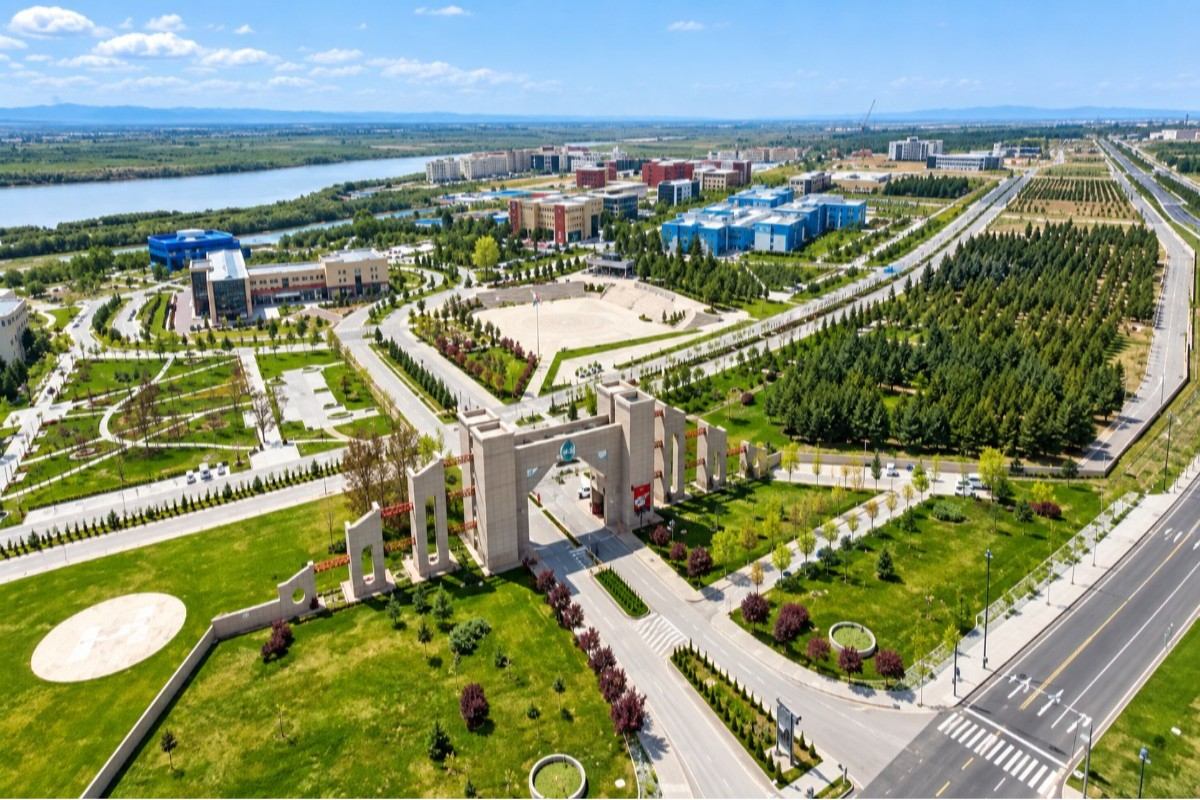
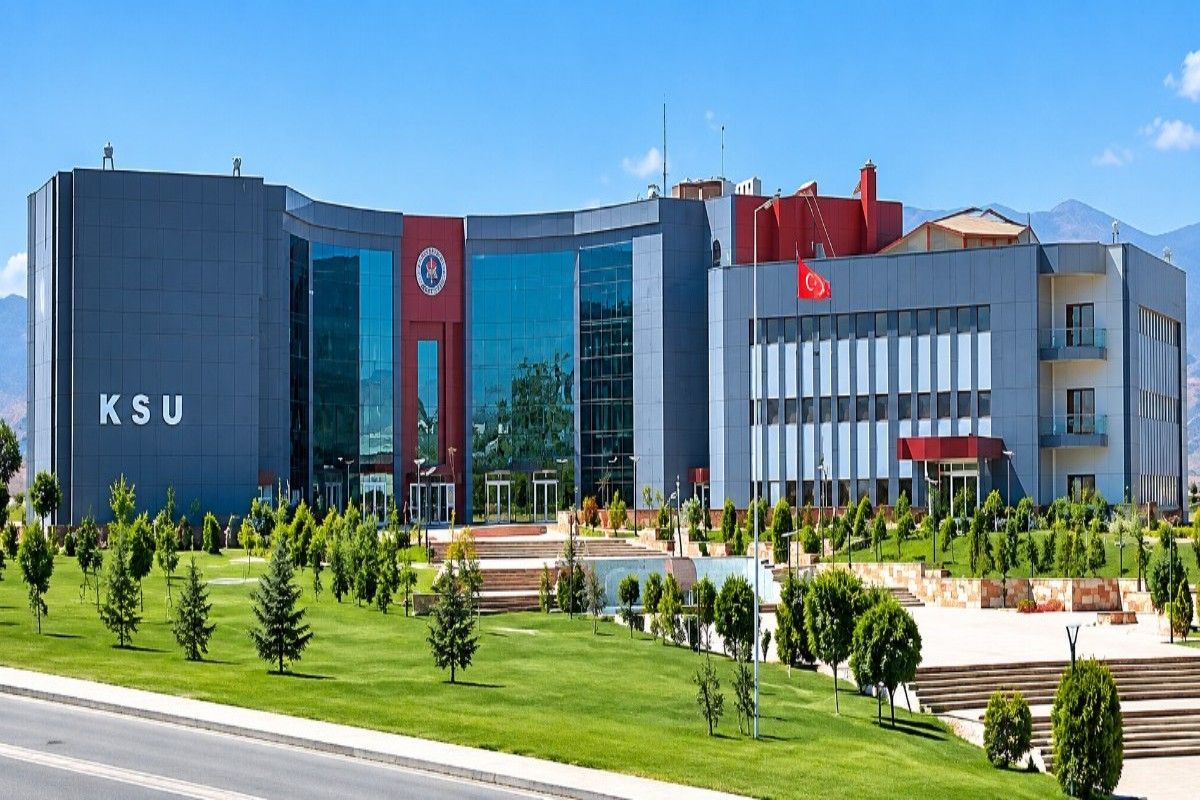
Niğde is a smaller city in central Anatolia that is in the province. It has the Melendiz Mountains and the Aladağlar Mountains all around it, and it is known for moving more slowly than Turkey's bigger cities. It is also on an old trade line that goes from the middle of Anatolia to the coast of the Mediterranean. This is where the Faculty of Medicine at Niğde Ömer Halisdemir University is. This gives students a really small-city setting instead of the size of Turkey's bigger medical schools in cities.
Ömer Halisdemir was a Turkish soldier who is remembered for his part in the failed 2016 coup in Turkey. The university is named after him. This choice of name has more to do with recent Turkish history than with an older historical or academic figure. It is a public university in Turkey and is part of the higher education system for the whole country. They built it so that the Niğde region could have its own college, which would include a medical school, so students wouldn't have to go to bigger towns like Ankara or Konya to get this kind of degree.
The foundation of medical education at Niğde Ömer Halisdemir is the same as it is at all Turkish faculties of medicine. It is a six-year scheme with just one round. After starting school, students don't take a break between college and graduate school. They get their full medical degree all at once. This is the model that is taught in medical schools in Turkey and most of Europe. As a graduate, you can call yourself a doctor and take Turkey's national TUS residency test to get more specialised training. Depending on where they want to work as a doctor in the future, they can also try to get licenses in other countries.
There is a clear, step-by-step plan for the course. Biology, chemistry, anatomy, and histology are some of the basic introductory sciences that students learn in their first few years. They teach students the science they need to know in order to become doctors. In the next few years, students will learn more about general medicine, pathology, pharmacology, and topics that are used in the real world. They've been doing full clinical rotations in all the major areas for the past few years. Students go straight to hospital rooms in their last few years to work with supervised patients in areas like internal medicine, surgery, paediatrics, obstetrics and gynaecology, and more.
They go to the university's own teaching hospital in Niğde and other hospitals in the area for their practical training. They learn in a very small hospital because Niğde is not as big as Konya or Ankara. They can see a wider range of patients and work more slowly than in a city hospital, which is much busier. They might get along better with their supervising doctors and get more one-on-one care during ward rounds in this kind of setting. There might not be as many patients, though, as at a teaching hospital in a big city.
For students from outside of Turkey who are interested in this school, the language used for lessons is very important. Most of the medical training at Niğde Ömer Halisdemir is done in Turkish because it is a public university run by the government. It needs to be checked directly whether the school has a track for international medical students that is taught only in English. This is because this information can change from year to year and isn't always the same across all of Turkey's public colleges. Students who don't speak Turkish well should make this clear right away, before they decide if this school is a good fit for them.
Foreign students usually have to go through a different process than Turkish citizens do to get into public universities in Turkey. This is separate from the main national test that Turkish citizens take. Many universities in Turkey require students from outside of Turkey to take the YÖS exam. This is a test that is only for students from outside of Turkey who want to apply. Also, students should have done well in high school science classes. For now, you should talk to the university's foreign admissions office to find out what the exact requirements are for Niğde Ömer Halisdemir's Med School. One thing you should do is find out if they accept YÖS or other things like SAT results.
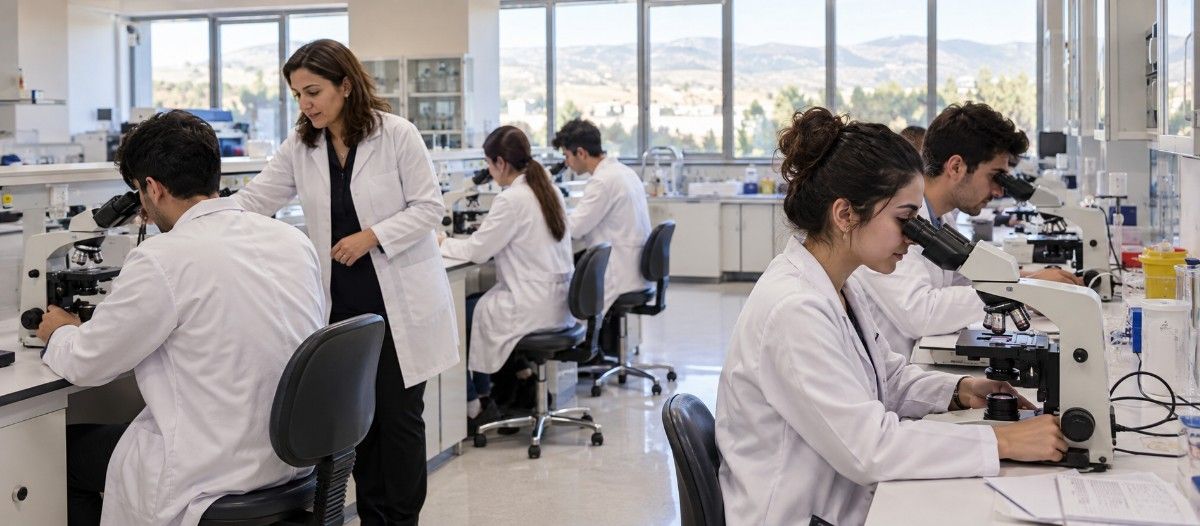
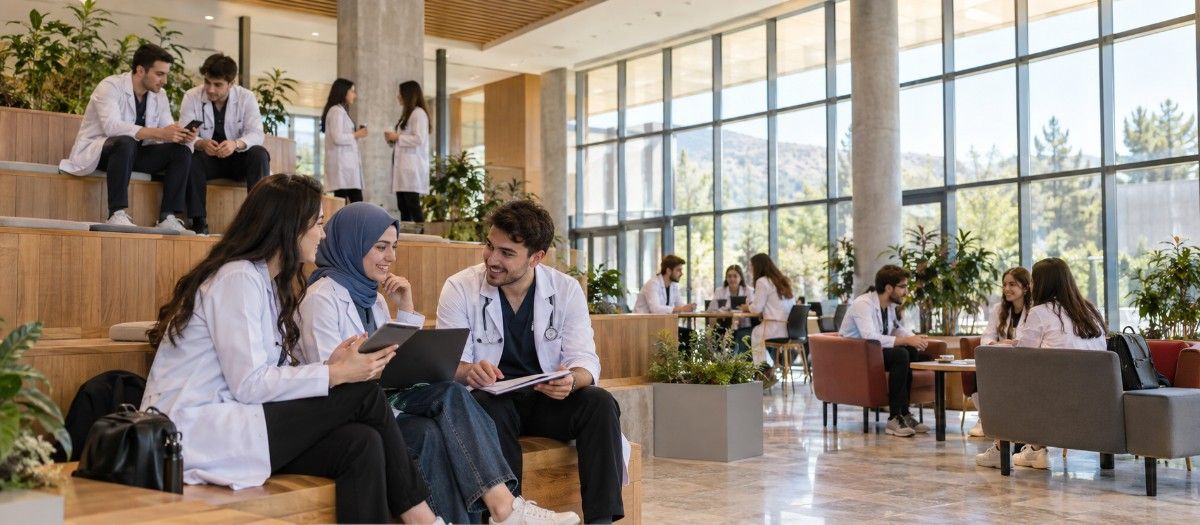
There are teaching labs, rooms for learning anatomy and clinical skills, and library resources at the medical school that are shared with the rest of the university. This is one of Turkey's newer regional state medical faculties. Like many of them, it has fairly modern buildings that were designed to meet the needs of modern medical education. Some of the country's oldest medical schools' buildings were used for this one instead. As a whole, the university is smaller, so class sizes for medical students may be smaller than at some of Turkey's bigger medical schools in towns. But the university should be contacted immediately to find out the exact sizes of the current cohorts.
Students from outside of Turkey can pay the same amount at Niğde Ömer Halisdemir University as at any other public university in Turkey. This is a lot less than what it costs to go to many medical schools in North America or Western Europe. It's also usually less than what it costs to go to private universities in Turkey. You should call the university directly to find out the exact current cost of tuition for the Faculty of Medicine. This is because the fees that foreign students pay to attend a public university in Turkey depend on their country of origin and the year they apply.
The degree is valid because it follows Turkey's national medical education system, which is run by the Higher Education Council (YÖK) and the Turkish Medical Association. If graduates want to work in other countries, they need to look into how to get a license and be recognised there. If an Indian medical student wants to go back home after graduation, they should check with the National Medical Commission to see what the rules are right now. Foreign medical graduates must pass the FMGE or NExT exam before they can work in India. It doesn't matter what country they got their medical degree from.
If you compare Niğde to Turkey's bigger cities, it's a very quiet and cheap place to live. People love to hike and do other outdoor activities in the Aladağlar mountain range, which is close to the city. The cost of living is lower in this city than in Istanbul, Ankara, or even Konya, which are all medium-sized cities. This trade-off a cheaper, quieter base in return for fewer big-city amenities works well for some students, especially those who need to focus on a tough six-year medicine course in a more peaceful place.
It is possible to get a medical degree in Turkey and live in a small, cheap city in central Anatolia. Niğde Ömer Halisdemir University's Faculty of Medicine is a modest and affordable regional choice for those students. This is especially true for students who speak Turkish well or can check with the school directly to make sure they can do what they need to do. Because the exact fees, how to apply, and language of instruction can change from year to year, you should still get straight, up-to-date confirmation from the university's foreign office before you apply.