Type this college's name into Google and most results read the same: WHO-listed, affordable, no capitation fee. True as far as it goes, but that's the description for half of Turkey's public medical faculties. Fırat Üniversitesi Tıp Fakültesi (Fırat University Faculty of Medicine) is one of eastern Turkey's oldest and largest medical schools, and what actually sets it apart — the scale of its teaching hospital, the region it serves, the language reality for foreign students — rarely makes it into the generic template pages built around it.
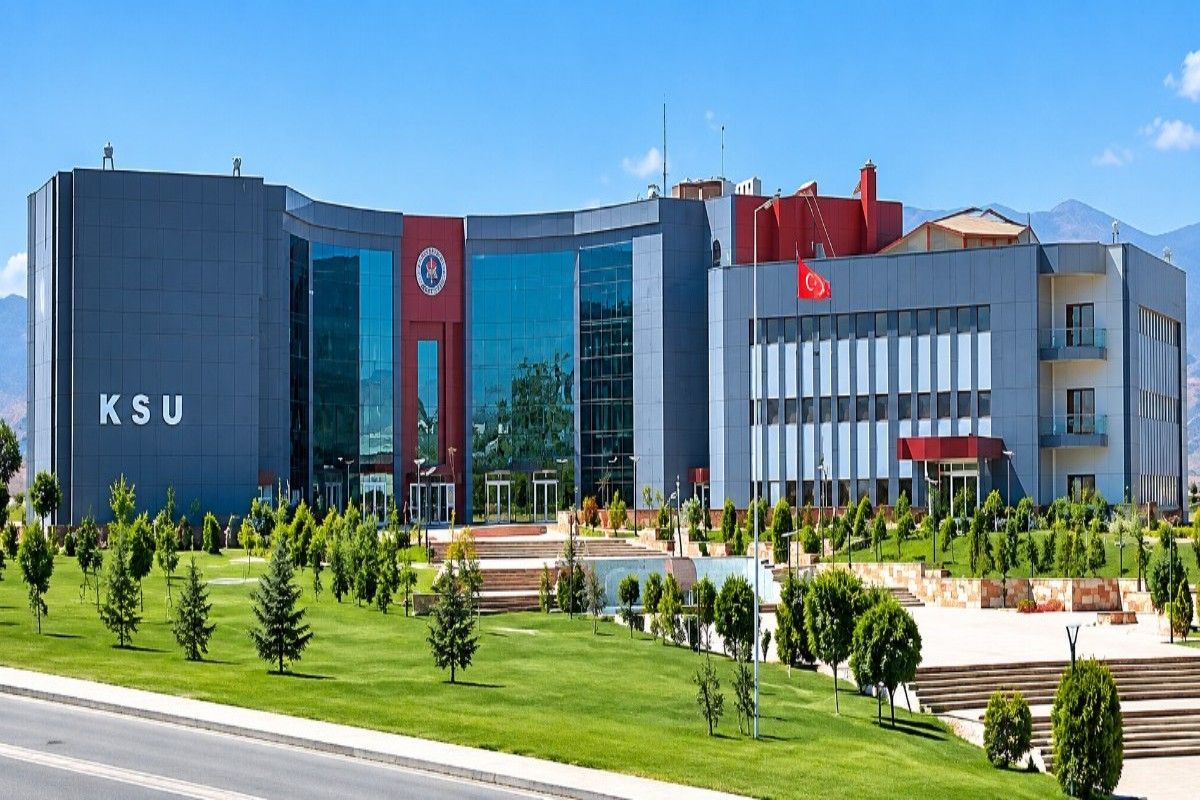
The faculty was established by decree in January 1976 as part of Fırat Üniversitesi, a public university founded the previous year in Elazığ. It took a few years to build out staff and facilities, and the first cohort — 106 students — actually started classes in the 1983-84 academic year. That's an unusually large founding class for the time, and it points to how quickly the region needed its own medical training pipeline rather than relying on Ankara or Erzurum.
Elazığ itself sits in the TRB1 region of eastern Anatolia — a mid-sized city with a long history, a manageable pace of life, and living costs well below Istanbul or Ankara. It's not a tourist hub, and that's part of the appeal for students who'd rather focus on coursework than city noise.
On language: the degree is delivered in Turkish. There's structured medical-terminology and language support built into the early curriculum, but it's support for the Turkish-medium coursework, not a parallel English track. Any page implying Fırat runs a full English-medium MBBS is getting ahead of the facts — check directly with the international office before you commit to anything.
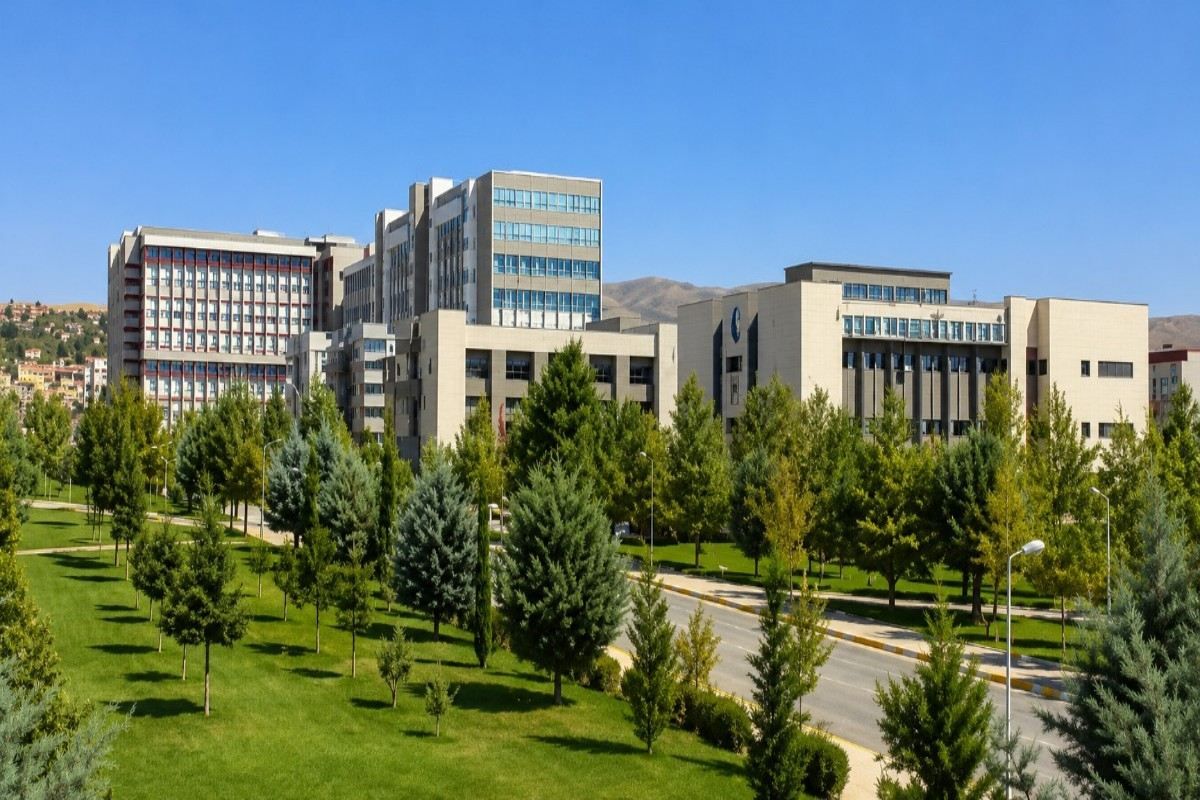
Clinical training happens at Fırat Üniversitesi Hastanesi, a 1,400-bed tertiary care centre and one of the largest teaching hospitals in eastern Turkey. It functions as the referral hospital for the wider TRB1 region — Elazığ, Bingöl, Tunceli, Malatya — so students see a genuinely high patient volume and a case mix shaped by a large catchment area rather than a single city's population.
Cost Snapshot
Because Fırat is a public, YÖK-regulated university, tuition sits in the standard public-university band — a fraction of what private Turkish medical schools or Georgian and Central Asian private colleges charge. The number most fee pages leave out is the language-prep year some students need before their medical coursework even starts, which adds a real year of cost and time that a bare tuition figure won't show you.
Cost Item | Per Year (approx.) | Notes |
Tuition Fee (int'l student) | Set annually by YÖK; public-university range, well below private Turkish or Georgian med schools | Confirm current figure directly with Fırat Üniversitesi's international office before applying |
Turkish Language Prep (TÖMER, if needed) | 1 academic year, fee varies by centre | Only required if you can't already show the required Turkish proficiency level |
Hostel / Dorm (KYK or university) | Modest — Elazığ has a low cost of living compared to Turkey's western cities | Private housing is available but costs more than KYK dorms |
Food & Living | Low compared to Istanbul, Ankara or Izmir | Elazığ is a mid-sized eastern Anatolian city |
Health Insurance | Mandatory, low annual cost | Arranged through the university on registration |
Donation / Capitation | None | Public Turkish universities don't charge capitation fees |
Note: exact tuition is published in TRY/USD on Fırat Üniversitesi's own international-student pages and is reset most years by the university administrative board within YÖK limits. Treat any blog's fixed dollar figure as a rough starting point, not the number you'll actually pay.
Why Most Pages on Fırat Undersell the Real Trade-Off
Search results for this college mostly reuse the same three or four talking points — public university, low fees, WHO-listed, no donation — copied across dozens of "study MBBS in Turkey" pages with the city name swapped out. None of them mention that Turkey doesn't run the NEET-quota admission model Indian students expect from Georgia, Nepal or the Philippines. International admission to Fırat's medical faculty goes through the university's own international-student office, generally using YÖS (Turkey's foreign-student entrance exam) or an accepted equivalent such as SAT scores, plus your school transcripts. NEET still matters for Indian applicants, but only for NMC recognition of the eventual degree back home — it isn't the gate you walk through to get admitted.
The other gap is scale. Because Fırat Üniversitesi Hastanesi is a 1,400-bed referral centre for a four-province catchment area, students here see a patient load and disease variety that a lot of smaller private medical colleges — the kind usually compared against Fırat in these blogs — simply can't match. That's a genuine advantage for anyone planning a surgical or internal-medicine specialty, and it's almost never mentioned.
What the pages also skip is how established this faculty actually is. A first class of 106 students in 1983 and roughly five decades of continuous operation put Fırat in a different category from newer private medical universities that market heavily to international students but have only graduated a handful of cohorts.