
Q1. When was Gazi University's Faculty of Medicine established?
+The wider university was founded in 1926 as a teacher-training institute; it became a comprehensive university, including Medicine, in 1982.
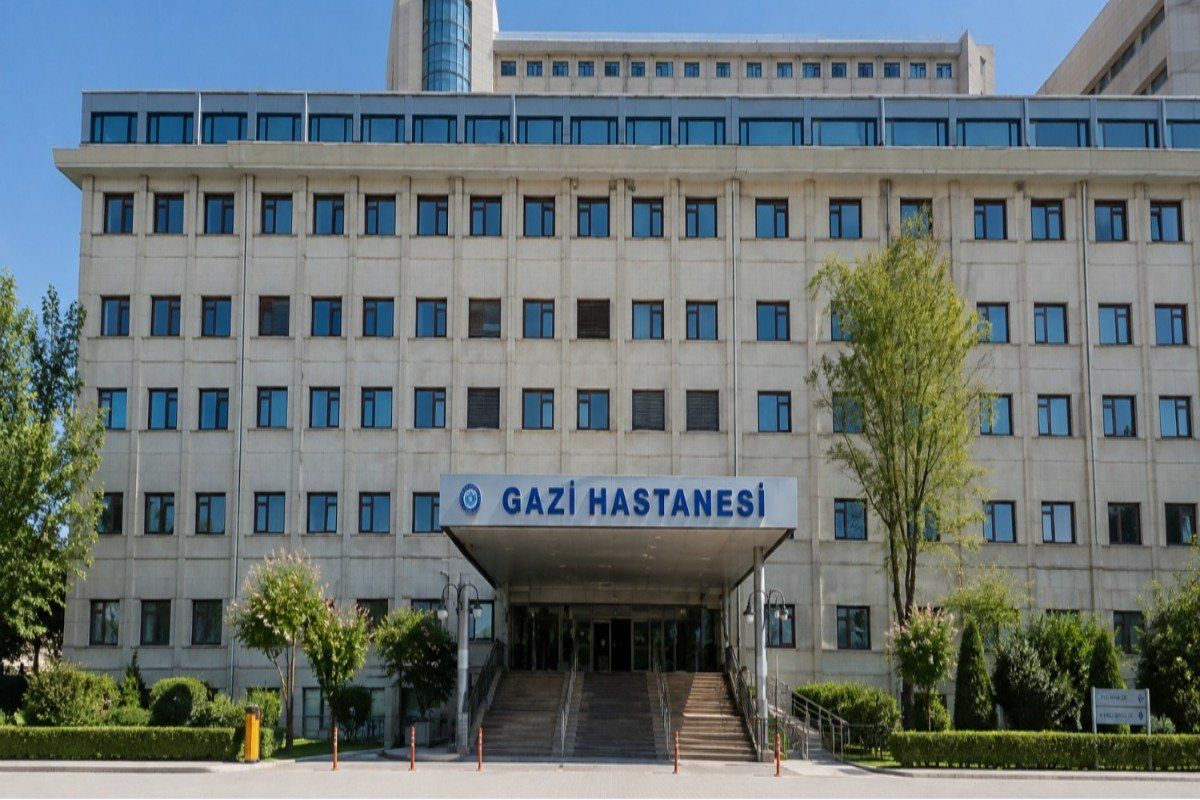
 Turkey | Est. 1926
Turkey | Turkey's Higher Education Council (YÖK); some sources describe additional recognition by Iran's Ministry of Science and Health | English and Turkish medium
Expert will call you within 2 hours
People mostly just call it Gazi for short. It was established in 1926, at the direct order of Mustafa Kemal Atatürk himself, initially as the Gazi Institute for Teacher Training, and is genuinely described by at least one source as the first university of the Turkish Republic. The university's own name honours Atatürk's personal title, Gazi, meaning veteran or warrior, a genuinely deliberate, specific naming choice tying the institution directly to the Republic's founding figure.
Here is a fact most guides skip entirely. Gazi did not become the comprehensive, multi-faculty university it is today until 1982, when it merged with several other academies and colleges, nearly six decades after its original 1926 founding as a teacher-training institute specifically. So, medicine's own presence at Gazi is tied to this later, 1982 transformation, not the university's original teacher-training mission.
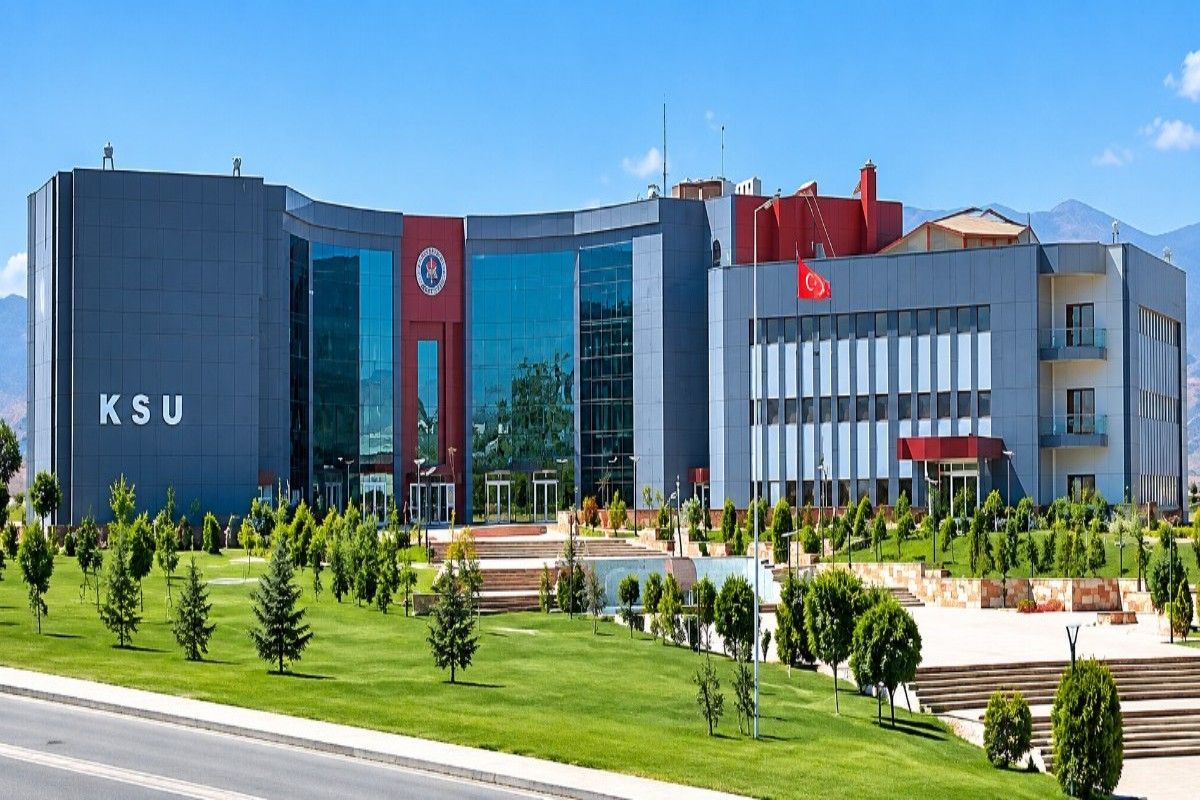
A genuinely remarkable, specific claim worth knowing in full is that Gazi University played a leading role in the founding of four separate Turkish universities. These are Çorum Hitit University, Nevşehir Hacı Bektaş Veli University, Kırşehir Ahi Evran University, and Kastamonu University, sharing its own knowledge and experience directly with each. More recently, under a law that took effect on 18 May 2018, some of Gazi's own faculties, schools, vocational schools, and a graduate school were transferred to the newly founded Ankara Hacı Bayram Veli University, a specific, dated, recent institutional restructuring. So, Gazi's own institutional history includes both giving rise to new universities and, more recently, contributing some of its own structure to another. Very few Turkish public universities can point to this same dual role of both founding new institutions and later restructuring their own faculties into a newer one.
Gazi is affiliated with the European University Association and the Federation of the Universities of the Islamic World, and is recognised by Iran's Ministry of Science and Health, per multiple sources. The university's current rector is reported as Professor Dr. Musa Yıldız.
Gazi's main campus sits in Beşevler, Ankara, Turkey's capital city, housing the majority of the university's administrative buildings, several faculty buildings, its main library, student residence halls, and research centres. The campus is genuinely well connected by public transport, including buses and Ankara's own metro system, and sits close to shopping centres, guesthouses, dormitories, and residential areas, giving students genuine, easy access to city life.
Clinical training runs through Gazi University's own affiliated teaching hospital in Ankara. Public universities in Turkey generally offer higher acceptance rates than many competitive universities in the US or UK, given their larger overall capacity, though within genuinely competitive faculties like Medicine specifically, acceptance rates run considerably lower, a real, honest distinction worth understanding rather than assuming medicine is as accessible as the university's overall acceptance rate might suggest.
Medicine at Gazi runs six years, following Turkey's standard national medical curriculum, available in both English and Turkish tracks. Gazi is genuinely described as welcoming to international students specifically, with admission criteria for international applicants focusing more on international qualifications and language proficiency than the standard domestic Turkish process.
NEET remains a genuine requirement for Indian applicants here, exactly as it does for most other MBBS-style destinations covered in guides like this one, and Indian graduates would still need to clear the FMGE or NExT exam to practise medicine back in India.
Ankara itself offers a genuinely different setting from Istanbul, since it is Turkey's political and administrative capital rather than the country's largest commercial city. This gives students at Gazi University real, practical proximity to national government ministries, major research institutions, and Turkey's own health policy apparatus, a genuinely useful environment for medical students interested in public health, health policy, or eventually working within Turkey's national healthcare system. Ankara also tends to run somewhat more affordably than Istanbul for everyday living costs, a real, practical consideration for students weighing overall budget alongside tuition itself.
The university's own genuinely broad academic scope, spanning numerous faculties beyond medicine alone, gives Gazi's medical students real opportunities for interdisciplinary study and collaboration, whether through joint research projects, shared facilities, or simply a wider campus community than a standalone medical school could offer. This breadth, combined with the university's genuine historical significance and its documented role in founding four other Turkish universities, gives graduates a solid, well-rounded foundation for their future careers, whether they remain in Turkey or eventually practise internationally.
Fee figures here are reported with genuine specificity by one detailed source, presenting what reads as an official-style fee table, worth setting out in full below.
Cost Item | Amount | Notes |
Tuition Fee (Medicine, English track, reported) | TRY 51,993/year | Reported by a detailed source citing an official-style fee table |
Tuition Fee (Medicine, Turkish track, reported) | TRY 51,993/year | The same reported source lists an identical rate for both language tracks |
Tuition Fee (Dentistry and Pharmacy, for comparison) | TRY 18,754/year | A considerably lower rate, reflecting Medicine's genuine fee premium at Gazi |
Currency Conversion Note | TRY 51,993 ≈ USD 1,300-1,600/year | Turkish Lira depreciation means the USD-equivalent figure can shift meaningfully year to year |
Scholarships | Available to reduce financial burden | Confirm current eligibility and amounts directly with the university |
Total 6-Year Estimate | — | Approx. USD 7,800-9,600, tuition only, based on the reported TRY rate; genuinely sensitive to exchange rate movements |
Note: this figure is genuinely sensitive to exchange rate movements, so confirm the current, exact USD-equivalent cost directly with Gazi University.
Most lists mention Gazi as just another Turkish public university. However, they do not explain its genuine, direct connection to Atatürk himself, or how much it has genuinely shaped Turkey's wider higher education system. The reason is simple. It is about a founding tied directly to the Republic's own origins, and a real, documented institutional legacy.
Gazi is not like most other Turkish public universities when it comes to its founding story. In fact, its own foundation was laid personally by Mustafa Kemal Atatürk, described as the first fully established university of the Turkish Republic itself. Furthermore, this was built specifically to embed Atatürk's own reform principles nationally. As a result, this university's founding carries a genuinely specific, documented connection to Turkey's own national founding story.
The university's own institutional legacy also matters more than most guides let on. For example, most lists mention Turkish public universities in isolation, without noting any wider institutional influence. Gazi University's own history includes directly helping found four separate Turkish universities, Çorum Hitit, Nevşehir Hacı Bektaş Veli, Kırşehir Ahi Evran, and Kastamonu. Moreover, this is a genuine, documented institutional legacy extending well beyond its own campus.
One thing most other blogs miss is how sharply the reported tuition figure genuinely requires currency conversion care. In addition to the reported TRY 51,993 tuition figure, Turkey's Lira has depreciated considerably against the dollar in recent years. Since applicants relying on an outdated dollar conversion may significantly misjudge the real current cost, this figure should be confirmed directly with Gazi's own International Office before finalising a budget.
No hidden charges, no donation. The full picture of costs at MBBS in Gazi University Faculty of Medicine.
Tuition Fee
TRY 51,993/year (approx. USD 1,300-1,600, depending on exchange rate); no capitation fee
TRY 51,993/year, approx. USD 1,300-1,600
Hostel Fee
$1,500 per year
$1,500 per year
Food & Meals
40.00 TL
/month
Insurance
₺183 per month
per month
Donation
NO donation
No hidden fee
Total Estimated Cost
Approx. USD 7,800-9,600, tuition only, based on the reported TRY rate
6 year
25–35%
Average FMGE first-attempt pass rates for students from many overseas medical universities. Students from structured programs consistently score higher.
Students returning to India need to clear the FMGE/NExT exam. MBBS in Gazi University Faculty of Medicine integrates exam-oriented coaching into the regular curriculum so students are prepared from day one.
A structured program that takes you from foundational sciences to clinical mastery.
● In addition, this stage builds the scientific foundation for everything that follows
● First, Anatomy, Physiology, and Biochemistry may be taught in either English or Turkish, depending on the student's chosen track
● Furthermore, this stage builds the diagnostic foundation needed for clinical training
● Next, Pathology, Microbiology, and Pharmacology are taught in either English or Turkish
● Moreover, this stage runs within Ankara's genuinely well-connected, centrally located Beşevler campus environment
● Then, Medicine, Surgery, and allied clinical subjects run through hands-on training at Gazi's own affiliated teaching hospital
● Also, Indian graduates would still need to clear the FMGE or NExT exam to practise medicine in India
● Finally, graduates receive a Physician qualification, equivalent to an MD or MBBS, upon completing the six-year programme


Furnished hostel rooms with Wi-Fi, laundry, 24/7 security, and Indian mess on or near campus.
Indian restaurants and mess facilities serving vegetarian and non-vegetarian home-style food daily.
Strong Indian community with cultural events, festival celebrations, and peer support groups.
Students get hands-on clinical training in government and private hospitals affiliated with the university.
Practical information for students planning to study at MBBS in Gazi University Faculty of Medicine.
Prepare for all seasons. Thermal wear for winters, light clothing for summers. University provides heating in hostels.
Student visa processed with university invitation letter. Direct and connecting flights from major Indian cities.
Health insurance included in fees. Medical facility on campus plus city hospitals easily accessible.
Local SIM cards available. WhatsApp and video calls keep you connected with family back home.
Average monthly expenses of $150–$250 covering food, transport, and personal needs.
University library, online databases, and study groups. Seniors mentor juniors through academic challenges.
Our team guides you through every step — from application to arriving on campus.
Share your NEET score, academic record, and budget. Our Turkey specialist provides an honest assessment comparing Turkey with Georgia, Armenia, and Russia and, within Turkey, identifies the right university based on NMC recognition status, clinical quality, preferred city, and total cost. NMC status verification is the first step for every Turkey recommendation.
AMW submits your application to the selected university with all required documents. Most Turkish private medical universities for English-medium programmes do not require a separate university entrance exam beyond NEET, though some require YÖS. AMW advises on this for each specific university. Offer letters are typically issued within 2–4 weeks.
AMW assists with your Turkish student visa application a straightforward process for Indian nationals. Required documents include a university acceptance letter, financial means documentation, health insurance, and a biometric appointment at the Turkish Embassy in India. Processing typically takes 3–6 weeks.
AMW coordinates travel planning and arranges airport pickup in Istanbul or Ankara. Our local Turkey representative handles hostel check-in, university registration, and city orientation. Support continues throughout the first month.
Admission Helpline — Contact our counsellors for step-by-step assistance.
“The faculty here is incredibly supportive. The clinical training during hospital rotations has given me real confidence in patient care.”
“Affordable fees without compromising on quality. The campus facilities and hostel life made my transition abroad very smooth.”
“English medium instruction and WHO-recognized curriculum were the deciding factors for me. No regrets so far — excellent experience overall.”
“The university helped with everything from visa to accommodation. Hospital exposure from year three has been invaluable for my FMGE prep.”
“Just cleared my licensing exam on the first attempt. The structured coaching and mock exams during final year were a game-changer.”
“Safe campus, good food options, and a strong Indian student community. The teaching methodology is very practical and hands-on.”
The wider university was founded in 1926 as a teacher-training institute; it became a comprehensive university, including Medicine, in 1982.
Yes, both English and Turkish tracks are available for Medicine at Gazi.
Yes, a valid, qualifying NEET score is required for Indian applicants under NMC guidelines.
Reported at TRY 51,993 a year, working out to roughly USD 1,300 to 1,600 depending on the current exchange rate; confirm the exact current conversion directly with Gazi.
Gazi University's own affiliated teaching hospital in Ankara.
It runs six years, following Turkey's standard national medical curriculum.
It was established at the direct order of Mustafa Kemal Atatürk in 1926, and carries his personal title, Gazi, meaning veteran or warrior.
Yes, it played a leading role in founding Çorum Hitit University, Nevşehir Hacı Bektaş Veli University, Kırşehir Ahi Evran University, and Kastamonu University.
At its Beşevler campus, in Ankara, Turkey's capital city.
No, while Gazi's overall acceptance rate is relatively high for a Turkish public university, Medicine specifically remains a genuinely competitive faculty.
Our expert counsellors will guide you through the complete admission process — from documents to airport pickup.