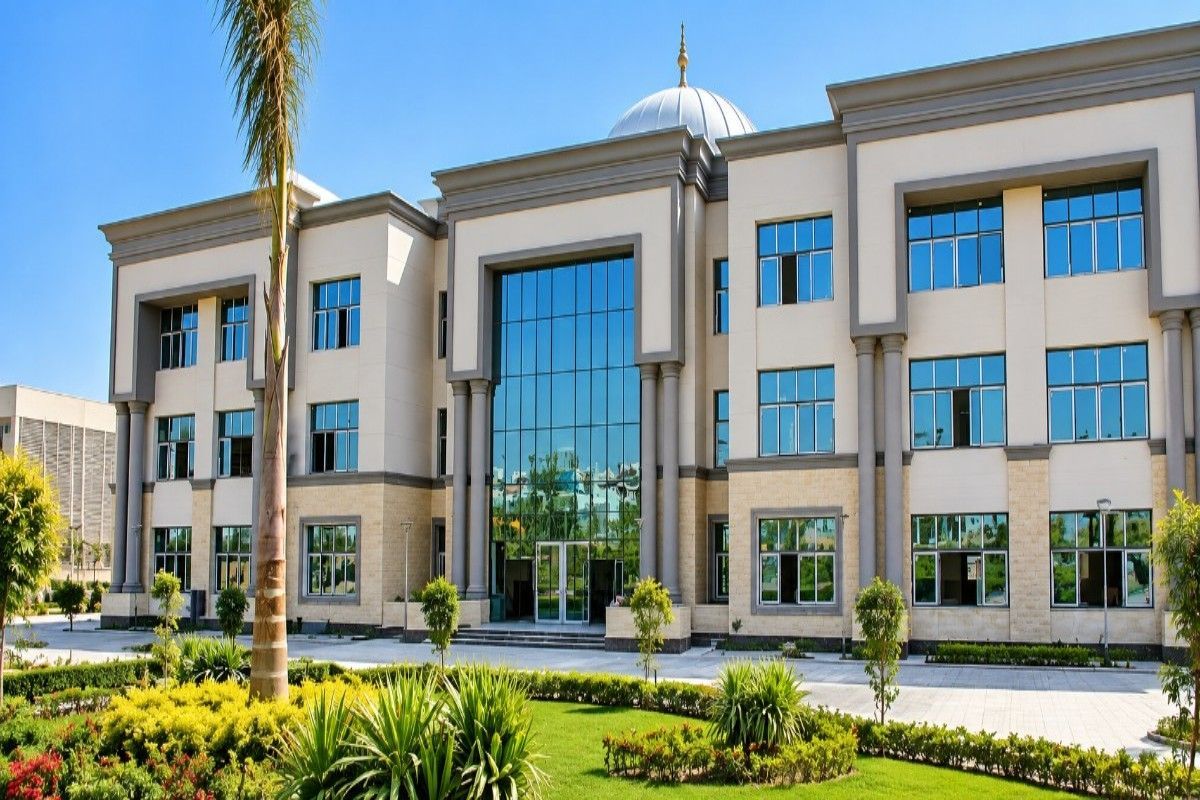
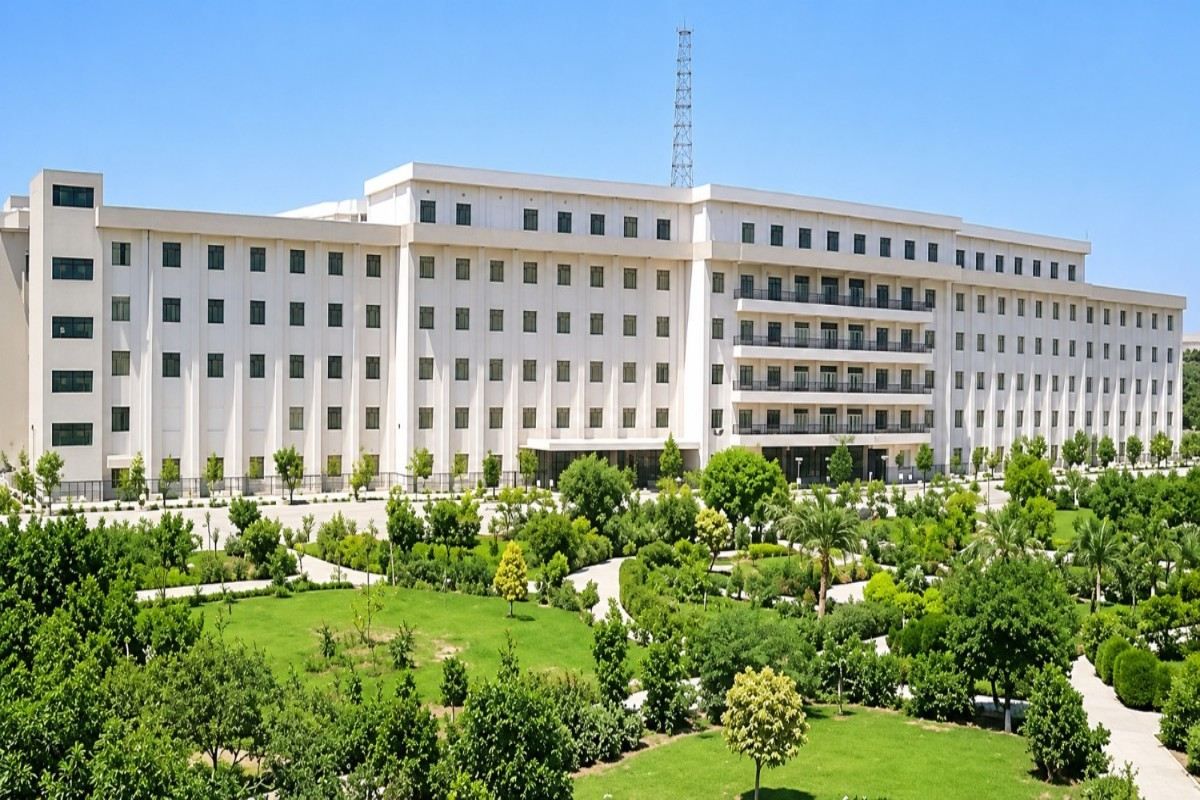
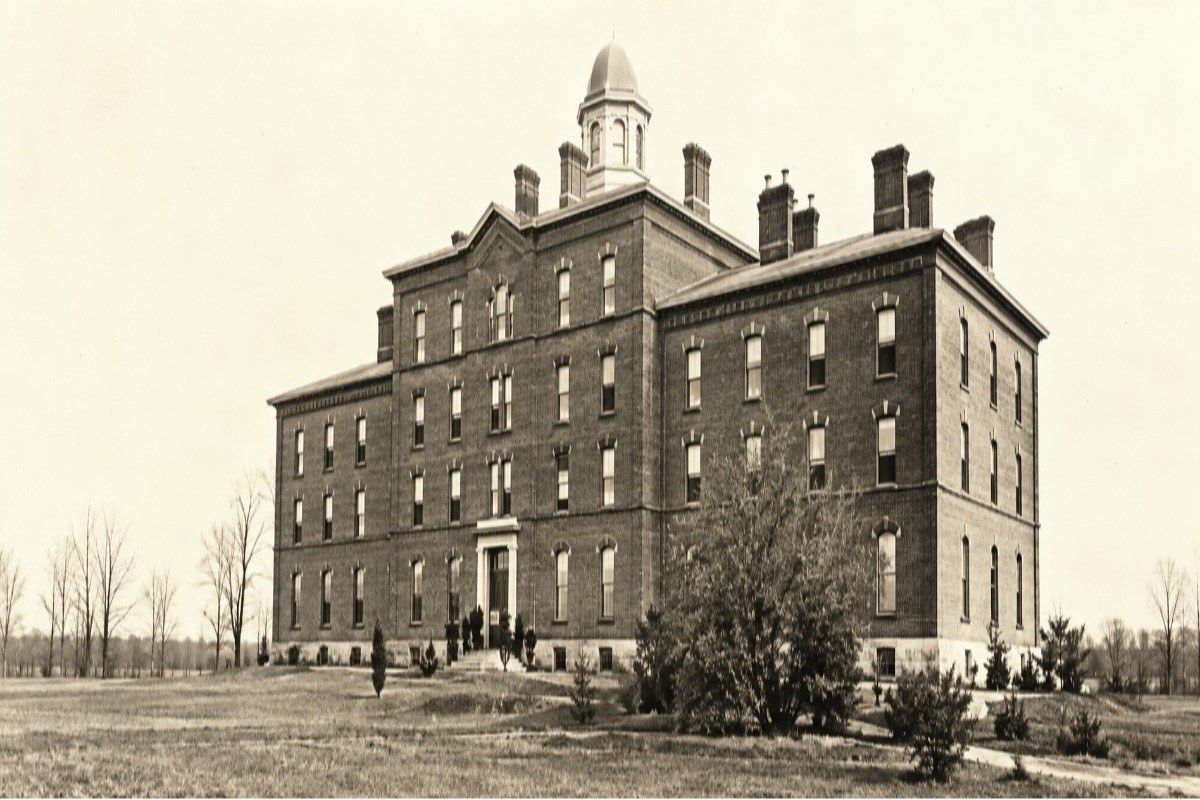
Helwan University Faculty of Medicine occupies an unusual position among Egypt's public medical schools: it belongs to a university with roots tracing back to 1839 under Muhammad Ali of Egypt's industrial and technical education reforms, yet its Faculty of Medicine itself is one of the newest additions to Cairo's medical education landscape, established considerably more recently than the medicine faculties at Cairo, Alexandria, or Ain Shams universities. Helwan University was formally established by Act No. 70 of 1975, making it the youngest of the three major governmental universities in Cairo, and its broader academic identity remains distinctively shaped by its historical strength in engineering, fine arts, applied arts, and music education — a combination of disciplines genuinely unusual for an Egyptian public university.
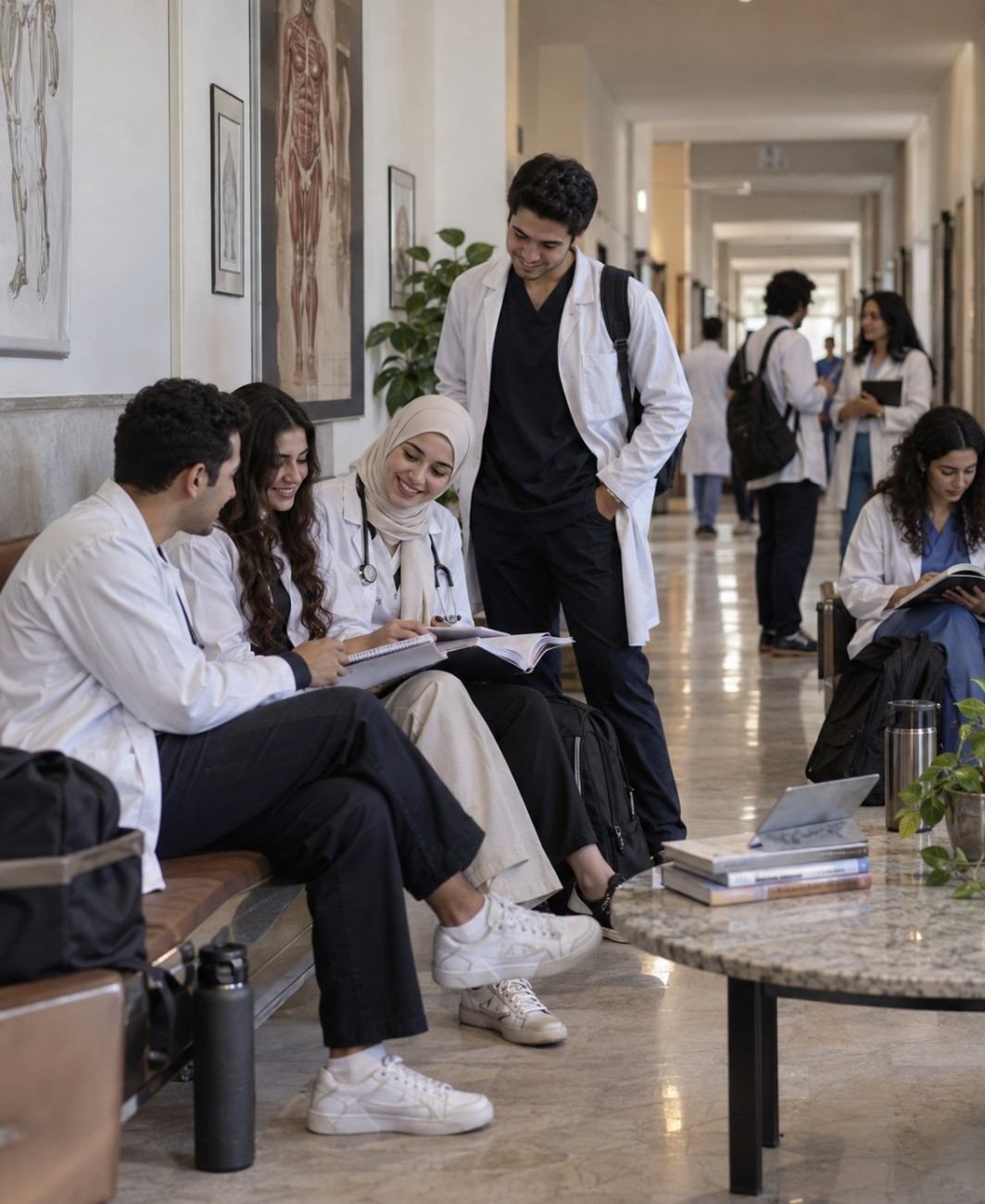
The Faculty of Medicine at Helwan has positioned itself explicitly as one of Egypt's more pedagogically modern medical schools, built around an integrated curriculum that emphasises horizontal integration across basic science disciplines and vertical integration between pre-clinical and clinical phases, with competency-based assessment rather than purely traditional knowledge-recall examination. Early clinical exposure is built into the curriculum design from the outset, intended to reduce the redundancy and disorientation that can occur in more traditionally siloed medical curricula. Clinical training takes place through Helwan University's affiliated teaching hospital network in the Helwan district of Greater Cairo, an industrial satellite area south of central Cairo along the Nile.
Helwan's location places students within Greater Cairo's metropolitan area while avoiding the most congested and expensive central districts, giving international students reasonable access to Cairo's broader amenities, the international airport, and consular services, and benefiting from comparatively lower living costs than in central Cairo or Zamalek. For Indian students, Helwan represents a well-regarded, moderately priced public medical faculty with WHO and NMC recognition, an English-medium MBBS track, and the structural advantage of training within Egypt's largest metropolitan healthcare system without the premium pricing of Cairo University or the private Cairo-area universities.