There are medical schools that open quietly and grow slowly. IHSM is not one of them. Founded in 2003 as a structural unit of the International University of Kyrgyzstan consortium, this institution was established to address a specific problem: Kyrgyzstan's domestic medical system needed a modern, internationally competitive school to attract and train doctors from around the world. That goal has been met — and then some.
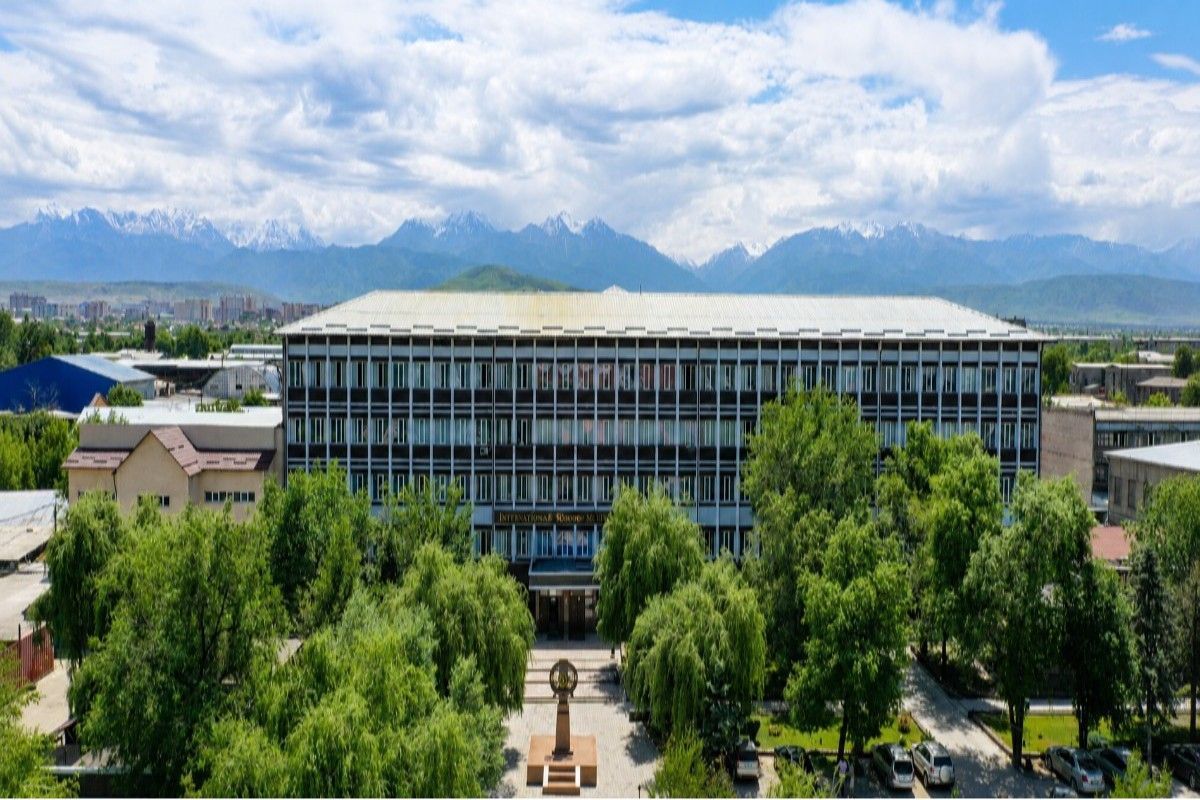
Today, IHSM sits at the centre of Bishkek, Kyrgyzstan's capital, with campuses stretching across the city and a third outpost at the scenic Issyk-Kul lake region. It is a private university that trains only international students, which explains how it operates — from its strictly English-medium instruction to its Indian-friendly hostels to its relentless focus on FMGE and USMLE preparation.
From a starting batch of just 13 students, the university now enrols over 3,500 active students from more than 9 countries — India, Pakistan, South Korea, Nepal, Bangladesh, the Maldives, Afghanistan, the USA, and the UK. That kind of growth doesn't happen by accident. It happens because the institution consistently delivers on its promises: a recognised degree, a curriculum that mirrors what Indian and South Asian students have studied their whole lives, and a clinical environment that gives real exposure before graduation.
What most competitor blog articles on IHSM fail to mention is how significant the FMGE result actually is in context. IHSM's first-attempt FMGE pass rate ranges from 50 to 62%, compared to the national average for overseas-trained Indian doctors, which hovers between 15 and 25%. That gap is not luck. It reflects a dedicated coaching system, structured licensing exam preparation woven into the final year, and faculty who understand exactly what the NMC expects.
The clinical training network at IHSM is also more developed than most competing pages acknowledge. The university runs the ISM Vedanta Hospital — its own multidisciplinary centre in central Bishkek — alongside five other affiliated hospitals covering surgery, general medicine, neurology, gynaecology, cardiology, rehabilitation, and emergency care. Students are not bused to distant partner hospitals and counted as observers. Rotations here are active and structured from Year 3 onwards.
Bishkek itself is an underrated city for international students. It is the capital of Kyrgyzstan, home to roughly one million people, sitting at around 3,000 feet in the Chu River Valley with the Kyrgyz Mountains visible from the campus. The cost of living is genuinely low — monthly student expenses typically fall between USD150 and 250, and the city has direct flight connectivity to Delhi and other South Asian hubs, which matters enormously when you are 2,500 km from home.
IHSM is not a shortcut. It is a serious medical school that happens to be affordable. The degrees it awards are recognised by WHO, NMC India, WFME, FAIMER, AMEE, and the Ministry of Education of Kyrgyzstan. Graduates regularly go on to sit the USMLE, PLAB, and FMGE exams and practice internationally. That is the actual story of IHSM — and it is one that most university comparison pages barely scratch the surface of.