2026 MBBS Admissions Open β€” Limited Seats!

Book Free Counselling β†’
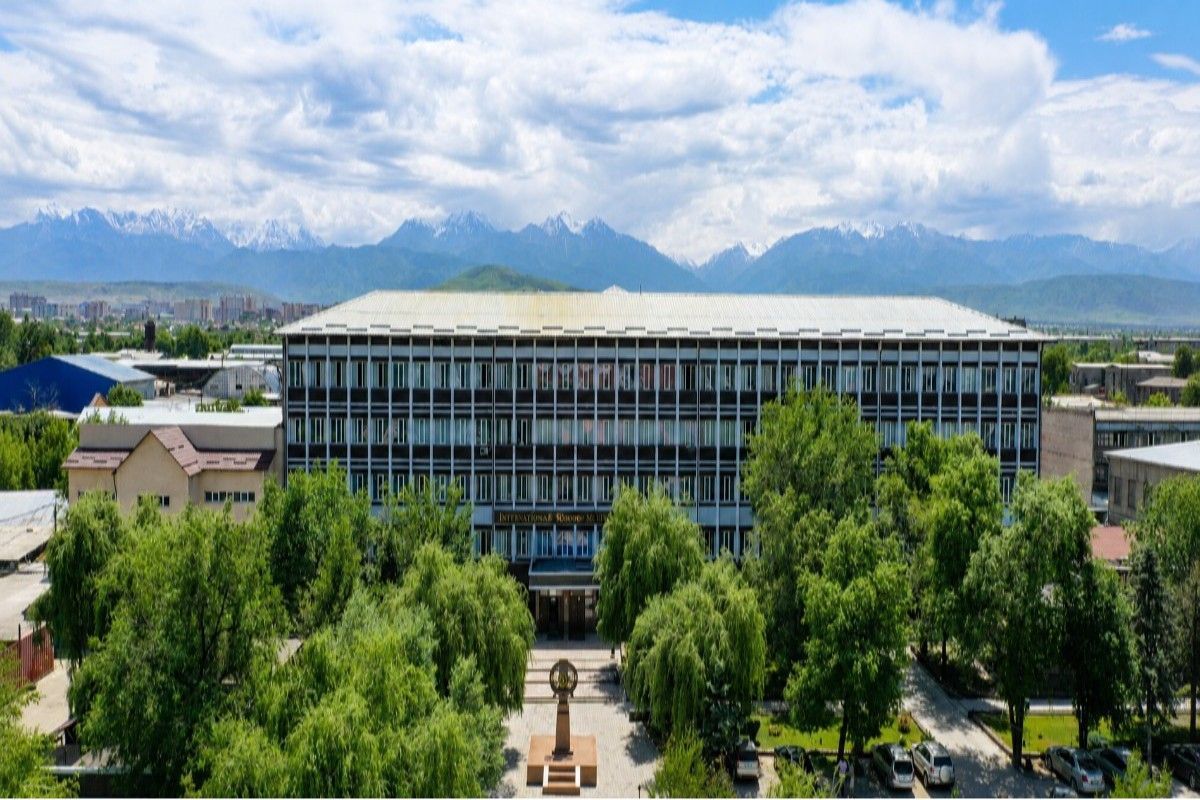
Kyrgyz National Agrarian University, Bishkek image
KyrgyzstanKyrgyzstan | Est. 1933

Kyrgyz National Agrarian University, Bishkek

Kyrgyzstan | Approved by WHO and NMC India; QAHE institutional accreditation; recognised by ECFMG (USA) and FAIMER; graduates eligible for FMGE/NExT, USMLE, and PLAB licensing examinations. | 100% English-medium MBBS. No Kyrgyz or Russian required for admission. No IELTS or TOEFL. medium

USD 3,000/yr (INR 2.80 lakh). Total 6-year all-inclusive estimated cost INR 18–24 lakhs. No donation, no capitation fee, no hidden charges
Annual Fees
6 years: 5 academic years + 1-year compulsory internship. Fully NMC 2021 compliant.
Duration
No
Donation
USD 600–900/yr (INR 57,000–85,000 approx). 2/3/4-seater rooms, separate male/female blocks, Indian mess, 24/7 security and Wi-Fi on campus.
Hostel / yr
AMW

Get Free Counselling

Expert will call you within 2 hours

100% Free - No spam - Verified counsellors only

Why students choose
Kyrgyz National Agrarian University, Bishkek

Most guides to MBBS in Kyrgyzstan stick to the same three or four names. Kyrgyz National Agrarian University rarely gets the attention it deserves, partly because the name throws people off. Agrarian sounds like it means farming, and technically, yes, the university started that way. But what that history actually represents is something quite different from what its name suggests to the outside world: ninety-plus years of uninterrupted scientific and academic work, a faculty of 287 professors including 93 PhDs, seven fully operational faculties, 33 departments, and a track record of training over 70,000 specialists across medicine, veterinary science, agronomy, engineering, and environmental science since 1933.


KNAU sits in Bishkek, the capital of Kyrgyzstan, a city that Indian students consistently rate as one of the most liveable and student-friendly destinations in Central Asia. It is compact enough that getting around is easy, international enough that you will find Indian restaurants, grocery stores selling familiar spices and lentils, and a sizeable community of South Asian students who have been making Bishkek home for decades. Bishkek is also one of the most affordable capitals in the region, which matters when you are budgeting for six years abroad.


The Faculty of Veterinary Medicine and Biotechnology at KNAU has a specific history worth understanding before you write the university off as 'just an agricultural college.' It was established in 1933, nearly a century ago, and has since built one of the strongest veterinary and biomedical science departments in Kyrgyzstan. That scientific infrastructure β€”the laboratories, the experimental farm, the pathology facilities, the research networksβ€”directly benefits students pursuing medical sciences here. Clinical departments at KNAU are backed by genuine biomedical science capacity, not just classroom theory.


The university holds recognition from the World Health Organisation (WHO) and the National Medical Commission (NMC) of India, meaning graduates can sit for the FMGE/NExT in India, the USMLE in the United States, and the PLAB in the United Kingdom. KNAU also holds accreditation from QAHE (International Association for Quality Assurance in Pre-Tertiary and Higher Education) and participates in international research collaborations with 140 higher educational institutions across 21 countries β€” including a World Bank-funded veterinary faculty development project and a technology park initiative with Chenansk Institute of Technology in China.


One detail that no competitor page mentions: KNAU is the alma mater of Chingiz Aitmatov β€” one of the most celebrated writers in Central Asian and Soviet literary history β€” who graduated from the Faculty of Zootechnics. Ministers, academics, and senior government officials from Kyrgyzstan have also graduated from this institution. That kind of alum history signals something real about institutional quality: universities that produce people of that calibre are not running a diploma mill. That legacy of genuine academic rigour is baked into the culture here, and students who arrive expecting a relaxed tick-box programme are often pleasantly surprised by how seriously the faculty takes academic standards.


For Indian students making a six-year commitment, the practical picture at KNAU looks like this: English-medium instruction throughout the MBBS programme; no Kyrgyz or Russian required for admission; no IELTS or TOEFL; no donation fee; no capitation charge. Tuition comes in at around USD 3,000 per year β€” one of the more affordable rates among NMC-recognised universities in Kyrgyzstan. Hostel accommodation with Indian mess, separate male and female blocks, and 24/7 campus security. Clinical rotations in Bishkek's affiliated hospitals begin from Year 3 with real patient exposure, and the final year includes structured coaching for FMGE/NExT.

Country & Cityβ€” Kyrgyzstan β€” Bishkek, the capital city, is one of Central Asia's most student-friendly capitals, with a large Indian community.Establishedβ€” 1933, as the Kyrgyz Zooveterinary Institute by Soviet constituent Kirghiz SSR; awarded the title 'National' in 2009; named after academician K.I. SkryabinDurationβ€” 6 Years β€” 5 years academic + 1-year compulsory clinical internship; NMC 2021 guideline compliant; clinical exposure from Year 3Flight from Delhiβ€” Approximately 4–4.5 hours; Manas International Airport (FRU) connects Bishkek directly to Delhi, Mumbai, and major Indian citiesAnnual Tuition Feeβ€” USD 3,000/yr (INR 2.85 lakh); total 6-year cost INR 18–24 lakhs; no donation or capitation fee requiredHostelβ€” On-campus hostels; separate male and female blocks; Indian mess available; 2/3/4-seater rooms; 24/7 security; USD 600–900/yrMediumβ€” English medium MBBS. No Kyrgyz or Russian required for admission. No IELTS or TOEFL neededRankingβ€” Listed in WHO World Directory of Medical Schools; NMC India approved; QAHE accredited; recognised by ECFMG and FAIMER.Teaching Hospitalsβ€” 4+ affiliated hospitals in Bishkek; practical clinical rotations begin in Year 3 in real hospital departments with patient contact

Quick Facts

LocationKyrgyzstan
Duration6 years: 5 academic years + 1-year compulsory internship. Fully NMC 2021 compliant.
Medium100% English-medium MBBS. No Kyrgyz or Russian required for admission. No IELTS or TOEFL.
RankingListed in WHO World Directory of Medical Schools; NMC India approved; QAHE accredited; collaborates with 140 institutions across 21 countries
AccreditationApproved by WHO and NMC India; QAHE institutional accreditation; recognised by ECFMG (USA) and FAIMER; graduates eligible for FMGE/NExT, USMLE, and PLAB licensing examinations.
Eligibilityβ€’ Class 12 with Physics, Chemistry, and Biology β€” minimum 50% aggregate marks (40% for SC/ST/OBC reserved categories as per NMC norms) β€’ NEET UG qualification is mandatory for Indian students β€’ Minimum age 17 years as on 31st December of the admission year β€’ Valid Indian passport (minimum 18 months remaining validity at time of application) β€’ No IELTS, TOEFL, or Russian language proficiency required for admission
Recognition
World Health Organisation (WHO) β€” listed in the WHO World Directory of Medical Schools; the global standard used by all licensing bodies worldwideNational Medical Commission (NMC) of India β€” graduates fully eligible to appear in FMGE and NExT to practise medicine in IndiaECFMG (Educational Commission for Foreign Medical Graduates, USA) β€” graduates eligible to apply for USMLE and US residency programmesQAHE (International Association for Quality Assurance in Pre-Tertiary and Higher Education) β€” institutional accreditation for academic standardsFAIMER β€” degree listed in IMED, recognised by medical councils globallyMinistry of Education and Science of the Kyrgyz Republic β€” officially licensed and regulated public university; awarded the title 'National' in 2009Recognised by medical councils of Nepal and Bangladesh β€” MBBS degree valid across South Asian licensing bodies

Complete, transparent
cost breakdown

No hidden charges, no donation. The full picture of costs at Kyrgyz National Agrarian University, Bishkek.

Tuition Fee

USD 3,000/yr (INR 2.80 lakh). Total 6-year all-inclusive estimated cost INR 18–24 lakhs. No donation, no capitation fee, no hidden charges

USD 3,000/yr INR 2.85 lakh/yr

Hostel Fee

USD 600–900/yr (INR 57,000–85,000 approx). 2/3/4-seater rooms, separate male/female blocks, Indian mess, 24/7 security and Wi-Fi on campus.

USD 600–900/yr INR 57,000–85,000

Food & Meals

INR 5,000–8,000

per month

Insurance

INR 20,000 – 35,000/yr

(Year 1 higher)

Donation

No Donation

No Hidden Fees

Total Estimated Cost

INR 18–24 lakh

Total 6 Year Cost

25–35%

Average FMGE first-attempt pass rates for students from many overseas medical universities. Students from structured programs consistently score higher.

Built to help you
clear licensing exams

Students returning to India need to clear the FMGE/NExT exam. Kyrgyz National Agrarian University, Bishkek integrates exam-oriented coaching into the regular curriculum so students are prepared from day one.

βœ“Regular mock tests and practice exams throughout the program
βœ“Faculty-guided FMGE preparation sessions every semester
βœ“Study material aligned with NMC/NExT syllabus
βœ“Clinical postings designed to strengthen practical knowledge

6-Year MD curriculum,
year by year

A structured program that takes you from foundational sciences to clinical mastery.

Year 1

Foundation of Medical Sciences

β€’ Medical Latin, History of Medicine, and Clinical Ethics modules to build the professional framework every practising doctor carries into clinical work

Key subjects: β€’ Core pre-clinical subjects β€” Anatomy, Biochemistry, Histology, Biophysics, and Cell Biology β€” in KNAU's specialist laboratories with simulation and digital tools

Campus Image

What life actually
looks like on the ground

🏠

Campus Accommodation

Furnished hostel rooms with Wi-Fi, laundry, 24/7 security, and Indian mess on or near campus.

πŸ›

Food & Dining

Indian restaurants and mess facilities serving vegetarian and non-vegetarian home-style food daily.

🀝

Indian Student Community

Strong Indian community with cultural events, festival celebrations, and peer support groups.

Hospital access in
Kyrgyzstan’s capital

Students get hands-on clinical training in government and private hospitals affiliated with the university.

Yr 3
Clinical rotations start
10+
Affiliated hospitals
Kyrgyzstan
City-based training
1 Yr
Full internship

What a first-time student
actually needs to know

Practical information for students planning to study at Kyrgyz National Agrarian University, Bishkek.

❄️

Weather & Packing

Prepare for all seasons. Thermal wear for winters, light clothing for summers. University provides heating in hostels.

✈️

Travel & Visa

Student visa processed with university invitation letter. Direct and connecting flights from major Indian cities.

πŸ₯

Health & Insurance

Health insurance included in fees. Medical facility on campus plus city hospitals easily accessible.

πŸ“±

Communication

Local SIM cards available. WhatsApp and video calls keep you connected with family back home.

πŸ’°

Monthly Budget

Average monthly expenses of $150–$250 covering food, transport, and personal needs.

πŸ“š

Study Resources

University library, online databases, and study groups. Seniors mentor juniors through academic challenges.

Admission in 10 steps

Our team guides you through every step β€” from application to arriving on campus.

01
1

🀝 Free Counselling

Our Kyrgyzstan specialist compares ISM, AIMU, ASMI, and KSMA with FMGE rates, fees, facilities, city life, and comparison with Uzbekistan and Kazakhstan.

02
2

πŸ“‹ Document Collection

Our team provides the Kyrgyzstan-specific checklist. All documents verified before submission.

03
3

πŸ“¨ University Application:

Direct submission to your chosen Kyrgyzstan university. Offer letter typically within 7–14 days.

04
4

πŸ“„ Offer Letter & Fee Deposit

Our team receives the offer, explains the terms, and manages the initial fee payment.

05
5

πŸ›‚ Visa on Arrival Preparation:

Our team advises on the arrival visa ($35–60 USD at Manas Airport) and prepares all documents for a smooth immigration process.

06
6

πŸŽ’ Pre-Departure Briefing

Bishkek orientation, accommodation options, mountain climate preparation, winter gear checklist, Indian community contacts, migration card process, currency, and SIM card.

07
7

✈️ Travel to Bishkek

Our team advises on routing to Manas International Airport (FRU). Confirms arrival with the local team.

08
8

πŸ›¬ Airport Pickup

Our local Bishkek team meets you at the airport upon arrival.

09
9

πŸͺͺ Migration Card Registration (ASAP)

Our team registers the migration card within 5 days of arrival, under strict management.

10
10

🏠 Hostel & University Registration + Residence Permit

Hostel check-in, university registration, and student residence permit filing are all handled by our local team within the first two weeks.

Admission Helpline β€” Contact our counsellors for step-by-step assistance.

What our students
actually say

β˜…β˜…β˜…β˜…β˜…

β€œThe faculty here is incredibly supportive. The clinical training during hospital rotations has given me real confidence in patient care.”

PS
Priya Sharma
3rd Year Student
β˜…β˜…β˜…β˜…β˜…

β€œAffordable fees without compromising on quality. The campus facilities and hostel life made my transition abroad very smooth.”

RP
Rahul Patel
5th Year Student
β˜…β˜…β˜…β˜…β˜…

β€œEnglish medium instruction and WHO-recognized curriculum were the deciding factors for me. No regrets so far β€” excellent experience overall.”

AG
Ananya Gupta
2nd Year Student
β˜…β˜…β˜…β˜…β˜…

β€œThe university helped with everything from visa to accommodation. Hospital exposure from year three has been invaluable for my FMGE prep.”

VS
Vikram Singh
4th Year Student
β˜…β˜…β˜…β˜…β˜…

β€œJust cleared my licensing exam on the first attempt. The structured coaching and mock exams during final year were a game-changer.”

SR
Sneha Reddy
6th Year Student
β˜…β˜…β˜…β˜…β˜…

β€œSafe campus, good food options, and a strong Indian student community. The teaching methodology is very practical and hands-on.”

AM
Arjun Mehta
3rd Year Student

Honest answers to
the real questions

Q1. Is KNAU a medical university or an agricultural university β€” and why does that distinction matter before you enrol?

+

A. KNAU is fundamentally an agricultural university founded in 1933. It offers MBBS alongside agronomy, veterinary, and environmental science programs. Most competing FAQs pitch it as a medical institution without mentioning this. You are choosing a medical program inside an agrarian university β€” understand that context before enrolling.

Q2. Is KNAU's MBBS genuinely taught in English, or is that claim misleading?

+

A. According to all credible sources, the language of education at KNAU is Russian. Web pages advertising 'complete English language' programs are misleading. Some courses at medical faculties for international students are taught in English, but there are plenty of Russian-speaking teachers around. This will be helpful – learning Russian passively beforehand is advantageous.

Q3. Does KNAU’s MBBS degree have recognition from the NMC in India and the WHO for taking FMGE?

+

A. KNAU holds NMC and WHO recognition and is listed in WDOMS and FAIMER directories. Indian graduates can appear for FMGE and NExT. Always verify the year you apply directly on the NMC portal β€” recognition listings update annually. Third-party consultancy confirmation is not enough.

Q4. Where is KNAU ranked nationally and internationally, and does the ranking mean anything for an MBBS degree holder?

+

A. As per the university ranking in Kyrgyzstan, nationally, KNAU was ranked 5th among the universities in Kyrgyzstan in the year 2026. Internationally, according to UniRank’s rankings, KNAU ranks approximately 10,794. In the case of MBBS, the ranking holds some importance, but not too much, since the NMC ranking takes precedence over the other rankings.

Q5. What is the true cost of pursuing MBBS at KNAU for 6 years?

+

A. Tuition is about USD 3,500 to 4,000 each year. Hostel fee is about USD 500 per year. Consider food, visa extensions, health insurance, and transportation expenses. Estimated six-year cost would be USD 25,000 to 30,000 (or 21 lakh to 25 lakh rupees). Monthly expenses in Bishkek are between 150 and 250 US dollars – not very expensive, yet pricey

Q6. Does KNAU have an entrance exam, or is admission direct for international students?

+

A. Admission to KNAU for international students is direct β€” no complex entrance exam beyond NEET compliance for Indian students. No donation or capitation fees. Class 12 marks and NEET qualification are the primary criteria. The process is among the more straightforward in Kyrgyzstan's private and public medical school landscape.

Q7. What does clinical training at KNAU actually look like, and which hospitals do students rotate through?

+

A. KNAU conducts clinical training through affiliated hospitals in Bishkek. Class sizes are kept at 15 to 20 students per batch β€” a genuine advantage for hands-on learning. Smaller cohorts mean more faculty attention per student. No FAQ mentions this class-size detail, yet it directly affects how much clinical contact each student gets.

Q8. What is campus life like at KNAU, and is Bishkek a practical city for an international medical student?

+

A. Hostels have furnished rooms with heating, Wi-Fi, attached washrooms, USB ports, and 24/7 security, as well as separate male and female blocks. Indian food is available. Bishkek is Kyrgyzstan's capital β€” modern, walkable, relatively safe, with genuinely cold winters. Budget 150 to 250 USD monthly. Public transport is cheap and functional.

Q9. Can we compare KNAU to specialised medical universities in Bishkek, such as the Kyrgyz State Medical Academy?

+

A. Kyrgyz State Medical Academy was established in 1939 as a specialised medical school. KNAU, on the other hand, is a specialised university which offers agricultural studies and later introduced medicine in its curriculum. KSMA boasts more medical facilities and greater experience in producing medical graduates than KNAU. Advantages of KNAU include low tuition rates and small class sizes, among others.

Q10. What career pathways open after KNAU MBBS β€” and who is this university the wrong choice for?

+

A. KNAU graduates qualify for FMGE, NExT, USMLE, and PLAB pathways. The degree holds international validity. Wrong fit: students expecting a dedicated medical campus environment, a large medical-only alum network, or Russian-free clinical years. KNAU is a practical, affordable route β€” not a medical-first institution by origin.

Let's get you into
Kyrgyz National Agrarian University, Bishkek

Our expert counsellors will guide you through the complete admission process β€” from documents to airport pickup.