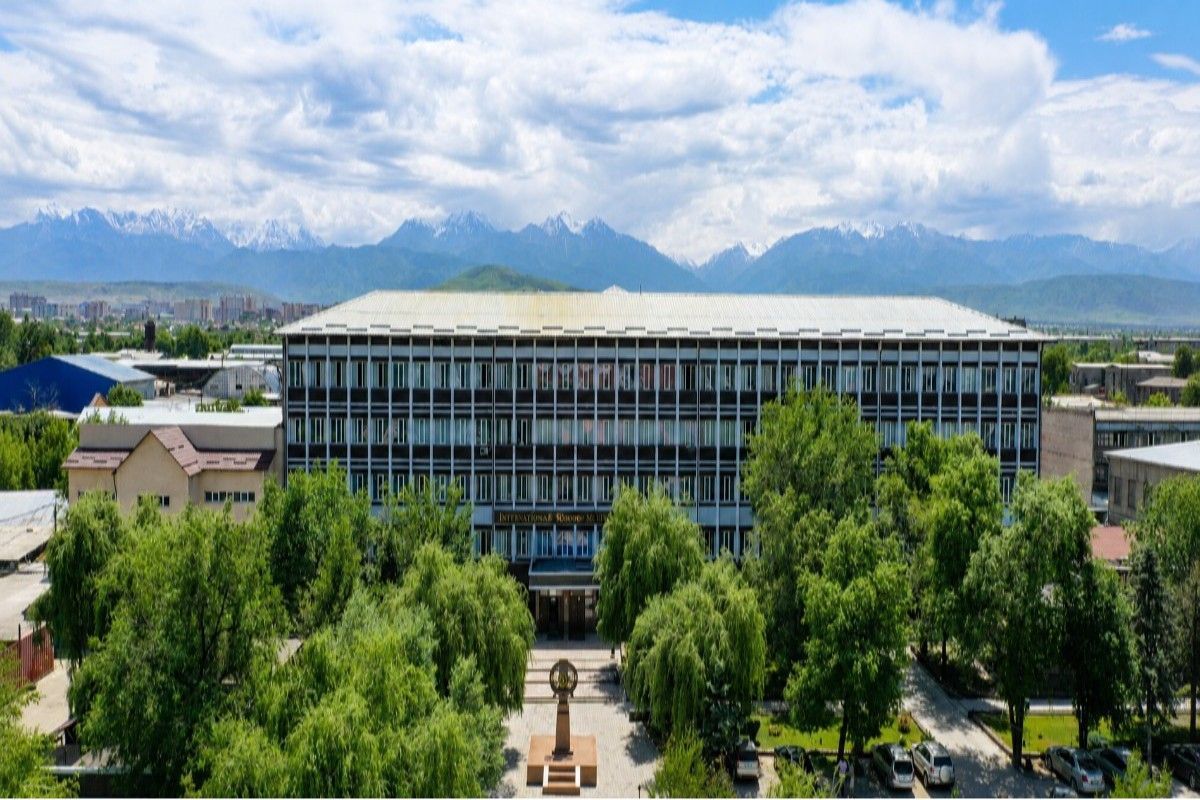
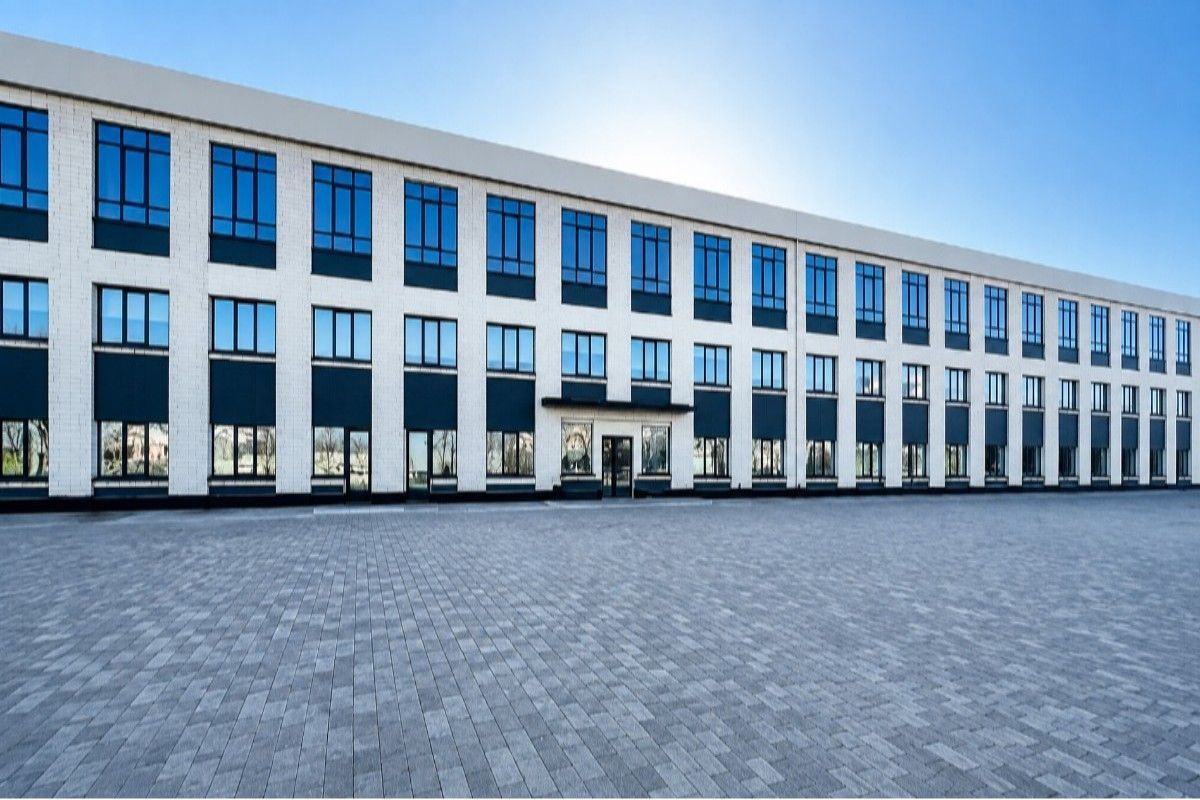
The International University of Science and Medicine — IUSM — sits at 1 Gorky Street in central Bishkek, the capital of Kyrgyzstan, and it was built with a single, clear purpose: to give international students a genuinely modern, English-medium medical degree in Central Asia without the financial weight of Indian private colleges or the bureaucratic complexity of European universities. Established in 2020 under the National Development Strategy of the Kyrgyz Republic and aligned with the UN's Sustainable Development Goals for Education, IUSM is not a university that opened to chase the MBBS market. It was set up specifically to reform medical education in Kyrgyzstan and give it the competitive edge to attract students from South Asia, Southeast Asia, and beyond.
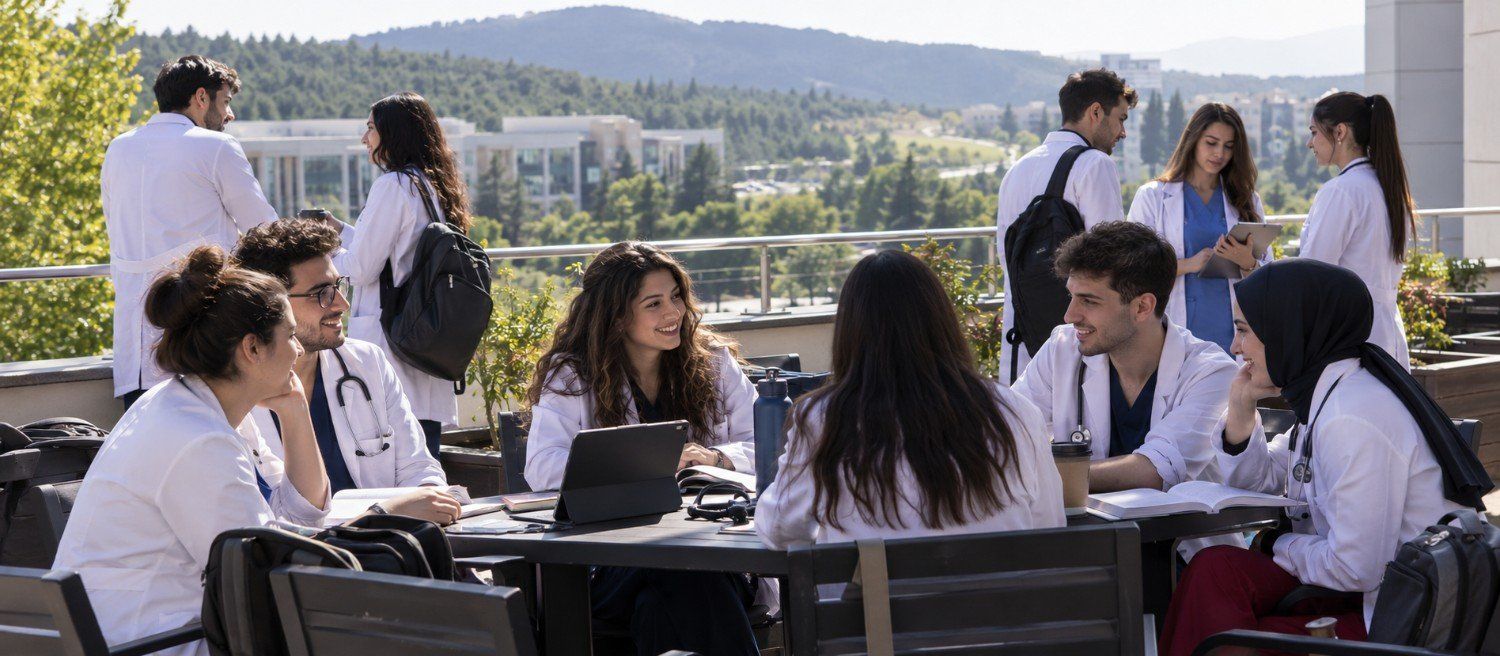
What sets IUSM apart from most Bishkek options is its size and its focus. IUSM calls itself the largest medical school in the Kyrgyz Republic, with five basic science departments and twenty clinical departments, covering a far wider disciplinary scope than most private institutions of its age. The faculty is a deliberate blend of teachers, research scientists, and practising clinicians, not purely academics drawn from a Soviet-era textbook tradition. The student-to-teacher ratio is 10:1, which is unusually low for any South Asian MBBS destination and means that a student who needs help getting through Pathophysiology will actually get it, rather than be lost in a hall of 300.
The ECFMG milestone changes in May 2026 significantly affect IUSM's standing. Most competitor pages still list IUSM simply as NMC and WHO-recognised. What they have not updated is that IUSM officially met ECFMG's international requirements in May 2026 — a development announced on the university's own site and independently significant, as ECFMG eligibility is the gateway to USMLE and US residency applications. For an Indian student who wants to keep the US pathway open, this is not a small footnote.
Bishkek itself deserves more credit than it typically gets in MBBS guides. Most pages write two sentences about "friendly people and affordable food" and move on. Here is what they skip: Bishkek is a capital city of over a million people, home to multiple major state hospitals with genuine tertiary-care caseloads, and geographically positioned as a natural gateway between Europe and Asia. The city has a functioning metro and well-organised bus network, multiple Indian restaurants and grocery stores, a large and established community of Indian medical students across all universities, and a safety profile that is considerably better than the cities most Indian students leave behind. The cold winters are real — January averages around -3°C — but campus buildings and hostels are heated, and students from North India typically adapt within a semester.
The cost structure at IUSM is genuinely competitive. At USD 1,700 per semester, the annual tuition comes to roughly INR 2.89 lakh — lower than most Bishkek competitors and a fraction of what an Indian private college would charge for the same level of clinical exposure. There is no donation, no capitation fee, and no hidden institutional charge. The total cost over 5.5 years — including hostel, food, insurance, and visa extension — typically falls between INR 18 and 22 lakhs. For a family deciding between IUSM and a Kyrgyzstan university charging INR 35 lakh in total, that gap covers two years of postgraduate preparation or an FMGE coaching programme.
For Indian students, the practical checklist at IUSM is clean. NEET qualification is the primary requirement; English is the sole medium of instruction; the Indian mess on campus serves both vegetarian and non-vegetarian meals; Diwali and Holi are celebrated in the hostels; and the Delhi–Bishkek flight operates direct in just over three hours. The degree — MD (General Medicine) — is accepted as equivalent to MBBS by the NMC, meaning graduates can sit FMGE/NExT immediately after returning to India. None of those facts makes IUSM uniquely special, but all together they remove the friction that makes an international MBBS harder than it needs to be.