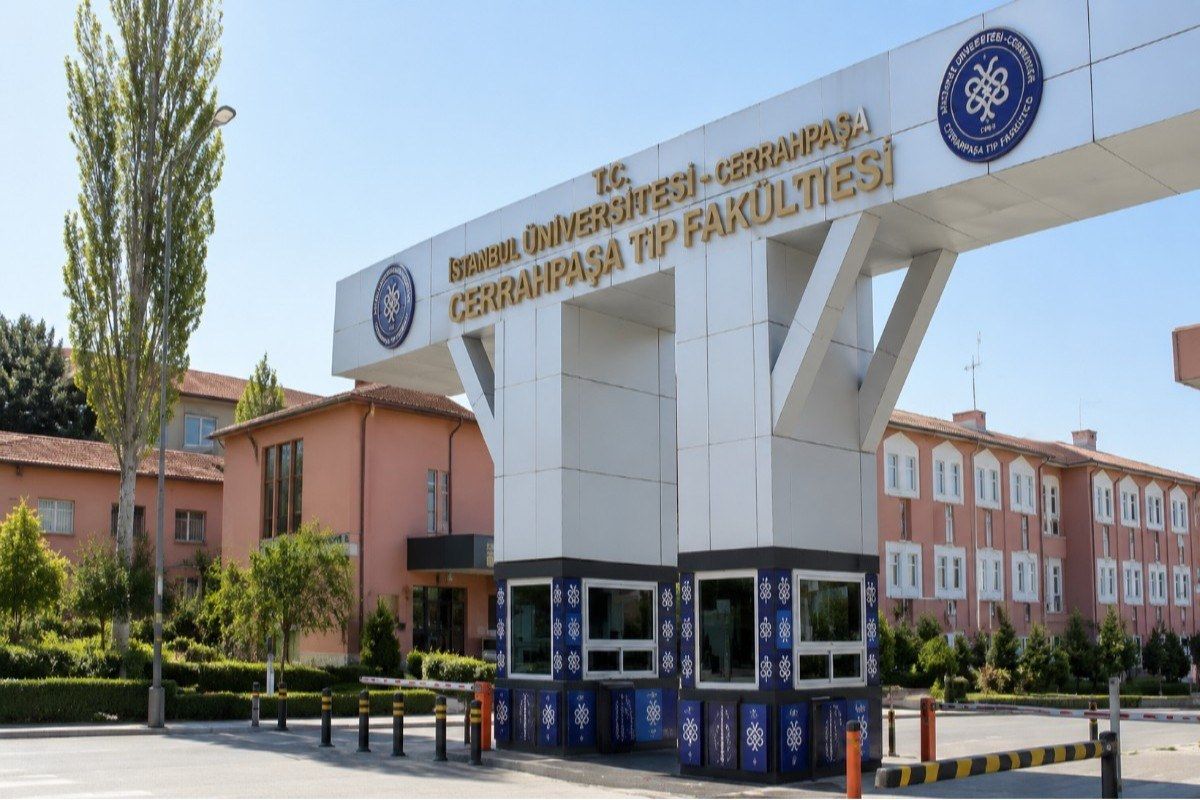
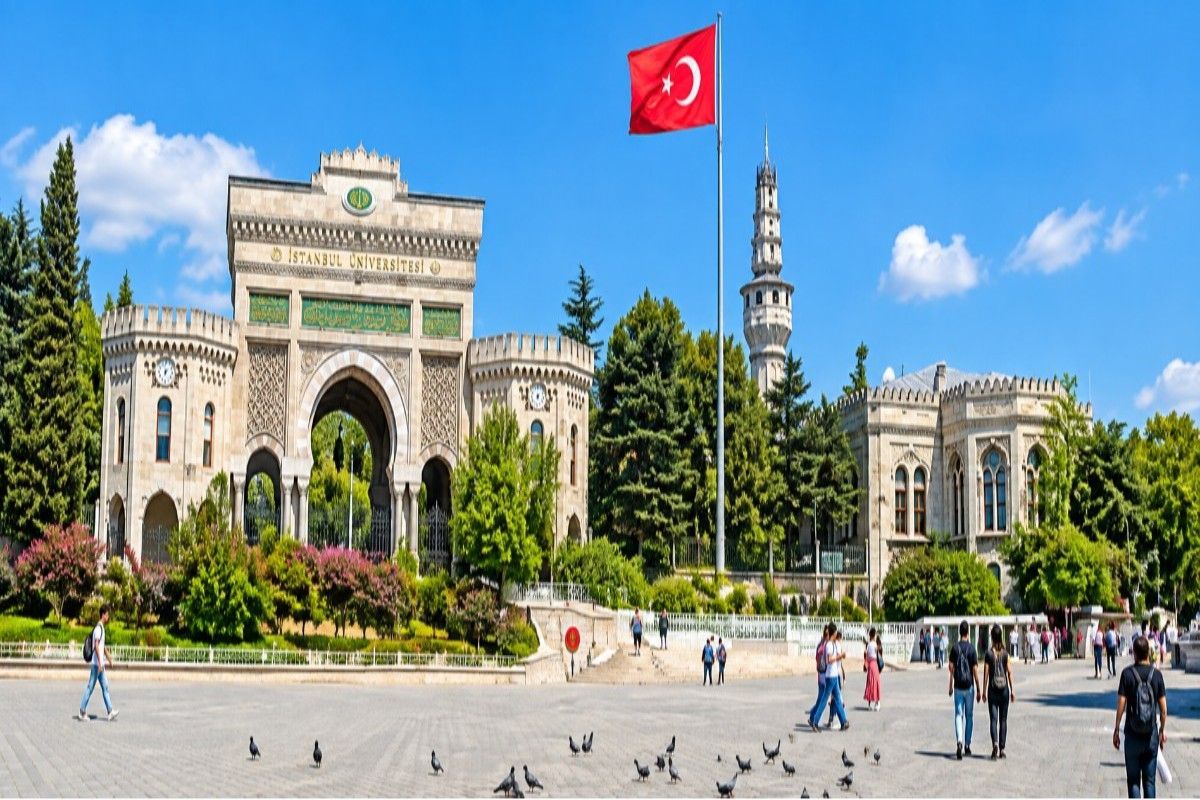
People mostly just call it IUC, or Cerrahpaşa, for short. Its history genuinely runs in two distinct stages, worth understanding separately. The wider institution it grew out of, Istanbul University, traces its own lineage all the way back to 1453, following the conquest of Istanbul by Sultan Mehmed II, though the university took its modern form and current name considerably later, in 1933, after the founding of the Turkish Republic. So, when this university's history is described as reaching back nearly six centuries, that claim rests on a traditional lineage tied to the conquest itself, while the specific, modern institutional structure is a twentieth-century creation.
Here is a fact most guides skip entirely, and it is genuinely specific. On 27 July 1967, two separate medical faculties were established within Istanbul University at the same time. These are the Istanbul Faculty of Medicine, and the Cerrahpaşa Faculty of Medicine, the very faculty this profile covers. So, Cerrahpaşa's own medical teaching identity is precisely dated to a single day in 1967, distinct from, though founded alongside, its sister faculty within the same parent university.
For half a century, Cerrahpaşa remained part of the historic Istanbul University. That changed on 18 May 2018, when Istanbul University-Cerrahpaşa was established as a fully independent university in its own right, taking with it the Cerrahpaşa Faculty of Medicine alongside several other faculties, including engineering and health sciences. So, this university's current independent existence is genuinely recent, even though the medical faculty at its core carries a documented history stretching back more than half a century before that formal split.
Istanbul University-Cerrahpaşa today comprises 12 faculties, 6 institutes, 1 school, 5 vocational schools, and 17 application and research centres, spread across 8 campuses throughout Istanbul. These are Avcılar, Cerrahpaşa, Bahçeköy, Bakırköy, Büyükçekmece, Haseki, Sultangazi, and Şişli. The university states its aim is to become a leading, internationally recognised research university, particularly strong in health, engineering, medical, and social sciences, and the Cerrahpaşa Faculty of Medicine specifically is considered one of the top medical schools in the country, according to independent education sources.
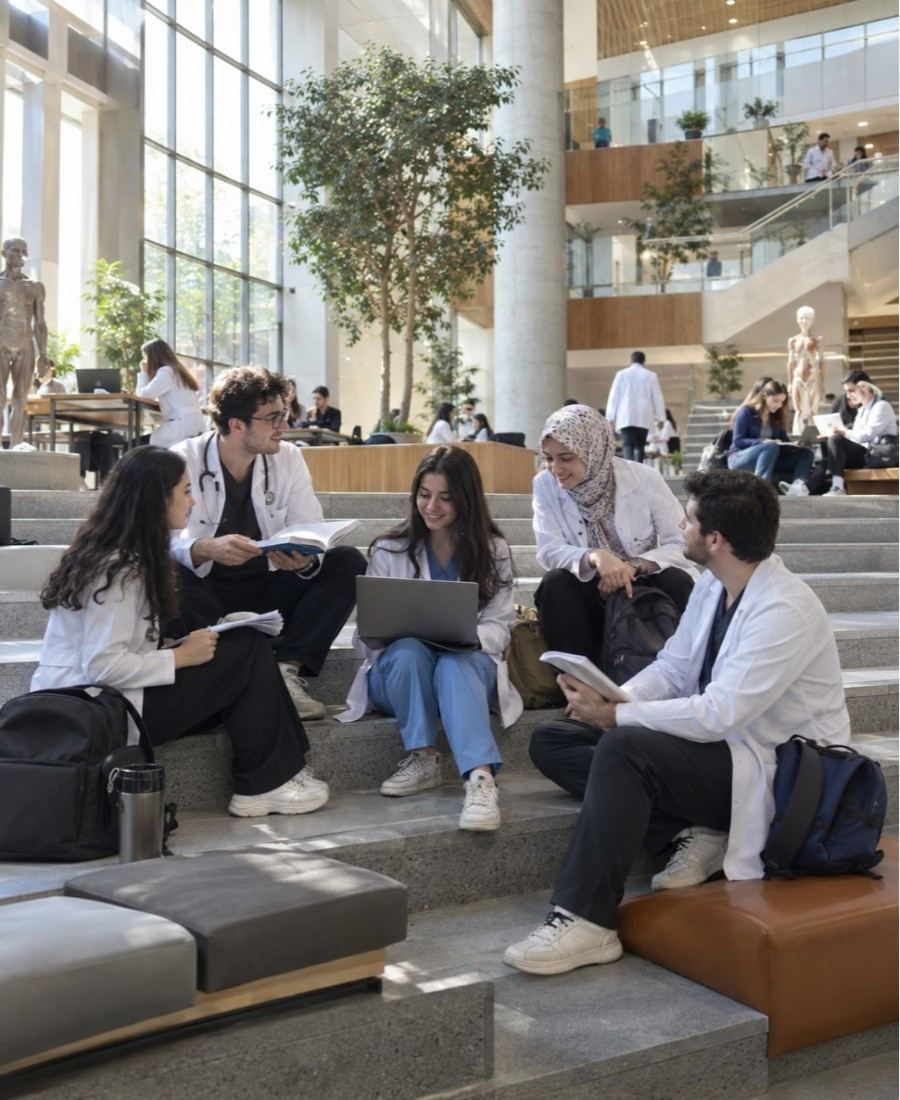
Istanbul University-Cerrahpaşa's campuses are spread across the city, giving students a genuinely vibrant urban experience in one of the world's most historically and culturally significant cities. Istanbul itself straddles Europe and Asia, and the university's own materials describe its campus environment as offering students the opportunity to join clubs and societies, integrate into the local community, and access a wide range of accommodation options, from university housing to shared apartments near campus.
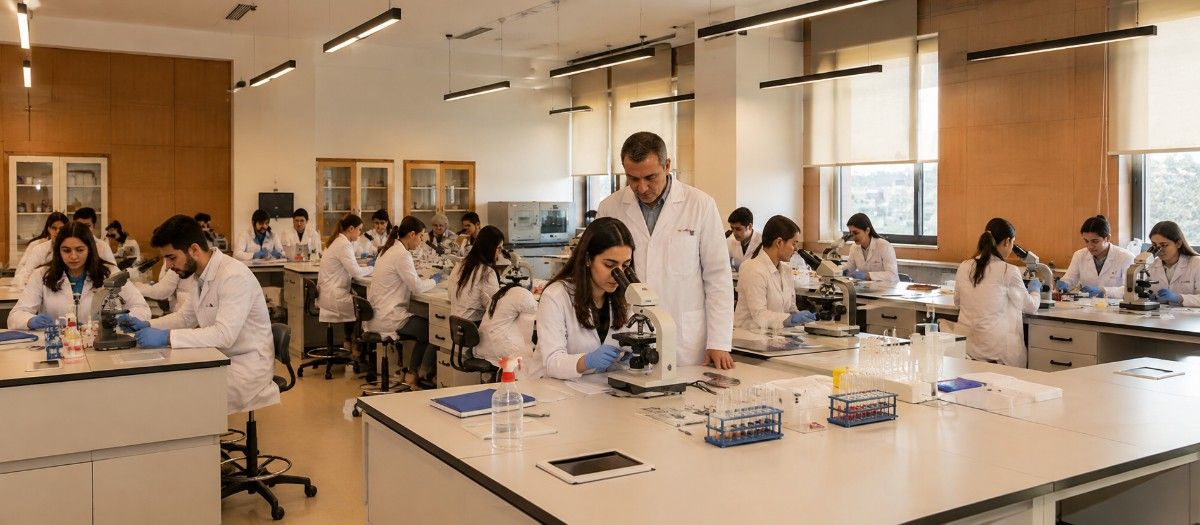
Clinical training runs through Cerrahpaşa Hospital and the university's other affiliated clinical facilities, drawing on Istanbul's genuinely large patient population and Turkey's broader reputation for high-volume, hands-on medical training. Istanbul University-Cerrahpaşa's Human Medicine programme runs six years, the standard length across Turkish medical education, leading to a Physician qualification equivalent to an MD or MBBS. Teaching runs in both Turkish and English, with the university describing its Medicine programme, alongside a handful of other specialties, as taught in English specifically, while many other programmes run in Turkish, German, or French. Admission for English-medium places, including Medicine, is described as genuinely highly competitive, reflecting strong demand for these specific tracks.
Istanbul itself offers a genuinely different setting from Ankara, since it is by far Turkey's largest, most economically significant, and most internationally connected city, with a population well over 15 million people across its wider metropolitan area. This scale gives Cerrahpaşa's medical students access to an enormous, genuinely diverse patient population, spanning every kind of medical condition a future physician could realistically expect to encounter, alongside considerably more international flight connections than a smaller Turkish city could offer. The trade-off is that Istanbul is also more expensive and more crowded than Ankara, a real, practical consideration worth weighing when comparing this university against other Turkish options.
Cerrahpaşa's own clinical reputation is built on genuine depth across several major medical specialties, reflecting the sheer scale of patient care the Cerrahpaşa Hospital complex handles each year. Students here rotate through departments covering everything from general surgery and internal medicine to more specialised fields, gaining exposure to a genuinely wide range of conditions during their clinical years. This breadth of clinical experience is one reason Cerrahpaşa continues to be described by independent sources as one of Turkey's leading medical faculties, a reputation built up over decades of training doctors who have gone on to work throughout Turkey and internationally.
For international applicants specifically, choosing between Cerrahpaşa's Turkish-medium and English-medium tracks is a genuinely important early decision. While the English-medium option removes the language barrier many international students would otherwise face, it also comes with the genuinely higher level of competition already noted, since demand for these limited places runs considerably higher than for the university's Turkish-medium track. Applicants who already have strong Turkish language skills, or who are willing to invest in learning the language ahead of starting their studies, may find the Turkish-medium route offers a genuinely less competitive path into this same respected faculty.
NEET remains a genuine requirement for Indian applicants here, and Indian graduates would still need to clear the FMGE or NExT exam to practise medicine back in India.
Cost Breakdown
Fee figures here genuinely need careful handling, since the same consultancy source reports two considerably different figures for Cerrahpaşa's Medicine tuition. Both are shown below, with the more corroborated figure identified clearly.
Cost Item | Amount | Notes |
Tuition Fee (Medicine, more consistently reported) | Approx. USD 11,800/year | Corroborated by the parent Istanbul University's own reported USD 10,800 Medicine rate |
Tuition Fee (Medicine, alternate lower figure) | Approx. USD 1,800/year | Reported by the same source on a different page; likely a typographical error, missing a digit |
Total Tuition (6 years, based on USD 11,800/year) | Approx. USD 70,800 | Estimate based on the more consistently corroborated annual rate |
Comparison: Istanbul University (parent) Medicine Fee | Approx. USD 10,800/year | Lends real support to the higher Cerrahpaşa figure |
Cost of Other Specialties (Cerrahpaşa, for comparison) | Approx. USD 1,600-2,800/year | Considerably lower than Medicine, confirming Medicine's genuine fee premium |
Total 6-Year Estimate | — | Approx. USD 70,800, tuition only, based on the better-corroborated rate |
Note: no capitation fee and no donation is asked at any stage. Request the university's own current, official international fee schedule directly, given the real discrepancy across third-party sources.
Why Istanbul University-Cerrahpasa Deserves a Harder Look Than You've Given It
Most lists mention Cerrahpaşa as just another Istanbul medical school. However, they do not explain how its own history actually works, or that its own fee reporting genuinely conflicts. The reason is simple. It is a faculty precisely dated to a single day, sitting inside a university only recently made independent.
Cerrahpaşa is not like most other recently independent universities. In fact, its Faculty of Medicine was founded on a specific, documented date, 27 July 1967, more than half a century before the wider Istanbul University-Cerrahpaşa became independent in 2018. Furthermore, this means the medical teaching tradition here is genuinely older than the current institutional structure housing it. As a result, applicants should not assume a young university means a young medical faculty. Graduates prove this deep tradition is real by training within one of Turkey's most respected medical faculties.
The fee discrepancy also matters more than most guides let on. For example, the same source reports Cerrahpaşa's Medicine tuition as either USD 1,800 or USD 11,800 on different pages. Moreover, the higher figure is considerably better corroborated, since the closely related parent Istanbul University separately reports a very similar USD 10,800 rate for its own Medicine programme. So, applicants relying on the lower figure alone risk a seriously inaccurate budget.
One thing most other blogs miss is just how competitive English-medium Medicine genuinely is here. In addition to Cerrahpaşa's own strong reputation, demand for its limited English-taught places runs considerably higher than for many other programmes at the university. Since this reflects real, documented demand, applicants should not assume admission here is straightforward simply because it is a large public university.