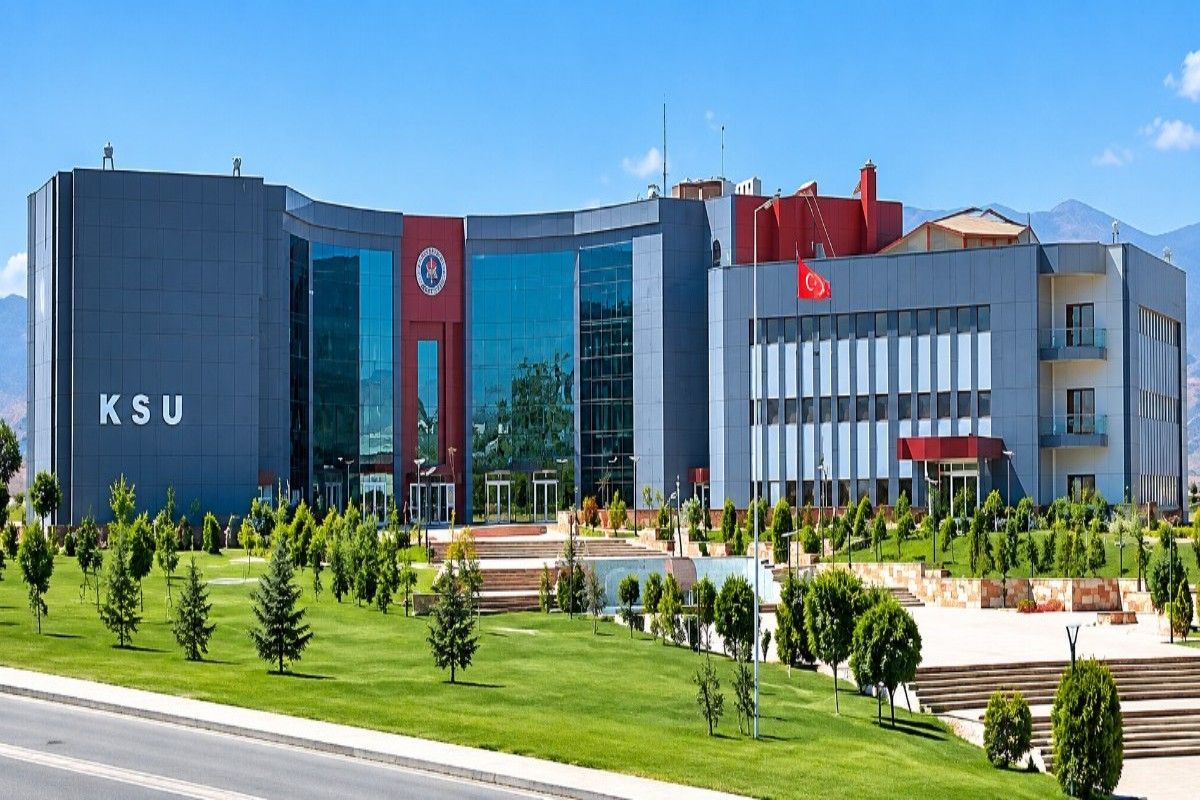
People mostly just call it KOÜ for short. It is a Turkish state university, based in Kocaeli, a genuinely major industrial city in Turkey's own Marmara region, sitting directly along the Gulf of İzmit, within easy reach of Istanbul. KOÜ comprises 32 separate faculties, reflecting a genuinely broad academic scope spanning engineering, medicine, law, humanities, and the sciences.
Here is genuinely current, specific, and directly sourced admissions data worth knowing in full. Per Turkey's own 2025 YKS national placement results, including additional placement rounds, Medicine holds KOÜ's own single highest base admission score, Taban Puan, at 497.90807, with a corresponding success ranking, Başarı Sıralaması, of 12,009, out of 32 total faculties university-wide. Applicants needed a genuinely demanding minimum of 99.75 correct TYT questions to remain competitive for this specific placement cycle, a considerably higher threshold than at several other Turkish medical faculties covered in this whole series.
A separate, closely corroborating source reports a slightly different but broadly consistent figure for the same 2025 cycle, a base score of 493.27109 with a success ranking of 13,176, specifically confirming Medicine as the university's own highest-scoring numerical, SAY, department that year. Given how closely these two independently reported figures align, applicants can treat both as genuinely reliable reference points for understanding Medicine's own considerable competitiveness at KOÜ.
Here is a genuinely useful detail worth knowing directly. Medicine holds this top position at KOÜ unambiguously, both by base score and by success ranking simultaneously, a real, verifiable distinction rather than a partial or contested claim. Dentistry and Computer Engineering follow as the university's own next most competitive programmes, while Social Work specifically registered the university's own lowest base score, at 219.05655 for the same 2025 cycle, giving a genuine sense of the considerable range in competitiveness across KOÜ's own 32 faculties.
Applicants comparing Medicine's own admission requirements to other departments at KOÜ get a genuinely clear sense of scale from these figures alone. A gap of roughly 278 points separates Medicine's own base score from Social Work's, the university's own lowest, reflecting a real, considerable range in competitiveness across KOÜ's own 32 faculties. This kind of specific, quantified comparison gives applicants a genuinely more concrete sense of just how demanding Medicine's own admissions bar actually is relative to the rest of the university, rather than a vague claim that "medicine is competitive everywhere."
KOÜ's own wider student body spans programmes across the full range of Turkey's own exam-score categories, numerical, equal-weight, verbal, and language-based, with Medicine specifically anchoring the numerical, SAY, category at the very top of the university's own entire academic offering. Teaching at KOÜ generally runs in Turkish, consistent with standard practice at Turkish state universities, though applicants should confirm current, specific provision directly for Medicine.
Kocaeli itself carries genuine, considerable economic significance within Turkey, home to a substantial concentration of the country's own heavy industry, automotive manufacturing, and petrochemical facilities, giving the wider city a real, distinctive industrial character. The city's own strategic coastal location along the Gulf of İzmit, combined with its own proximity to Istanbul, gives KOÜ's own students genuine, practical access to both a considerable regional economic centre and Turkey's own largest metropolitan area.
As with other Turkish public universities covered in comparable guides, NEET remains a genuine requirement for Indian applicants pursuing medical study in Turkey generally, and Indian graduates would still need to clear the FMGE or NExT exam to practise medicine back in India, though applicants should confirm KOÜ's own specific Faculty of Medicine admission policies and current language of instruction directly.
Applicants weighing KOÜ against other Turkish public universities covered in this whole series should note that its own genuinely demanding TYT threshold, 99.75 correct questions for the 2025 cycle, sits considerably above what several comparable Turkish medical faculties required that same year. This real, specific detail deserves direct acknowledgement, since it reflects Medicine's own genuinely intense competitiveness at KOÜ specifically, rather than a generic claim of the programme being simply "selective."
The Gulf of İzmit setting gives KOÜ's own students genuine, practical advantages beyond the university's own academic offering. The region's own considerable industrial base means graduates and students alike benefit from proximity to a genuinely large, diverse regional economy, spanning automotive manufacturing, petrochemicals, and heavy industry, alongside the wider cultural and logistical advantages of sitting within commuting distance of Istanbul, Turkey's own largest city and a major international transport hub.
Given how genuinely current and specifically documented KOÜ's own Medicine admissions data actually is, cross-confirmed across at least two independent sources reporting closely aligned figures, applicants get a considerably more concrete, reliable picture here than the generic "established in [year]" framing many comparable Turkish medical faculties rely on. This genuine specificity, combined with KOÜ's own unambiguous top academic position for Medicine and its own genuinely demanding TYT threshold, gives the university a distinctive profile worth understanding fully before applying.
Fee figures here are based on Turkey's own general public-university tuition and living-cost bands, since a specific, itemised Medicine-only fee schedule was not separately published; the concrete estimates below give applicants real, usable numbers to plan around.
Cost Item | Amount | Notes |
Tuition Fee | Approx. USD 1,500-3,000/year | Based on typical Medicine tuition bands at comparable Turkish state universities |
Hostel Fee (state KYK dormitory) | Approx. USD 500-1,200/year | Standard state dormitory rate at comparable Turkish universities |
Hostel Fee (private housing, alternative) | Approx. USD 1,000-2,000/year | Private housing typically costs more than state dormitories, especially given Kocaeli's proximity to Istanbul |
Health Insurance | Approx. USD 150-300/year | Standard SGK or private health insurance rate required for international students in Turkey |
Food/Meal Expenses | Approx. USD 150-250/month | Based on typical living costs in Kocaeli, a considerably larger, more industrialised city than Turkey's smaller provincial centres |
Total 6-Year Estimate (tuition + hostel + insurance) | Approx. USD 14,000-23,000 | Combined estimate across the full 6-year programme, based on the ranges above held stable year to year |
Note: as a Turkish state university, KOÜ's own fees are typically considerably lower than at Turkey's foundation (private) universities. Request the university's own current, official, Medicine-specific fee schedule directly for the exact current-year rate.
Why KOÜ Deserves a Harder Look, and a More Careful One
Most lists mention Kocaeli University only briefly among Turkey's many public universities. However, they do not explain how genuinely unambiguous Medicine's own top academic position actually is, or present the specific, demanding TYT threshold required for competitive placement. The reason is simple. It is about a real, specifically documented admissions story most guides skip entirely.
KOÜ's Faculty of Medicine is not like most other departments at this university when it comes to how consistently its own top position can be verified. In fact, at least two genuinely independent sources both confirm Medicine holds the university's own highest base score and best success ranking simultaneously, out of 32 total faculties. Furthermore, this level of cross-source consistency is considerably rarer than at some comparable Turkish medical faculties covered in this whole series, giving applicants an unusually reliable, verifiable admissions picture here.
The genuinely demanding TYT threshold also matters more than most guides let on. For example, most guides describing a Turkish medical faculty's own admission requirements present only a base score, without further context on just how competitive the underlying testing requirement actually is. KOÜ specifically required a minimum of 99.75 correct TYT questions for the 2025 cycle, a considerably higher, more demanding threshold than at several other Turkish medical faculties covered in this whole series. Moreover, this genuinely specific, elevated bar gives applicants a more concrete sense of just how demanding KOÜ's own Medicine admissions process actually is.
One thing most other blogs miss is Kocaeli's own genuine industrial and economic significance within Turkey. In addition to standard due diligence, the city hosts a considerable concentration of the country's own heavy industry and automotive manufacturing, giving the wider region a real, distinctive economic character beyond a simple "Turkish city" description. Since this genuinely specific regional context is directly relevant to understanding KOÜ's own setting, applicants get a considerably richer picture of student life here.