
1. Is this program taught in English?
+No. The entire curriculum runs in French, with DELF B2 minimum required and DALF C1 strongly preferred for clinical years.
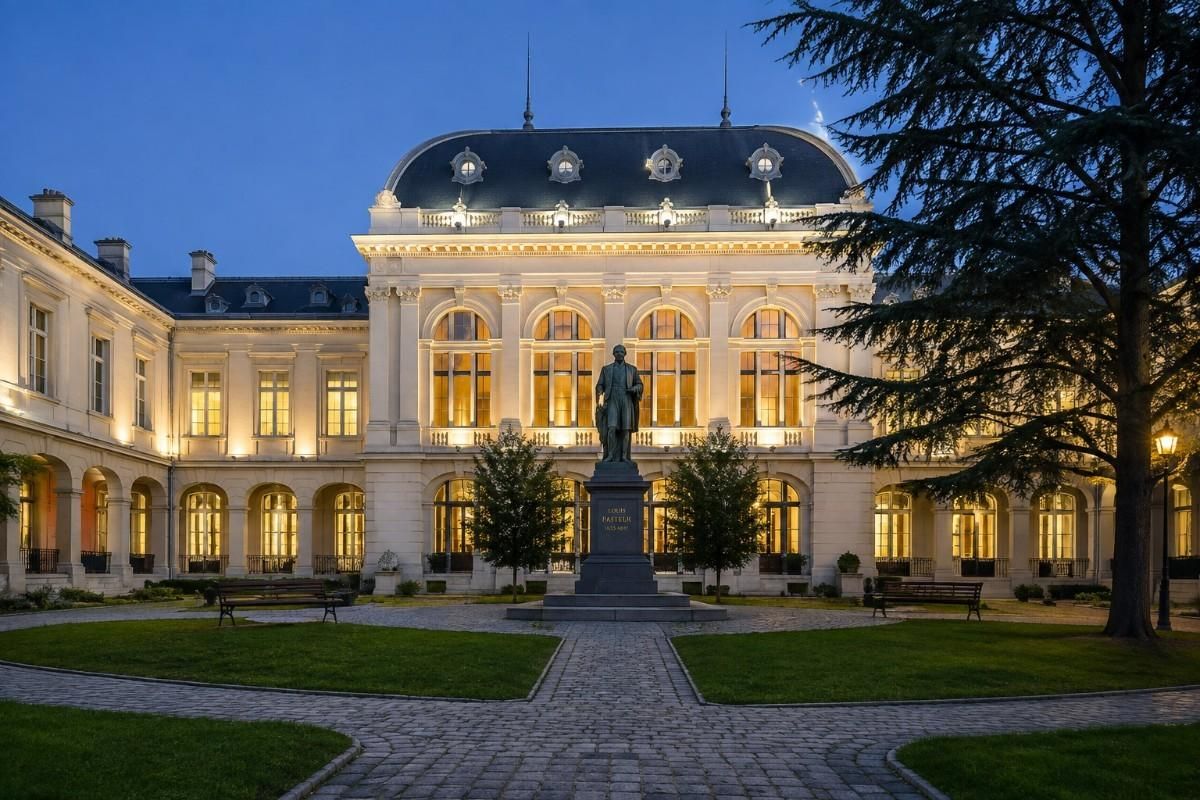
 France | Est. 1874
France | State-recognised French medical faculty; degree is the Diplôme d'État de Docteur en Médecine. Listed in the WHO/WFME World Directory of Medical Schools via FAIMER. | French only. No English-taught medical track exists. DELF B2 minimum required; DALF C1 strongly preferred for clinical y medium
Expert will call you within 2 hours
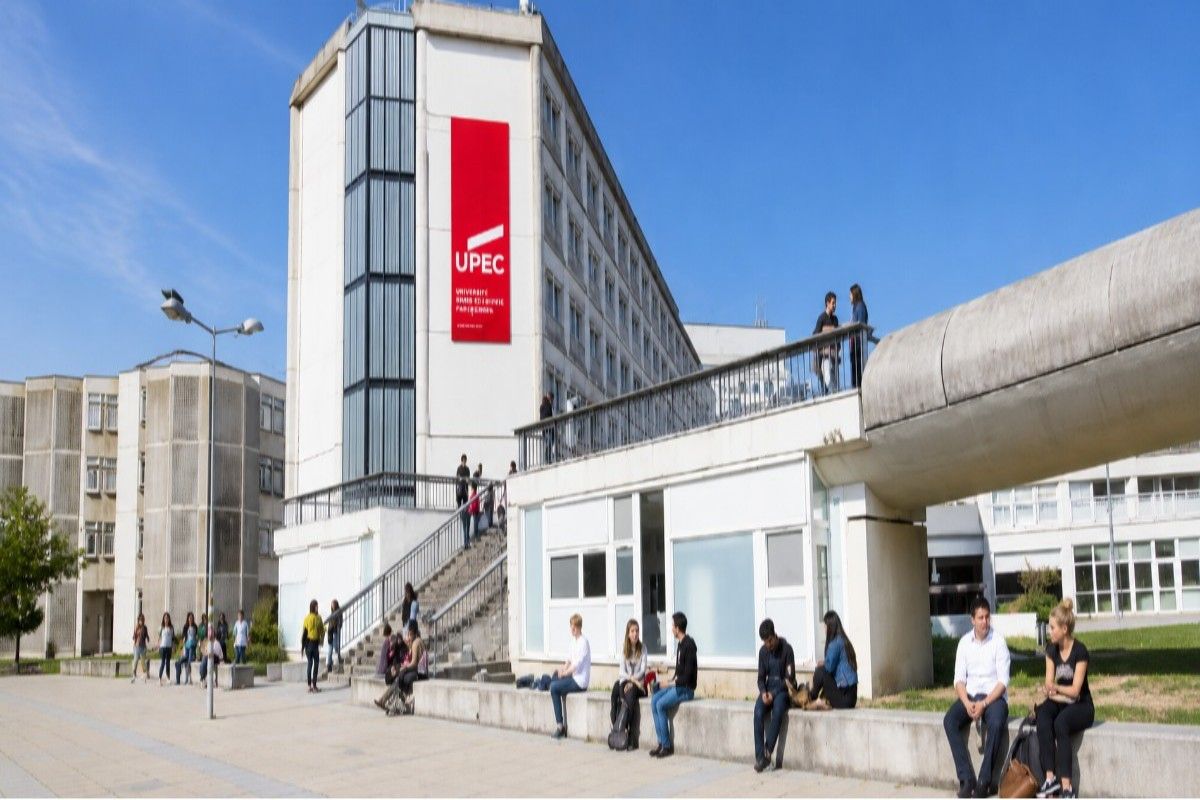
Université Claude Bernard Lyon 1 is one of three public universities in Lyon. It is home to the medical school. This university has built its reputation on science, medicine, and sports science, rather than trying to teach everything. The university took its current form in 1971, when Lyon's science faculty (which had been around since 1808) and medical faculty (which had been around since 1874) joined together. It became fully independent in January 2009 and now goes by the name of Claude Bernard, a French physiologist who worked in the 1800s and is seen by many as one of the founders of modern experimental medicine. It wasn't a random choice to name the university after him. A lot of what we teach about physiology today is based on Bernard's work on how the body controls itself from the inside, and it's clear that the university wanted that tradition to go with its name.
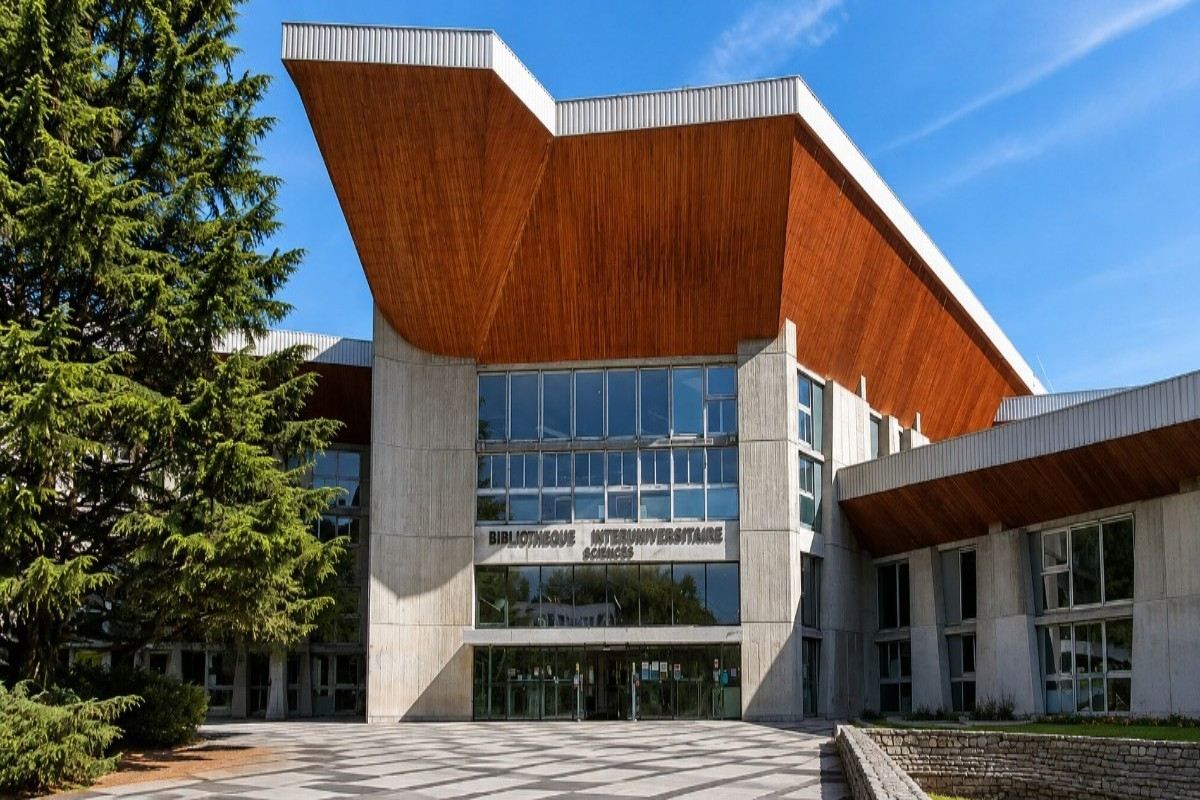
If you look at some smaller French towns, all of the medical schools are in one building or campus. But not at Lyon 1. They can live at one of four training sites, which are Lyon Est, Lyon Sud, Laennec, or Grange Blanche. Each site is connected to a different hospital group in the larger network. This profile is only about Lyon Est, which is the faculty that is most connected to the historical center of medical education in Lyon and to several of the city's largest hospital sites. Picking which of the four schools a student trains at has more to do with administrative assignment and specific program structure than with a real difference in degree quality, since all four lead to the same French medical degree that is regulated by the government.
The size of Lyon's hospital network is what really makes it stand out. The Hospices Civils de Lyon, or HCL, is one of the oldest and biggest hospital systems in France. All four of the city's medical schools connect to it. HCL has been around since 1802, making it one of the first organized public hospital bodies in France. It now runs thirteen hospital sites in the Lyon area and one more site in the south of France, with a total of 5,362 beds. The Paris hospital network, AP-HP, is the largest teaching hospital system in the country. This one is the second largest. The Center Hospitalier Lyon-Sud in HCL is known as the largest teaching hospital in the whole Rhône-Alpes region. This size means that a medical student can learn in an incredibly large number of clinical departments, specialties, and patient volumes, spread out over a real big city hospital system instead of just one smaller site.
The whole university is also pretty big. Lyon 1 has about 48,000 students enrolled across all of its schools. It also has about 2,857 academic staff, and about 700 of them work as clinicians in the affiliated teaching hospitals at any given time. This dual role of teaching and treating patients at the same time is built into the French medical education system as a whole, not just Lyon. This is important for people who want to become students to know: many of the people who teach medical students in France are also working doctors in the same hospital network where the students will eventually train.
Like all other state medical schools in France, Lyon Est's course structure is based on the model set by French law, not on a curriculum made up by the school itself. The same PASS or L.AS first-year selection process is used all over the country to get in. This is a really competitive filter year that uses test scores and class rank to decide who goes on to study medicine instead of pharmacy, dentistry, or midwifery. After this selection year, students move on to DFGSM, which lasts for about two and three years and covers basic medical science while giving students more clinical experience. From year four onward, they move on to DFASM, where hospital-based clinical rotations become the most important part of their weekly schedule. From there, students who want to specialize can join the Internet, which is France's residency system. This makes the total time spent training nine years or more before they can fully practice on their own.
Language is still the most important practical fact for any foreign student thinking about going to Lyon. From the PASS lectures in the first year to the ward rounds in the last two years of clinical school, the whole course is taught in French. There isn't a separate English-medium medical track at Lyon 1 or anywhere else in mainland France for the same reason: patient safety in a clinical setting depends on real, fluent communication, not skills learned in a classroom. Before applying, international applicants, including those from India, should usually be able to speak French at least at the DELF B2 level. By the time clinical training starts, DALF C1 is highly recommended. This isn't just a small procedure. It is the real barrier for most non-Francophone applicants, and it may be more difficult to get through than the academic entry exam itself.
Most international students apply through Campus France, which is the French government's official office for receiving applications from outside of France. The first-year PASS or L.AS selection process is run through Parcoursup, which is the same national platform that French students use. There isn't a separate quota for Indian applicants or applicants from any other country. Once they get in, all international applicants go through the same national selection process as French and EU students, though the path they take to get there depends on their nationality and the school system they went to before.
On cost, Lyon follows the same national two-tier system used across French public universities. Since 2019, non-EU, non-EEA, non-Swiss students who do not qualify for an exemption pay a differentiated tuition rate of €2,770 a year during the license cycle, rising to €3,770 a year for the master and doctoral cycles that follow. Universities retain the discretion to exempt individual students or entire cohorts from this higher rate, charging the same low national fee that EU students pay instead, historically around €170 to €380 a year depending on the cycle. Whether Lyon 1 applies the differentiated rate or an exemption in any given year is a detail that shifts by policy and by intake, so this is genuinely worth confirming directly with the university's international admissions office rather than assuming either figure by default.
Living costs in Lyon sit somewhere between Paris's high cost of living and the more modest costs of smaller French cities. It is France's third-largest city, with a large, well-established student population and good public transport connections across its various campus sites. Student housing runs through CROUS, France's national student housing body, alongside a substantial private rental market, and CROUS-run canteens offer subsidised meals at a few euros each, a genuinely useful cost saver over six or more years of study. For a student prepared to commit to French-language medical training, Lyon offers access to one of the largest and most historically significant hospital networks in the country, backed by a university built specifically around science and medicine as its core identity.
No hidden charges, no donation. The full picture of costs at MBBS in Faculté de Médecine Lyon Est Université Claude Bernard Lyon.
Tuition Fee
Two-tier system for non-EU students. Standard national rate (if exempted): approx. €170-380/year (~USD 184-410; ~INR 0.16-0.36 lakh).
USD 2,992 INR 2.60 lakh
Hostel Fee
CROUS student housing typically runs €280-380/month (~USD 3,629-4,925/year; ~INR 3.16-4.28 lakh/year),
USD 4,200 INR 3.65 lakh
Food & Meals
USD 2,900 INR 2.52 lakh
per month
Insurance
USD 220 INR 0.19 lakh
per year
Donation
No Donation
No Hidden Fee
Total Estimated Cost
USD 10,310 (~INR 8.96 lakh) USD 98,000-115,000 (~INR 85.20-100.05 lakh)
6 yera
25–35%
Average FMGE first-attempt pass rates for students from many overseas medical universities. Students from structured programs consistently score higher.
Students returning to India need to clear the FMGE/NExT exam. MBBS in Faculté de Médecine Lyon Est Université Claude Bernard Lyon integrates exam-oriented coaching into the regular curriculum so students are prepared from day one.
A structured program that takes you from foundational sciences to clinical mastery.
Competes for entrance to medical school through completion of the national health access pathway (PASS or L.AS).
Biology, Chemistry, Physics, Biostatistics, Public Health, Medical Ethics, Health Sciences
Establishes the basis of science in medicine and early experience in hospitals, anatomy, histology, and clinical skills.
Human Anatomy, Histology, Physiology, Biochemistry, Genetics, Immunology, Medical Imaging, Blood & Immunology
Introduces the pathophysiology of diseases, system medicine, pharmacology, and organized clinical training with placements in hospitals.
Pathology, Pharmacology, Microbiology, Cardiovascular System, Respiratory System, Digestive System, Nephrology, Gynecology & Reproduction, Medical English, Clinical Semiology
Students start the, which involves lectures and clinical training in the hospital.
Internal Medicine, General Surgery, Cardiology, Pulmonology, Gastroenterology, Pediatrics, Obstetrics & Gynecology
Focuses on development of advanced reasoning, multidisciplinary care of patients, and clinical rotations.
Neurology, Psychiatry, Oncology, Infectious Diseases, Emergency Medicine, Family Medicine, Dermatology
Clinical rotations only, and preparation for **Épreuves Dématérialisées Nationales (EDN) and*ECOS examinations
Emergency Medicine, Intensive Care, Community Medicine, Elective Rotations, Clinical Internship, EDN Preparation
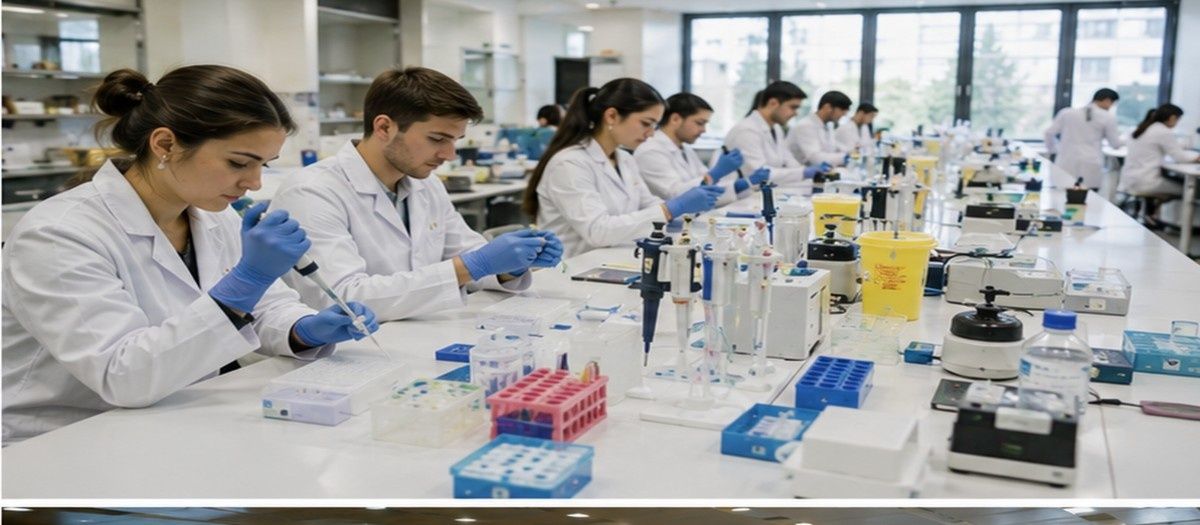

Furnished hostel rooms with Wi-Fi, laundry, 24/7 security, and Indian mess on or near campus.
Indian restaurants and mess facilities serving vegetarian and non-vegetarian home-style food daily.
Strong Indian community with cultural events, festival celebrations, and peer support groups.
Students get hands-on clinical training in government and private hospitals affiliated with the university.
Practical information for students planning to study at MBBS in Faculté de Médecine Lyon Est Université Claude Bernard Lyon.
Prepare for all seasons. Thermal wear for winters, light clothing for summers. University provides heating in hostels.
Student visa processed with university invitation letter. Direct and connecting flights from major Indian cities.
Health insurance included in fees. Medical facility on campus plus city hospitals easily accessible.
Local SIM cards available. WhatsApp and video calls keep you connected with family back home.
Average monthly expenses of $150–$250 covering food, transport, and personal needs.
University library, online databases, and study groups. Seniors mentor juniors through academic challenges.
Our team guides you through every step — from application to arriving on campus.
Compare on post-reform fees, city cost of living, QS ranking, and, specifically for France, the FMGL language-of-instruction question, not on rankings or advertised low fees alone.
Start DELF/TCF B2 preparation 12–18 months before your intended application. This is the step every other MBBS-abroad admission process skips, and it’s the one that determines whether the rest of this process even works for you.
Submit academic transcripts, NEET scorecard, DELF/TCF certificate, SOP, and LORs through the appropriate platform for your intended program level.
Complete the mandatory Campus France file and interview, a genuine assessment of academic and linguistic readiness, not a rubber-stamp step.
The university’s international admissions office verifies submitted documents and, where relevant, PASS/L AS eligibility
Timelines vary by platform; Parcoursup decisions for a September intake typically arrive in phases between May and July.
Apply at the French Consulate covering your region after a successful Campus France interview; the realistic processing time is 2–4 weeks.
In the final 30 days: finalise documents, arrange winter clothing, book flights, arrange currency exchange, and confirm CROUS or private housing in writing.
Complete OFII registration within the first months of arrival to validate your long-stay visa as a residence permit. Universities generally guide incoming batches through this during orientation.
Open a French bank account, get a local SIM, register for CAF housing assistance if eligible, attend orientation sessions, and begin building your study routine and connections with the local Indian student community.
Admission Helpline — Contact our counsellors for step-by-step assistance.
“The faculty here is incredibly supportive. The clinical training during hospital rotations has given me real confidence in patient care.”
“Affordable fees without compromising on quality. The campus facilities and hostel life made my transition abroad very smooth.”
“English medium instruction and WHO-recognized curriculum were the deciding factors for me. No regrets so far — excellent experience overall.”
“The university helped with everything from visa to accommodation. Hospital exposure from year three has been invaluable for my FMGE prep.”
“Just cleared my licensing exam on the first attempt. The structured coaching and mock exams during final year were a game-changer.”
“Safe campus, good food options, and a strong Indian student community. The teaching methodology is very practical and hands-on.”
No. The entire curriculum runs in French, with DELF B2 minimum required and DALF C1 strongly preferred for clinical years.
Yes, the PASS or L.AS first year acts as a highly competitive national selection filter.
€170-380/year if exempted to the standard national rate, or €2,770-3,770/year under the differentiated non-EU rate. Confirm current policy directly with the university.
Yes, as per National Medical Commission rules for studying medicine abroad.
Its affiliation with the Hospices Civils de Lyon, France's second-largest teaching hospital network, spanning 13+ sites and over 5,000 beds.
Across the HCL network, including the Centre Hospitalier Lyon-Sud, the largest teaching hospital in the Rhône-Alpes region.
Typically 9+ years from first-year PASS/L.AS through residency.
Yes, listed via FAIMER in the WHO's World Directory of Medical Schools, and automatically recognised across the EU.
No. Student accommodation is not guaranteed. Students may apply to live in CROUS (Centres Régionaux des Œuvres Universitaires et Scolaires) residences but rooms are allocated on a first come first served basis. Many international students choose to live in private apartments or shared accommodation in Lyon.
Yes. International students with a valid French student visa are normally allowed to work up to 964 hours per year (around 20 hours per week in term time), subject to the latest French immigration and employment regulations.
Our expert counsellors will guide you through the complete admission process — from documents to airport pickup.