
When was Manila Theological College's College of Medicine established?
+The parent institution was founded in 1993; the College of Medicine's own specific founding date is not consistently published in available sources.
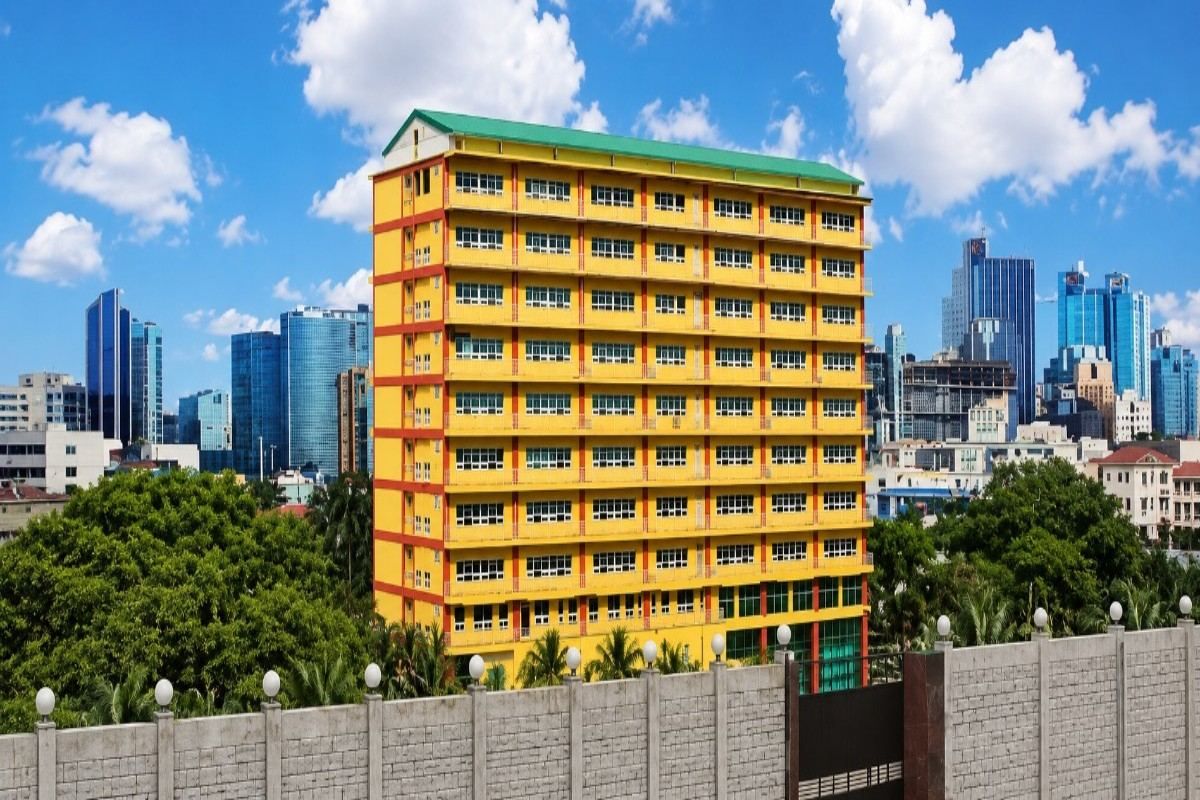
 Philippines | Est. 1993
Philippines | Recognised by the Philippine Commission on Higher Education (CHED) and listed in the World Directory of Medical Schools (WDOMS) under FAIMER School ID F0008048 | English medium
Expert will call you within 2 hours
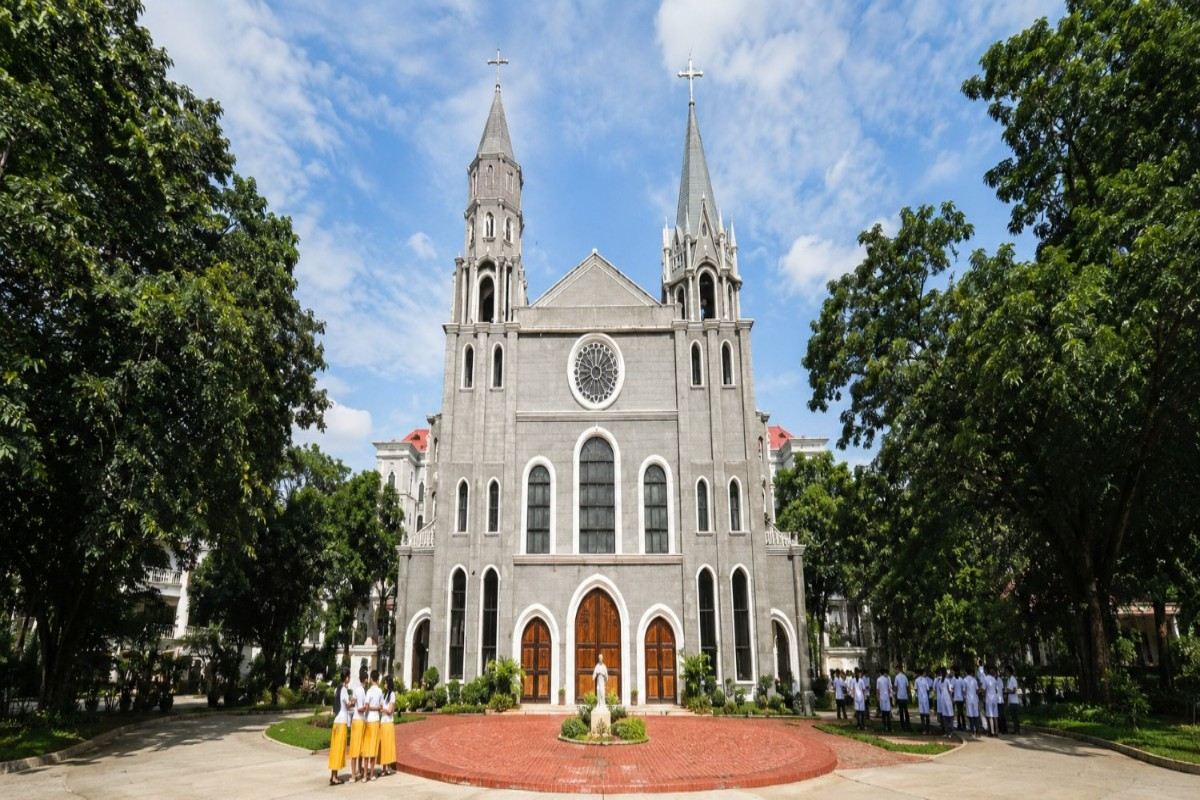
People mostly just call it MTC for short. Its origins are genuinely specific and personal: the parent institution was founded in 1993, following what its own history describes as a long, four-year missionary journey undertaken by Rev. Paulino C. Choi, Ph.D., who had been sent to the Philippines by the Reformed Presbyterian church. Before taking its current name, the college was originally called the United Asian Missionary, and it was built specifically to provide theological training for Christian workers. So, this institution's founding traces to a documented individual mission, not an anonymous corporate or government decision.
Here's a fact most guides skip entirely, and it's worth flagging honestly rather than glossing over. MTC is formally recognised by the Philippines' Commission on Higher Education, CHEd, and is registered with the country's Securities and Exchange Commission, yet despite its name and clear Christian institutional roots, it's specifically classified as a non-sectarian school. So, applicants shouldn't assume this label means the college has no religious character; rather, it reflects a specific regulatory classification alongside a genuinely faith-influenced educational mission.
MTC's College of Medicine describes its own vision as aspiring to become the premiere Christian medical institution in Asia, training physicians who understand their professional roles not just as healthcare providers, but as researchers, teachers, managers, and social mobilisers responding to the evolving needs of society and health systems. This values-driven, community-oriented framing genuinely sets it apart from medical schools that market themselves primarily around hospital volume, research output, or highly competitive specialisation tracks.
The wider Manila Theological College also runs undergraduate programmes in Christian education, theology, social work and welfare, and biology, alongside Master's degrees in theology, Christian education, divinity, and ministry, and a Doctorate in theology and religion. Notably, holders of a BS Theology or BS Biology degree from MTC itself are specifically named as eligible to proceed directly into the college's own Para-Medicine or Doctor of Medicine pathway, suggesting a built-in, internally structured route from MTC's own undergraduate programmes into its medical school, rather than relying purely on external pre-medicine applicants.
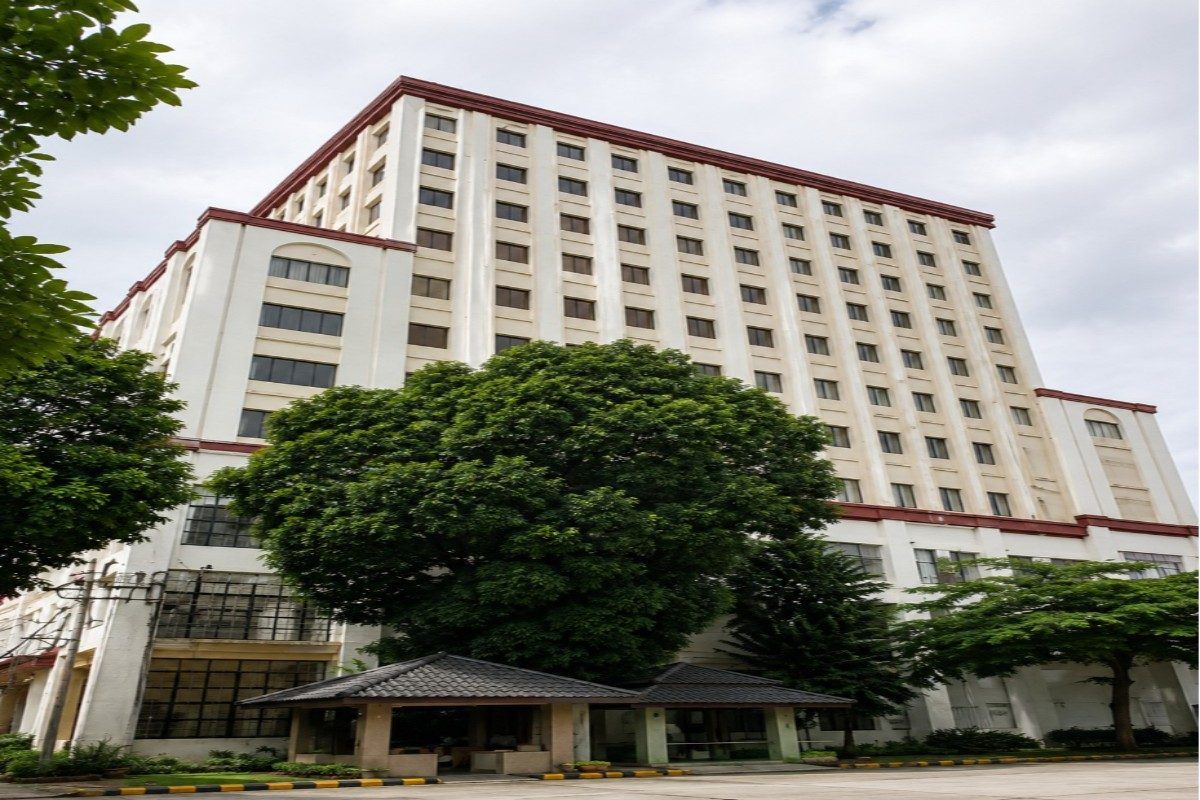
MTC's College of Medicine operates from a multi-storey building in Manila, with facilities described on the college's own materials as including a library with more than 200 seats, a dedicated cyber library, a media system room built for a more technological approach to teaching and reporting, a gymnasium located on the ninth floor, fully air-conditioned lecture rooms, newly acquired laboratory equipment, and an on-site canteen.
Here's a genuine information gap worth stating plainly rather than working around. Unlike most other medical colleges covered in comparable guides, no specific named affiliated or teaching hospital for MTC's College of Medicine appears in the publicly available sources reviewed for this profile. So, applicants seriously considering MTC should treat confirming the exact hospital partnerships used for clinical training as an essential, non-negotiable step before applying, rather than assuming a specific arrangement exists.
The Doctor of Medicine programme at MTC follows the Philippines' broader national medical education structure, which generally splits into a pre-medicine bachelor's degree, commonly a four-year BS Biology or equivalent, before applicants can move into the Doctor of Medicine proper, itself typically running around four years, followed by a compulsory one-year internship. As noted above, MTC specifically allows its own BS Theology or BS Biology graduates a direct pathway into this medical track, though the exact combined duration and any bridging requirements for external applicants should be confirmed directly with the college, since this level of detail isn't consistently published in the sources reviewed.
Admission generally follows the standard pattern used across Philippine medical schools: applicants complete required documentation and certificates, sit an entrance examination and interview, and, if accepted, sign a formal memorandum of agreement with the college. For applicants from outside the Philippines specifically, MTC's own materials describe additional document requirements, including a birth certificate authenticated by the Philippine Foreign Service Post in the applicant's country of origin, a similarly authenticated police clearance certificate, National Bureau of Investigation clearance, a valid passport, and a medical certificate. Most Philippine medical schools also require the National Medical Admission Test, NMAT, as part of the broader national admissions framework, though MTC-specific NMAT requirements aren't separately detailed in available sources, so applicants should confirm this directly.
Fee figures here represent a genuine, honest gap in publicly available information, and it's worth being upfront about this rather than presenting a false sense of certainty. MTC's own promotional materials describe its tuition as affordable, but no specific, confirmed annual or total fee figure for the College of Medicine specifically was found in the sources reviewed for this profile. For general context only, private Philippine medical schools broadly are reported to charge somewhere between roughly PHP 150,000 and 300,000 a year, working out to a total of roughly PHP 600,000 to 1,200,000 across four years of MD proper, though this figure reflects the wider Philippine private medical education sector generally, not a confirmed MTC-specific rate. Applicants should request a clear, itemised fee breakdown directly from MTC before making any financial decisions.
MTC does state that scholarship and financial aid programmes are available to qualified students, though specific eligibility criteria, award amounts, and the number of available slots aren't detailed in the sources reviewed. NEET remains a genuine requirement for Indian applicants here, exactly as it does for MBBS study in most other countries, and Indian graduates would still need to clear the FMGE or NExT exam to practise medicine back in India, alongside the Philippines' own Physician Licensure Examination if choosing to practise there first.
Parameter | Details |
Established | Parent institution founded 1993 (originally as United Asian Missionary); the College of Medicine's own specific founding year is not consistently published |
Institution Type | Private, CHED-accredited, non-sectarian college with Christian institutional roots |
Location | Manila, Philippines |
Doctor of Medicine (MD), equivalent to MBBS | |
Duration | Standard Philippine structure: approx. 4 years of MD proper following a pre-medicine bachelor's degree, plus a 1-year internship; confirm the exact structure directly, since specific published details for MTC are limited |
Medium of Instruction | English |
Foreign Quota Note | NEET required for Indian applicants; specific published detail on MTC's international admissions process is limited compared to larger Philippine medical schools |
Teaching Hospital | No specific affiliated or teaching hospital is named in publicly available sources; confirm this directly with the college before applying |
Fee Component | Amount | Notes |
Annual Tuition (MTC-specific) | Not consistently published | MTC's own materials describe tuition as "affordable" but do not state a specific confirmed figure in available sources |
Annual Tuition (general Philippine private MD reference range) | Approx. PHP 150,000 to 300,000 per year (roughly USD 2,600 to 5,250) | A general range reported for private Philippine medical schools broadly; not confirmed as MTC's own specific rate |
Total Tuition (4-year MD proper, general reference range) | Approx. PHP 600,000 to 1,200,000 (roughly USD 10,500 to 21,000) | General Philippine private-school reference figure; treat as indicative only, not MTC-confirmed |
Additional Fees | Laboratory fees, uniforms, instruments (e.g. stethoscope), books, and digital learning tools | Specific amounts not published; request an itemised breakdown directly from MTC |
Scholarships | MTC states scholarship and financial aid programmes are available | Specific eligibility, amounts, and number of slots are not detailed in available sources |
Most rival pages describing smaller medical colleges give a bare founding year and nothing more. MTC's own origin traces to a specific, named missionary, Rev. Paulino C. Choi, and a documented four-year journey before the college's 1993 founding. So, this institution's roots are genuinely more personal and specific than a generic corporate founding story.
Most guides describe pre-medicine and medical school as entirely separate steps, often at different institutions. MTC specifically names its own BS Theology and BS Biology graduates as eligible to proceed directly into its Para-Medicine or Doctor of Medicine pathway. So, there's a genuine, built-in institutional pipeline here, worth understanding if you're considering MTC's undergraduate programmes with medicine as an eventual goal.
Be very upfront about the real gaps here, because they're genuinely significant. Unlike most other medical colleges covered in comparable guides, no specific tuition figure, no named affiliated teaching hospital, and no clearly published College of Medicine founding date could be confirmed from the sources reviewed for this profile. This doesn't necessarily mean the college lacks these things; it means the information simply isn't consistently available publicly in the way it is for larger, more established Philippine medical schools. Given this, MTC should be approached with considerably more direct due diligence than most other institutions in this series.
So, who fits here best? Applicants drawn to a genuinely values-driven, community-oriented medical education, and comfortable doing substantial direct research and verification before committing, given the real gaps in publicly available information, may find MTC worth exploring further. Applicants who need fully confirmed fee figures, named teaching hospital partnerships, and an established public track record before applying should treat this college with real caution until those specifics are confirmed directly. Still, the college's genuinely documented founding mission and its distinctive internal pathway from its own undergraduate programmes are real, if narrowly documented, points of interest.
No hidden charges, no donation. The full picture of costs at MBBS in Manila Theological College of Medicine.
Tuition Fee
PHP 200,000–250,000 per year (around ₹3.1–3.9 lakh),
PHP 200,000–250,000 per year,
Hostel Fee
PHP 72,000–180,000 annually (around ₹1.1–2.8 lakh)
PHP 6,000–15,000 per month
Food & Meals
PHP 6,000–10,000 per month or PHP 72,000–120,000 annually (around ₹1.1–1.9 lakh)
per month
Insurance
PHP 5,000–10,000 per year (around ₹8,000–16,000).
per year
Donation
No donation
No hideen fees
Total Estimated Cost
PHP 349,000–560,000 per year (around ₹5.4–8.8 lakh)
4-year
25–35%
Average FMGE first-attempt pass rates for students from many overseas medical universities. Students from structured programs consistently score higher.
Students returning to India need to clear the FMGE/NExT exam. MBBS in Manila Theological College of Medicine integrates exam-oriented coaching into the regular curriculum so students are prepared from day one.
A structured program that takes you from foundational sciences to clinical mastery.
MTC's own BS Theology and BS Biology graduates have a stated, direct pathway into the college's medical track.
Typically a four-year bachelor's degree, such as BS Biology, providing the scientific foundation before MD study begins.
Uses the college's laboratory facilities and newly acquired equipment.
Covers Anatomy, Physiology, and Biochemistry, forming the scientific foundation for everything that follows.
Reflects the college's stated community-oriented, values-driven approach to clinical training.
Covers Medicine, Surgery, and allied clinical subjects; specific named teaching hospital arrangements should be confirmed directly.
Interns rotate through clinical departments before receiving the final degree and pursuing licensure.
A compulsory internship year follows completion of the MD proper, matching the Philippines' standard medical education structure.
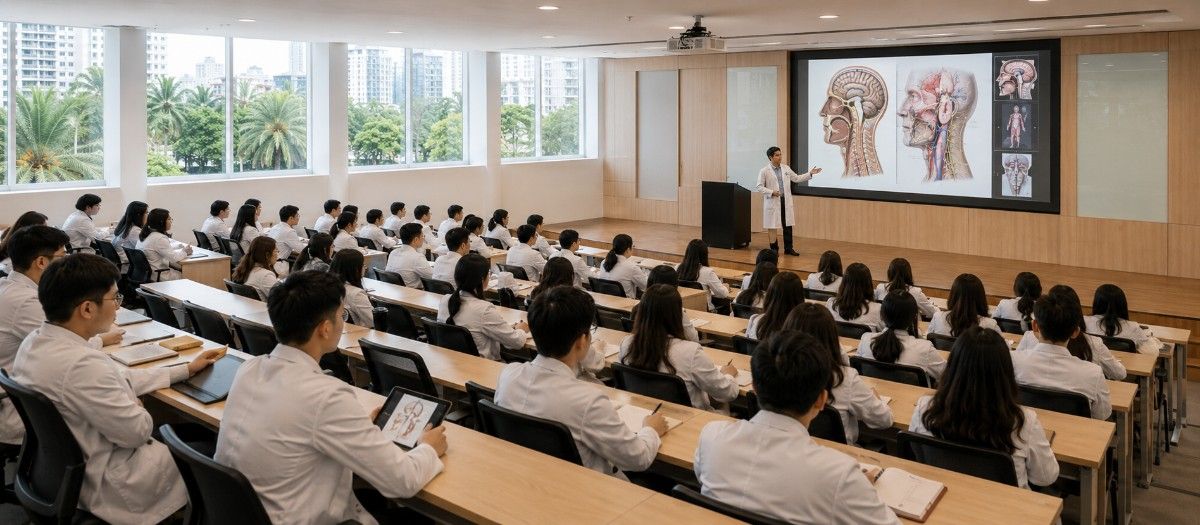
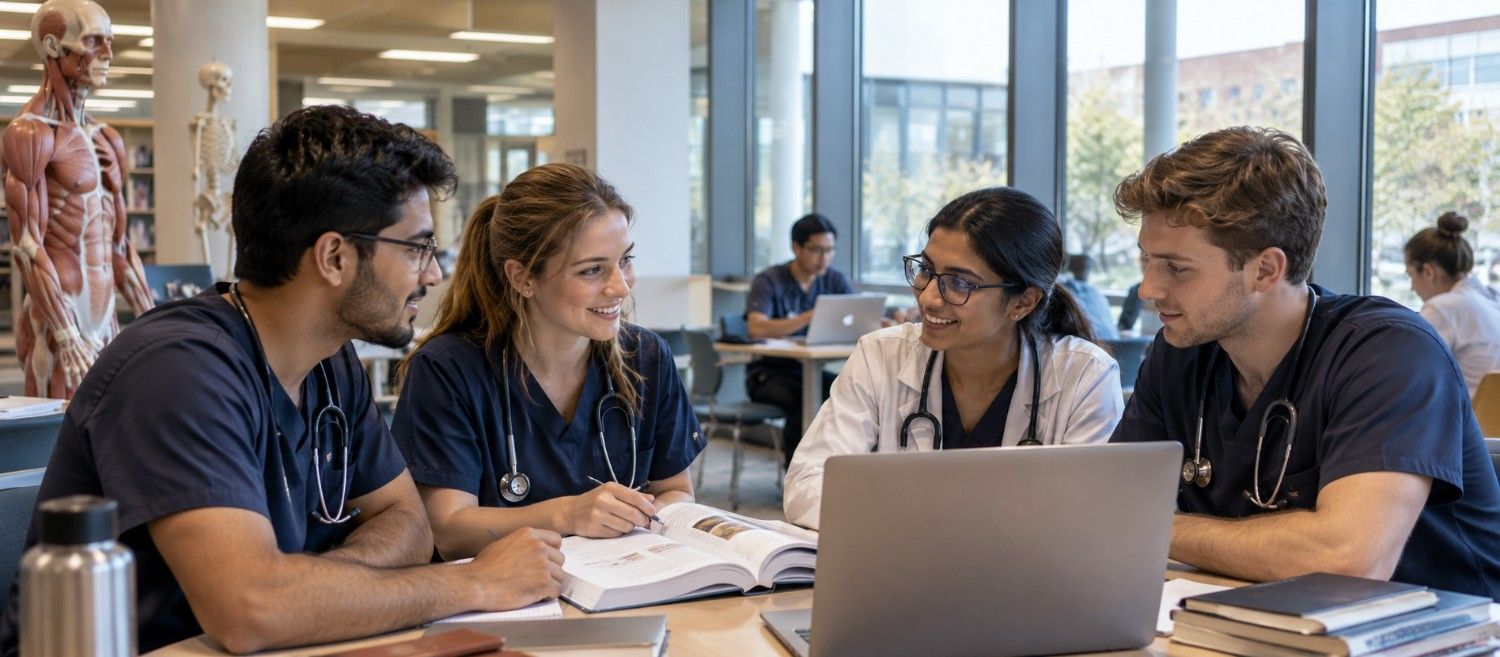
Furnished hostel rooms with Wi-Fi, laundry, 24/7 security, and Indian mess on or near campus.
Indian restaurants and mess facilities serving vegetarian and non-vegetarian home-style food daily.
Strong Indian community with cultural events, festival celebrations, and peer support groups.
Students get hands-on clinical training in government and private hospitals affiliated with the university.
Practical information for students planning to study at MBBS in Manila Theological College of Medicine.
Prepare for all seasons. Thermal wear for winters, light clothing for summers. University provides heating in hostels.
Student visa processed with university invitation letter. Direct and connecting flights from major Indian cities.
Health insurance included in fees. Medical facility on campus plus city hospitals easily accessible.
Local SIM cards available. WhatsApp and video calls keep you connected with family back home.
Average monthly expenses of $150–$250 covering food, transport, and personal needs.
University library, online databases, and study groups. Seniors mentor juniors through academic challenges.
Our team guides you through every step — from application to arriving on campus.
The first step is to have a free phone counselling session. This is not a sales promotion or sales pitch. Here, we analyse all the universities mentioned side by side. We go through FMGE rates, total fees, city life, and whether the USMLE or NExT path better suits your goals. Most students walk out of this call with a clear first choice and a backup.
Once you pick a university, we will hand you a Philippines-specific document checklist. It is not a generic list. Every item on it is there for a reason, either for the university application, the 9(f) visa conversion, or the ACR I-Card registration. We check everything before a single paper goes anywhere.
Your application goes directly to the university through our partner channel. Most students get an acceptance letter within 10 to 21 days. However, December intake applications move faster than June ones, so timing matters. We follow up on all applications and will be in touch if there is any delay.
Once you receive your offer letter, we will have an in-depth discussion with you on the fees charged. The first instalment of fees will be deposited without any ambiguity. What you pay, when you pay, and what it covers, all of it is clear before any money moves.
Indian students do not need a pre-departure visa for the Philippines. You enter visa-free for 30 days. However, the 9(f) Student Visa conversion must start within the first week of arrival; it is time-sensitive. We also advise on the best flight route, whether Cebu or Manila, depending on your university.
About a week before you fly, we do a full pre-departure briefing. We cover accommodation options, campus location, Indian food sources near your university, how to transfer money from India, which SIM card to buy, and what the first week on campus actually looks like—students who attend this briefing land in the Philippines significantly less stressed than those who skip it.
On arrival day, our local team in the Philippines meets you at the airport, whether in Cebu or Manila. You are not landing in a new country alone. Someone who knows the ground is there from the first minute.
Within the first week, the 9(f) visa conversion process starts. Our team submits your documents to the Bureau of Immigration and closely tracks your application. The ACR I-Card, your official alien registration card, is processed at the same time. This step is strictly managed because delays here cause real problems later.
By the end of Week 2, your university enrollment is complete, your hostel room is confirmed, and your BS pre-medical orientation is done. You know your timetable, your faculty, and where everything is. Furthermore, our team has already flagged your NMAT preparation schedule, so there will be no surprises at the bridge stage.
After enrollment, our on-the-ground team in the Philippines stays in contact throughout all six years. If there is a university issue, a hostel problem, a visa renewal, or a health concern, there is a local contact to call. Moreover, from Year 3 onward, our FMGE and USMLE coaching track begins, because academic support does not stop at the airport.
Admission Helpline — Contact our counsellors for step-by-step assistance.
“The faculty here is incredibly supportive. The clinical training during hospital rotations has given me real confidence in patient care.”
“Affordable fees without compromising on quality. The campus facilities and hostel life made my transition abroad very smooth.”
“English medium instruction and WHO-recognized curriculum were the deciding factors for me. No regrets so far — excellent experience overall.”
“The university helped with everything from visa to accommodation. Hospital exposure from year three has been invaluable for my FMGE prep.”
“Just cleared my licensing exam on the first attempt. The structured coaching and mock exams during final year were a game-changer.”
“Safe campus, good food options, and a strong Indian student community. The teaching methodology is very practical and hands-on.”
The parent institution was founded in 1993; the College of Medicine's own specific founding date is not consistently published in available sources.
MTC's own specific tuition figures are not consistently published; general Philippine private medical school rates run roughly PHP 150,000 to 300,000 a year, but this isn't confirmed as MTC's own rate.
Yes, English is the standard medium of instruction across Philippine medical education, including at MTC.
Yes, a valid, qualifying NEET score is required for Indian applicants under India's own national rules.
No specific named affiliated teaching hospital was found in the sources reviewed; confirm this directly with MTC before applying.
It generally follows the Philippines' standard structure of a pre-medicine bachelor's degree, MD proper, and a one-year internship; MTC's exact combined duration should be confirmed directly.
It has clear Christian institutional roots and a values-driven mission, though it's formally classified as a non-sectarian school.
Yes, BS Theology and BS Biology graduates from MTC are specifically named as eligible for a direct pathway into the college's Para-Medicine or Doctor of Medicine track.
An authenticated birth certificate and police clearance certificate from your country of origin, NBI clearance, a valid passport, and a medical certificate.
MTC states that scholarship and financial aid programmes exist for qualified students, though specific eligibility and amounts aren't detailed in available sources.
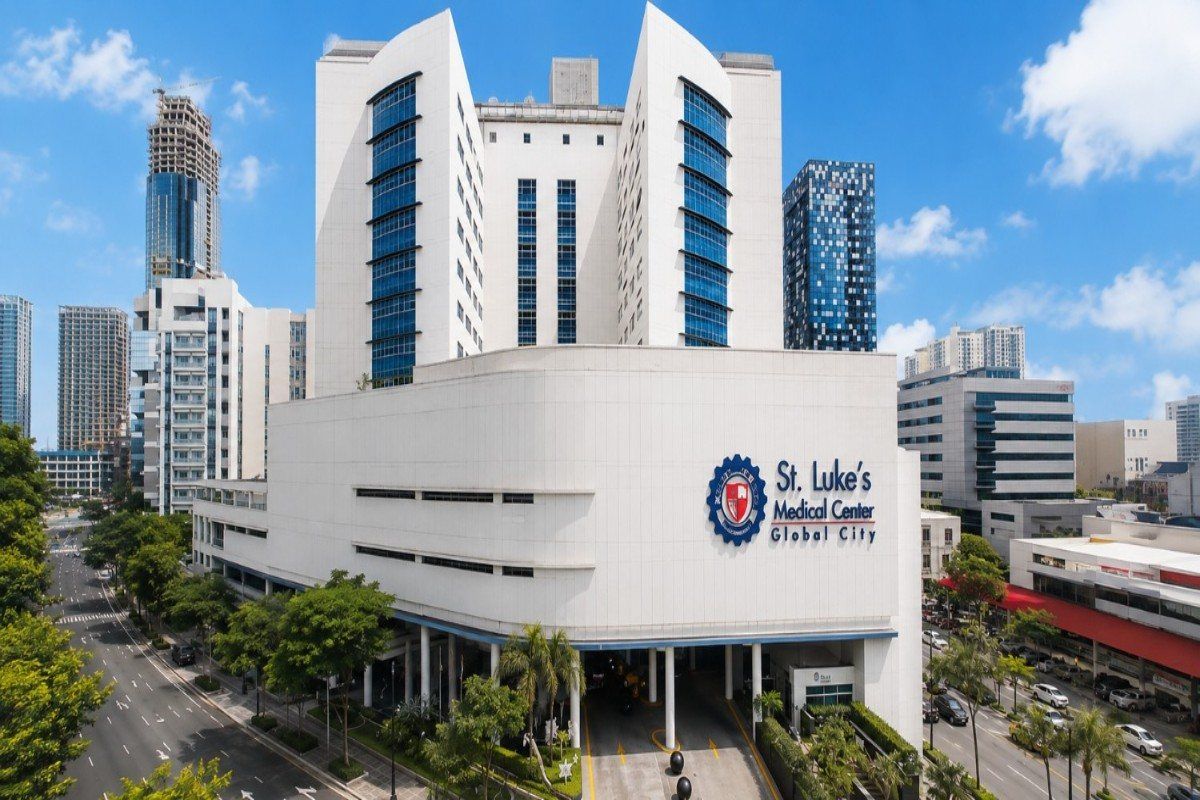
Our expert counsellors will guide you through the complete admission process — from documents to airport pickup.