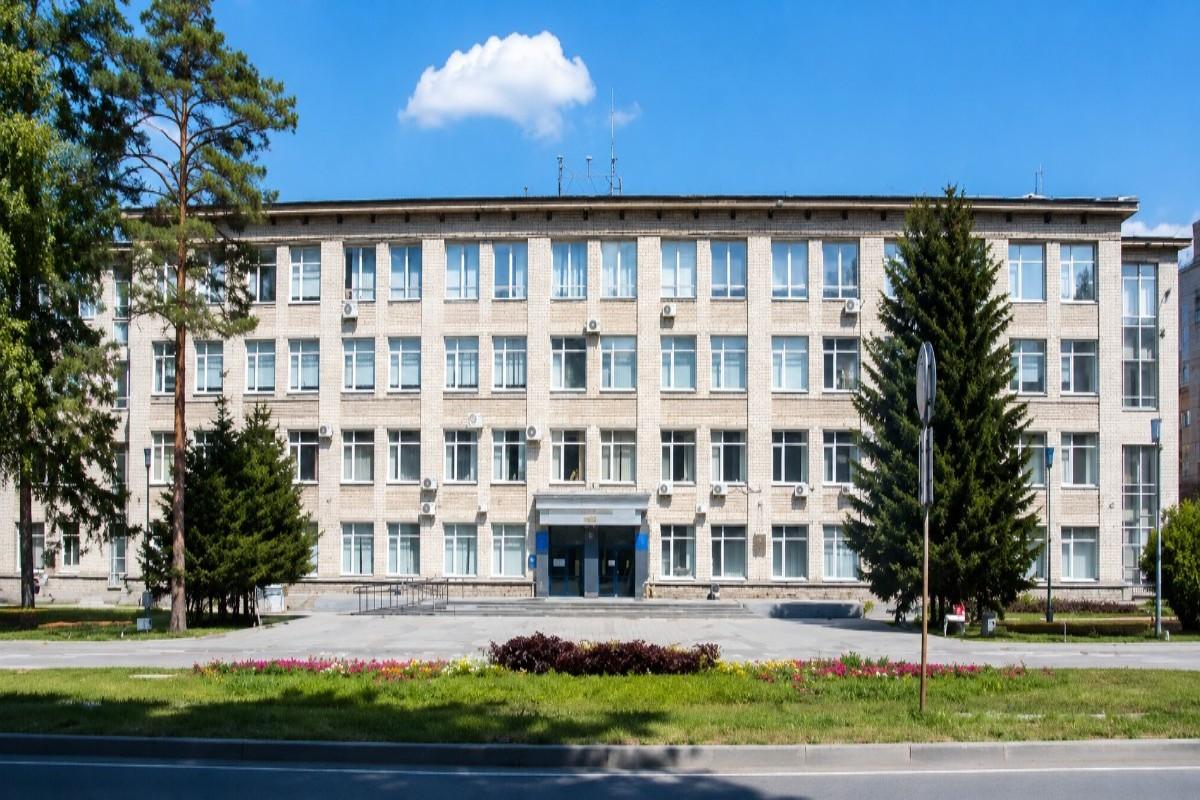
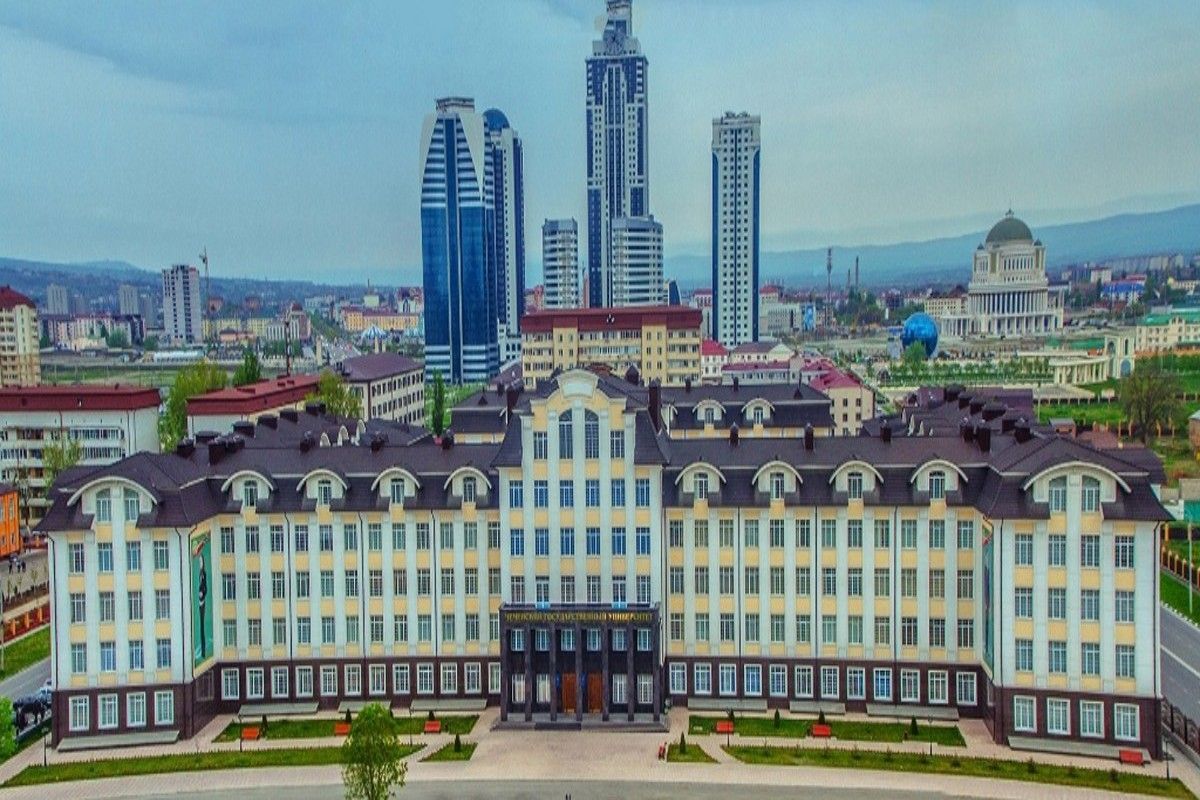
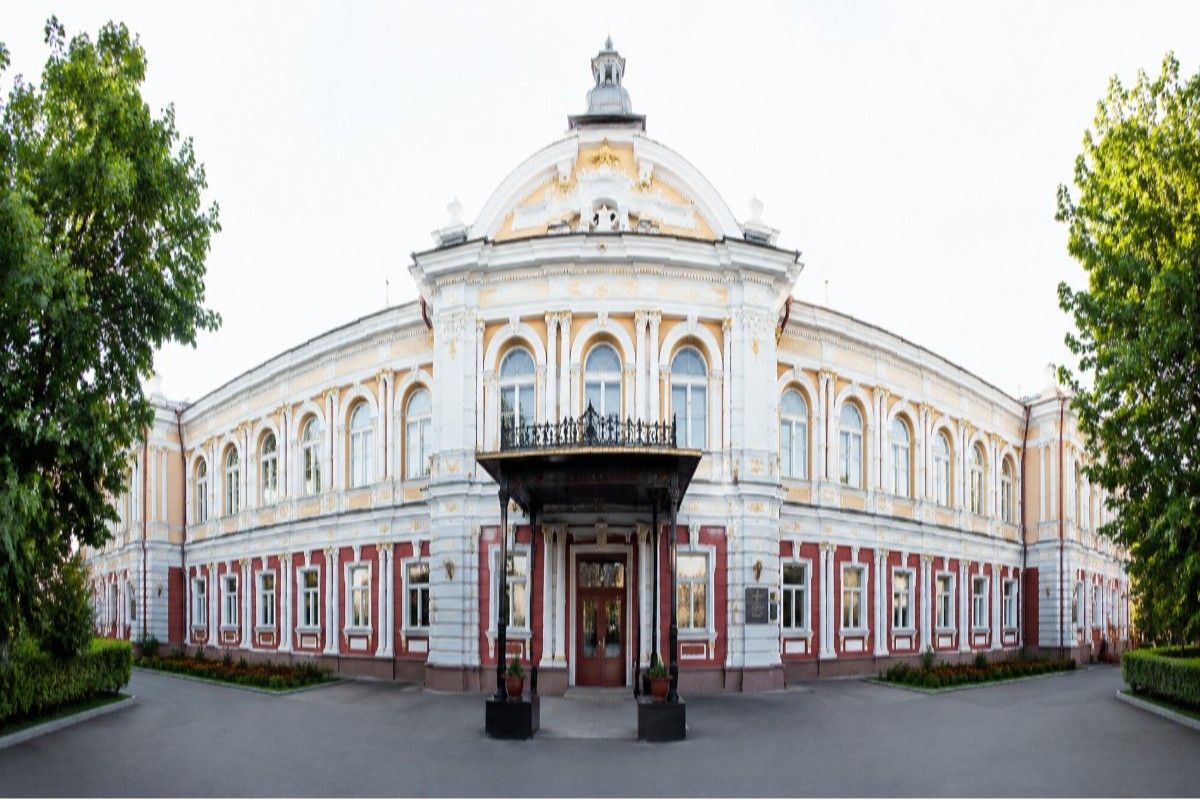
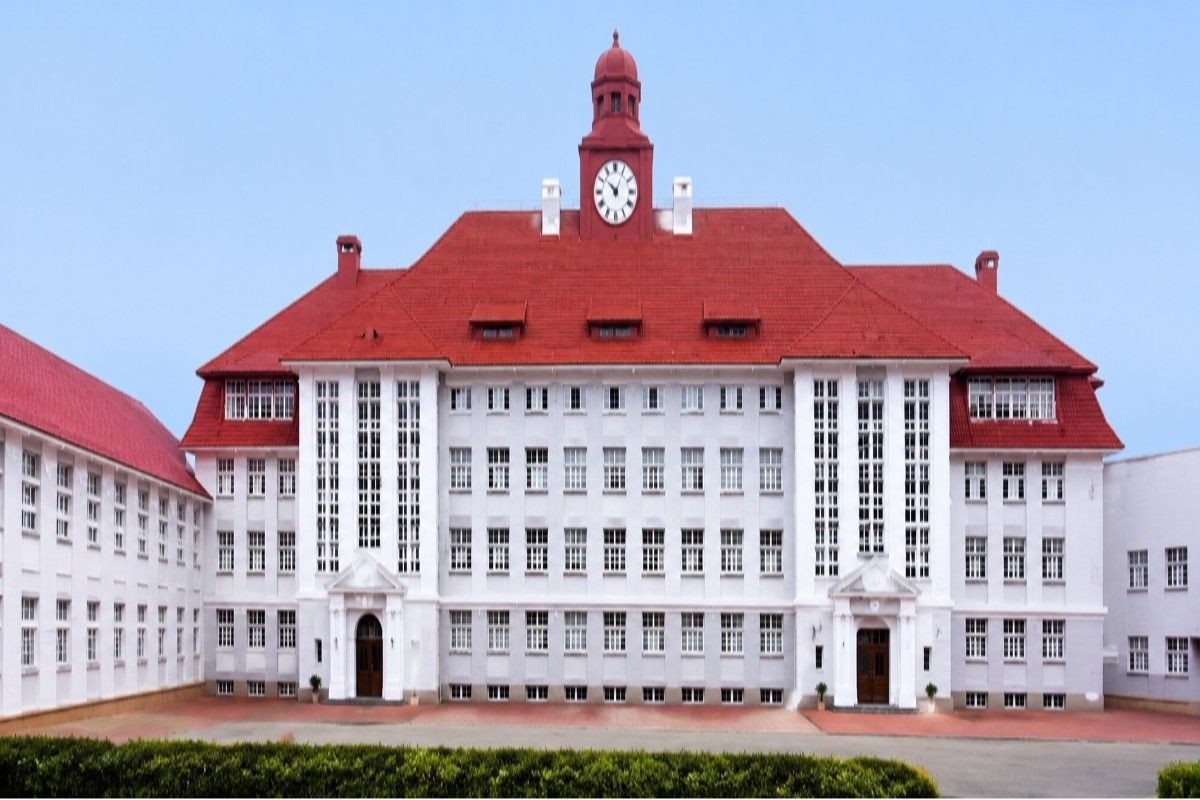
Novosibirsk State Medical University is one of the oldest and most established medical universities in Siberia. Its history begins on 17th August 1935, when the Novosibirsk Medical Institute was founded as a reorganisation of the Novosibirsk branch of the Tomsk Institute for Doctor Training. The first academic year enrolled 117 students in a single faculty, the Faculty of General Medicine. First-year freshmen were admitted from 1936 onward. Over the following nine decades, the university grew steadily: in 1999 it became the Novosibirsk State Medical Academy, and on 10th November 2005 it was elevated to full university status, becoming the Novosibirsk State Medical University (NSMU) it is today. In 2020 NSMU celebrated its 85th anniversary, with over 35,000 doctors trained in its history.
Today NSMU is one of the leading public higher medical institutions in Russia. It has 8 faculties and 76 departments, over 1,700 employees, and 5,867 enrolled students including international students from more than 28 countries. The academic staff is a particular strength of the university: more than 80% of faculty members hold advanced degrees, and all faculties are affiliated with the Siberian Branch of the Russian Academy of Sciences, one of the most important research networks in the country. The university operates 70 laboratories and sits close to 50 research institutes in Novosibirsk, giving MBBS students access to a level of scientific infrastructure that is very unusual at this price point.
For Indian students considering MBBS in Russia, NSMU offers a combination of genuine academic depth, NMC recognition, and a strong clinical training programme at an affordable cost. Annual tuition ranges from approximately USD 4,000 to 5,000 per year, with a total 6-year estimated cost of USD 25,000 to 31,000. The MBBS programme is taught in English for international students, with Russian introduced alongside for clinical communication. Graduates are eligible to appear for the FMGE/NExT exam and practise medicine in India. The degree is recognised by NMC India, WHO, and WDOMS.
The university is located at Krasny Prospekt 52 in central Novosibirsk, one of the most accessible addresses in the city. Novosibirsk is Russia's third largest city after Moscow and Saint Petersburg, with a population of around 1.6 million people. It is the largest city in Siberia and the scientific, educational, and industrial centre of the region. The city is home to the famous Akademgorodok, or Academic Town, a purpose-built scientific district housing dozens of research institutes of the Siberian Branch of the Russian Academy of Sciences, and one of the most concentrated scientific communities in the world. Novosibirsk has a well-developed metro system, a major international airport, direct and connecting flights from India, and a student population that makes it one of the more international and accessible cities in Siberia.
The university's clinical base is extensive. NSMU runs its own clinical facilities and is affiliated with major hospitals across Novosibirsk. Students rotate through these hospitals from year four, gaining hands-on clinical experience in Internal Medicine, Surgery, Pediatrics, Obstetrics and Gynaecology, and other specialties. The Dentistry Faculty, established in 1978, and the Pharmaceutical Faculty, established in 2001, reflect the breadth of medical education available at NSMU beyond the core MBBS programme. The university has received a gold medal for its contributions to education and international collaboration.
The hostel at NSMU provides furnished accommodation for over 200 foreign students. Rooms come with standard amenities, shared kitchens, and fast Wi-Fi. The campus environment is safe and well-maintained. Indian food is available at the hostel mess facilities and through restaurants nearby. Novosibirsk has a moderate cost of living by Russian standards, with monthly expenses for food, transport, and personal needs typically running between USD 100 and 160, making it one of the more budget-friendly Siberian cities for Indian students.