
Q1. Is ISMU's degree valid in India?
+A. Yes. ISMU is NMC-registered and WHO-listed. Graduate, clear FMGE/NEXT, and you're good to practice in India. The recognition is solid and has been for years.

 Russia | Est. 1919
Russia | Approved by the World Health Organization (WHO), registered on NMC India's official website, recognized by ECFMG, FAIMER, GMC (UK), and AMC (Australia), and fully licensed by the Ministry of Science and Higher Education of the Russian Federation. Graduates are | English and Russian both available. The English-medium track is specifically designed for international students. medium
Expert will call you within 2 hours
Russia has long been known for producing some of the finest doctors in the world, and Irkutsk State Medical University is a strong part of that tradition. Founded in October 1919 and located in Irkutsk, a major city in Eastern Siberia, ISMU stands as one of the oldest and most well-regarded medical institutions in the Russian Federation. Over more than a century, it has prepared tens of thousands of doctors who now work in hospitals across Russia and in over 35 countries around the world.
The university is situated at Krasnogo Vosstaniya 1, in the heart of Irkutsk. The campus includes 9 educational buildings, fully equipped laboratories, research centers, simulation labs, and modern lecture halls. The city of Irkutsk itself sits on the banks of the Angara River and offers a safe, student-friendly environment. International students which includes a large number from India and other parts of Asia, feel at home here.
ISMU has been operating for over 100 years and celebrated its 105th anniversary in 2024. That kind of history comes with a lot of credibility. The university has consistently maintained its status as one of the top medical colleges in Russia & its graduates have made real contributions to global healthcare. More than 25,000 doctors for 35 countries have been trained here which speaks volumes about the institution's reach.
The academic programs at ISMU are structured to meet both Russian national standards and international benchmarks. Courses are available in English and Russian, with the English-medium MBBS track being popular among international applicants. The curriculum is rigorous, research-oriented & regularly updated to reflect changes in global medical practice.
ISMU offers MBBS (General Medicine) as its flagship program, along with Dentistry, Pediatrics, Pharmacy & Preventive Medicine. There are also postgraduate tracks available in various specializations. The MBBS program draws the most applications from Indian students, largely due to ISMU's strong recognition with the NMC & its consistent FMGE pass rates.
One of the biggest benefit of studying at ISMU is the cost. Tuition fees run at approximately $4,000 USD per year, and hostel charges are between $500 and $1,000 USD annually. The total all-inclusive cost across the full six-year program is around $24,000 USD, which translates to roughly Rs. 20-22 lakhs; a fraction of what private medical colleges in India charge for an equivalent degree.
When it comes to recognition, ISMU has a strong international standing. It holds approval from the World Health Organization, is registered on the National Medical Commission (NMC) of India's website, and is known by ECFMG, FAIMER and GMC. This means graduates are eligible to appear for the FMGE/NEXT in India, USMLE in the US, and PLAB in the UK.
Clinical training at ISMU begins from the third year onward, with students rotating through affiliated hospitals in Irkutsk. Departments covered include General Surgery, Internal Medicine, Pediatrics, Obstetrics and Gynecology, Traumatology, Emergency Medicine and more. Senior doctors guide students through hands-on ward rounds, making sure they build real clinical confidence before graduation.
Irkutsk has a well-connected airport with flights linking it to major Russian cities and several international destinations. For Indian students, connecting flights via Moscow are readily available which makes travel to back home manageable during holidays.
No hidden charges, no donation. The full picture of costs at Irkutsk State Medical University.
Tuition Fee
Tuition is approximately $4,000 USD per year, equivalent to roughly Rs. 3.4 lakhs INR. Total all-inclusive annual cost including hostel, foo
USD 4,000/yr ≈ Rs. 3.4 lakh/yr
Hostel Fee
Twin or triple sharing rooms available in 9 on-campus hostels. Cost ranges from $500 to $1,000 USD (Rs. 42,000-85,000 INR) per year,
USD 500–1,000/yr ≈ Rs. 42,000–85,000/yr
Food & Meals
Rs. 7,000–10,000 per month
per month
Insurance
Rs. 25,000–40,000/yr (Year 1 higher)
per year
Donation
No Donation
No Hidden Fees
Total Estimated Cost
Rs. 20–25 lakh Total 6 Year Cost
6 Year
25–35%
Average FMGE first-attempt pass rates for students from many overseas medical universities. Students from structured programs consistently score higher.
Students returning to India need to clear the FMGE/NExT exam. Irkutsk State Medical University integrates exam-oriented coaching into the regular curriculum so students are prepared from day one.
A structured program that takes you from foundational sciences to clinical mastery.
• Introduction to Medical Latin, History of Medicine, Cell Biology, and basic clinical ethics
• Study of Anatomy, Histology, Biochemistry, and Biophysics as core pre-clinical foundation subjects
• Introduction to Pharmacology, Pathological Anatomy, and research methodology
• In-depth study of Physiology, Microbiology, and advanced Biochemistry
• Introduction to Propedeutics of Internal Medicine and surgical disciplines via simulation labs
• Advanced Pathology, Pathophysiology, and Immunology with early hospital exposure
• Clinical study of Neurology, Psychiatry, Dermatology, ENT, Ophthalmology, and Infectious Diseases
• Structured hospital rotations in Internal Medicine, General Surgery, Pediatrics, and Obstetrics & Gynecology
• Students independently manage patients under senior specialist supervision in affiliated hospitals
• Advanced rotations in Surgery, Traumatology, Emergency Medicine, Cardiology, and Oncology
• Final preparation and dedicated coaching for FMGE/NEXT, USMLE, and PLAB licensing examinations
• Full-time compulsory rotations across Internal Medicine, Surgery, Pediatrics, Obstetrics & Gynecology, and Trauma departments

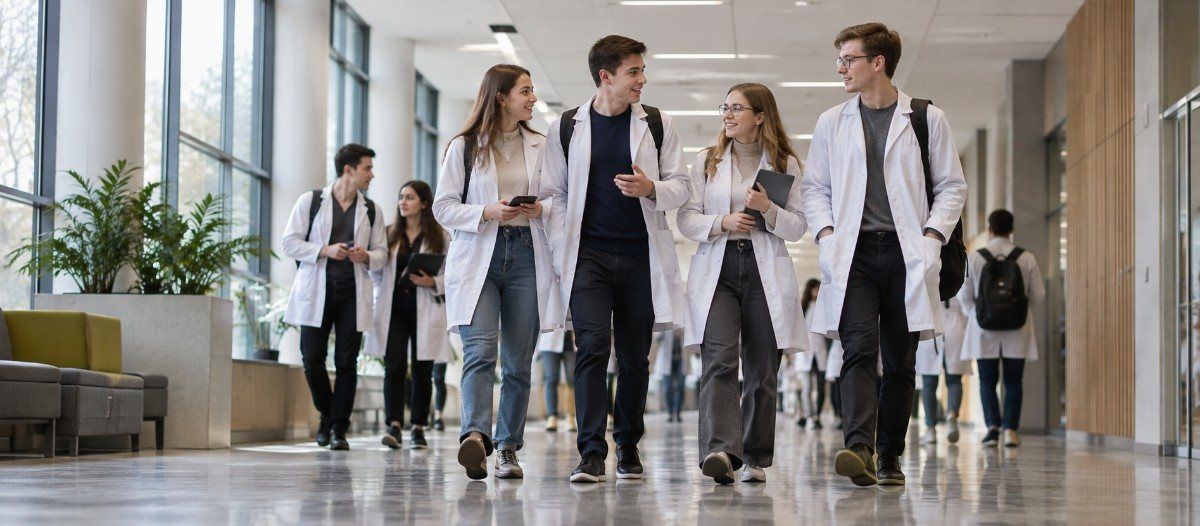
Furnished hostel rooms with Wi-Fi, laundry, 24/7 security, and Indian mess on or near campus.
Indian restaurants and mess facilities serving vegetarian and non-vegetarian home-style food daily.
Strong Indian community with cultural events, festival celebrations, and peer support groups.
Students get hands-on clinical training in government and private hospitals affiliated with the university.
Practical information for students planning to study at Irkutsk State Medical University.
Prepare for all seasons. Thermal wear for winters, light clothing for summers. University provides heating in hostels.
Student visa processed with university invitation letter. Direct and connecting flights from major Indian cities.
Health insurance included in fees. Medical facility on campus plus city hospitals easily accessible.
Local SIM cards available. WhatsApp and video calls keep you connected with family back home.
Average monthly expenses of $150–$250 covering food, transport, and personal needs.
University library, online databases, and study groups. Seniors mentor juniors through academic challenges.
Our team guides you through every step — from application to arriving on campus.
Shortlist 3–5 NMC-approved universities on fees, city, FMGE reputation, and hostel quality.
Submit the application with academic documents and NEET scorecard.
Receive the Admission/Offer Letter from the university.
Pay the initial tuition instalment via the official channel.
Receive the Invitation Letter, issued by Russia's Ministry of Foreign Affairs — your visa depends on this.
Apply for the Student Visa via Embassy/VFS; realistic processing time is 2–4 weeks.
Arrange winter clothing, travel/health insurance, and a 5–8% currency buffer for ruble fluctuation in the final weeks before travel.
Travel, typically late August to early September.
Complete enrollment, a medical check-up, and hostel allotment on arrival.
Attend orientation; classes begin in the first/second week of September.
Admission Helpline — Contact our counsellors for step-by-step assistance.
“The faculty here is incredibly supportive. The clinical training during hospital rotations has given me real confidence in patient care.”
“Affordable fees without compromising on quality. The campus facilities and hostel life made my transition abroad very smooth.”
“English medium instruction and WHO-recognized curriculum were the deciding factors for me. No regrets so far — excellent experience overall.”
“The university helped with everything from visa to accommodation. Hospital exposure from year three has been invaluable for my FMGE prep.”
“Just cleared my licensing exam on the first attempt. The structured coaching and mock exams during final year were a game-changer.”
“Safe campus, good food options, and a strong Indian student community. The teaching methodology is very practical and hands-on.”
A. Yes. ISMU is NMC-registered and WHO-listed. Graduate, clear FMGE/NEXT, and you're good to practice in India. The recognition is solid and has been for years.
A. It was founded in 1919 and turned 105 in 2024. Over 25,000 doctors trained here are now working across 35+ countries. That kind of history speaks for itself.
A. Roughly ₹20–25 lakh all-inclusive — tuition, hostel, food, insurance. No donation, no surprise charges. Private medical colleges in India charge that in a single year.
A. Very much so. Indian mess in the hostel, central heating, Wi-Fi, 24/7 security, and a large Indian student community already there. Settling in is easier than most people expect.
A. No. Classes are in English. Russian is taught during the course purely to help with patient communication in hospitals — not as an academic barrier.
A. Year 3. By Years 4 and 5 you're doing full rotations — Surgery, Pediatrics, Cardiology, Emergency Medicine — directly supervised by senior doctors in real hospitals.
A. Yes. ISMU is ECFMG-recognised and FAIMER-listed, making graduates fully eligible for USMLE (USA) and PLAB/UKMLA (UK) licensing pathways. The mandatory focus of Year 6 is preparing for the Russian State Final Examinations (GIA) to secure your degree, while international licensing exam preparation remains independent or student-driven.
About 7–8 hours via Moscow. Irkutsk has its own international airport. Travelling home during holidays is manageable and straightforward.
A. No. English is assessed internally. No IELTS, no TOEFL, no separate test — just your Class 12 marks and NEET score.
A. WHO, NMC India, ECFMG, FAIMER, GMC UK, and Australian Medical Council. That covers India, US, UK, and Australia — which is about as broad as recognition gets.
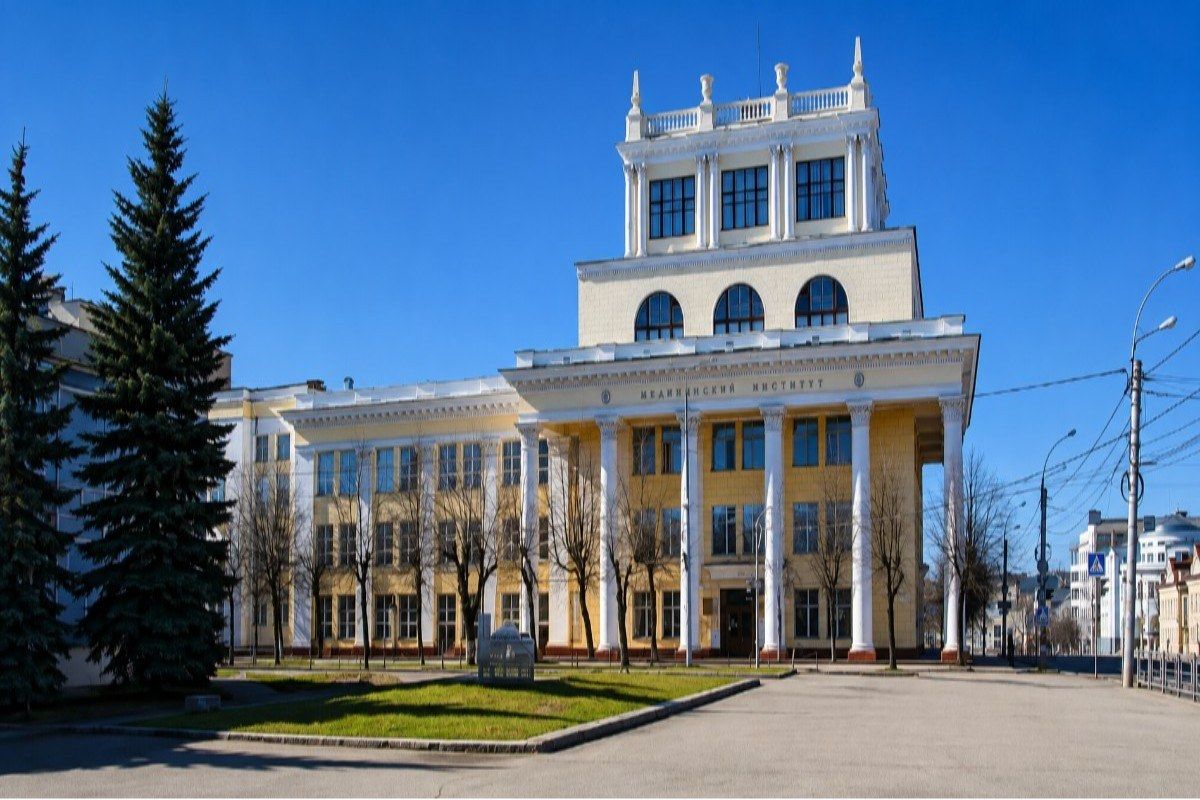
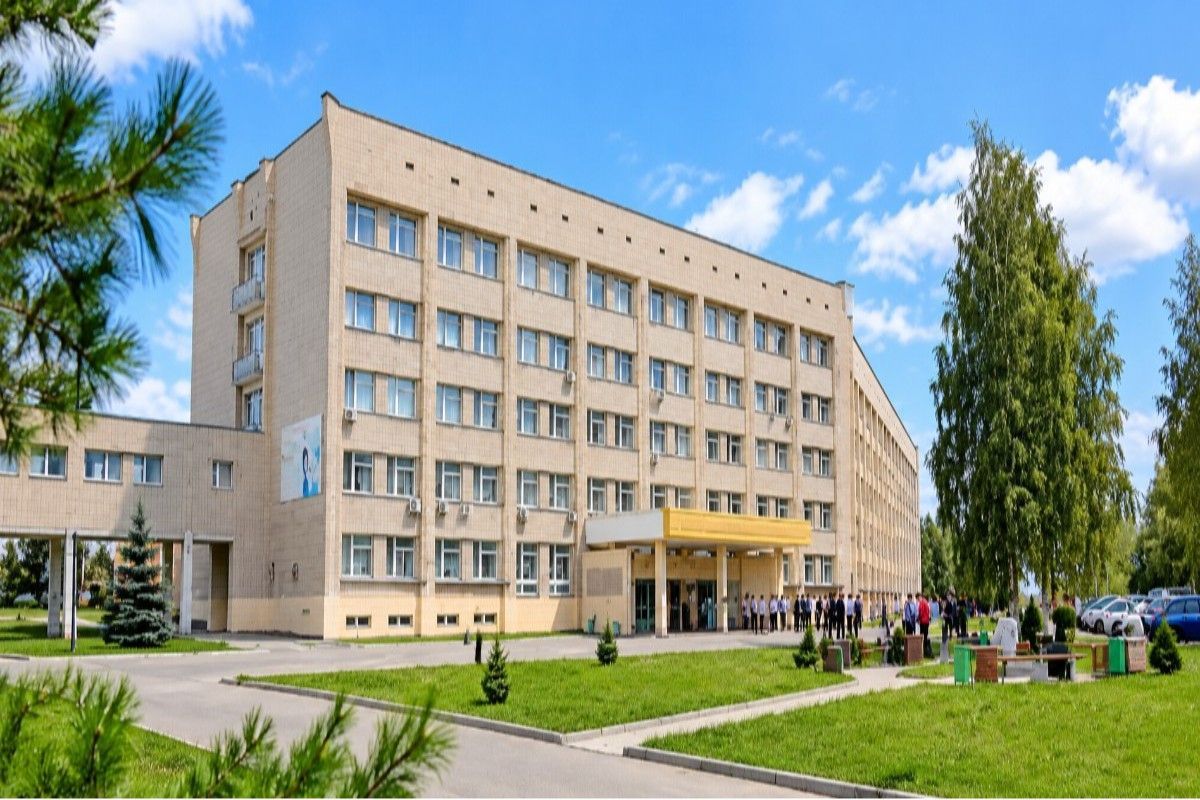
Our expert counsellors will guide you through the complete admission process — from documents to airport pickup.