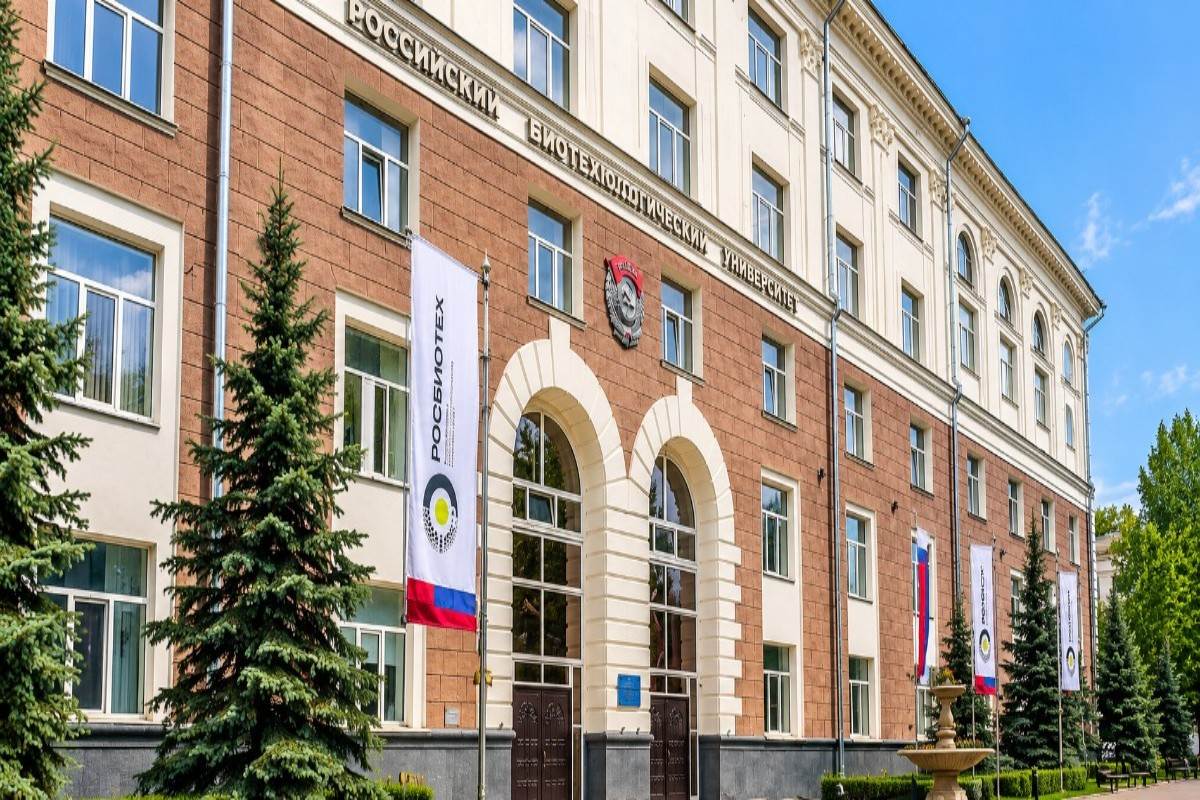
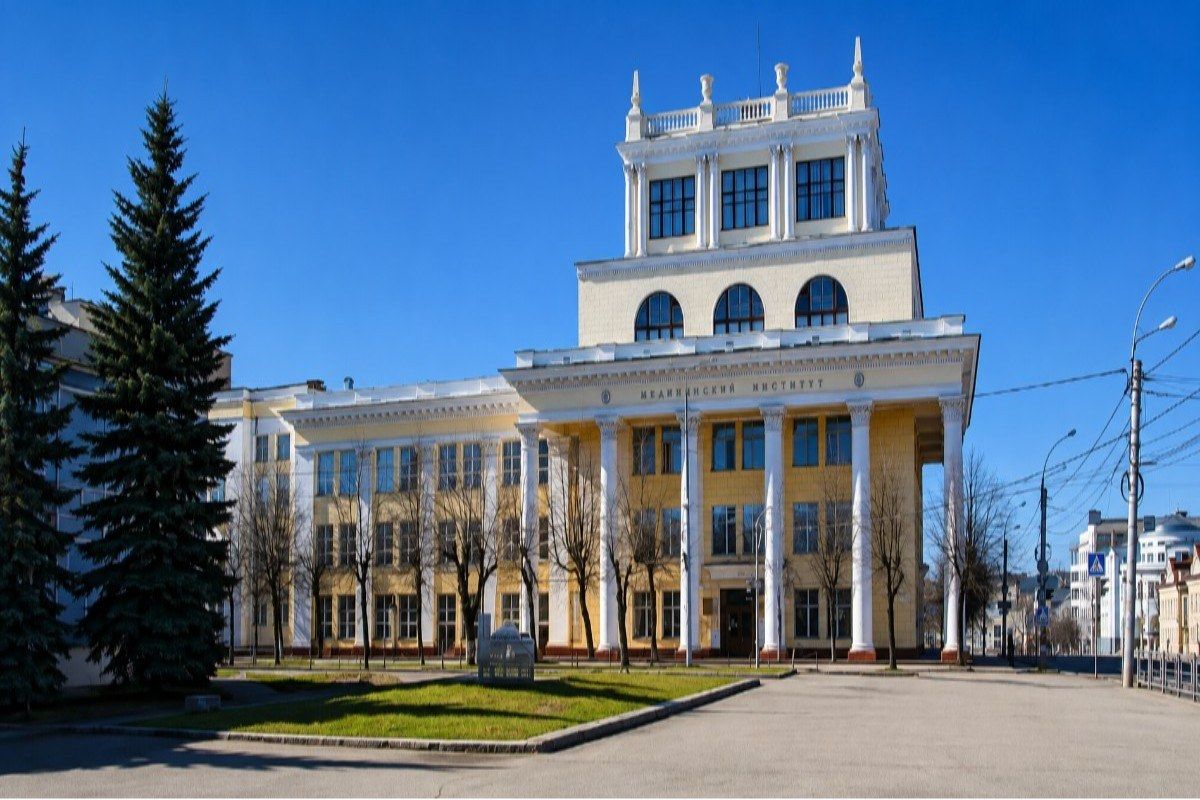
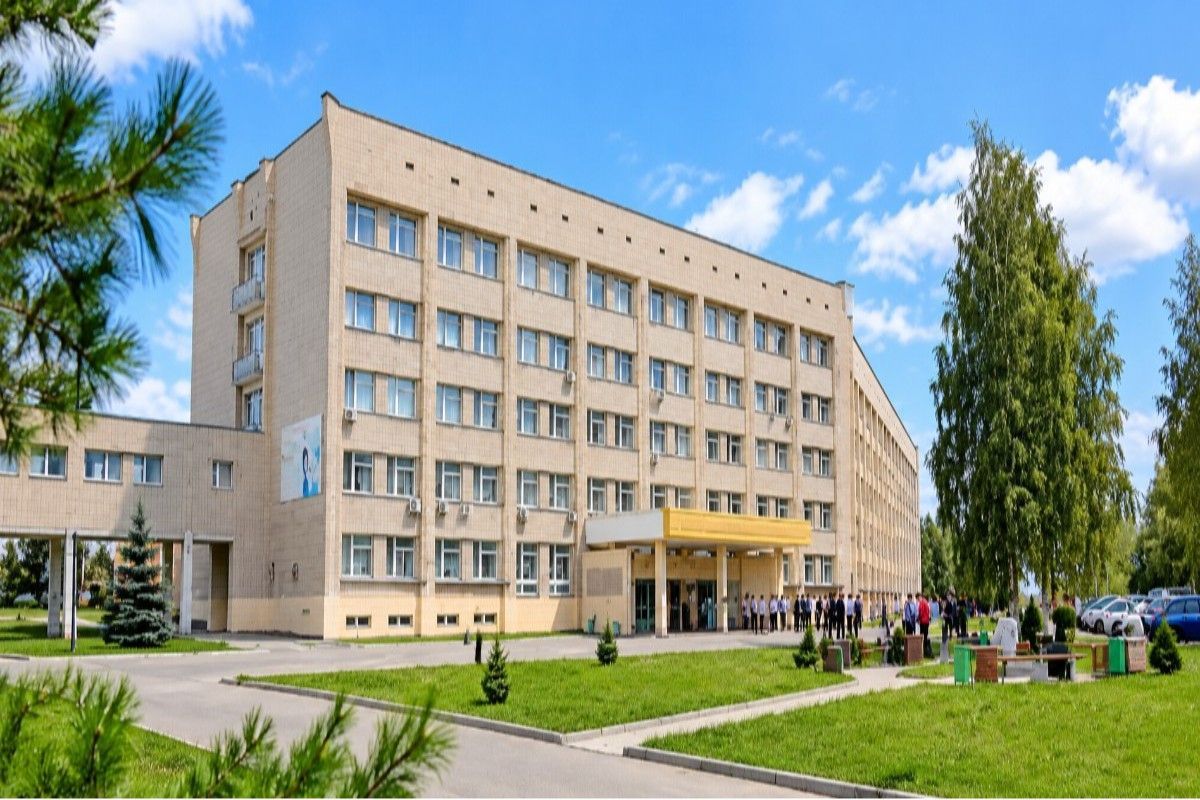
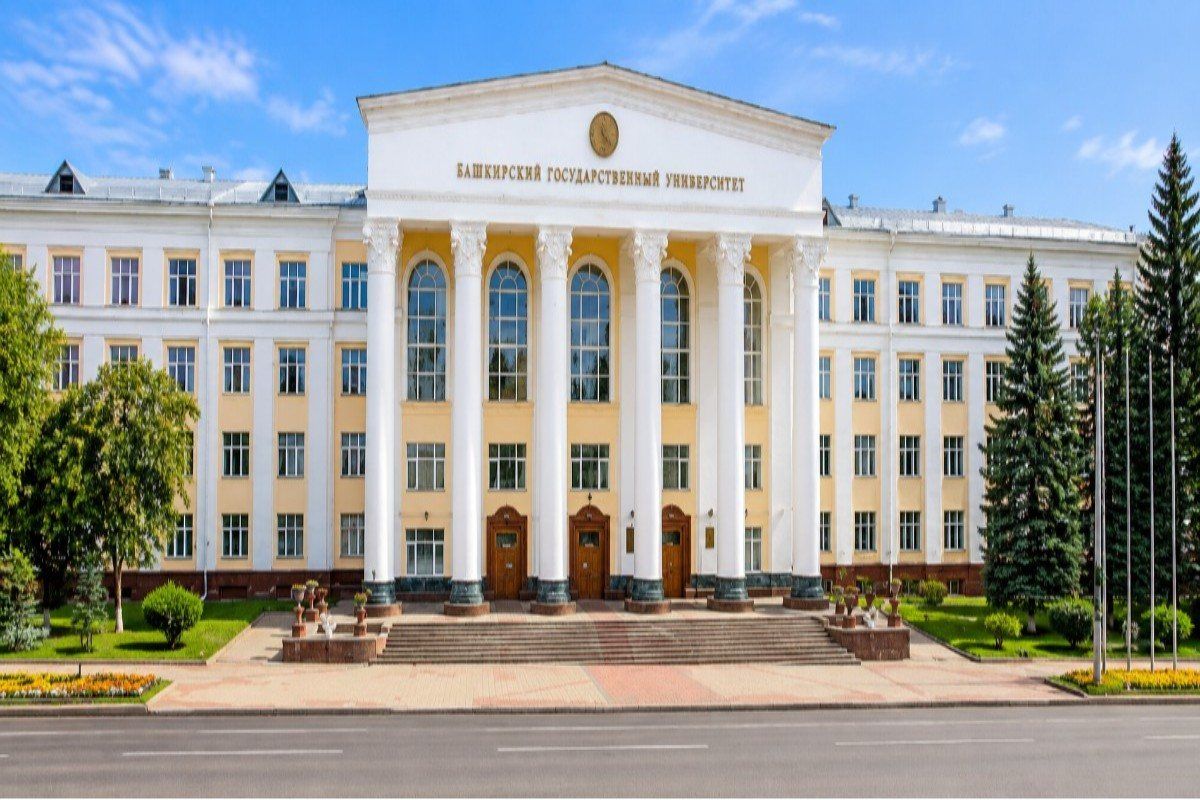
BIOTECH University Medical Institute is the medical division of the Russian Biotechnological University, known as ROSBIOTECH. It is located in Moscow, Russia, and focuses on medical education alongside the university's wider work in biotechnology, food science, healthcare and applied research. The Medical Institute was formally established on 29 June 2023 by an order of the university rector. Although the medical institute itself is new, its academic base comes from the much older Russian Biotechnological University and its predecessor institutions.
The university's history is connected with Moscow's long tradition of higher education in food technology and biotechnology. Its institutional roots go back to the Moscow Institute of Food Technology, established in 1930. Over the decades, the institution changed its structure and name as its academic areas expanded. It developed programmes in food engineering, biotechnology, chemical processes and related scientific fields. This background later provided the foundation for the university's move into medical education.
The modern Russian Biotechnological University was created as part of a broader restructuring of Russian higher education. The university now brings together several academic institutes covering biotechnology, food systems, veterinary medicine, engineering, management and medicine. The Medical Institute was added to this structure in 2023. Its creation marked a new stage in the university's development, extending its academic focus from biotechnology and food sciences into clinical medicine.
The Medical Institute operates through the Medical Institute of Continuing Education and related medical departments. Its work includes the specialist programme 31.05.01 Medicine, along with residency and professional medical education. The Medicine programme follows a six-year full-time structure. In Russian academic terminology, the qualification is known as Lechebnoye Delo, which corresponds to the general physician training route.
The medical institute's recent establishment gives it a different profile from many Russian medical universities that have been operating for several decades. Its medical education has been developed within a university that already has a strong biotechnology and scientific base. This creates an academic environment where medical sciences can interact with biotechnology, laboratory science, nutrition and healthcare research.
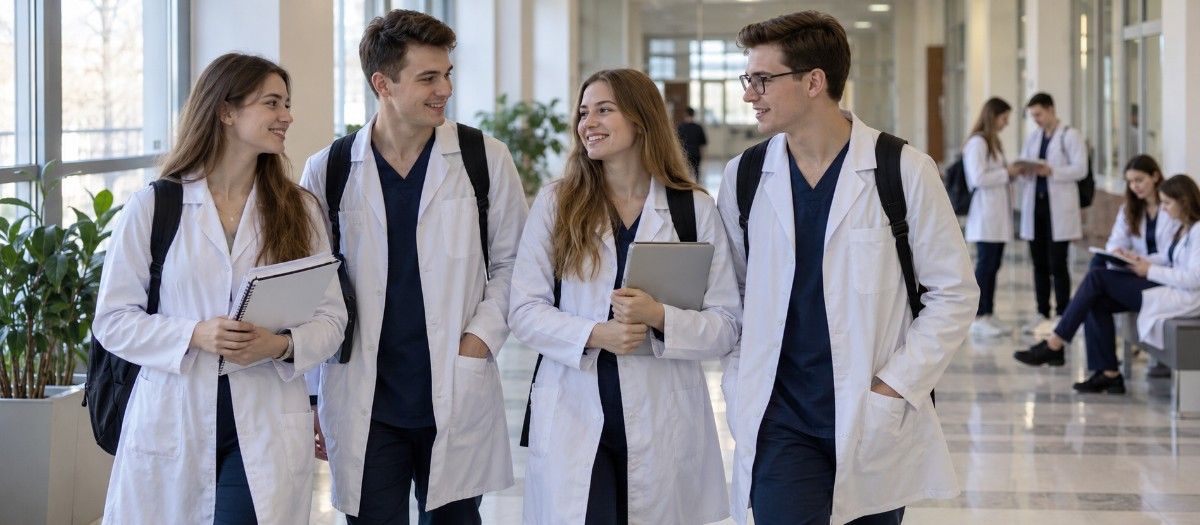
The university currently has more than 8,000 students across its wider academic structure. Its institutes cover a broad range of subjects. These include food systems and health-saving technologies, applied biotechnology, veterinary medicine, industrial engineering, information technology, international management and medicine. The medical institute therefore forms part of a much larger multidisciplinary university rather than operating as a standalone medical school.
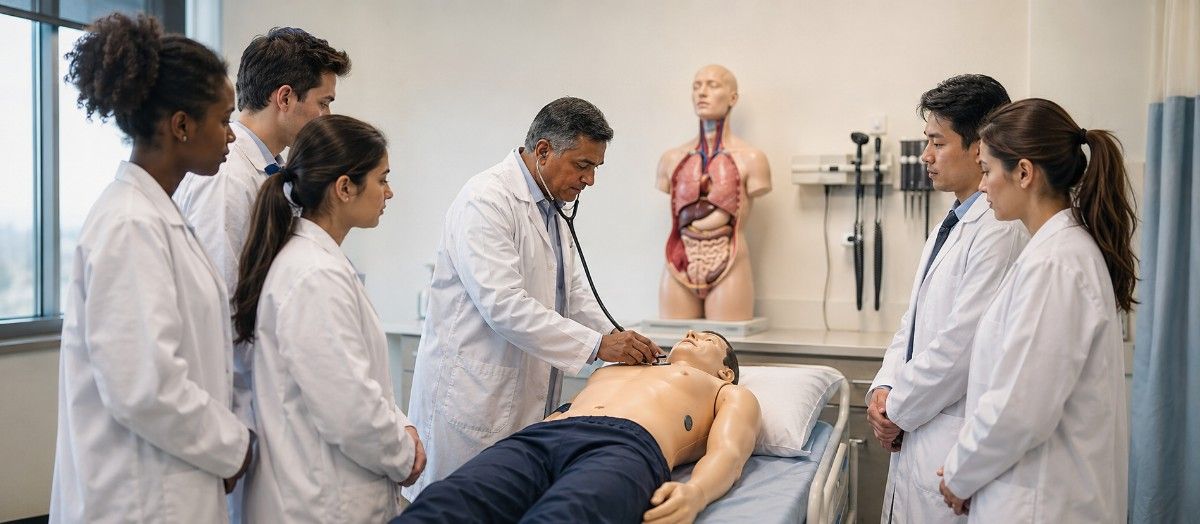
The Medicine programme covers the main areas expected in a physician training course. Students begin with basic medical sciences before progressing toward pathology, pharmacology, microbiology and clinical subjects. Later stages include internal medicine, surgery, paediatrics, neurology, psychiatry, obstetrics and gynaecology, emergency medicine and other areas of clinical practice.
Clinical education is supported by the institute's network of medical and research partners. The university's medical departments use clinical and research bases that include hospitals and specialist medical organisations in Moscow. These include institutions associated with the Ministry of Defence, Ministry of Internal Affairs and Ministry of Health. The network also includes the N.N. Burdenko Main Military Clinical Hospital, the P.A. Herzen Moscow Oncology Research Institute, the Main Clinical Hospital of the Ministry of Internal Affairs and other healthcare facilities.
This clinical network is one of the more distinctive features of the medical institute. Students are not limited to a single university hospital. The institute's departments work across different clinical and research environments. This can expose students to several medical specialties and patient care settings as they progress through their training.
The institute also has a strong connection with medical research. Its faculty members participate in research covering areas such as oncology, ophthalmology, endocrinology, neurology, surgery and clinical medicine. Researchers from the Medical Institute have contributed to peer-reviewed medical publications alongside specialists from major Russian medical universities and research centres.
The university's wider biotechnology focus also gives medical students access to an academic environment that includes laboratory sciences. Biotechnology plays an important role in modern medicine through areas such as molecular diagnostics, medical research, pharmaceutical development and biomedical technologies. This connection is particularly relevant to students interested in combining clinical medicine with future research.
International education is another part of the university's structure. ROSBIOTECH maintains a dedicated international service for foreign applicants and students. It also provides Russian language preparation for international students who need additional language training before beginning their academic programmes. This is important because Russian language ability becomes increasingly relevant during clinical training and interaction with patients.
The Medicine programme at ROSBIOTECH is currently listed as a six-year programme taught in Russian. This point should be considered carefully by Indian students. Some education consultants describe the university as offering English-medium medicine, but current academic programme information identifies the Medicine programme as Russian-medium. Students should therefore confirm the exact language of instruction in their admission documents before making a payment.
Moscow is the largest city in Russia and the country's political, economic, cultural and educational centre. It has a population of more than 13 million within the city limits and a much larger metropolitan population. The city is located on the Moskva River in western Russia and serves as the country's most important transport hub.
The city has a long history dating back to 1147, when Moscow was first mentioned in historical records. It later became the centre of the Grand Duchy of Moscow and eventually the capital of the Russian state. Moscow's role as the capital has helped it develop an extensive network of universities, hospitals, research centres, museums and cultural institutions.
For students, Moscow offers access to a large urban environment with extensive public transportation. The Moscow Metro is one of the city's main transport systems and connects residential areas with universities, hospitals and commercial districts. Buses, trams and commuter rail services provide additional options. Moscow also has major railway stations and international airports, making travel to other Russian cities and countries more accessible.
The city's climate is continental. Winters are cold and snowy, while summers are generally warm. Winter temperatures can fall below freezing for extended periods. Students from India should prepare for substantial seasonal differences, particularly between October and March.
ROSBIOTECH provides student accommodation through its university hostel system. Current university accommodation information lists six hostels, with places available for students. Published hostel rates start from approximately RUB 891 per month, although the final amount can depend on the accommodation building and applicable student category. Hostel availability should be confirmed during admission because places can vary by academic year.
The university environment also includes student clubs, sports facilities, library services, medical facilities and other student support systems. These services are part of the wider ROSBIOTECH campus structure rather than being limited to the Medical Institute.
The university has a particularly relevant connection between medical education and nutrition science. ROSBIOTECH's wider academic structure includes food systems, nutrition and health-related programmes. The institution also organises scientific conferences dealing with nutrition, food safety and health. This creates an academic setting where medicine can exist alongside disciplines that influence preventive healthcare and public health.
The Medical Institute also offers continuing medical education and residency training. Its departments provide residency programmes across numerous medical specialties. This gives the institute an academic structure that extends beyond the initial six-year Medicine programme.
For Indian students, however, the most important consideration is regulatory eligibility. A Russian medical qualification must satisfy the current requirements of the National Medical Commission if the graduate intends to seek medical registration in India. NEET qualification is mandatory for Indian students seeking medical education abroad. Students must also check the current requirements covering the duration of study, medium of instruction, clinical training and internship.
The Russian Biotechnological University is different from traditional Russian medical universities because its medical institute was created only in 2023. Its wider university has a much longer institutional history, but the Medical Institute itself is a relatively recent addition. Its location in Moscow is another major feature because students can study within one of Russia's largest medical and research ecosystems.
The institute's biotechnology background is also a specific distinction. Students enter a medical school that sits within a university focused heavily on biotechnology, food science and applied research. This provides a broader scientific setting than a medical-only institution.
BIOTECH University Medical Institute is therefore best viewed as a newer medical education unit within an established Russian biotechnology university. It offers a six-year Medicine programme, clinical training through partner healthcare institutions and access to Moscow's extensive medical and research environment. Its Russian-medium programme, recent medical establishment and biotechnology-focused academic setting should all be considered when evaluating it as a medical education option.