
1. Is Bashkir State Medical University a government university?
+Yes. BSMU is a federal public medical university in Russia. It operates under the Ministry of Health of the Russian Federation. The university was founded in 1932.
 Russia | Est. 1932
Russia | officially accredited by the Ministry of Health of the Russian Federation and the Minist | English and Russian medium
Expert will call you within 2 hours
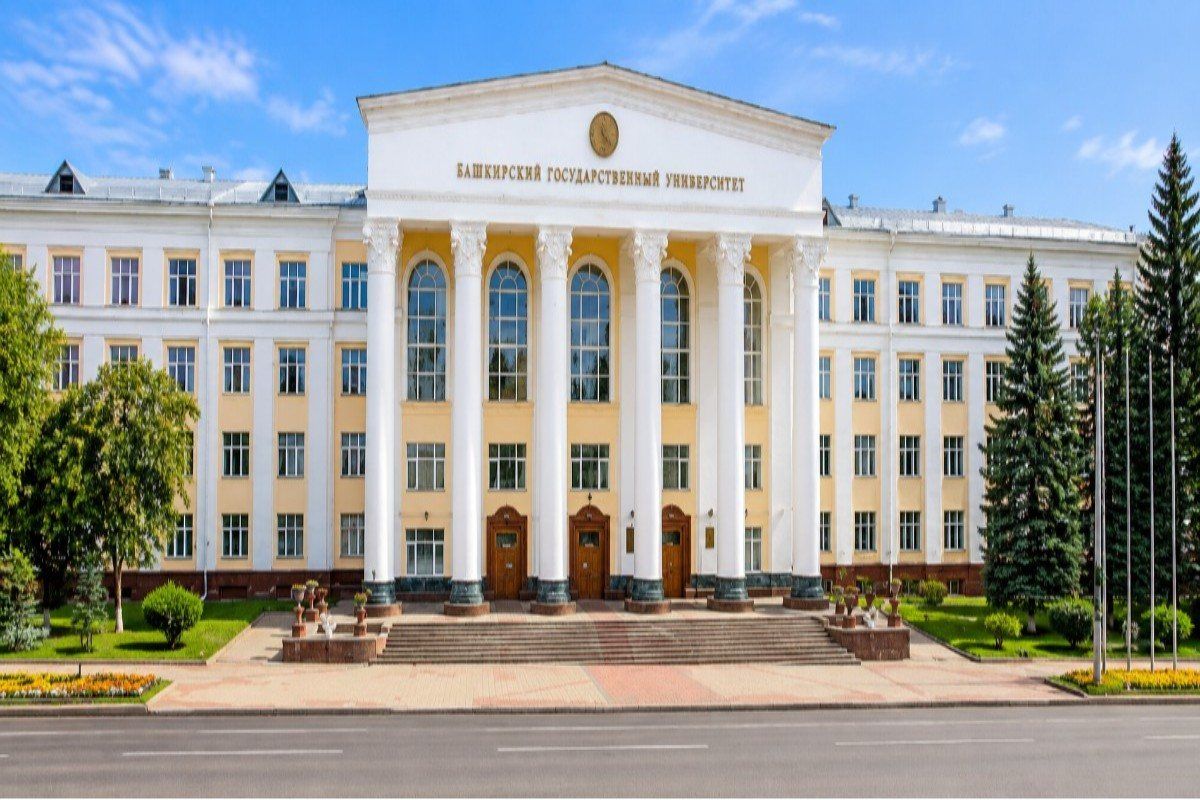
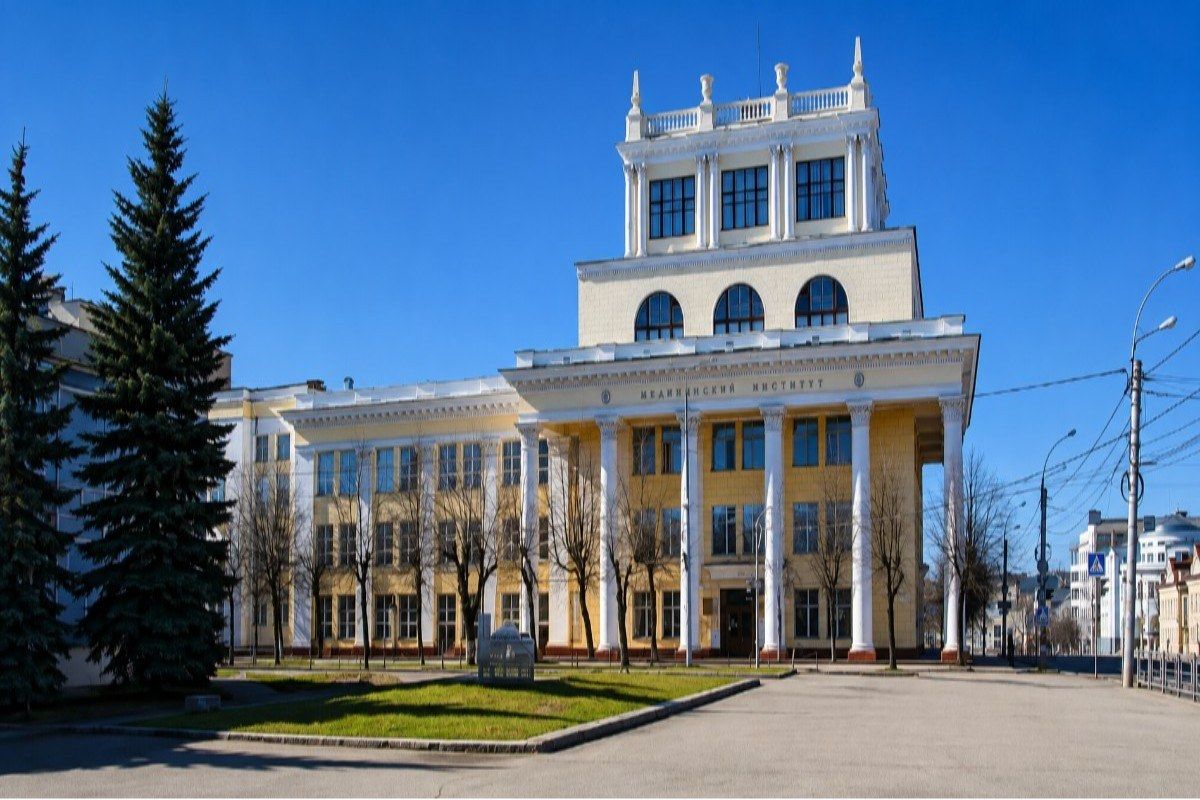
Bashkir State Medical University is an educational organization of the government that operates in Ufa, Russia. This educational institute was established back in 1932, and at that time, it was known as Bashkir State Medical Institute. However, its status as a university was given in 1995. Currently, this educational institute comes under the control of the Ministry of Health of the Russian Federation.
In the beginning, there was only the Faculty of General Medicine at the university. Later on, there appeared faculties of Pediatrics, Preventive Medicine, Dentistry, and Pharmacy. Besides, the Ufa Medical College became part of the university in 2010. The above-mentioned steps allowed BSMU to organize education in various fields of medicine.
General Medicine course consists of 360 credits in all. Every year is worth 60 credits. Semester system is followed in this course.
Basic sciences form part of the first level of medical training. These areas of study include biology, chemistry, physics, anatomy, histology, physiology, biochemistry, pathology, and microbiology. From these topics, the learner acquires knowledge on how the body works and the causes of diseases.
Learners are also required to study humanities and languages. Areas of study include history, philosophy, psychology, pedagogics, Latin, and Russian language. Education in the Russian language is incorporated in the curriculum. This is important for when learners start dealing with patients during clinical studies.
Clinical exposure begins early in the course. First-year students learn basic nursing care through practical training. Second-year students begin learning the basics of clinical examination. This approach introduces students to practical medicine before they reach the advanced clinical years.
Middle education is concentrated more on clinical medicine. This includes topics such as general surgery, internal medicine, pathology, and pathophysiology. One acquires the skill of understanding the symptoms of diseases, their mechanism, and clinical knowledge.
Advanced education emphasizes the main specialties in medicine. These include internal medicine, surgery, obstetrics and gynecology, public health, preventive medicine, and specialized clinical topics.BSMU uses simulation-based training as part of its medical programme. Simulation allows students to practise clinical skills in a controlled academic environment. It can help students develop confidence before working with patients in clinical settings.
The university also has its own multidisciplinary clinical facilities. Its teaching model connects academic learning with practical medical training. Students can therefore move from classroom concepts to supervised clinical work as they progress through the programme.
The official international admissions information lists General Medicine as a six-year programme. It is available in Russian and English. However, the university's programme information states that the first three years have English-medium teaching, followed by a greater use of Russian. Students should therefore be prepared to learn Russian during the course.
Russian language skills are especially useful during hospital training. Medical students need to communicate with patients, doctors, nurses, and other healthcare workers. Learning Russian can make clinical interaction easier as students progress through the programme.
International education has been part of BSMU's development for many years. The university has students and residents from many countries. Its current information reports more than 5,000 international students and residents from 64 countries.
The university has an International Relations Office that supports international students and manages international academic activities. This includes student exchanges, academic partnerships, and cooperation with institutions in other countries.
BSMU also has a large academic community. The university reports more than 15,000 students across its programmes and more than 5,200 international students. Its faculty includes experienced medical teachers, researchers, and practicing specialists.
The university has also developed research activity in medicine and healthcare. Students can take part in scientific societies, research projects, conferences, and academic events. These activities can help students understand medical research alongside their regular studies.
The multidisciplinary university hospital provides another setting for practical education. The current university information reports 755 hospital beds and more than 25,000 patients treated each year. It also reports more than 15,000 surgeries annually and around 4,000 deliveries each year.
These clinical numbers provide students with exposure to a wide range of medical cases. Clinical training can therefore cover both common conditions and more specialised areas of medicine.
Ufa is the capital of the Republic of Bashkortostan. It is a large Russian city with developed transport, healthcare, education, and public services. BSMU is located in the central part of Ufa, which gives students access to the city's main facilities.
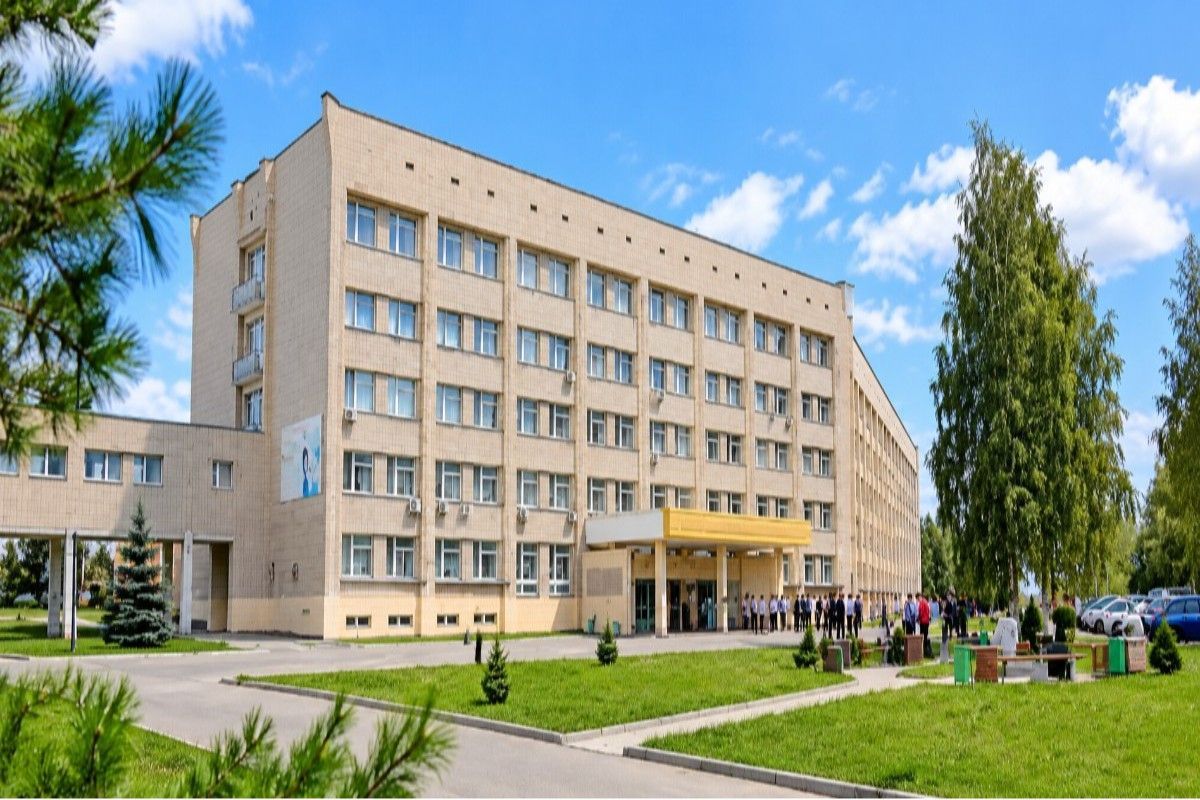
The university campus includes academic buildings, clinical facilities, research spaces, and student services. Students can also participate in sports, student organisations, scientific societies, and cultural activities.
The university also publishes additional costs for international students. Medical insurance is around RUB 5,000 per year. Medical check-ups required for study are around RUB 3,500 per year. Annual medical screening required by immigration authorities is listed at RUB 14,000.
These expenses are separate from tuition and hostel charges. Students should therefore plan their budget beyond the main tuition fee.
The 2026 tuition fee for General Medicine is RUB 405,660 per year. The programme lasts six years. Based on this current fee, the six-year tuition estimate is RUB 2,433,960 before any future fee changes.
For Indian students, the tuition converts to approximately USD 4,676 per year using the current RUB to USD conversion used for this calculation. At Rs. 83.10 per USD, this is approximately Rs. 3.89 lakh per year.
The university's official admission portal also gives an estimated food budget of USD 100 to USD 150 per month. This works out to approximately USD 1,200 to USD 1,800 per year. Food costs are personal expenses and can vary according to lifestyle.
Indian students should separately check the current National Medical Commission requirements before admission. A foreign medical qualification does not automatically give the right to practise medicine in India. Students must meet the rules applicable to foreign medical graduates and their admission year.
BSMU has also had Indian students among its international population. The university has reported Indian graduates successfully passing FMGE. This shows that Indian graduates have used the university's medical qualification as part of their pathway back to India.
Students should still check the latest NMC rules before paying admission fees. Requirements for foreign medical graduates can change, and compliance should be confirmed for the specific admission year.
With its long history, large international community, clinical facilities, and six-year General Medicine programme, BSMU remains an established option for students considering medical education in Russia. Its current fee structure also provides a relatively predictable starting point for planning the overall cost.
When looking at Russian medical universities, BSMU provides a mix of English-speaking classes for the initial years, training in Russian language, practical experience and use of facilities of the university for medical studies. The duration of the program is six years, during which the students get introduced to clinical medicine.
No hidden charges, no donation. The full picture of costs at MBBS in Bashkir State Medical University ufa.
Tuition Fee
approximately 4,05,000 RUB (around $4,200 to $5,200 USD or roughly ₹5,23,000 INR)
USD 4,676/year Rs. 3.89 lakh
Hostel Fee
USD 166/year Rs. 13,800
approximately 1,000 to 3,300 RUB (Russian Rubles)
Food & Meals
USD 1,200-1,800/year Rs. 99,720-1.49 lakh
per month
Insurance
USD 58/year Rs. 4,790
per year
Donation
No Donation
No Hideen fees
Total Estimated Cost
USD 6,100-6,700/year
6-YEAR
25–35%
Average FMGE first-attempt pass rates for students from many overseas medical universities. Students from structured programs consistently score higher.
Students returning to India need to clear the FMGE/NExT exam. MBBS in Bashkir State Medical University ufa integrates exam-oriented coaching into the regular curriculum so students are prepared from day one.
A structured program that takes you from foundational sciences to clinical mastery.
Basic nursing care and introductory clinical practice.
Biology, chemistry, physics, anatomy, and physiology.
• Basics of clinical examination and patient assessment.
• Biochemistry, histology, microbiology, and pathology.
• Development of diagnostic and basic treatment skills.
• Pathophysiology, pharmacology, general surgery, and clinical subjects.
• Practical clinical training and supervised patient care.
• Internal medicine, surgery, obstetrics, and gynecology.
• Clinical clerkships and simulation-based medical training.
• Advanced clinical medicine and major medical specialties.
• State final examination and completion of clinical requirements.
• Advanced clinical disciplines and professional medical practice.
Furnished hostel rooms with Wi-Fi, laundry, 24/7 security, and Indian mess on or near campus.
Indian restaurants and mess facilities serving vegetarian and non-vegetarian home-style food daily.
Strong Indian community with cultural events, festival celebrations, and peer support groups.
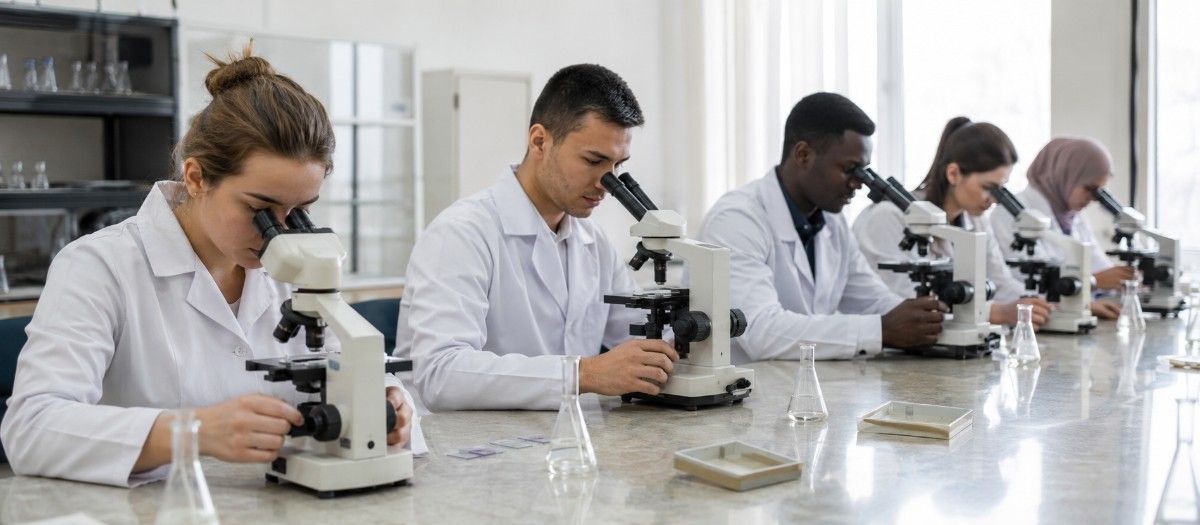
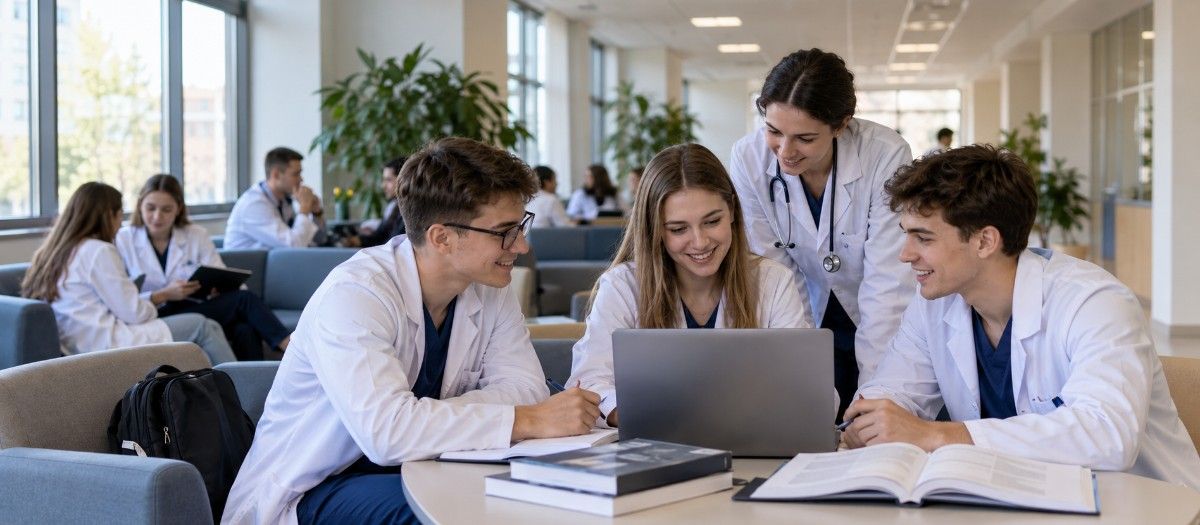
Students get hands-on clinical training in government and private hospitals affiliated with the university.
Practical information for students planning to study at MBBS in Bashkir State Medical University ufa.
Prepare for all seasons. Thermal wear for winters, light clothing for summers. University provides heating in hostels.
Student visa processed with university invitation letter. Direct and connecting flights from major Indian cities.
Health insurance included in fees. Medical facility on campus plus city hospitals easily accessible.
Local SIM cards available. WhatsApp and video calls keep you connected with family back home.
Average monthly expenses of $150–$250 covering food, transport, and personal needs.
University library, online databases, and study groups. Seniors mentor juniors through academic challenges.
Our team guides you through every step — from application to arriving on campus.
Shortlist 3–5 NMC-approved universities on fees, city, FMGE reputation, and hostel quality.
Submit the application with academic documents and NEET scorecard.
Receive the Admission/Offer Letter from the university.
Pay the initial tuition instalment via the official channel.
Receive the Invitation Letter, issued by Russia's Ministry of Foreign Affairs — your visa depends on this.
Apply for the Student Visa via Embassy/VFS; realistic processing time is 2–4 weeks.
Arrange winter clothing, travel/health insurance, and a 5–8% currency buffer for ruble fluctuation in the final weeks before travel.
Travel, typically late August to early September.
Complete enrollment, a medical check-up, and hostel allotment on arrival.
Attend orientation; classes begin in the first/second week of September.
Admission Helpline — Contact our counsellors for step-by-step assistance.
“The faculty here is incredibly supportive. The clinical training during hospital rotations has given me real confidence in patient care.”
“Affordable fees without compromising on quality. The campus facilities and hostel life made my transition abroad very smooth.”
“English medium instruction and WHO-recognized curriculum were the deciding factors for me. No regrets so far — excellent experience overall.”
“The university helped with everything from visa to accommodation. Hospital exposure from year three has been invaluable for my FMGE prep.”
“Just cleared my licensing exam on the first attempt. The structured coaching and mock exams during final year were a game-changer.”
“Safe campus, good food options, and a strong Indian student community. The teaching methodology is very practical and hands-on.”
Yes. BSMU is a federal public medical university in Russia. It operates under the Ministry of Health of the Russian Federation. The university was founded in 1932.
The General Medicine programme lasts six years. The course carries 360 credits in total. Students study basic sciences, clinical medicine, and practical training.
Yes. General Medicine is available in Russian and English. The university states that the first three years have English-medium teaching. Russian becomes increasingly important during clinical training.
BSMU’s official 2026–27 sources currently show different published figures for international General Medicine students, ranging from approximately RUB 405,660 to RUB 490,080 per year. Students should confirm the final payable tuition directly with BSMU before admission or fee payment.
Yes. International students can receive university hostel accommodation. The current listed accommodation fee is around RUB 1,200 per month. Actual living expenses depend on personal spending.
BSMU lists Chemistry and Biology as entrance examinations. Students must also satisfy the university's academic admission requirements. Indian students should meet the applicable NEET requirements.
Yes. Bashkir State Medical University is listed in WDOMS. The listing identifies it as a public and operational medical school. Its General Medicine programme is listed as six years.
Completion of studies does not mean that one is licensed to practice in India. Indian students have to meet the criteria set by NMC for foreign medical graduates. The requirements for each year of entry must be reviewed by the students
Yes. Clinical training is integrated into the General Medicine programme. Students begin practical exposure during the early years. Later years include clinical placements, hospital training, and simulation-based learning.
BSMU has almost 90 years of experience in educating medical professionals. The school has a considerable number of international students and a university hospital. The six-year course in General Medicine includes both theoretical and practical education.
Our expert counsellors will guide you through the complete admission process — from documents to airport pickup.