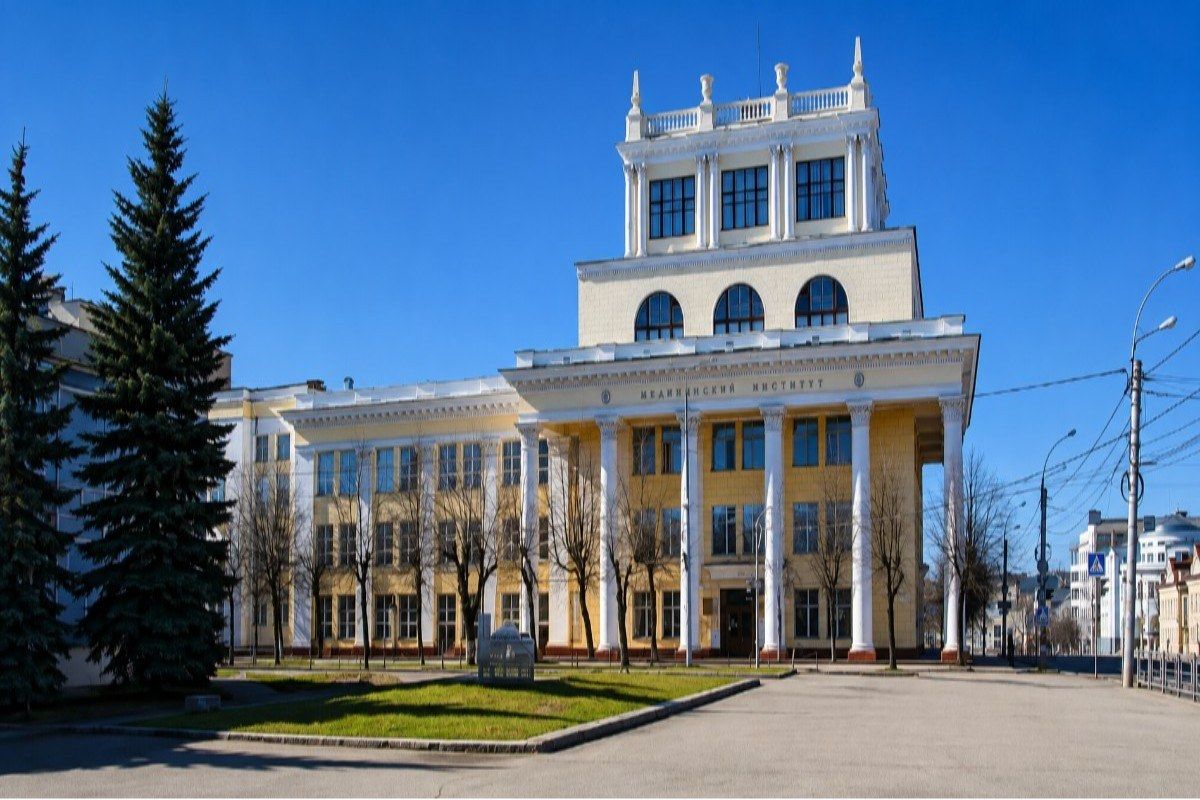
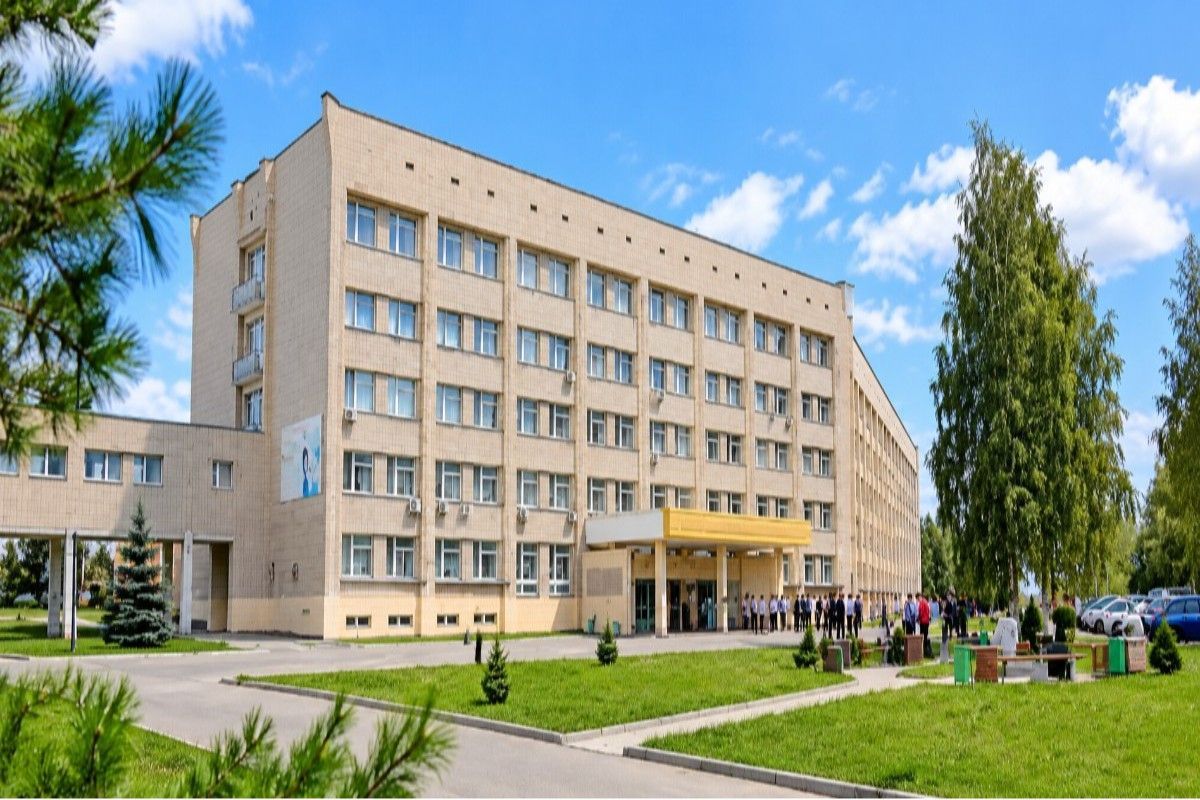
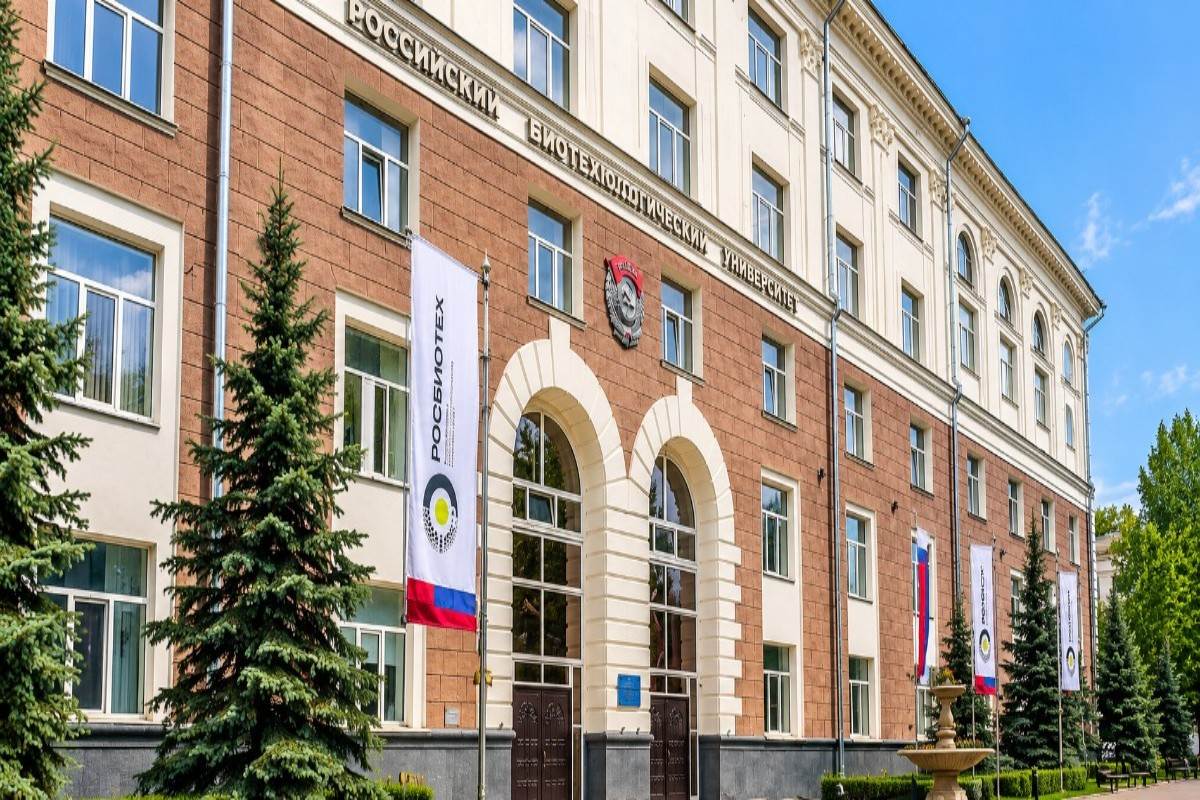
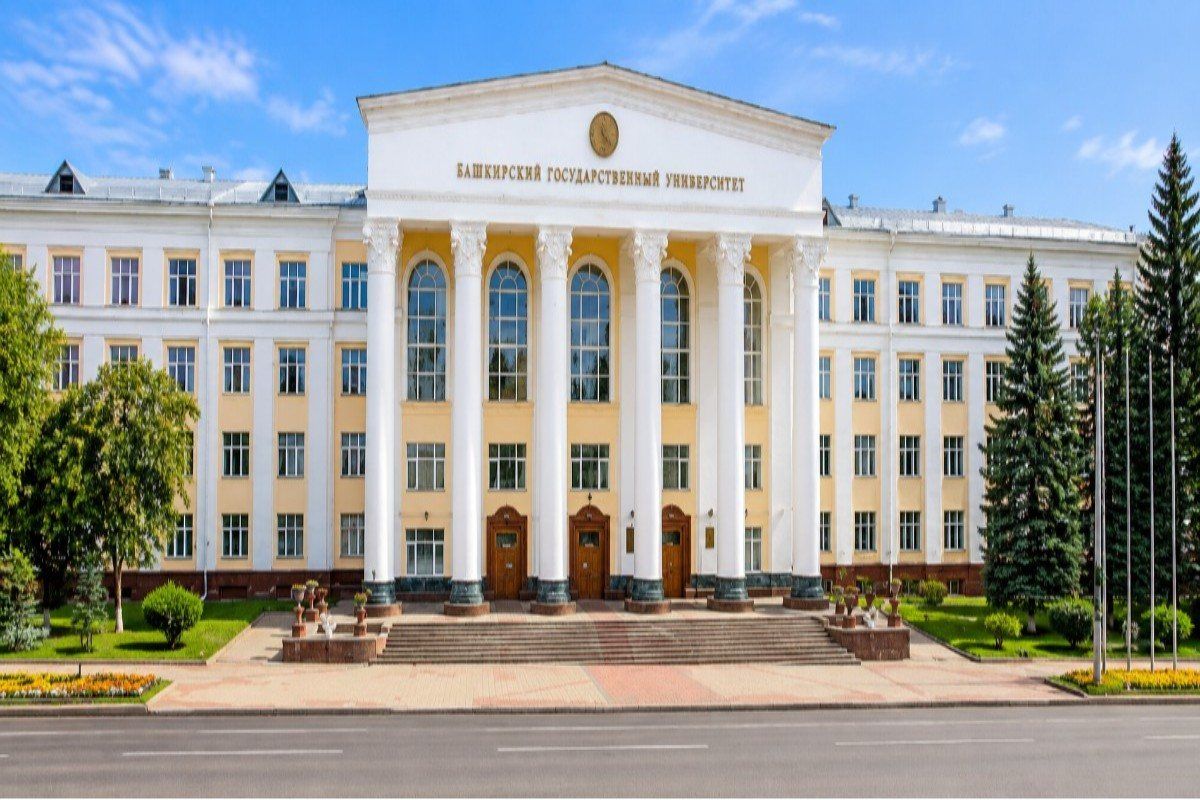
This medical university is a government one that is located in Ivanovo, Russia. This is an educational institution functioning within the Ministry of Health of the Russian Federation and being one of the oldest medical universities in the country. Ivanovo State Medical University was founded on 16 June 1930 when the government of the Soviet Union decided to open a medical institute in Ivanovo-Voznesensk (now Ivanovo). This educational institution was founded to train more physicians due to the needs for them in a period of active industrialisation in the textile area of central Russia.
The beginning of the university dates back to the period when the institution was named as the Ivanovo State Medical Institute. It was opened following the decree of the Council of People's Commissars of the Russian Soviet Federative Socialist Republic on reorganisation of training of medical personnel. The local administration organised classrooms, lodging and a library for the future students in such a way that classes began soon after this decision. Within several days from the date of the government's decision, notices were issued to recruit professors and lecturers and to enrol the first students.
Dr. Vasily Grigoryevich Belov became the first director of the institute in July 1930 after arriving from Moscow through an appointment by the People's Commissariat of Health. Under his leadership, the institute began building its academic departments and clinical teaching system. The institution was created during an important period in Russian healthcare when regional medical institutes were being established to improve access to trained physicians outside Moscow and Saint Petersburg. Ivanovo became one of those important regional centres for medical education.
During its early decades, the institute focused primarily on training doctors for hospitals and public healthcare services throughout the Ivanovo region and neighbouring territories. The curriculum gradually expanded as new scientific departments developed and clinical education became more structured. Medical education combined classroom instruction with hospital based training, allowing students to gain practical experience alongside theoretical knowledge. This approach later became one of the defining strengths of the institution's General Medicine programme.
The university continued functioning through the difficult years of the Second World War. Like many Soviet medical institutions, it played an important role in preparing healthcare professionals for military and civilian medical services. Faculty members contributed to regional healthcare while continuing medical education for students despite wartime challenges. The institution's continued operation during this period helped maintain the supply of doctors needed across hospitals and healthcare facilities in central Russia. Its wartime contribution remains an important part of its institutional history.
Another significant development occurred in 2022, when the university established its Faculty of International Education. The faculty now manages international students enrolled in General Medicine programmes taught in both Russian and English, along with residency students and preparatory medical education programmes. According to the university, more than 350 international students currently study there, while students from over 40 countries have attended the institution since international education began. The university has also reported hundreds of international graduates completing medical qualifications and several progressing to doctoral research.
The institution underwent an important legal name change in recent years. For many years it was widely known internationally as Ivanovo State Medical Academy. In February 2024, the Ministry of Health of Russia amended the university charter and officially replaced the word Academy with University throughout its legal documentation. The current official English name is Ivanovo State Medical University. This means older educational websites and student resources may still mention Ivanovo State Medical Academy, but they refer to the same government institution that now operates under university status.
Today, Ivanovo State Medical University remains a public higher education institution under the Ministry of Health of the Russian Federation. The university offers specialist medical programmes, postgraduate education, residency programmes and doctoral research opportunities. General Medicine remains the primary programme for international applicants. The university officially accepts foreign students for General Medicine in both Russian and English, making it one of the Russian medical universities offering an English language pathway specifically for international medical education.
The General Medicine programme follows a six year medical curriculum leading to the qualification recognised in the World Directory of Medical Schools as a primary medical degree. Students study foundational sciences during the early years before progressing into pathology, pharmacology, internal medicine, surgery, paediatrics, obstetrics and other clinical disciplines. Clinical education forms a substantial part of the programme, with students completing hospital based training as they advance through the curriculum. The university's listing in the World Directory confirms that it operates an approved clinical training structure as part of its medical education programme.
Academic life at the university is supported by a large teaching community. Institutional information reports almost 3,000 students enrolled across medical programmes and more than 400 instructors, including professors, Doctors of Science and Candidates of Science. The university has trained more than 25,000 doctors throughout its history. These graduates work across hospitals, clinics, research institutions and public healthcare organisations in Russia and several other countries.
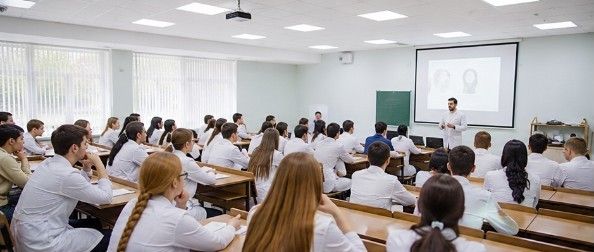
The university also maintains a strong academic infrastructure for medical learning. It has three libraries, student hostels and sports facilities that support everyday campus life. Medical students spend significant time in laboratories, lecture halls and clinical departments while developing practical skills required for patient care. The university also operates its own clinical divisions under the Ministry of Health structure, including departments associated with surgery, endocrinology, rheumatology, psychiatry, gastroenterology, urology, dentistry and diagnostic medicine. This gives students access to specialised clinical environments during professional training.
Research remains another important part of university life. Faculty members and students participate in biomedical research across different medical specialties. Recent university publications highlight research related to faster diagnostic methods, safer medical materials and practical healthcare innovation. Student scientific societies encourage participation in conferences and research projects, allowing undergraduate students to gain experience beyond classroom learning. The university continues to develop its scientific profile while maintaining its central role in training practising doctors for Russia's healthcare system.
Ivanovo has an estimated population of around 355,000 to 357,000 people based on recent regional demographic projections. It offers the facilities expected from a regional capital while remaining more compact than Moscow or Saint Petersburg. Students benefit from lower urban congestion, established public transport and access to cultural institutions, shopping areas, parks and sports facilities. The city's manageable size often makes daily travel between hostels, university buildings and hospitals easier for students.
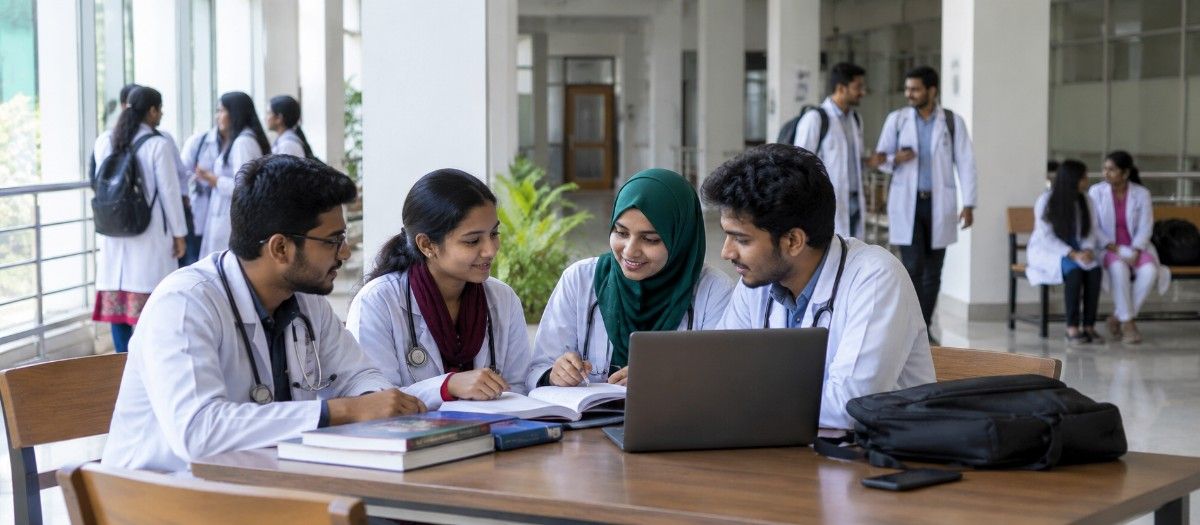
For Indian students, the university's international education history is particularly relevant. Students from India have been part of the international student community for many years alongside learners from more than forty countries. The university officially offers English medium General Medicine for foreign citizens, but students planning to return to India must independently ensure compliance with the latest National Medical Commission regulations. The NMC clearly advises students to verify course duration, English medium instruction, clinical training, internship arrangements and all Foreign Medical Graduate Licentiate requirements before taking admission abroad.
Ivanovo State Medical University is best known for combining a long medical education history with a dedicated international education system and an English medium General Medicine pathway. Its transformation from a medical institute to a medical academy and finally to its present university status reflects almost a century of institutional growth. For students considering medical education in Russia, Ivanovo offers a government university with established medical teaching, international student support, recognised World Directory listing and a location within one of Russia's important regional healthcare and educational centres.