
1. Is Paris-Saclay University a public university?
+A: Yes. Paris-Saclay University is one of France's leading public universities and is recognised by the French government.

 France | Est. 2019
France | Recognised by the French Ministry of Higher Education and Research. Medical education follows the national standards established for French medical schools. | Primarily French medium
Expert will call you within 2 hours
Paris-Saclay University – Faculty of Medicine is one of France's most prestigious medical schools and is internationally recognised for excellence in medical education, biomedical research, and healthcare innovation. Located in Le Kremlin-Bicêtre, just south of Paris, the Faculty of Medicine forms part of Paris-Saclay University, one of Europe's leading research universities. The faculty combines outstanding academic education with advanced scientific research and extensive hospital-based clinical training, preparing students to become highly skilled physicians and medical researchers.
Paris-Saclay University was officially established in 2019 by bringing together several renowned higher education institutions, research organisations, and grandes écoles. The Faculty of Medicine continues the long-standing medical education tradition of the former Paris-Sud University, making it one of France's most respected centres for medical training and biomedical sciences.
The Faculty of Medicine offers undergraduate, postgraduate, doctoral, and specialist medical education following the French national medical curriculum. The programme integrates biomedical sciences, clinical medicine, medical ethics, communication skills, public health, scientific research, and hospital-based clinical practice. Students receive comprehensive education that prepares them for residency training and medical careers both in France and internationally.
Medical education begins with a thorough foundation in biomedical sciences. Students study anatomy, physiology, biochemistry, molecular biology, genetics, microbiology, immunology, pathology, pharmacology, neuroscience, behavioural sciences, epidemiology, public health, medical ethics, and scientific methodology. Scientific knowledge is continuously integrated with clinical application throughout the curriculum.
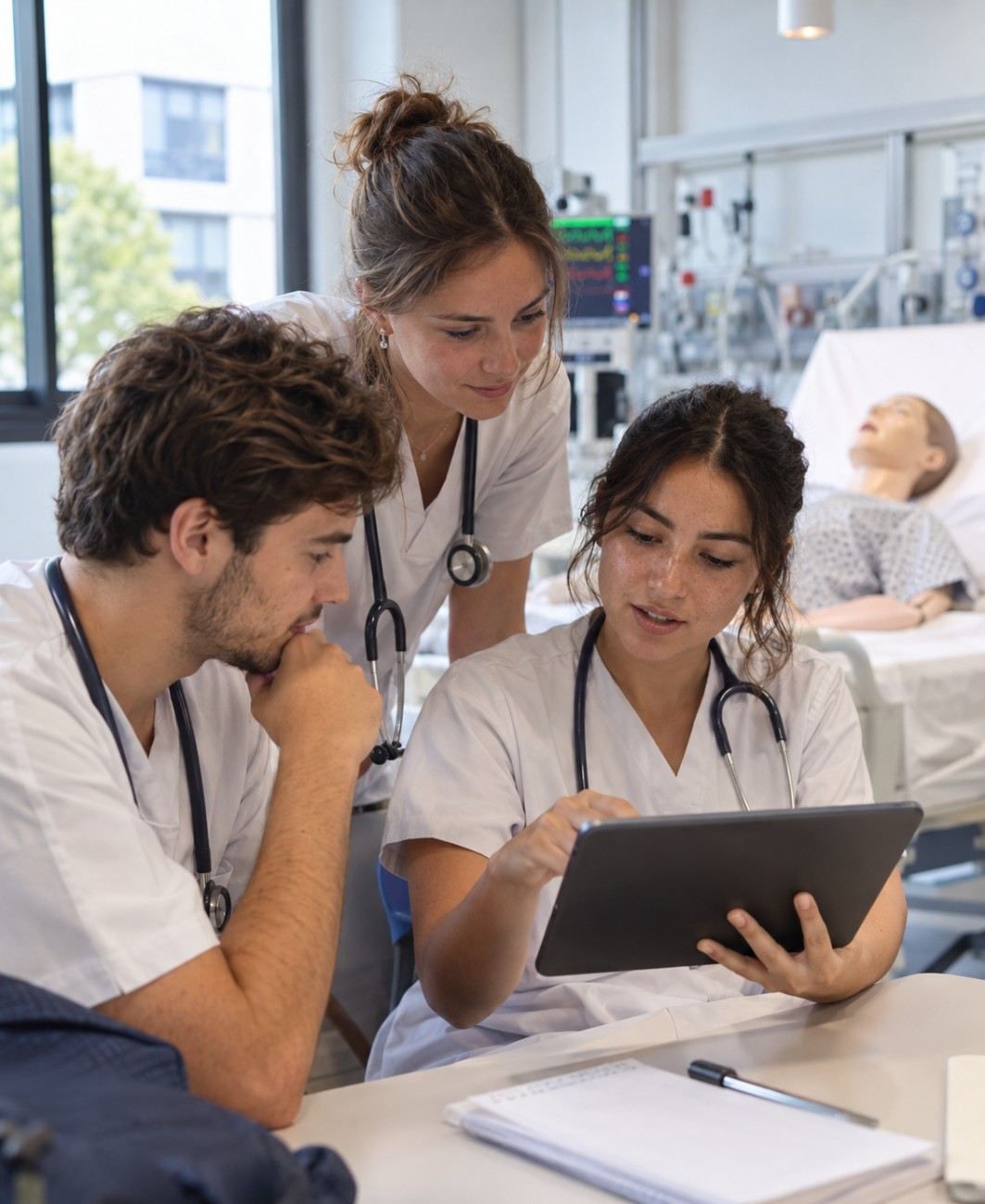
Teaching methods include lectures, anatomy practicals, laboratory sessions, simulation-based education, problem-based learning, case discussions, clinical skills workshops, digital learning resources, and small-group tutorials. Students develop critical thinking, communication skills, professionalism, teamwork, scientific reasoning, and clinical decision-making throughout their medical education.
Clinical training is delivered through partnerships with the Assistance Publique – Hôpitaux de Paris (AP-HP) network, including renowned teaching hospitals such as Bicêtre Hospital, one of France's leading university hospitals. Students receive practical education across numerous medical specialties while learning directly from experienced clinicians.
Clinical rotations include internal medicine, general surgery, paediatrics, obstetrics and gynaecology, psychiatry, cardiology, neurology, orthopaedics, emergency medicine, anaesthesiology, ophthalmology, dermatology, ENT, radiology, oncology, nephrology, endocrinology, respiratory medicine, gastroenterology, geriatrics, infectious diseases, family medicine, intensive care, and community healthcare.
Students participate in ward rounds, outpatient clinics, emergency departments, operating theatres, multidisciplinary case discussions, diagnostic procedures, and supervised patient management. Practical hospital training enables students to integrate biomedical knowledge with real-world clinical practice while developing professional competence.
Simulation-based education is an important component of the programme. Modern simulation centres provide high-fidelity patient simulators, procedural skills laboratories, emergency medicine facilities, consultation suites, and digital healthcare technologies that strengthen practical learning before students enter clinical settings.
Paris-Saclay University is internationally recognised for world-class scientific research. Faculty members conduct pioneering research in cancer biology, neuroscience, cardiovascular medicine, immunology, genetics, infectious diseases, precision medicine, regenerative medicine, artificial intelligence, biomedical engineering, digital health, public health, rare diseases, ageing, metabolic disorders, and medical education. Students are encouraged to participate in research projects, innovation programmes, scientific publications, international conferences, and doctoral studies.
The university collaborates closely with INSERM, CNRS, CEA, Institut Gustave Roussy, AP-HP hospitals, international universities, pharmaceutical companies, and biomedical research institutes. These collaborations provide exceptional opportunities for interdisciplinary research and innovation.
Modern healthcare concepts including evidence-based medicine, patient safety, digital medicine, healthcare leadership, ethics, quality improvement, interprofessional education, sustainability, and global health are integrated throughout the curriculum. Graduates are prepared to practise within technologically advanced healthcare systems.
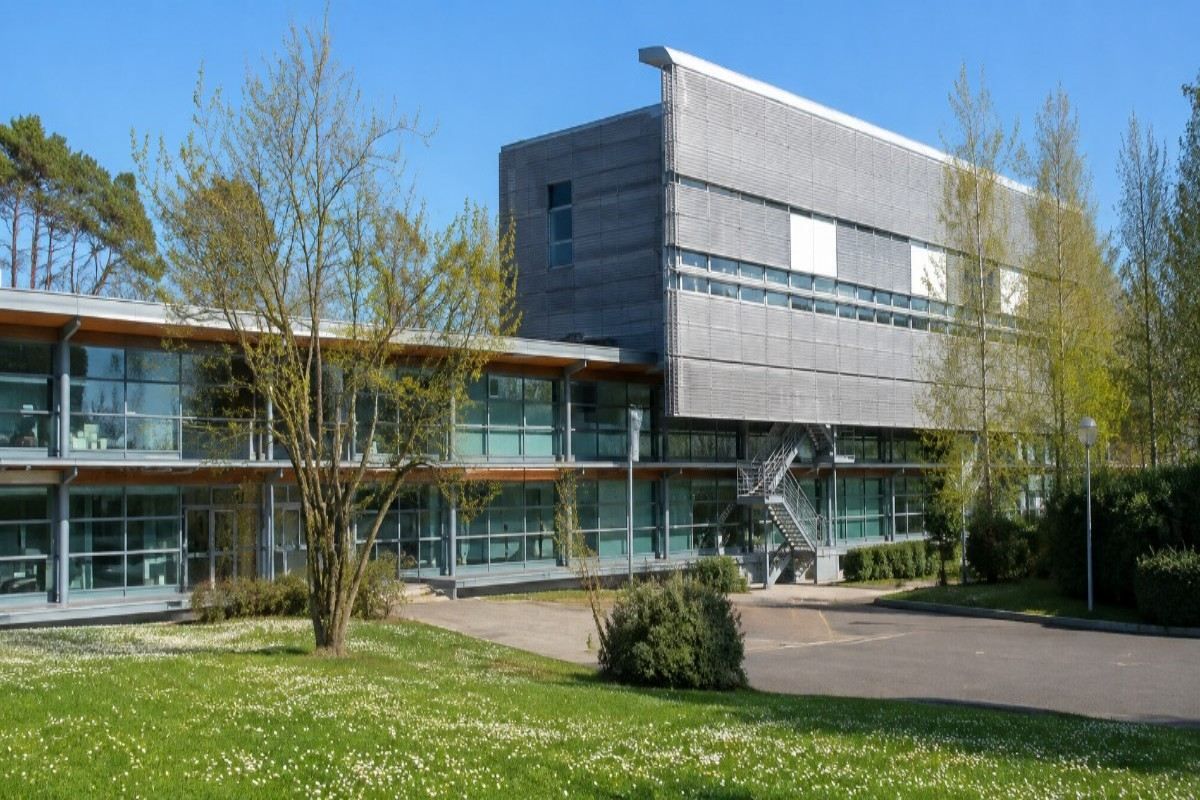
Students benefit from exceptional educational facilities including anatomy laboratories, biomedical research institutes, advanced simulation centres, clinical skills laboratories, digital learning environments, medical libraries, specialised research centres, and university hospitals equipped with cutting-edge technologies.
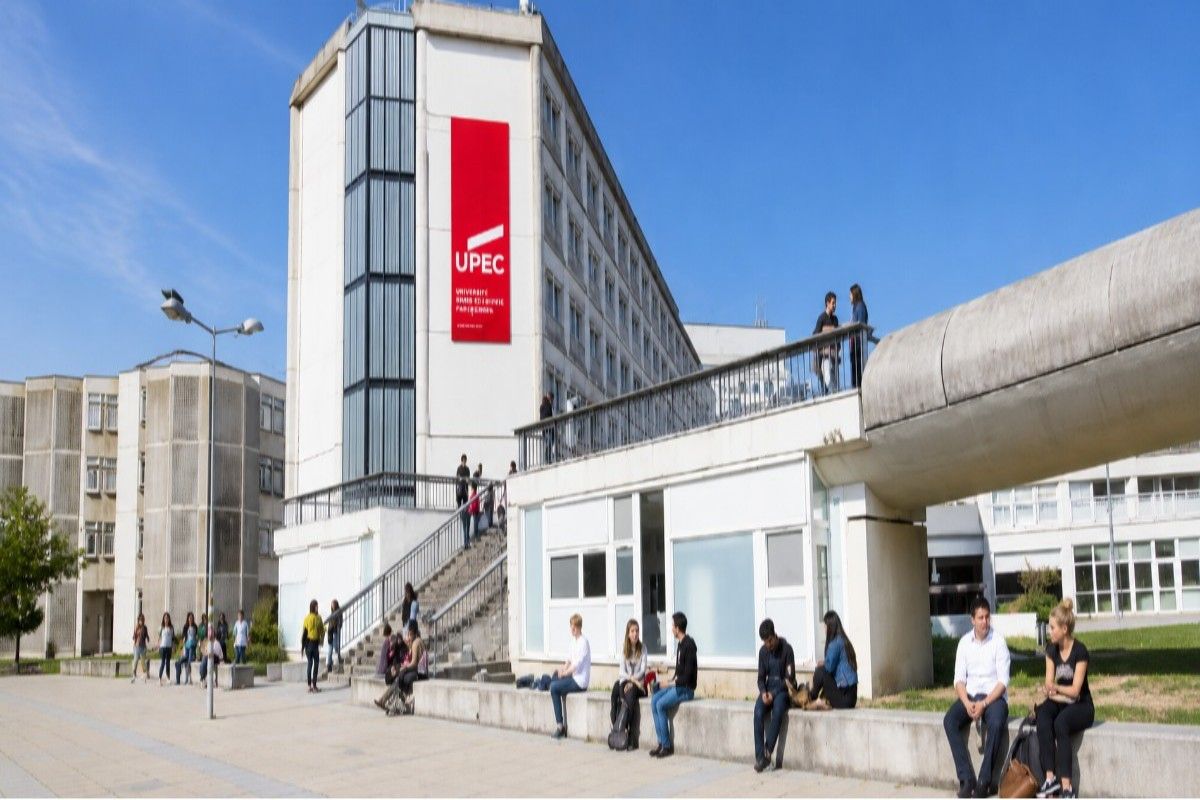
Student life offers a highly international environment with medical societies, research organisations, cultural associations, sports clubs, volunteering opportunities, entrepreneurship programmes, and student wellbeing services. The university's location near Paris provides access to one of Europe's largest healthcare systems, internationally renowned research institutions, and numerous professional opportunities.
The university provides comprehensive student support through academic advisors, research mentors, international student services, career counselling, mental health support, wellbeing programmes, and digital learning resources.
Graduates continue into residency training throughout France before pursuing careers in clinical medicine, biomedical research, academic medicine, healthcare leadership, public health, biotechnology, and international healthcare organisations.
Today, Paris-Saclay University – Faculty of Medicine continues to strengthen its global reputation through exceptional education, internationally recognised research, extensive hospital partnerships, and its commitment to advancing healthcare and medical science.
No hidden charges, no donation. The full picture of costs at MBBS in Paris Saclay University Faculty of Medicine.
Tuition Fee
Public university tuition is generally around EUR 2,850–3,900 per year for eligible international students depending on regulations (Approx.
USD 3,300–4,500 Rs. 2.8–3.9 lakh
Hostel Fee
Student accommodation generally ranges from EUR 3,800–6,500 per year (Approx. USD 4,300–7,500 or Rs. 3.8–6.5 lakh) depending on university
USD 4,300–7,500 Rs. 3.8–6.5 lakh
Food & Meals
USD 4,800 Rs. 4.1 lakh
/month
Insurance
USD 700 Rs. 60,000
/year
Donation
No Donation
No Hidden Fees
Total Estimated Cost
Approx. USD 56,000–67,000 (Entire Undergraduate Programme)
Contact us
25–35%
Average FMGE first-attempt pass rates for students from many overseas medical universities. Students from structured programs consistently score higher.
Students returning to India need to clear the FMGE/NExT exam. MBBS in Paris Saclay University Faculty of Medicine integrates exam-oriented coaching into the regular curriculum so students are prepared from day one.
A structured program that takes you from foundational sciences to clinical mastery.
• Anatomy practicals, laboratory training, simulation-based learning, problem-based learning, clinical communication, digital learning, and introductory clinical exposure.
• Human anatomy, physiology, biochemistry, molecular biology, genetics, microbiology, immunology, pathology, pharmacology, neuroscience, behavioural sciences, epidemiology, public health, medical ethics, and scientific methodology.
• Students complete supervised hospital rotations through Assistance Publique – Hôpitaux de Paris (AP-HP) hospitals, including Bicêtre Hospital, participating in ward rounds, outpatient clinics, operating theatres, emergency departments, multidisciplinary meetings, and patient management. • Evidence-based medicine, public health, healthcare leadership, patient safety, ethics, digital healthcare, and scientific research remain integrated throughout clinical education.
• Internal medicine, general surgery, paediatrics, obstetrics and gynaecology, psychiatry, cardiology, neurology, orthopaedics, emergency medicine, anaesthesiology, dermatology, ophthalmology, ENT, radiology, oncology, nephrology, endocrinology, respiratory medicine, gastroenterology, geriatrics, infectious diseases, family medicine, and community healthcare.
• Students prepare for the French national residency selection examinations while developing advanced diagnostic, clinical reasoning, prescribing, emergency care, and multidisciplinary management skills.
• Full-time clinical clerkships across university hospitals with increasing clinical responsibility.

Furnished hostel rooms with Wi-Fi, laundry, 24/7 security, and Indian mess on or near campus.
Indian restaurants and mess facilities serving vegetarian and non-vegetarian home-style food daily.
Strong Indian community with cultural events, festival celebrations, and peer support groups.
Students get hands-on clinical training in government and private hospitals affiliated with the university.
Practical information for students planning to study at MBBS in Paris Saclay University Faculty of Medicine.
Prepare for all seasons. Thermal wear for winters, light clothing for summers. University provides heating in hostels.
Student visa processed with university invitation letter. Direct and connecting flights from major Indian cities.
Health insurance included in fees. Medical facility on campus plus city hospitals easily accessible.
Local SIM cards available. WhatsApp and video calls keep you connected with family back home.
Average monthly expenses of $150–$250 covering food, transport, and personal needs.
University library, online databases, and study groups. Seniors mentor juniors through academic challenges.
Our team guides you through every step — from application to arriving on campus.
Compare on post-reform fees, city cost of living, QS ranking, and, specifically for France, the FMGL language-of-instruction question, not on rankings or advertised low fees alone.
Start DELF/TCF B2 preparation 12–18 months before your intended application. This is the step every other MBBS-abroad admission process skips, and it’s the one that determines whether the rest of this process even works for you.
Submit academic transcripts, NEET scorecard, DELF/TCF certificate, SOP, and LORs through the appropriate platform for your intended program level.
Complete the mandatory Campus France file and interview, a genuine assessment of academic and linguistic readiness, not a rubber-stamp step.
The university’s international admissions office verifies submitted documents and, where relevant, PASS/L AS eligibility
Timelines vary by platform; Parcoursup decisions for a September intake typically arrive in phases between May and July.
Apply at the French Consulate covering your region after a successful Campus France interview; the realistic processing time is 2–4 weeks.
In the final 30 days: finalise documents, arrange winter clothing, book flights, arrange currency exchange, and confirm CROUS or private housing in writing.
Complete OFII registration within the first months of arrival to validate your long-stay visa as a residence permit. Universities generally guide incoming batches through this during orientation.
Open a French bank account, get a local SIM, register for CAF housing assistance if eligible, attend orientation sessions, and begin building your study routine and connections with the local Indian student community.
Admission Helpline — Contact our counsellors for step-by-step assistance.
“The faculty here is incredibly supportive. The clinical training during hospital rotations has given me real confidence in patient care.”
“Affordable fees without compromising on quality. The campus facilities and hostel life made my transition abroad very smooth.”
“English medium instruction and WHO-recognized curriculum were the deciding factors for me. No regrets so far — excellent experience overall.”
“The university helped with everything from visa to accommodation. Hospital exposure from year three has been invaluable for my FMGE prep.”
“Just cleared my licensing exam on the first attempt. The structured coaching and mock exams during final year were a game-changer.”
“Safe campus, good food options, and a strong Indian student community. The teaching methodology is very practical and hands-on.”
A: Yes. Paris-Saclay University is one of France's leading public universities and is recognised by the French government.
A: The medical programme is primarily taught in French, and applicants are generally expected to demonstrate French language proficiency.
A: Students receive clinical education through Assistance Publique – Hôpitaux de Paris (AP-HP) hospitals, including Bicêtre Hospital.
A: Yes. Students are encouraged to participate in biomedical research, innovation projects, scientific publications, international conferences, and collaborative research initiatives.
A: Students have access to anatomy laboratories, simulation centres, biomedical research institutes, digital learning platforms, clinical skills laboratories, and advanced university hospital facilities.
A: Yes. The medical degree is recognised within France and internationally, subject to each country's licensing and registration requirements.
A: Paris-Saclay combines internationally recognised research, advanced scientific facilities, leading university hospitals, and strong collaboration with major French research organisations.
A: Yes. Students may apply for university residences, public student housing, or private accommodation throughout the Paris region.
A: Graduates pursue residency training, specialist medical practice, biomedical research, academic medicine, public health, biotechnology, healthcare administration, and international healthcare careers.
A: Applicants typically submit academic transcripts, proof of secondary education, French language proficiency documentation, passport copies, academic records, and any additional documents required under the French university admissions process.
Our expert counsellors will guide you through the complete admission process — from documents to airport pickup.