Q1. When was Pham Ngoc Thach University of Medicine founded?
+It started in 1989 as a healthcare staff training centre, and was officially recognised as a university in 2008.
 Vietnam | Est. 1989
Vietnam | : A public university under the Ho Chi Minh City People's Committee, with professional oversight from Vietnam's Ministry of Health and Ministry of Education and Training. | Vietnamese, with enhanced English. medium
Expert will call you within 2 hours
Most people just call it PNTU. There's a real person behind that name, and it's worth knowing who before anything else. Dr Pham Ngoc Thach was a Vietnamese physician, born in 1909, trained in France, who came home to found the country's Central Anti-TB Institute and later became a central figure in Vietnam's public health system before he died in 1968. He got the Ho Chi Minh Prize posthumously in 1996. So this isn't some generic name slapped on a building — it's an honoured one.
Here's something a lot of write-ups skip right past. PNTU didn't start as a university at all. It began in 1989 as a training centre for healthcare staff in Ho Chi Minh City, and it only got officially recognised as a full university on 7 January 2008, through a Prime Minister's resolution. Nearly two decades of its history happened before it was even called a university.
There's another thing worth flagging, and it's genuinely unusual. For a good chunk of its history, PNTU only took students who held Ho Chi Minh City household registration — locals, basically. It later opened up nationally, but that city-only admissions policy is a real part of its early story, and it's what set it apart from the city's other major medical school, which never had that restriction.
It's a public university, though not run quite the way most Vietnamese medical schools are. PNTU sits under the direct management of the Ho Chi Minh City People's Committee — the city government itself — with the Ministry of Health and Ministry of Education and Training providing professional oversight rather than direct control. Clinical training happens across hospitals in the city's healthcare network.
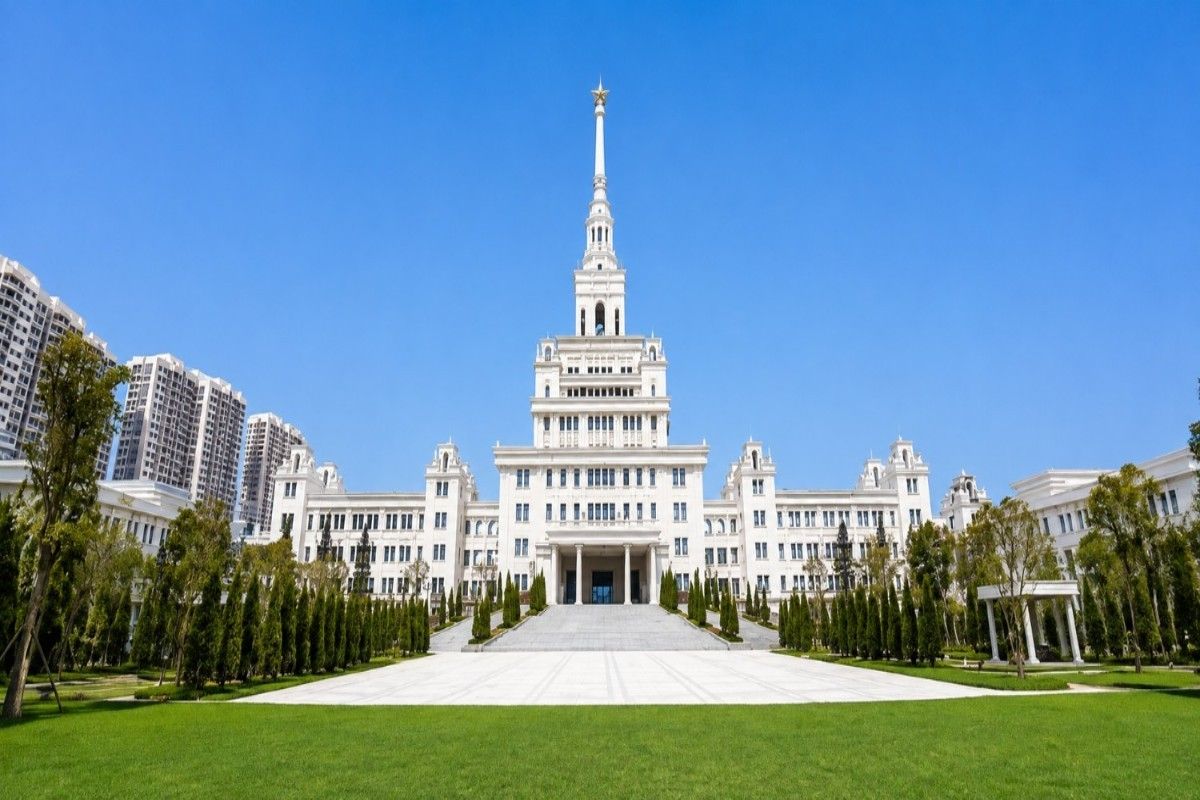
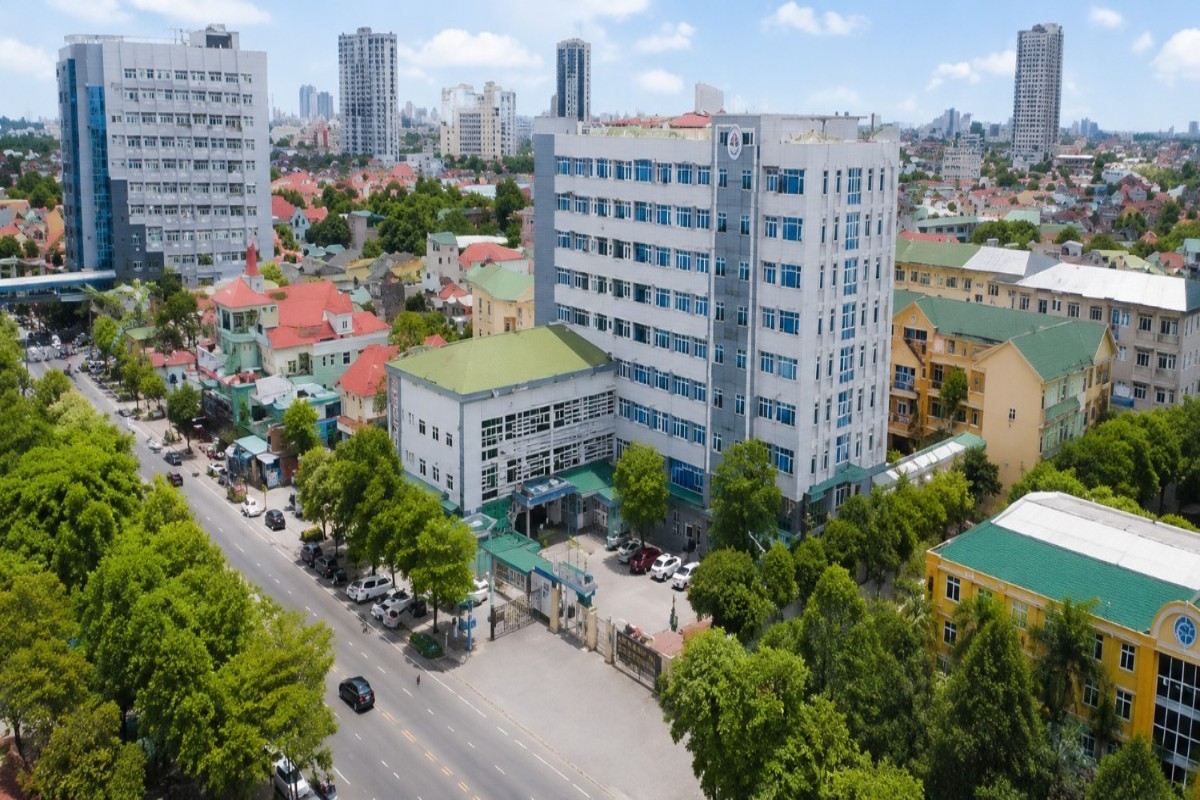
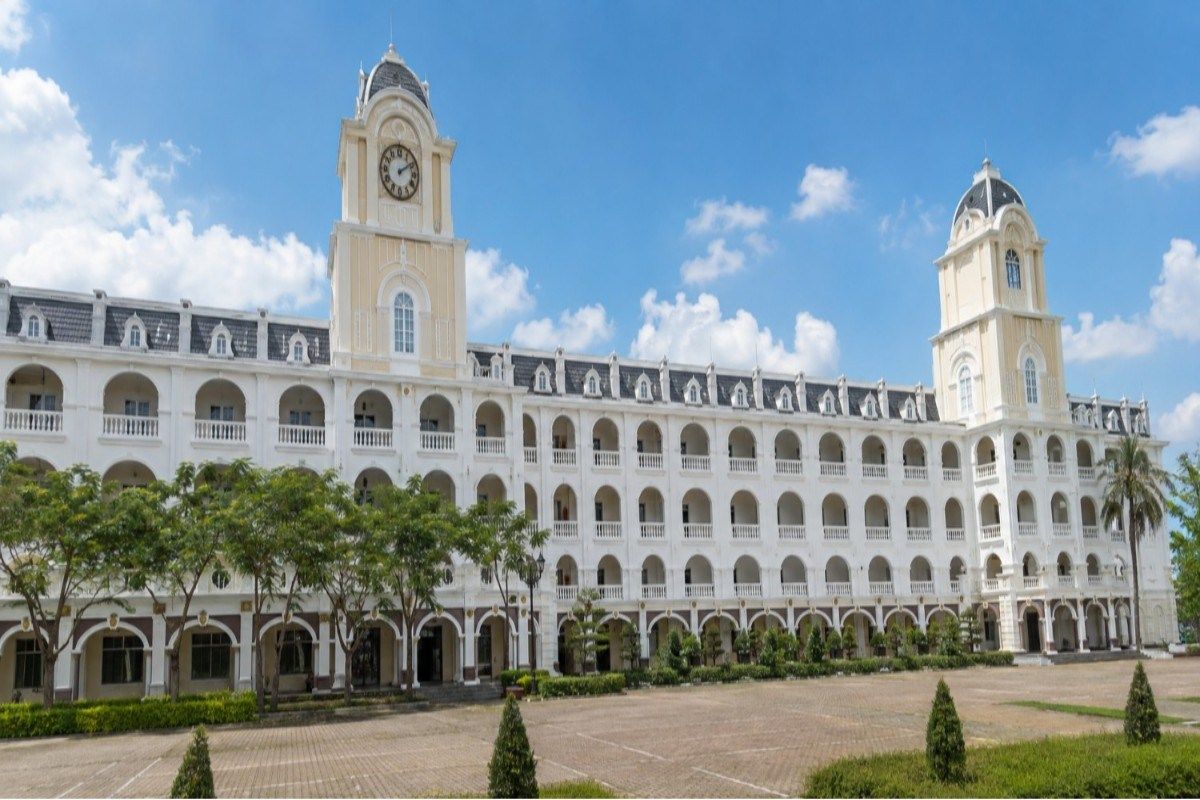
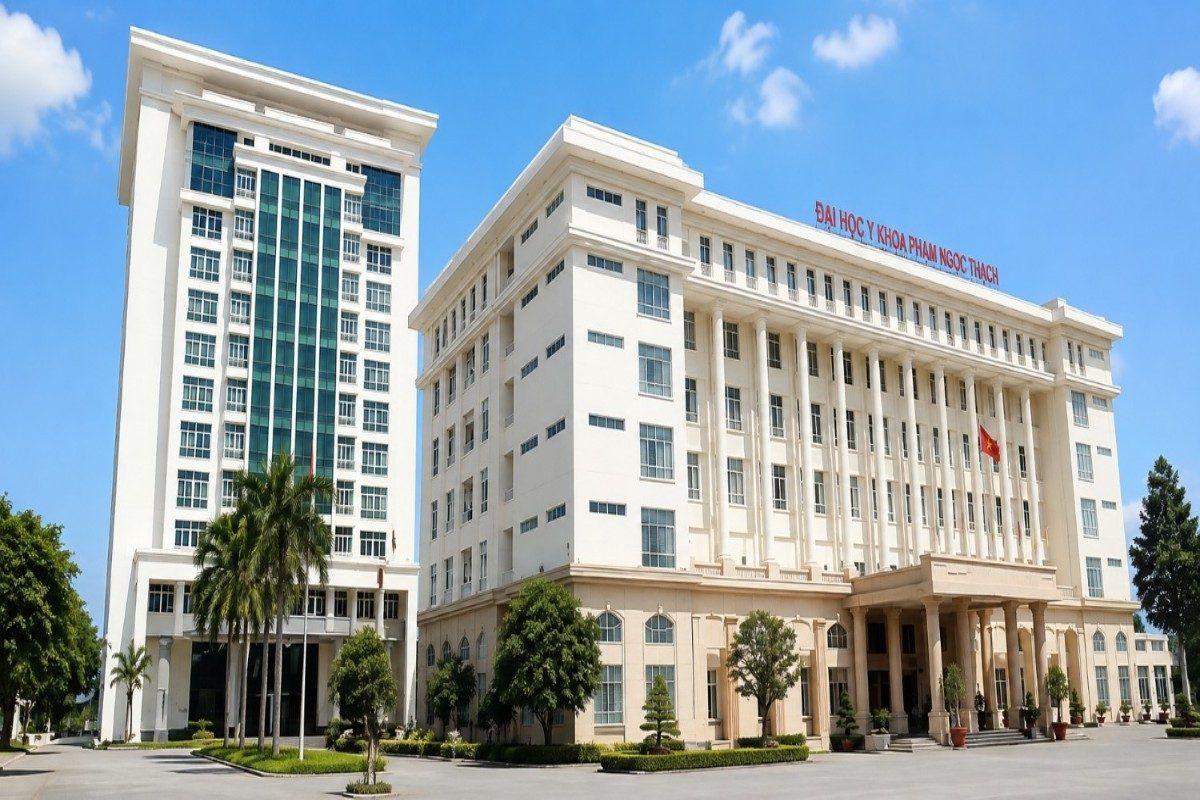
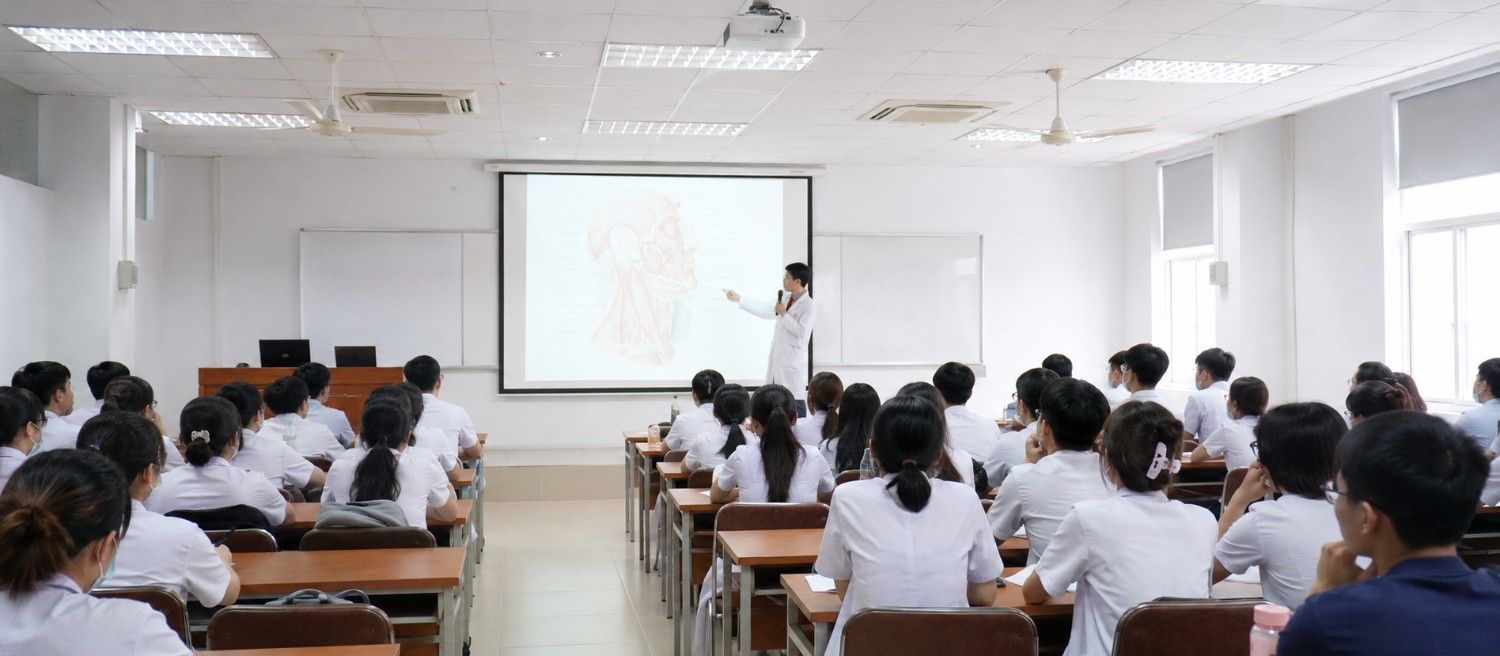
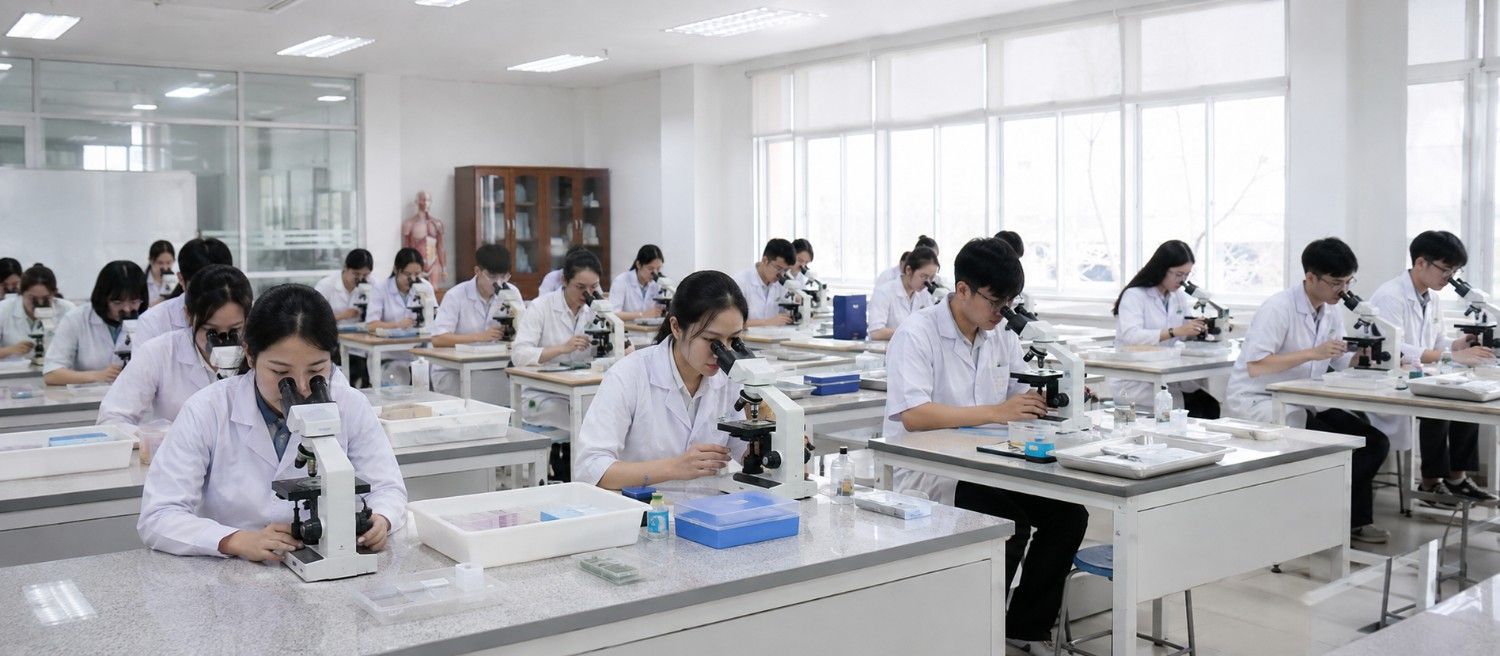
Ho Chi Minh City is Vietnam's biggest city and its main economic and healthcare hub, and PNTU sits right inside that busy environment, with a modern campus built around labs, lecture halls, and libraries. Being based here means students train inside one of the country's busiest hospital systems, not somewhere on the periphery.
What really stands out about PNTU is how tied to the city it's remained, even after opening up nationally. Over roughly twenty years, it ran 14 full-time regular courses, turning out more than 1,400 general practitioners along with thousands of nurses — a track record built specifically around Ho Chi Minh City's own staffing needs.
Let's be straight about this. Medicine at PNTU isn't a Staatsexamen-style degree, and it doesn't run on an imported American or European curriculum either — it follows Vietnam's own national medical education model. It trains students across General Medicine, Nursing, Pharmacy, and Public Health, with General Medicine leading to a degree treated as MBBS-equivalent internationally.
Vietnamese carries the standard programme. PNTU was built primarily to serve Ho Chi Minh City, and later the wider country, rather than being designed from the start with international students in mind.
Getting in usually runs through Vietnam's national university entrance exam system — the standard route domestic students take for medical programmes across the country. If you're an international applicant, India included, you'll want to check directly with PNTU what pathway actually applies, since this school's history and structure differ quite a bit from Vietnam's newer, internationally focused private medical schools.
On cost, PNTU sits toward the pricier end among Vietnam's medical universities. Reported figures put annual tuition for the medicine programme at around 169.6 million VND, paid in two instalments, following a sharp increase reported for the 2026-2027 academic year — one of the steepest jumps among Vietnam's public medical schools recently.
Parameter | Details |
Founded | 1989 as a healthcare staff training centre in Ho Chi Minh City; officially recognised as a university in 2008 |
Institution Type | Public university, under the direct management of the Ho Chi Minh City People's Committee |
Location | Ho Chi Minh City, Vietnam |
Programme | General Medicine (MBBS-equivalent), alongside Nursing, Pharmacy, and Public Health |
Duration | Confirm current structure directly, generally 6 years including clinical training |
Medium of Instruction | Vietnamese |
Admission Route | Vietnam's national entrance exam system for domestic students; international applicants should confirm the specific route directly |
Teaching Hospital | Hospitals across Ho Chi Minh City's public healthcare network |
Fee Component | Amount | Notes |
Annual Tuition (General Medicine) | Approx. 169.6 million VND per year | Paid in two instalments, after a recent tuition increase |
Fee Trend | Rising sharply in recent years | 2026-2027 figures mark one of the steepest jumps among Vietnam's public medical schools |
Living Costs | Approx. USD 300 to 500 per month | Covers rent, food, transport, and leisure in Ho Chi Minh City |
Hostel Accommodation | Confirm current rate | Availability and cost vary by intake year |
Registration and Other Charges | Varies | Confirm current one-time and incidental costs directly |
Donation | No Donation | Fees are tuition-based |
Most competing pages don't explain this properly. Dr Pham Ngoc Thach wasn't just a symbolic namesake — he founded Vietnam's Central Anti-TB Institute, helped shape the country's early public health system, and was posthumously given the Ho Chi Minh Prize. Naming the university after him ties it to a real medical legacy, not a marketing choice.
A lot of guides treat every public medical university in Vietnam as run the same way. PNTU isn't. It sits under Ho Chi Minh City's own local government rather than a national ministry directly, and for years it only took students with city household registration — a genuinely local training pipeline that's rare among Vietnam's medical schools.
Let's be fair about this. PNTU's standard programme runs in Vietnamese, and the school was built around domestic, specifically city-based training rather than an international student base — so applicants from abroad really do need to check what, if anything, applies to them. Tuition's also climbed sharply in recent cycles, putting it toward the pricier end of Vietnam's public medical schools. So who's this for? Students drawn to a school with a genuine local healthcare mission and a namesake tied to real Vietnamese medical history, who don't mind confirming language and admission details directly before applying. If an English-medium, internationally built medical track is what you're after, some of Vietnam's newer private medical universities are built specifically for that. Still, if a well-established, city-run medical school with real historical weight behind its name appeals to you, PNTU's worth a proper look.
No hidden charges, no donation. The full picture of costs at MBBS in Pham Ngoc Thach University of Medicine.
Tuition Fee
$3,250 USD
VND 81,000,000/year for Medicine for 2026–27.
Hostel Fee
not operate a large conventional on-campus student dormitory at its main District 10 medical campus.
o standard PNTU hostel fee is published for the Medicine programme.
Food & Meals
US$330–650/month.
per month
Insurance
VND 683,100/year, after the government's 50% subsidy.
per year
Donation
No Donation
No Hidden fee
Total Estimated Cost
VND 1.07–1.64 billion
6 year
25–35%
Average FMGE first-attempt pass rates for students from many overseas medical universities. Students from structured programs consistently score higher.
Students returning to India need to clear the FMGE/NExT exam. MBBS in Pham Ngoc Thach University of Medicine integrates exam-oriented coaching into the regular curriculum so students are prepared from day one.
A structured program that takes you from foundational sciences to clinical mastery.
General education, professional ethics, information/communication skills and introductory medical English form part of the early curriculum. The university's foreign-language department specifically provides medical English training.
Students establish the scientific foundation of medicine through subjects such as biology, chemistry, biochemistry, anatomy, physiology and other foundational biomedical sciences.
Students develop understanding of mechanisms of normal body function and disease before moving into major clinical disciplines.
The curriculum progresses into physiology, biochemistry, microbiology, immunology, pathology and pharmacological foundations.
Clinical-skills development becomes increasingly important as students prepare for hospital-based learning.
Students transition from predominantly basic sciences toward pathology, pathophysiology, pharmacology, microbiology and clinical diagnostic disciplines.
Students undertake supervised clinical practice in affiliated healthcare facilities while continuing university-based theoretical and skills teaching.
The programme moves substantially into internal medicine, general surgery, pediatrics, obstetrics and gynecology and other major clinical specialties.
Clinical practice occupies a major proportion of the programme, allowing students to apply biomedical knowledge to real patients.
Students continue rotations in internal medicine and surgery, together with specialties such as pediatrics, obstetrics and gynecology and other hospital disciplines.
Students complete Year 6 clinical rotations under supervision and consolidate diagnostic, therapeutic, emergency-care and professional competencies. • The university's clinical simulation centre supports practical skills training and
The final year emphasizes advanced clinical practice and integrated patient management across major medical specialties.
Furnished hostel rooms with Wi-Fi, laundry, 24/7 security, and Indian mess on or near campus.
Indian restaurants and mess facilities serving vegetarian and non-vegetarian home-style food daily.
Strong Indian community with cultural events, festival celebrations, and peer support groups.
Students get hands-on clinical training in government and private hospitals affiliated with the university.
Practical information for students planning to study at MBBS in Pham Ngoc Thach University of Medicine.
Prepare for all seasons. Thermal wear for winters, light clothing for summers. University provides heating in hostels.
Student visa processed with university invitation letter. Direct and connecting flights from major Indian cities.
Health insurance included in fees. Medical facility on campus plus city hospitals easily accessible.
Local SIM cards available. WhatsApp and video calls keep you connected with family back home.
Average monthly expenses of $150–$250 covering food, transport, and personal needs.
University library, online databases, and study groups. Seniors mentor juniors through academic challenges.
Our team guides you through every step — from application to arriving on campus.
Compare based on fees, clinical exposure starting year, city, and current NMC/WDOMS status, not just the cheapest headline number. This comparison step is where most of the confusion about MBBS in Vietnam and the fees for Indian students is actually resolved.
Submit academic transcripts and NEET scorecard to the university, either directly or through an authorised admission partner.
The university's international admissions office verifies submitted documents and academic eligibility.
Most universities issue this within 5–10 working days of document approval, though this can take longer during peak intake season.
Pay the first-year fee or an agreed-upon advance to confirm your seat.
The university registers your Letter of Invitation with the relevant Vietnamese education authority before the visa stage begins.
Apply for the student visa at the Vietnamese embassy/consulate in India; realistic processing time is 10–20 working days.
Book travel, confirm arrival dates with the university's international office, finalise documents, and arrange insurance in the final 30 days.
Complete on-arrival registration with local authorities within the required window (commonly 3–5 working days) — this is what legally covers your stay for the semester, not the entry visa alone.
Open a local bank account, get a local SIM card, attend orientation (including basic language sessions where offered), and start building routine and community connections.
Admission Helpline — Contact our counsellors for step-by-step assistance.
“The faculty here is incredibly supportive. The clinical training during hospital rotations has given me real confidence in patient care.”
“Affordable fees without compromising on quality. The campus facilities and hostel life made my transition abroad very smooth.”
“English medium instruction and WHO-recognized curriculum were the deciding factors for me. No regrets so far — excellent experience overall.”
“The university helped with everything from visa to accommodation. Hospital exposure from year three has been invaluable for my FMGE prep.”
“Just cleared my licensing exam on the first attempt. The structured coaching and mock exams during final year were a game-changer.”
“Safe campus, good food options, and a strong Indian student community. The teaching methodology is very practical and hands-on.”
It started in 1989 as a healthcare staff training centre, and was officially recognised as a university in 2008.
A pioneering Vietnamese physician who founded the country's Central Anti-TB Institute and later shaped its public health system.
No — the standard General Medicine programme runs in Vietnamese.
Domestic applicants generally go through Vietnam's national entrance exam system; international applicants should confirm the route directly with PNTU.
Roughly 169.6 million VND a year for General Medicine, after a recent sharp tuition increase.
A General Medicine degree, treated as MBBS-equivalent internationally.
Hospitals across Ho Chi Minh City's public healthcare network.
Not automatically — international graduates would need to confirm recognition and clear any required exam, like India's NExT, separately.
Public, run under the direct management of the Ho Chi Minh City People's Committee.
For years it only admitted students with Ho Chi Minh City household registration — a locally focused training pipeline that's rare among Vietnam's medical schools.
Our expert counsellors will guide you through the complete admission process — from documents to airport pickup.