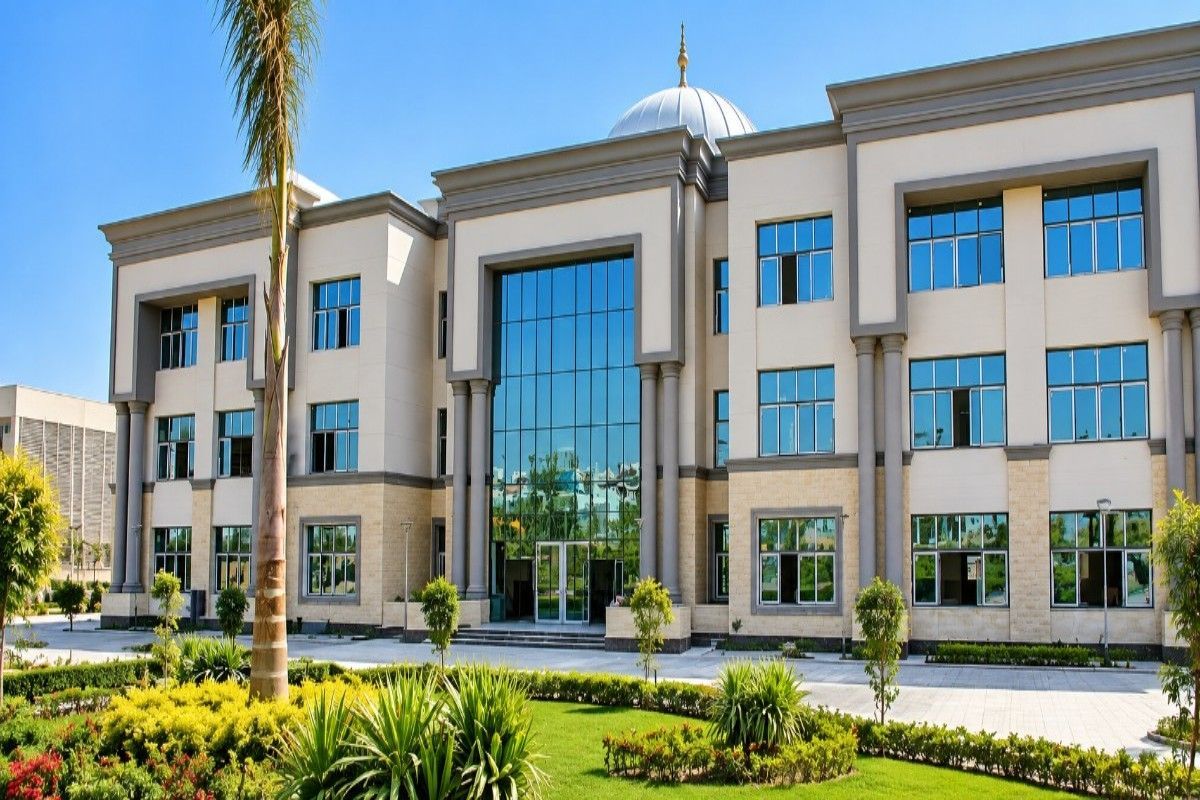
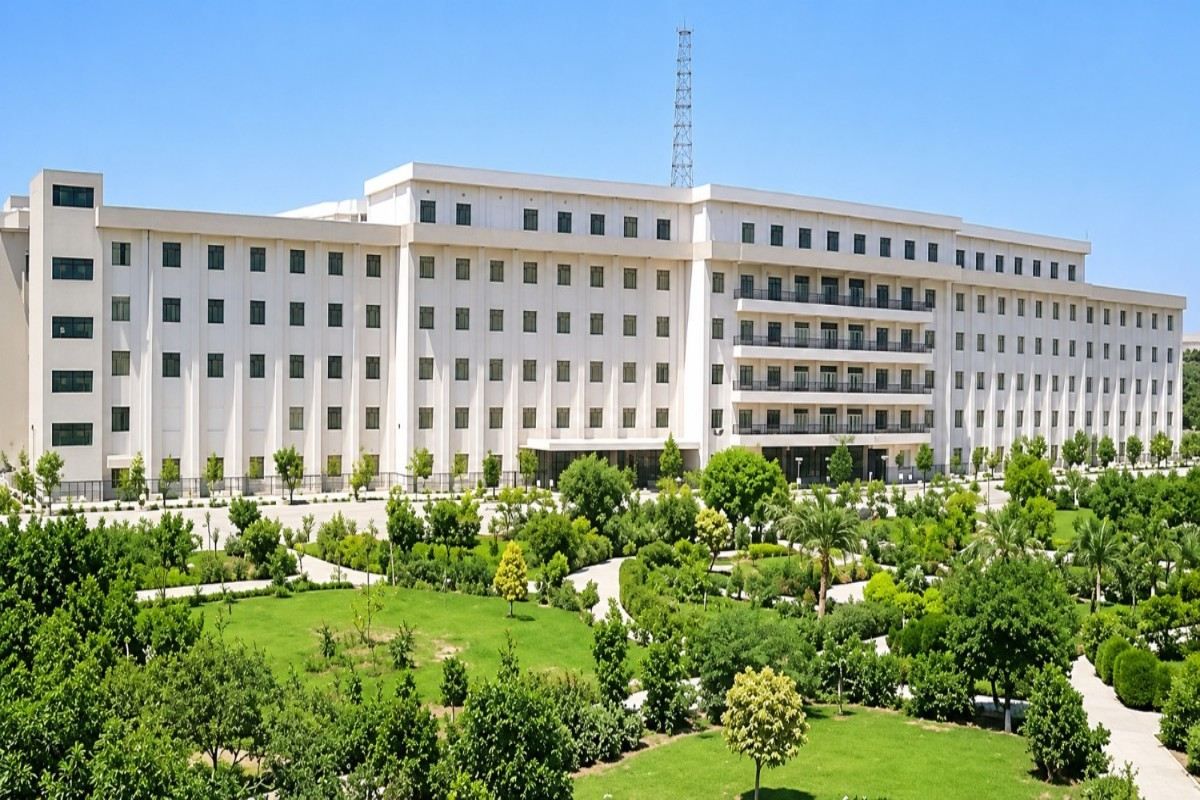
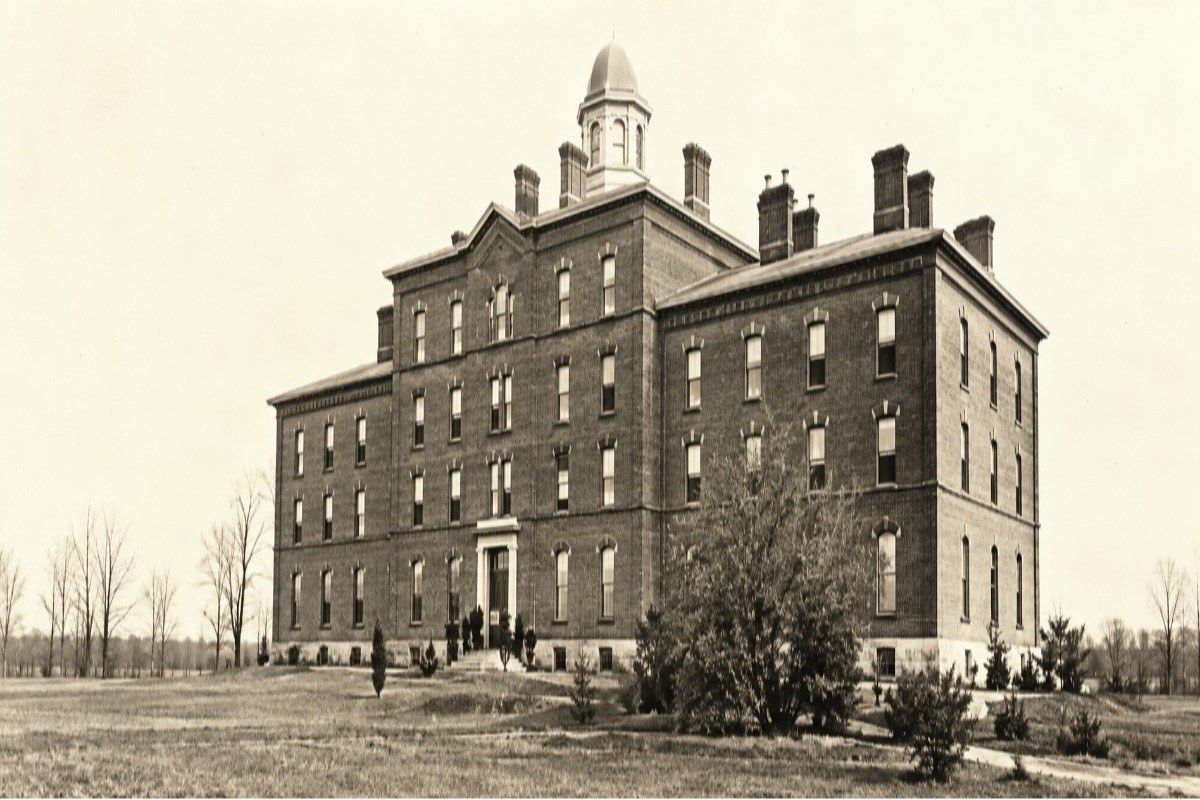
The Qena Faculty of Medicine, part of what was historically known as South Valley University (recently renamed Qena University following its formal independence and rebranding), occupies a distinctive position in Egyptian medical education as the principal medical training institution for Upper Egypt's southernmost governorates. Originally established in 1995 as a branch of Assiut University before gaining full independence, South Valley University serves an enormous geographic area spanning Qena, Luxor, and the Red Sea governorates, covering, by some estimates, nearly 20% of Egypt's total land area, even though much of this is desert terrain with a population concentrated along the Nile corridor.
The Faculty of Medicine in Qena trains physicians for a region with genuinely distinct healthcare needs compared to Cairo or the Delta: a population spread across smaller towns and agricultural communities along the Nile, significant tourism-related healthcare demand (Luxor's Valley of the Kings draws millions of visitors annually, generating its own category of medical tourism infrastructure), and the public health challenges typical of Upper Egypt, including a higher burden of endemic parasitic disease, anaemia, and maternal-child health needs than in more urbanised Lower Egypt. Clinical training takes place primarily at Qena University Hospital and affiliated teaching hospitals across the South Valley network.
Qena's MBBCh programme follows the standard Egyptian six-year structure (five academic years plus a mandatory one-year rotating internship) regulated by the Supreme Council of Egyptian Universities and the National Authority for Quality Assurance and Accreditation of Education (NAQAAE). Tuition fees for international students are notably affordable compared with the global MD/MBBS market, reflecting both the university's public-sector funding model and Qena's lower cost of living compared with Cairo or Alexandria. For Indian students, this affordability, combined with WHO/WDOMS listing and an established pathway to NMC verification for NExT eligibility, makes Qena one of the lower-barrier entry points into Egyptian medical education, albeit one that requires genuine comfort with life in a smaller, more traditional Upper Egyptian city rather than in Cairo's cosmopolitan environment.