1. What makes Queen Mary's Faculty of Medicine and Dentistry different from typical "MBBS abroad" options?
+It is a GMC-recognised UK medical degree with roots to 1843, not a lower-cost entry route, priced and structured accordingly.
 Uk | Est. 1995
Uk | General Medical Council accredited | English medium
Expert will call you within 2 hours
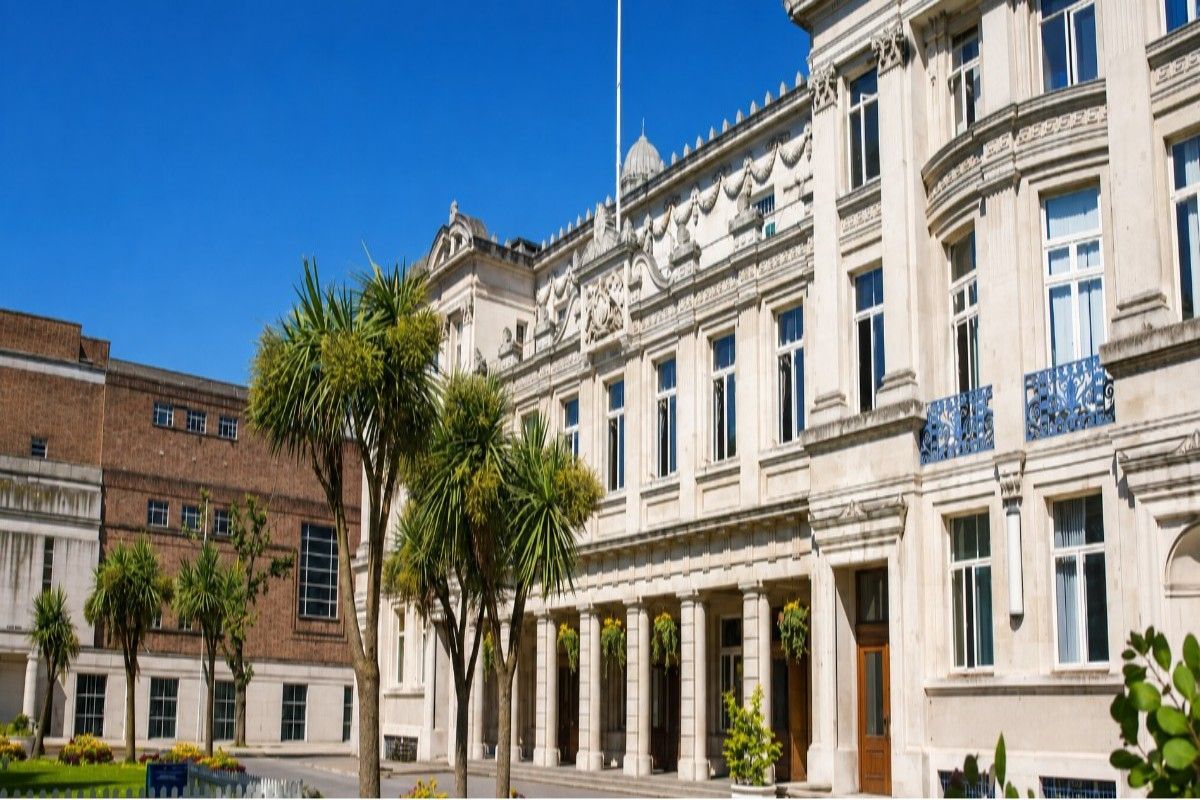
Queen Mary University of London houses the medical school in Barts and The London School of Medicine and Dentistry, one of the longest-standing UK medical schools. The origins of Barts date back to St Bartholomew's Hospital Medical College opened in 1843, while the Royal London Hospital, whose land has been providing healthcare since 1123, is considerably older. The modern medical faculty came into being in 1995 following the merger of the two London medical colleges and subsequent joining Queen Mary University of London.
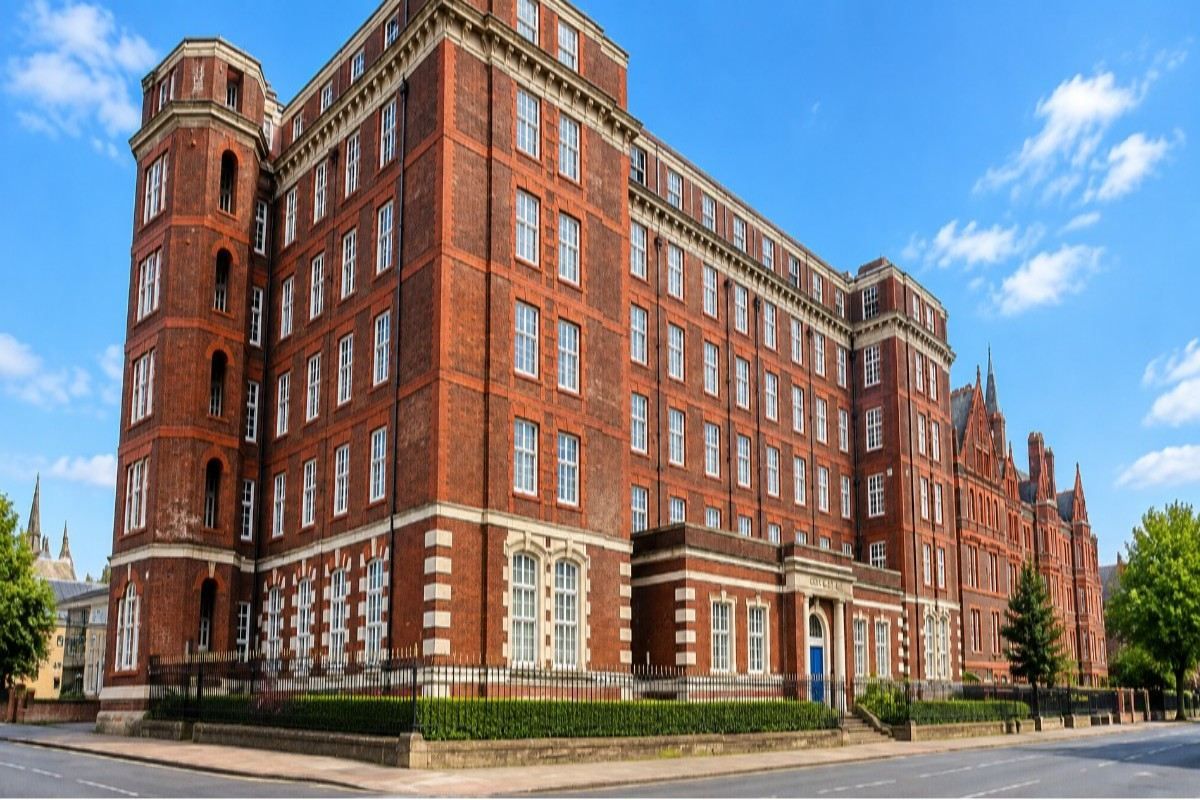
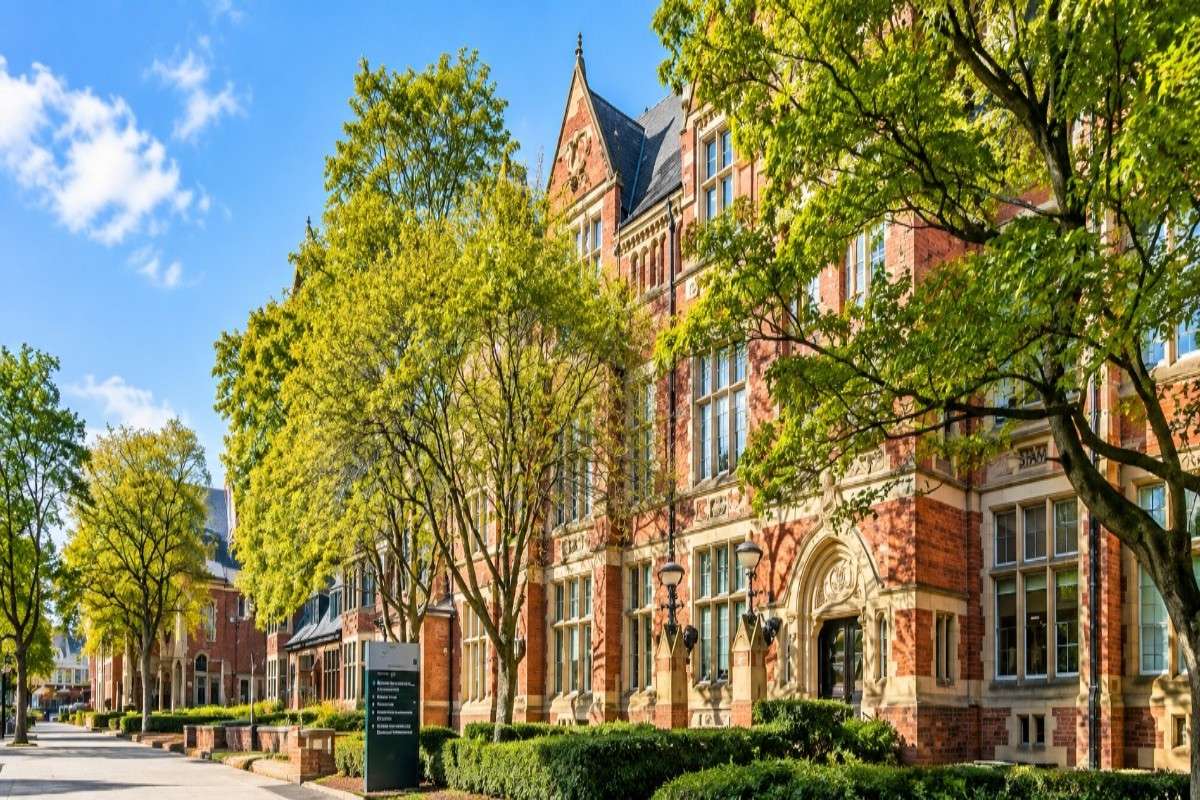
Nowadays, lectures take place at three main sites: Whitechapel, Charterhouse Square, and Mile End. The Whitechapel site focuses on the Royal London Hospital and Blizard Institute, while the Charterhouse Square site is linked to St Bartholomew's Hospital. Most of the university environment is available at Mile End.
The five-year MBBS program features a spiral curriculum where medical subjects are introduced in progressively more complex iterations. The first two years are devoted to Body in Health and Mechanisms of Disease through a combination of scientific basics and problem-based and team-based learning. Years 3 and 4 have a strong emphasis on clinical practice via hospital-based training, primarily at Royal London and associated East London hospitals. In Year 5, students work on Preparation for Practice and acquire greater responsibility in clinical practice prior to entering the Foundation Programme.
Clinical experience starts relatively early rather than being delayed till the latter stages. Students interact with patients as soon as the first term and complete a great number of Student Selected Components throughout the five-year program to allow exploring individual medical interest alongside the core curriculum.
Admission is certainly the biggest challenge for international applicants. As of the academic year 2026-27, there are approximately 311 Home places and just 24 Overseas places on the five-year MBBS program at Queen Mary University of London.
The standard academic requirement is A*AA at A-level, including Chemistry or Biology, or 37 points in the International Baccalaureate with 6, 6, 6 at Higher Level. Applicants need to pass the UCAT test. According to recent data, international candidates have to have outstanding UCAT results, the scores being around the top end of the scale.
It is important to understand that the NEET exam is not a part of the UK's medical admission process. The admission to Queen Mary University of London is based on the university's admission criteria. However, the NEET qualification and India's National Exit Test become relevant in a separate capacity when it comes to using the obtained medical degree for practicing medicine in India.
The financial expense is huge. The tuition fees of international students were around £48,700 for the intake of 2025-26, while the subsequent published schedules had around £50,000 or even higher depending on the academic year and the study level. Thus, tuition alone over five years is going to exceed £250,000. Moreover, Queen Mary University of London might increase the fees for continuing international students according to its published policies.
Scholarship possibilities are quite limited compared to the overall cost. For instance, the John Abernethy Scholarship grants approximately £5,000 per year but is granted to just a few medical and dental students. Therefore, it can be considered additional financial aid rather than a means of decreasing the cost of the degree significantly.
Living in London is costly as well. Medical students can get accommodation around Whitechapel and Charterhouse Square, the published 2026-27 accommodation prices being around £177 to £329 per week depending on the residence and room type. Additional expenses like food, transportation, insurance, flights, and others should be added on top.
In return, the student gets the GMC-recognized UK medical degree from the Russell Group research university combined with clinical training in major East London hospitals. In particular, the Royal London Hospital provides an opportunity to interact with a diverse patient population, while the whole environment of Queen Mary University of London enables access to biomedical research facilities.
Thus, for an Indian student, the key benefit is not low cost but access to the UK medical system. The graduates will be able to pursue the goal of GMC registration and potentially enter the UK medical training. At the same time, the students planning to return to India have to independently satisfy the NMC requirements including the relevant NEET and National Exit Test.
On balance, Barts and The London School of Medicine can be seen as a premium UK medical education rather than the "MBBS abroad" offer. The strengths include historic clinical institutions, research environment, early patient contact, integrated curriculum, and pathway into the UK medical training. The main weaknesses consist of the extremely small international intake, highly competitive UCAT-based selection, London living costs, and tuition of up to £250,000 over five years. Therefore, Barts and The London cannot be seen as a sensible alternative for families seeking affordable foreign medical education, but it becomes a much more attractive option for students targeting UK medical training.
No hidden charges, no donation. The full picture of costs at MBBS In Queen Mary University of London Faculty of Medicine and Dentistry.
Tuition Fee
£53,950 per year
GBP 53,950 Approx. INR ₹68,87,000
Hostel Fee
Vary by residece and accommodation type.
GBP 10,000–£16,000 Approx. INR ₹12,77,000–₹20,43,000
Food & Meals
GBP 3,000–£5,000 Approx. INR ₹3,83,000–₹6,39,000
Per Year
Insurance
GBP 1,000–£2,000 Approx. INR ₹1,28,000–₹2,55,000
Per Year
Donation
No donation
No hideen fee
Total Estimated Cost
GBP 68,250–£77,750 Approx. INR ₹87,13,000–₹99,26,000
5 Year
25–35%
Average FMGE first-attempt pass rates for students from many overseas medical universities. Students from structured programs consistently score higher.
Students returning to India need to clear the FMGE/NExT exam. MBBS In Queen Mary University of London Faculty of Medicine and Dentistry integrates exam-oriented coaching into the regular curriculum so students are prepared from day one.
A structured program that takes you from foundational sciences to clinical mastery.
• Cell biology, anatomy, physiology and biochemistry taught through systems-based, problem-based learning modules • Early patient contact, communication skills training, and introduction to clinical and professional behaviours
Foundations of medical science, anatomy, physiology, human biology, clinical skills, communication, professionalism and introduction to patient care.
• Pathology, pharmacology, microbiology and immunology, linking normal body systems to disease processes • Continued problem-based learning alongside anatomy and histology practicals and further clinical placements
Continued scientific and clinical education, pathology, pharmacology, disease processes, clinical reasoning and increasing patient contact.
• Transition into hospital-based clinical firms at the Royal London Hospital and affiliated East London trusts • Core rotations across medicine and surgery, plus the option to begin an intercalated BSc degree
Core clinical medicine and surgery through hospital and community placements, with development of diagnostic and management skills.
• Extended clinical attachments in obstetrics and gynaecology, paediatrics, psychiatry and general practice • Deepening diagnostic reasoning and patient management skills across a wider range of specialties
Advanced clinical specialties, professional practice, clinical decision-making and further patient-facing education.
• Supervised clinical responsibility, assistantship placements and an overseas or UK-based elective period • Final OSCEs and written assessments preparing students for the UK Foundation Programme
Final clinical placements, advanced medical and surgical training, professional development and preparation for postgraduate medical practice.
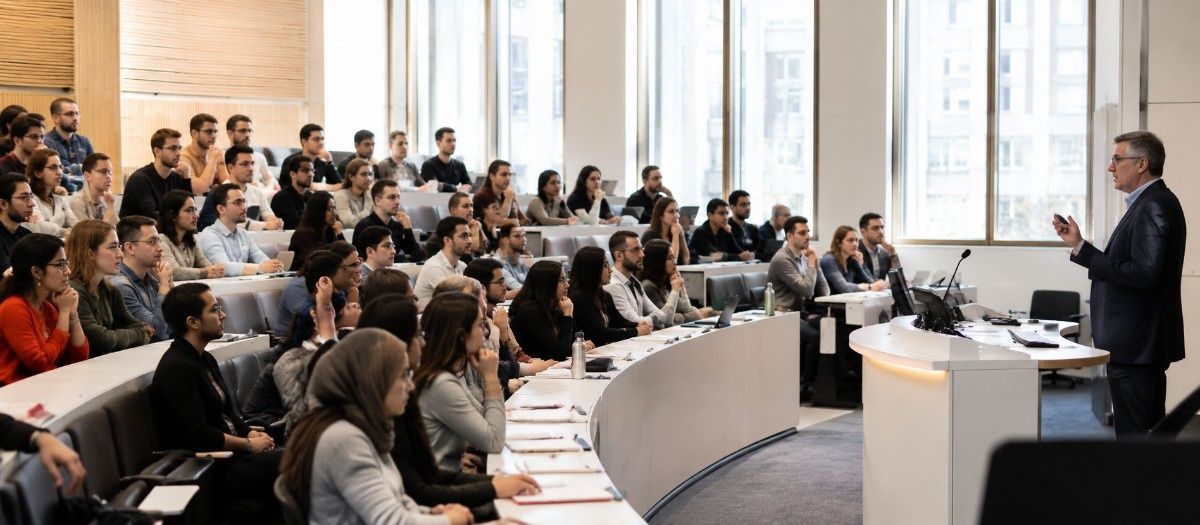
Furnished hostel rooms with Wi-Fi, laundry, 24/7 security, and Indian mess on or near campus.
Indian restaurants and mess facilities serving vegetarian and non-vegetarian home-style food daily.
Strong Indian community with cultural events, festival celebrations, and peer support groups.
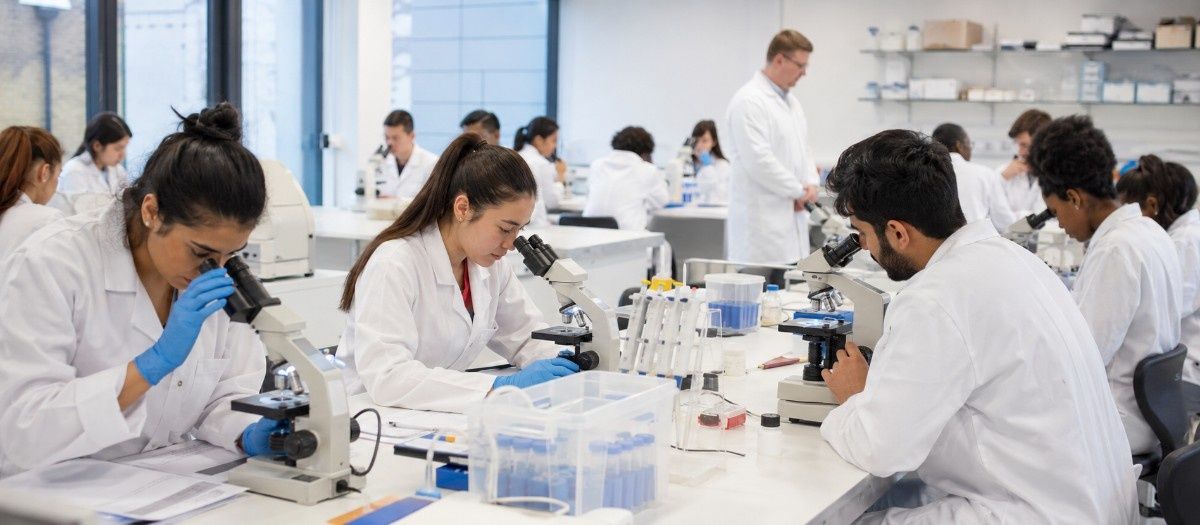
Students get hands-on clinical training in government and private hospitals affiliated with the university.
Practical information for students planning to study at MBBS In Queen Mary University of London Faculty of Medicine and Dentistry.
Prepare for all seasons. Thermal wear for winters, light clothing for summers. University provides heating in hostels.
Student visa processed with university invitation letter. Direct and connecting flights from major Indian cities.
Health insurance included in fees. Medical facility on campus plus city hospitals easily accessible.
Local SIM cards available. WhatsApp and video calls keep you connected with family back home.
Average monthly expenses of $150–$250 covering food, transport, and personal needs.
University library, online databases, and study groups. Seniors mentor juniors through academic challenges.
Our team guides you through every step — from application to arriving on campus.
Compare universities based on fees, city, UCAT requirements, and clinical exposure, starting 12–18 months before your intended entry, not the cycle you’re applying in.
Registration opens in May; the testing window runs July–September. Most successful applicants begin focused preparation 3–4 months ahead, alongside board exam preparation.
Book and complete IELTS, PTE, or TOEFL well ahead of the UCAS deadline, allowing time for a retake if needed.
Submit your application, including personal statement and up to 4 medicine choices, before the 15 October deadline.
Prepare for and attend interviews (MMI or Panel format) typically scheduled November through February.
Offers (conditional or unconditional) typically arrive through winter and spring; conditional offers require meeting stated academic and English-score conditions.
Once Class 12 results and any other conditions are confirmed, your university issues the Confirmation of Acceptance for Studies (CAS), which is required for your visa application.
Apply using your CAS reference number; arrange maintenance funds according to the 28-day rule well in advance rather than at the last minute.
Book flights, confirm accommodation, complete any on-arrival formalities during orientation week, open a local bank account, and begin building connections with your university’s Indian/South Asian student community.
Admission Helpline — Contact our counsellors for step-by-step assistance.
“The faculty here is incredibly supportive. The clinical training during hospital rotations has given me real confidence in patient care.”
“Affordable fees without compromising on quality. The campus facilities and hostel life made my transition abroad very smooth.”
“English medium instruction and WHO-recognized curriculum were the deciding factors for me. No regrets so far — excellent experience overall.”
“The university helped with everything from visa to accommodation. Hospital exposure from year three has been invaluable for my FMGE prep.”
“Just cleared my licensing exam on the first attempt. The structured coaching and mock exams during final year were a game-changer.”
“Safe campus, good food options, and a strong Indian student community. The teaching methodology is very practical and hands-on.”
It is a GMC-recognised UK medical degree with roots to 1843, not a lower-cost entry route, priced and structured accordingly.
Yes. The entire five-year A100 programme is taught and assessed in English.
No, admission runs through UCAS and UCAT, but a NEET-qualifying score is still required to practise in India later.
Roughly 24 Overseas places against about 311 Home places for the September 2026 five-year MBBS intake.
The UCAT, alongside A*AA at A-level or IB 37 points, with international cutoffs typically higher than Home applicant cutoffs.
Yes, provided they hold a NEET-qualifying score at admission and later clear India's National Exit Test (NExT)
International tuition alone can exceed GBP 250,000 across five years, before living costs in London are added.
Medical and dental students have dedicated halls at Whitechapel (Floyer House) and Charterhouse Square (Dawson Hall).
Yes, students can take an extra year between Years 3 and 5 to complete an additional BSc qualification.
Primarily the Royal London Hospital and St Bartholomew's Hospital, both part of Barts Health NHS Trust.
Our expert counsellors will guide you through the complete admission process — from documents to airport pickup.