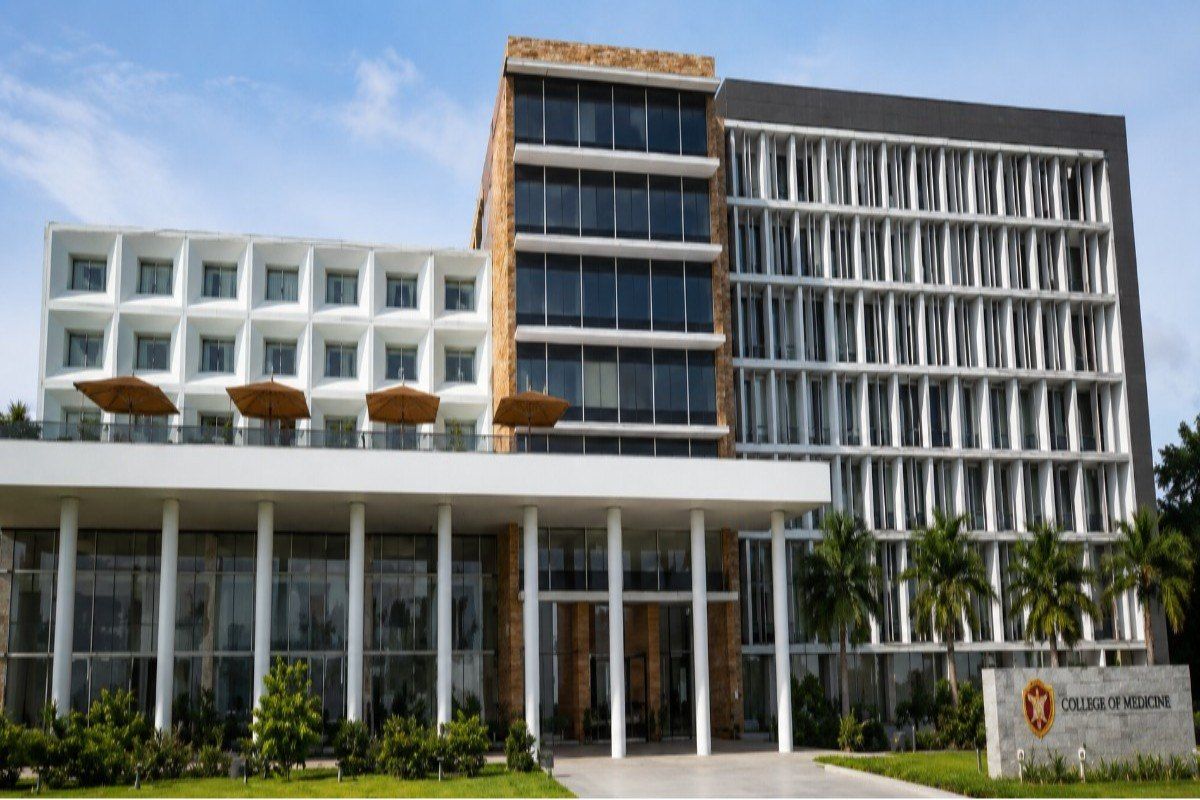
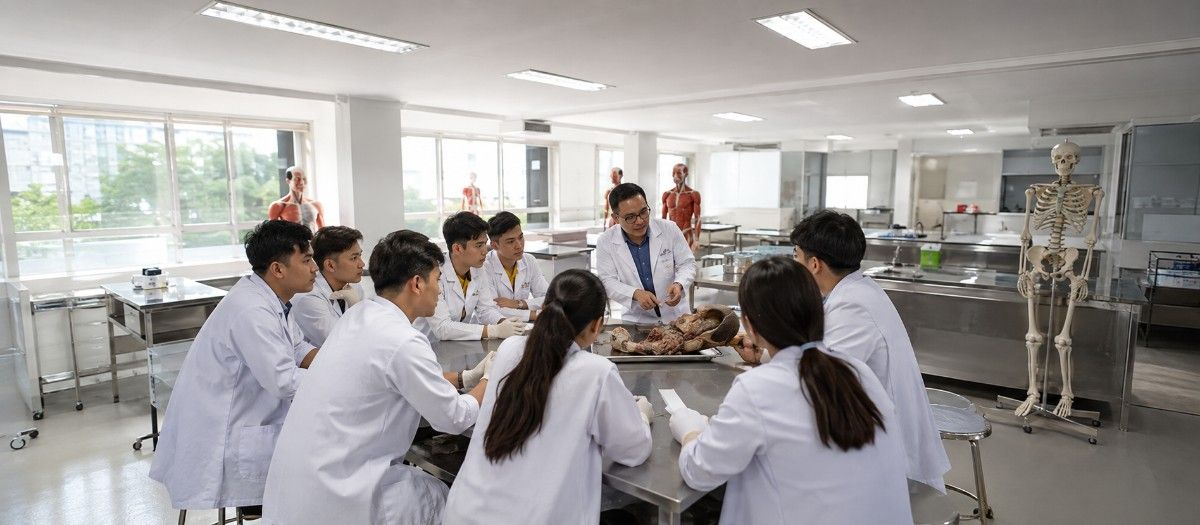
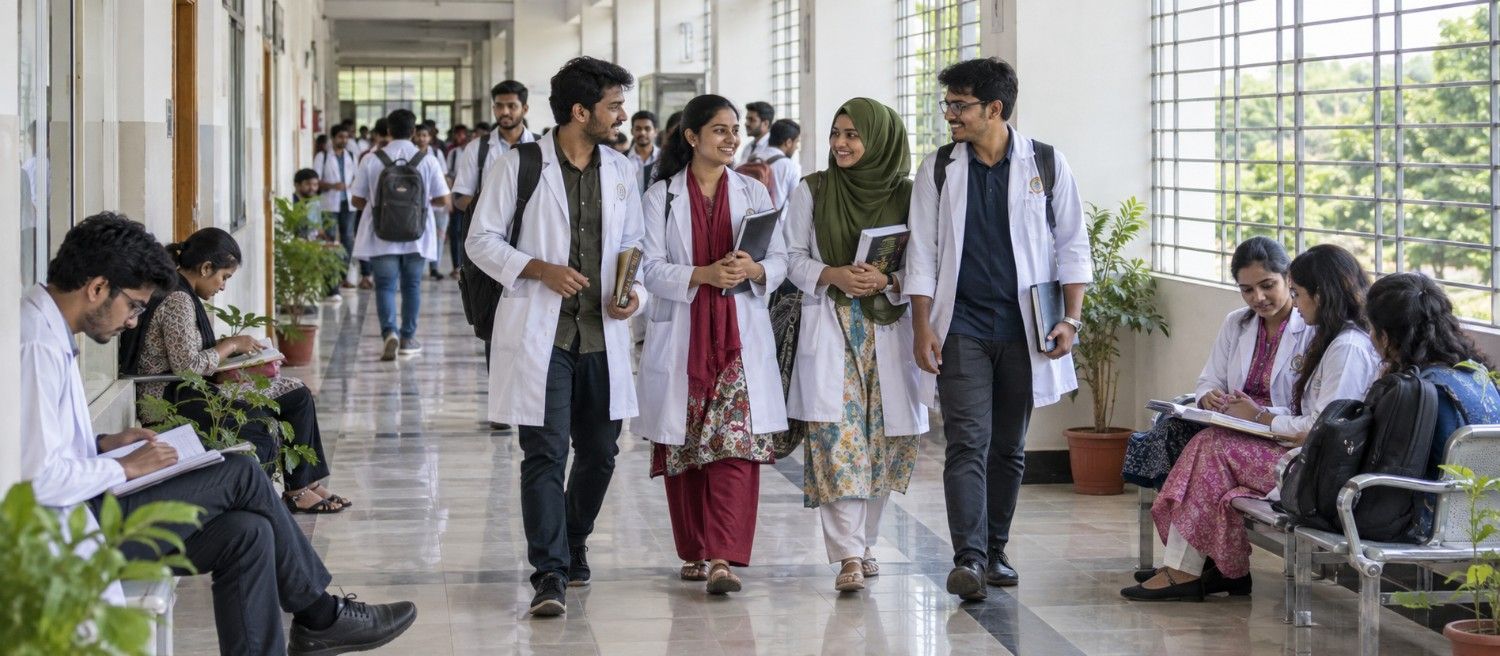
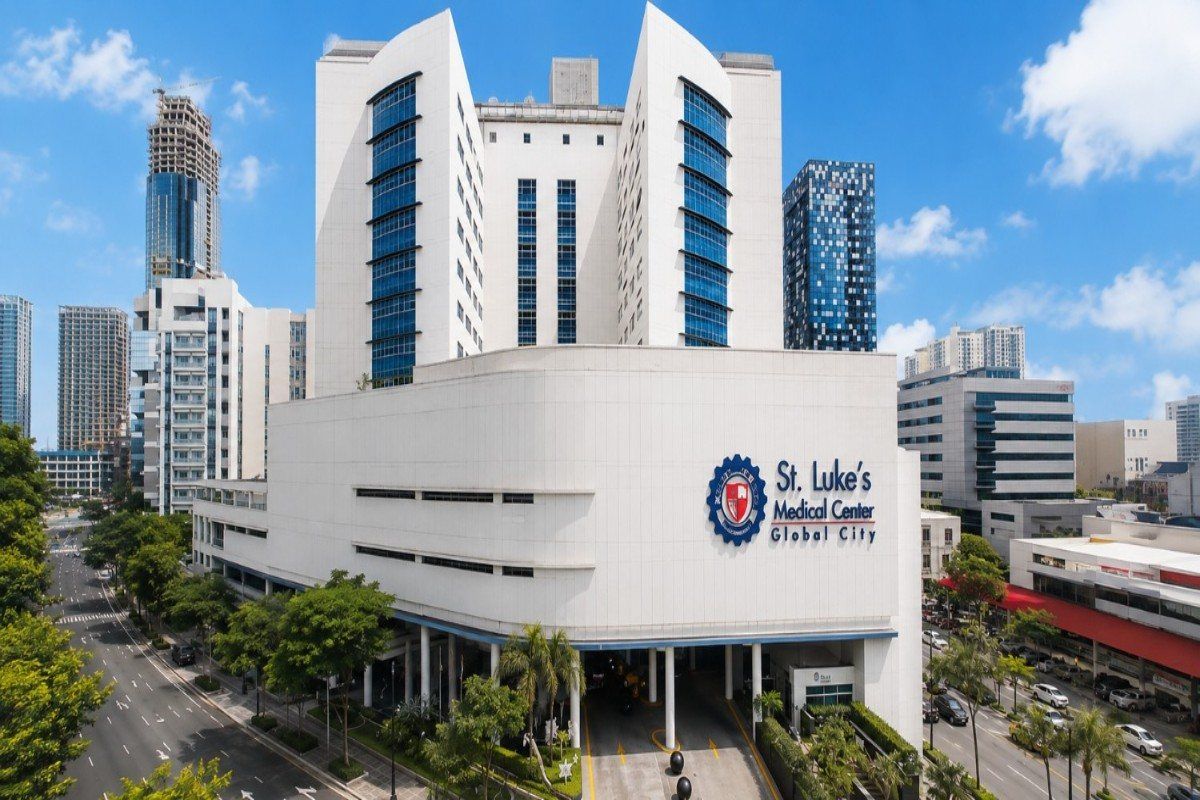
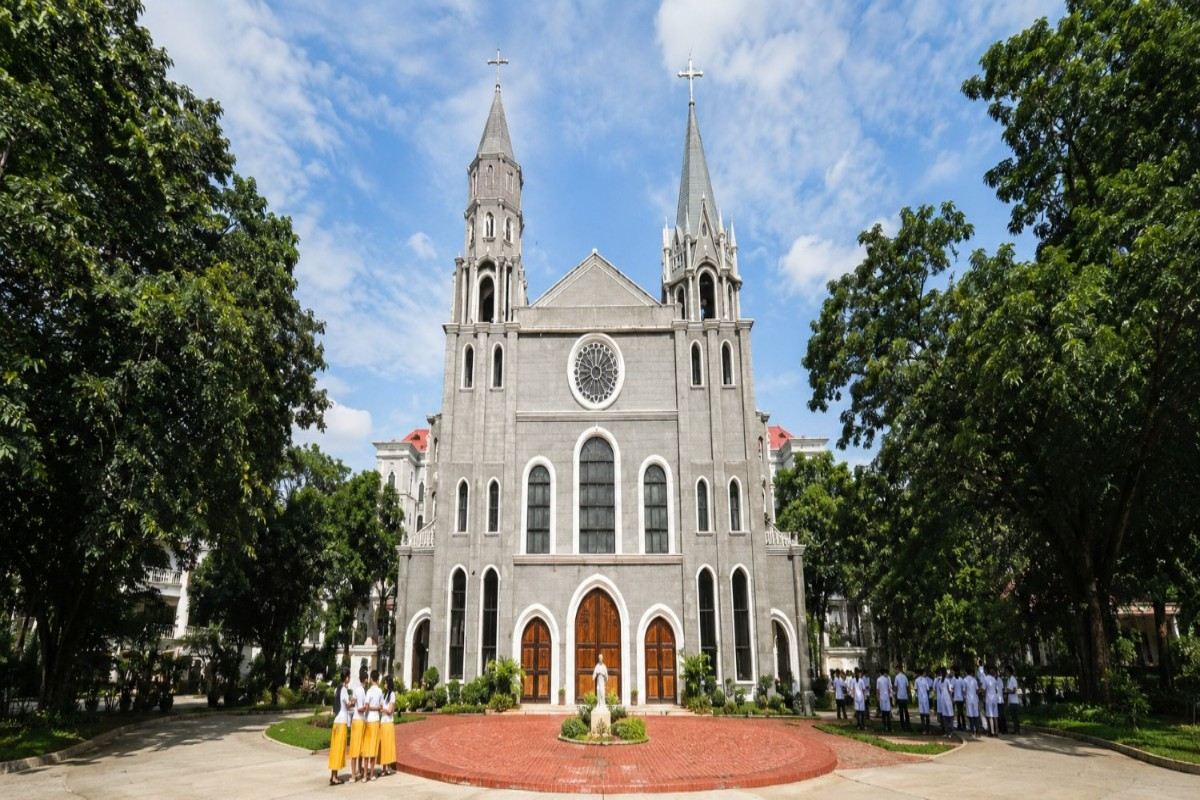
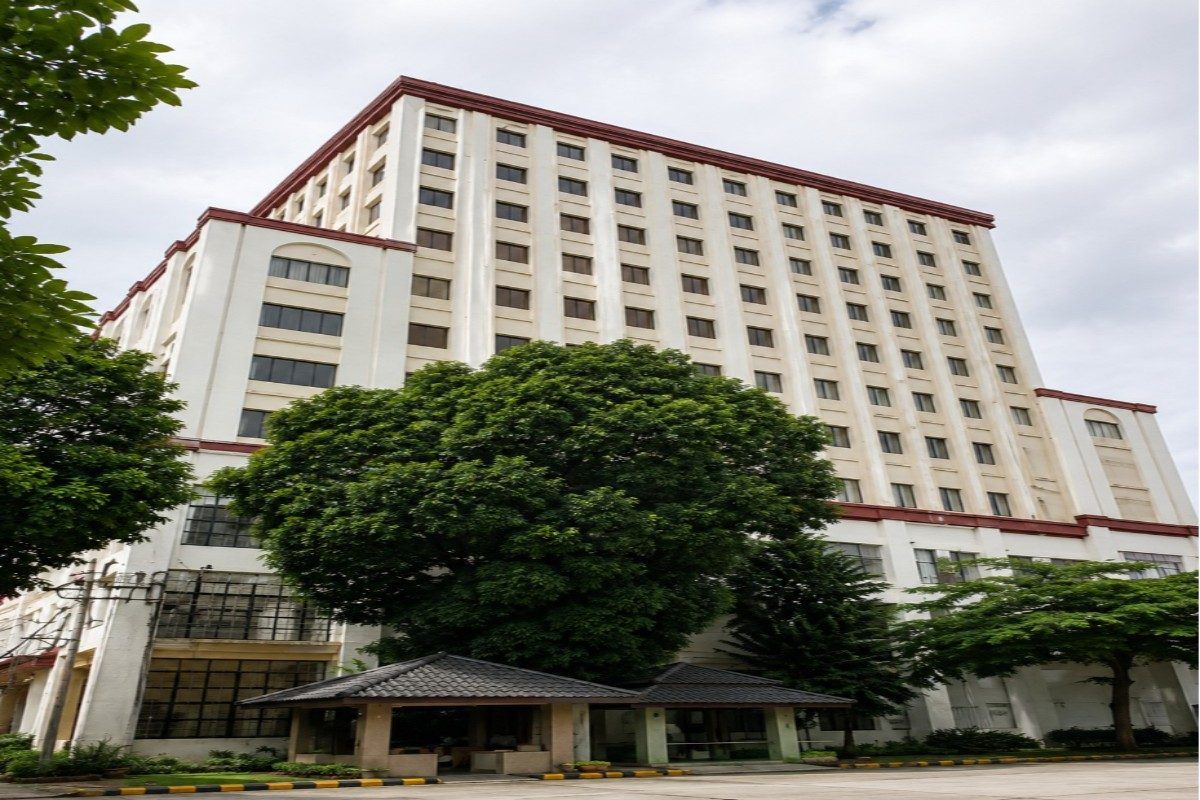
People mostly just call it SWU PHINMA for short. It was founded in the summer of 1946, in Cebu City, by two pharmacists, Matias Hipolito C. Aznar II and Anunciacion Barcenilla Aznar, originally opening as Southwestern Colleges. Here is genuinely one of the most specific, notable founding distinctions covered in guides like this one. The School of Medicine specifically holds the distinction of being the first institution for higher learning in medicine education anywhere outside Manila in the entire Philippines, established deliberately to serve aspiring physicians who could not travel to the capital for their own medical education.
The school's own beginnings were genuinely modest. Its first class comprised just 14 students, mentored by 16 faculty members, a real, specific, and notably small founding cohort where faculty very nearly outnumbered students. A training facility, Sacred Heart Hospital, was established alongside the school itself, specifically to equip students with the clinical skills their profession would require. In 1951, the Philippine government granted full recognition to the university's own Medicine programme, and the school's expansion began in earnest from that point, drawing students from Cebu and its surrounding provinces to what became known as one of the best medical schools in the Southern Philippines.
Here is a fact most guides skip entirely. Southwestern University achieved full university status on 11 December 1959, becoming Southwestern University, before a genuinely significant, dated 2015 acquisition by PHINMA Education, a subsidiary of PHINMA Corporation, a conglomerate that had begun investing in the Philippine education sector back in 2004. Following this acquisition, the university was formally renamed Southwestern University PHINMA, its own teaching hospital was renamed from Sacred Heart Hospital to Southwestern University Medical Center, the university's logo changed, and its South Campus in Basak San Nicolas was closed.
This 2015 acquisition served as a genuine catalyst for real institutional change within the School of Medicine specifically. A new SPIRAL curriculum was implemented, admission and retention standards were strengthened, facilities were modernised, and the Medicine programme's own admissions were formally expanded to accept prospective students from outside the Philippines. PHINMA's own wider education network has since grown to span the entire country, from Luzon to Mindanao, and has recently begun expanding into Southeast Asia, beginning with Horizon Education in Indonesia.
SWU PHINMA today teaches more than 90,856 students across the wider university, spanning two campuses in southern Cebu City, the main site on Urgello Street and a satellite campus on Aznar Road, roughly 200 metres away. Clinical training for medical students runs through Southwestern University Medical Center directly, alongside an affiliation with Vicente Sotto Memorial Medical Center, described as one of the largest tertiary hospitals anywhere in Cebu, giving students genuine exposure to a considerable range of clinical cases.
Admission to the Doctor of Medicine programme requires a bachelor's degree in a science-related field, such as BS Biology, BS Nursing, BS Psychology, or BS Medical Technology, alongside a competitive National Medical Admission Test, NMAT, score, and an interview with the Admissions Committee. Foreign applicants additionally need a student visa or Special Study Permit, alongside academic credentials authenticated by the Philippine Embassy in their own home country.
Cebu City itself is genuinely one of the Philippines' most significant urban centres outside Manila, serving as the economic and cultural hub of the wider Visayas region, with a real, established reputation for hosting students from across the country and internationally. This gives students at SWU PHINMA genuine access to a considerably large city environment, complete with its own well-developed healthcare infrastructure, business districts, and cultural attractions, quite different from studying in one of the Philippines' smaller, more remote provincial towns.
Given how directly PHINMA's own 2015 acquisition reshaped the School of Medicine, from a genuinely renamed teaching hospital to an entirely new curriculum and expanded international admissions, applicants researching this school today should understand it as a genuinely different institution in several concrete respects from the smaller, more locally focused medical school it was before that acquisition. This real, documented institutional transformation, combined with the school's own genuinely specific historical distinction as the first medical school outside Manila, gives SWU PHINMA a distinctive character worth understanding fully before applying.
Fee figures here genuinely diverge across two separate sources, worth presenting honestly rather than picking a single confident figure.
Cost Item | Amount | Notes |
Tuition Fee (per semester, one detailed source) | Approx. PHP 140,000-180,000 | Varies by year level and laboratory usage; works out to roughly USD 4,800-6,400/year at typical exchange rates |
Tuition Fee (per year, alternate reported figure) | Approx. USD 12,000 (first year) | Reported by a separate consultancy source; considerably higher than the per-semester estimate above once annualised |
English Proficiency Testing (IELTS/TOEFL) | Genuinely conflicting reports | One source states no IELTS/TOEFL/GMAT is required at all; another states it "may be required" specifically for foreign applicants |
Scholarships | Merit-based, need-sensitive, and PHINMA financial aid available | External sponsorships and government-funded programmes may also apply; confirm current eligibility directly |
Application/Registration Fees | Not consistently published | Confirm directly with the university |
Total Cost | Genuinely unclear given the real spread between reported figures | Request SWU PHINMA's own current, official fee schedule directly before budgeting |
Note: fees are described as "moderate" by private Philippine medical-school standards, and are subject to annual adjustment. Given the genuine spread between reported figures, request the university's own current, exact fee schedule directly.
Why SWU PHINMA Deserves a Harder Look Than You've Given It
Most lists mention Southwestern University only briefly among Philippine medical schools. However, they do not explain its own genuinely specific "first outside Manila" founding distinction, or how considerably its own reported fee figures actually diverge. The reason is simple. It is about a real, specific historical first most guides skip entirely, and a genuine spread in reported costs worth confirming directly.
SWU PHINMA is not like most other Philippine medical schools when it comes to its own founding distinction. In fact, its School of Medicine specifically holds the distinction of being the first institution for higher learning in medicine education anywhere outside Manila in the entire country. Furthermore, this is a genuinely specific, historically documented first, not a vague regional claim. As a result, applicants get a real sense of this school's own pioneering role in Philippine medical education, beyond the capital alone.
The genuine fee discrepancy also matters more than most guides let on. For example, most guides describing a Philippine medical school's own tuition present a single, confident figure. SWU PHINMA's own reported per-semester rate, roughly PHP 140,000-180,000, works out to considerably less than a separately reported USD 12,000 first-year figure once both are converted and compared. Moreover, this genuine spread deserves honest, direct acknowledgement, since applicants budgeting around either figure alone could end up meaningfully over or under-estimating their own real costs.
One thing most other blogs miss is the genuinely conflicting reporting around English proficiency testing requirements. In addition to standard NMAT and academic requirements, one source states plainly that no IELTS, TOEFL, or GMAT is required at all, while a separate, more detailed source describes English proficiency evidence as something that "may be required" specifically for foreign applicants. Since these two claims genuinely conflict, applicants should confirm this specific requirement directly rather than assuming either source is definitively correct.