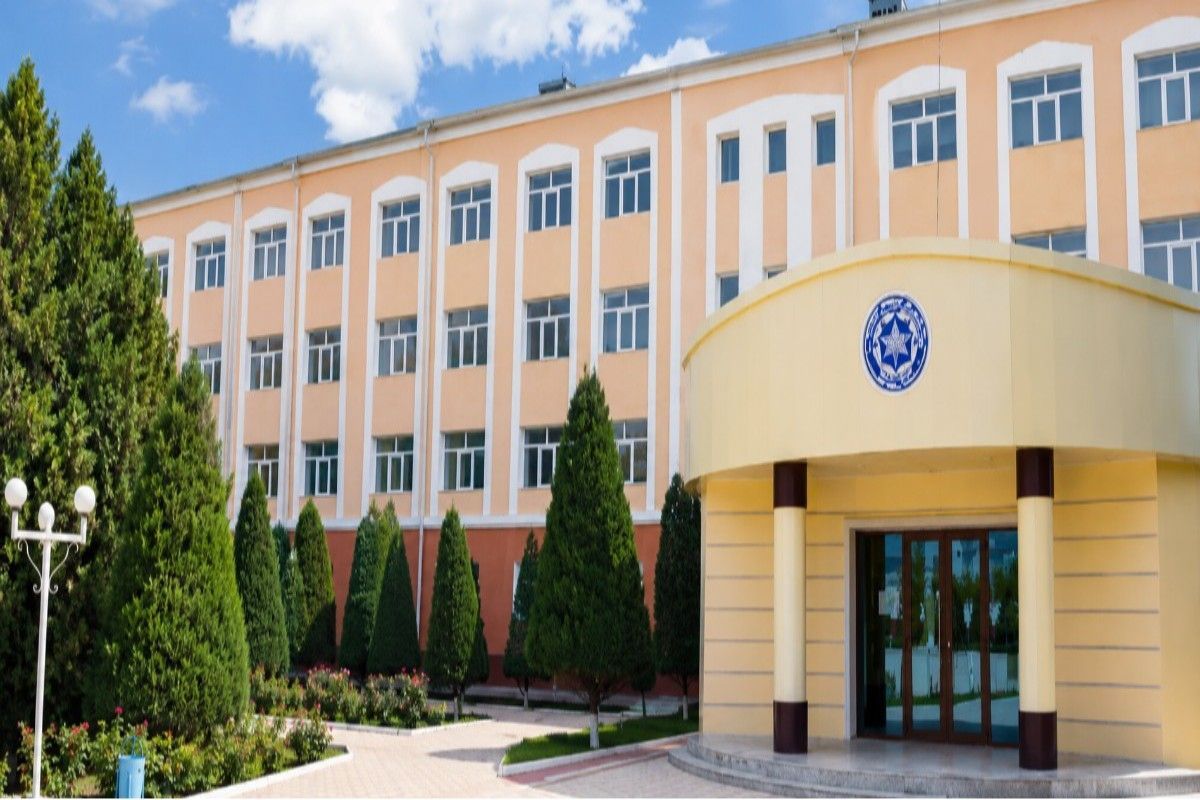
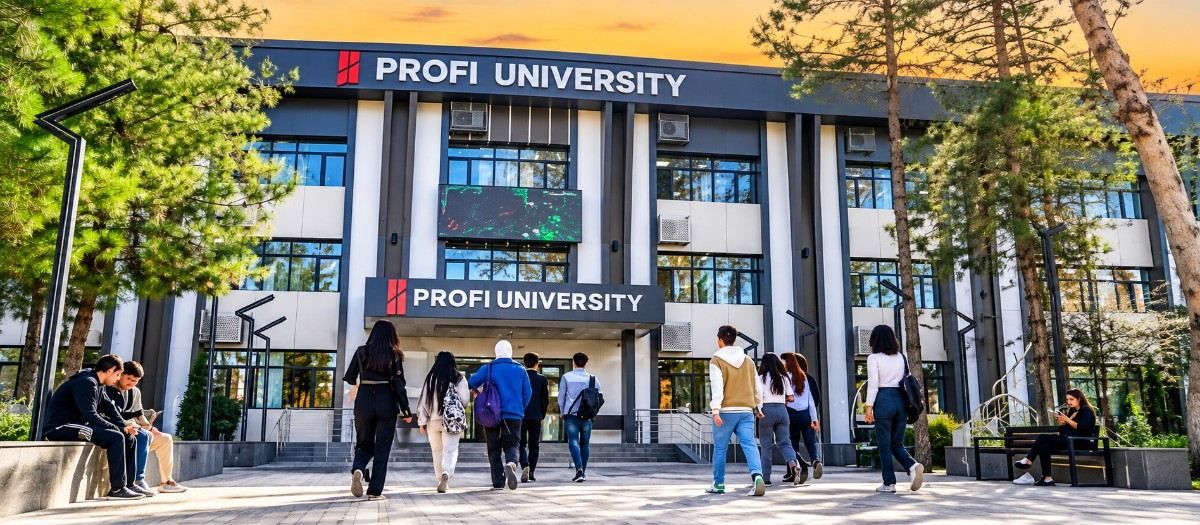
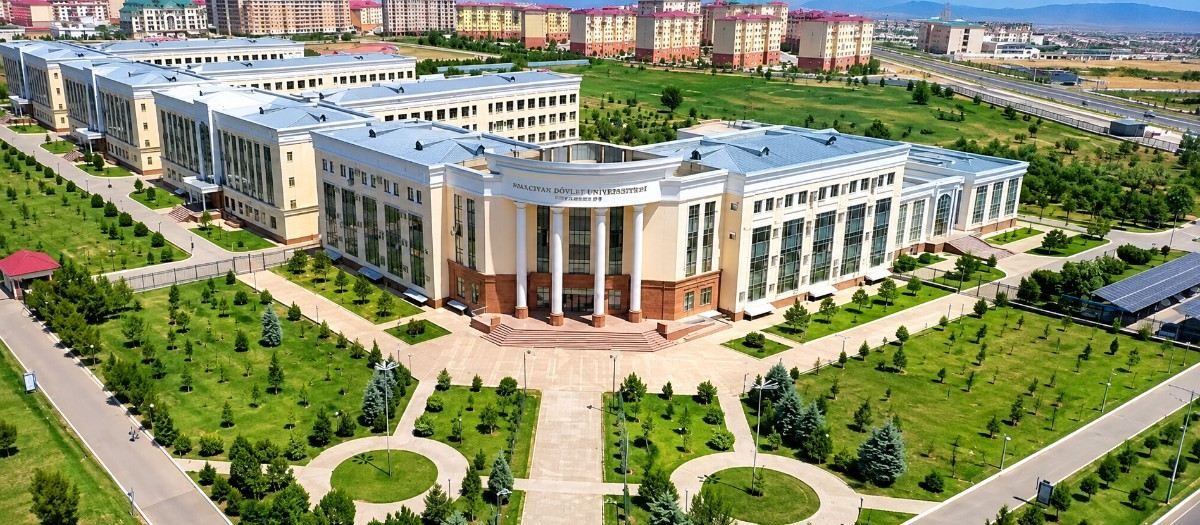
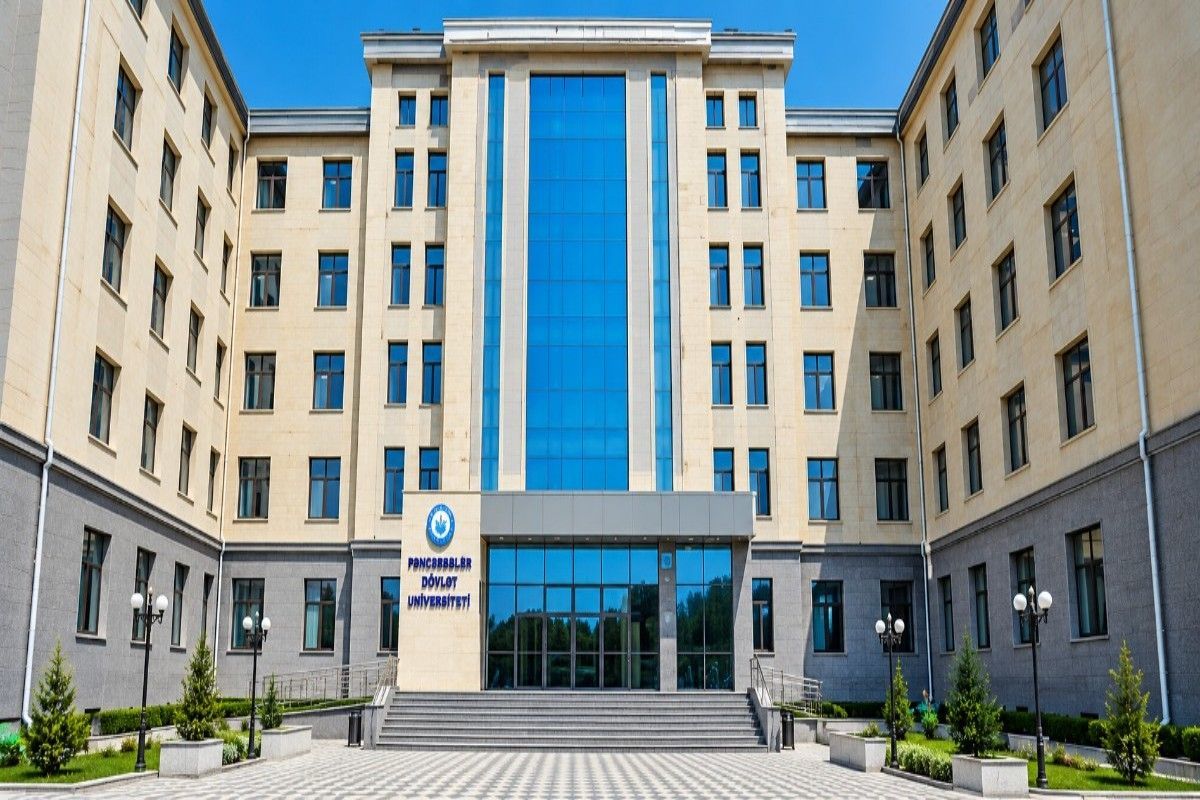
Termez Branch of Tashkent State Medical University is a government medical university located in the city of Termez in the Surxondaryo region of southern Uzbekistan. It was set up in 2018 as a full branch of Tashkent State Medical University, which is the oldest and largest medical university in the country. The Termez branch was opened to bring high quality medical education to the southern part of Uzbekistan and to reduce the pressure on the main Tashkent campus. Today it works under the joint control of the Ministry of Health and the Ministry of Higher Education and Science of the Republic of Uzbekistan. The university is listed in the World Directory of Medical Schools (WDOMS ID: F0007429) and follows the study rules of the World Health Organization and the National Medical Commission of India.
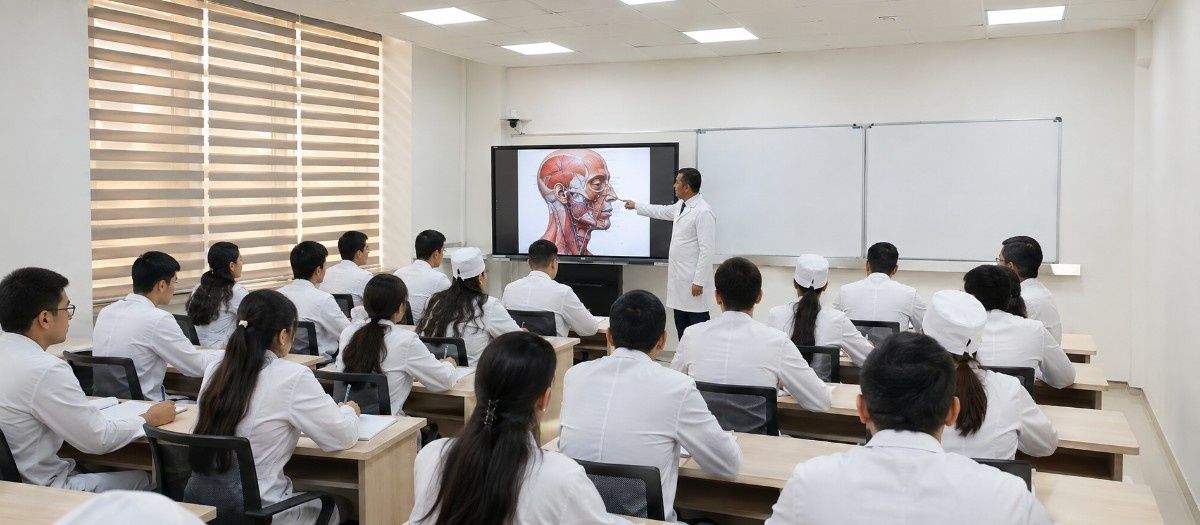
The Termez campus is modern and was built recently. It has clean lecture halls, well equipped labs, a large library, indoor sports areas, and hostels for local and foreign students inside the same campus. The teaching hospital linked with the university has more than 350 beds and serves patients from the whole Surxondaryo region. Students get to see a wide range of common and rare diseases here, since the hospital is a major referral center for southern Uzbekistan. There are more than 5,000 students on the rolls at present, of which over 300 are Indian students studying MBBS in the English medium. The university has a teaching staff of over 750 professors, doctors, and researchers, many of whom have trained in Russia, Europe, or the United States.
At the Termez Branch of Tashkent State Medical University, the Bachelor of Medicine and Bachelor of Surgery (MBBS) curriculum lasts for a total of six years. It follows the common pattern followed all over Uzbekistan and meets the requirements set by the National Medical Commission of India, requiring at least 54 months of training and a year of internship. English is the medium of instruction for all students, Indian and foreign. The regional language Uzbek is introduced as a subject right from the first semester. When students begin their clinical placements in their third year, this makes it easier for them to communicate with patients. Students devote their attention to fundamental scientific topics such as anatomy, histology, biochemistry, physiology, and biology during the first two years of their education. Clinical subjects such as pathology, pharmacology, internal medicine, surgery, pediatrics, and obstetrics become the primary focus of the curriculum beginning in the third year of the program. As students go through the years, they come to spend an increasing amount of time in the hospital.
The cost of attending this university is one of the primary factors that attracts students from India. This is one of the lowest course fees in Uzbekistan and throughout the entirety of Central Asia, with the overall course fee coming in at close to 24 lakh Indian Rupees for the entire six-year program. Because of this, it is an excellent option for families with a middle income who are interested in obtaining a medical degree that is listed by the WHO but do not wish to take on significant debt. In addition, the cost of life in Termez is inexpensive. It is possible for a student to meet their day-to-day food, travel, and other necessities on a modest monthly budget. Students who prefer to concentrate on their studies without the distractions of a bustling and noisy capital city will find that the city is peaceful and secure, making it an ideal location for them.
This university is comprised of seven primary faculties. The Faculty of Medicine, the Faculty of Pediatrics, the Faculty of Dentistry, the Faculty of Medical Prevention, the Faculty of Pharmacy, the Faculty of Traditional Medicine, and the Faculty of Fundamental Medicine are the entities that fall under this category. A significant number of international students enroll in the Faculty of Medicine, which confers the Doctor of Medicine (MD) degree after a period of six years. In India, this degree is considered to be on par with the master's degree in medicine. In addition, there is a preparatory faculty for students who intend to study in the Russian or Uzbek media but require language instruction before embarking on their studies.
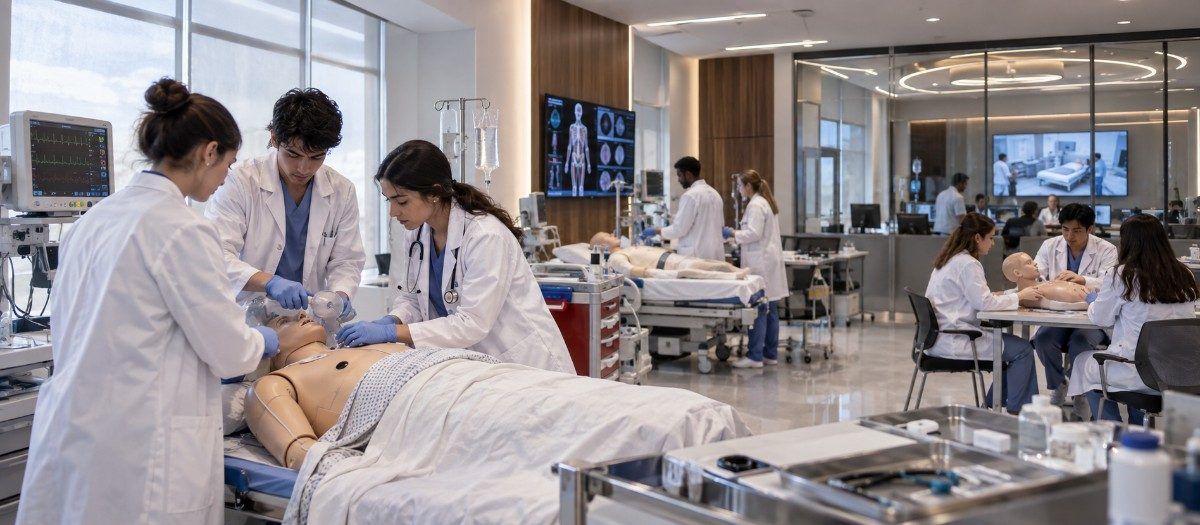
Classes for Indian students are held in small groups of 12 to 15 students each. This small group format helps teachers give more attention to every student and makes it easier to ask doubts. Practical work is a key part of the course. Students work in modern anatomy labs, wet labs, simulation rooms, and clinical skill centers. From the third year, they visit the main teaching hospital and other affiliated clinics in Termez city. They see real patients, take histories, help with basic procedures, and write case reports under the guidance of senior doctors.
Hostels are inside the main campus during the first year, which is compulsory for all Indian students. Rooms come in 2, 3, or 4 seater options with beds, wardrobes, study tables, and lamps. Every hostel has CCTV cameras, fire alarms, common kitchens, laundry rooms, sports halls, and reading rooms. Boys and girls stay on fully separate floors or blocks. From the second year, students may choose to rent a flat in the city if they wish. Indian mess service is available but not compulsory, and it costs about USD 1,200 per year for students who want home-style meals.
The admission of students to the universities is held in February and September of each year. The process of becoming a student is simple and can be completed entirely online. Students in India need to have a valid NEET score of the current year or the past two years and have scored at least fifty percent in physics, chemistry and biology in their senior year of high school. The documents will then be reviewed by the university and a letter of admission and a letter of invitation for the study visa will be sent.
In addition to being the capital of the Surxondaryo region, the city of Termez is located on the border with Afghanistan and is situated along the Amu Darya river. The biggest town in Central Asia lies directly on the historic Silk Route. You can benefit from a reliable rail link, a small airport with flights to Tashkent and Moscow, and safe public transport throughout the city. Summers are very hot and dry, while winters tend to be fairly cool. Each year, the hostels hold celebrations for a number of Indian holidays, including Diwali, Holi, and Eid, among others. Every year, the university also organizes the participation of international students in a variety of cultural and athletic events. If you are a graduate from the Termez Branch of the Tashkent State Medical University then you can take either FMGE or NExT in India. They will be able to become physicians and work at any hospital in the country, whether it be a public or private institution, if they are successful.